Dog Joint Supplement with Green Lipped Mussel
Your complete guide to understanding how green lipped mussel supports canine joint health, reduces inflammation, and restores mobility — plus how to choose the right supplement for your dog.
If your dog is slowing down, hesitating on stairs, or showing stiffness after rest, you are likely searching for solutions to support their joint health. Joint problems affect millions of dogs worldwide, and the search for effective, natural remedies has led many pet owners to green lipped mussel for dogs — a marine superfood with remarkable anti-inflammatory properties.
Unlike synthetic pain medications that mask symptoms, green lipped mussel supplements address the root causes of joint discomfort by providing building blocks for cartilage repair and natural compounds that calm inflammation. This guide will help you understand exactly what green lipped mussel is, how it works, and how to select the best dog joint supplements for your furry companion.
What Is Green Lipped Mussel?
The green lipped mussel (Perna canaliculus) is a shellfish native to the pristine coastal waters of New Zealand. It gets its name from the distinctive green tint along the inner edge of its shell. For centuries, the indigenous Māori people of New Zealand consumed these mussels as a staple food and noticed that coastal populations had remarkably low rates of arthritis and joint disease.
Modern science has confirmed what the Māori observed. Green lipped mussel contains a unique and complex blend of bioactive compounds that work synergistically to support joint health:
- Omega-3 fatty acids (EPA and DHA): Potent natural anti-inflammatory agents that reduce joint swelling and pain.
- Glycosaminoglycans (GAGs): Building blocks for cartilage that help maintain joint cushioning.
- Chondroitin sulfate: A natural component of cartilage that helps it retain water and elasticity.
- Glucosamine: An amino sugar that supports cartilage repair and joint lubrication.
- Eicosatetraenoic acid (ETA): A rare omega-3 fatty acid unique to green lipped mussel that has shown particularly strong anti-inflammatory effects.
- Antioxidants: Vitamins, minerals, and enzymes that protect joint tissues from oxidative damage.
This combination makes green lipped mussel one of the most comprehensive natural joint support ingredients available. It is not a single compound but a whole-food matrix that provides multiple benefits in one source.
How Green Lipped Mussel Works for Dog Joints
Joint degeneration in dogs — whether from arthritis, hip dysplasia, or general wear and tear — involves two intertwined processes: inflammation and cartilage breakdown. Green lipped mussel addresses both.
Reducing Inflammation
The omega-3 fatty acids in green lipped mussel, particularly ETA, work by inhibiting the enzymes that produce inflammatory compounds in the body. Unlike pharmaceutical anti-inflammatories that block a single pathway, the omega-3s in green lipped mussel influence multiple inflammatory pathways simultaneously. This broad-spectrum action helps reduce swelling, pain, and stiffness without the side effects associated with long-term NSAID use.
Supporting Cartilage Repair
Cartilage is the smooth, rubbery tissue that cushions the ends of bones in a joint. When it wears away, bones rub together, causing pain and limiting movement. Green lipped mussel provides glycosaminoglycans, chondroitin, and glucosamine — the raw materials your dog's body needs to maintain and repair cartilage. While damaged cartilage cannot fully regenerate, these nutrients can slow further degeneration and support the health of remaining cartilage.
Improving Joint Lubrication
Synovial fluid is the lubricant inside joints that allows smooth, pain-free movement. Green lipped mussel supports the production of healthy synovial fluid, which reduces friction and improves the range of motion in affected joints.
Key Point: Green lipped mussel is not a painkiller — it is a joint support nutrient. It works gradually to improve the underlying health of the joint, which in turn reduces pain and improves mobility. This is why consistent daily use is essential for best results.
Key Benefits for Dogs
Dog owners who use green lipped mussel supplements consistently report a range of improvements. These benefits are supported by both veterinary research and anecdotal evidence from thousands of pet owners:
- Reduced joint pain and stiffness: Dogs become more willing to move, play, and go for walks.
- Improved mobility and range of motion: Stairs, jumping into cars, and getting up from rest become easier.
- Decreased inflammation: Visible swelling around joints may reduce over time.
- Better quality of life: Dogs show more enthusiasm for activities they previously avoided.
- Slowed progression of arthritis: By supporting cartilage health, the supplement may slow further joint degeneration.
- Natural anti-inflammatory action: Provides an alternative or complement to pharmaceutical pain relief.
- Support for active and working dogs: Helps maintain joint health in dogs with high physical demands, such as agility competitors and working breeds.
- Post-surgical recovery support: Aids in healing and reduces inflammation after joint surgery.
Many owners notice that their dogs seem more comfortable and energetic within a few weeks of starting a green lipped mussel supplement. For dogs with arthritis or mobility issues, the improvement can be life-changing.
Types of Green Lipped Mussel Supplements
Green lipped mussel supplements for dogs come in several forms, each with advantages and considerations. Understanding the differences helps you choose the best option for your dog's needs and preferences.
Powder
Pure ground green lipped mussel powder. Can be mixed into food easily. Often the most economical option. Look for cold-processed powder to preserve delicate omega-3s. Best for dogs who eat wet food or are not picky.
budget-friendly to mid-tierChews and Soft Treats
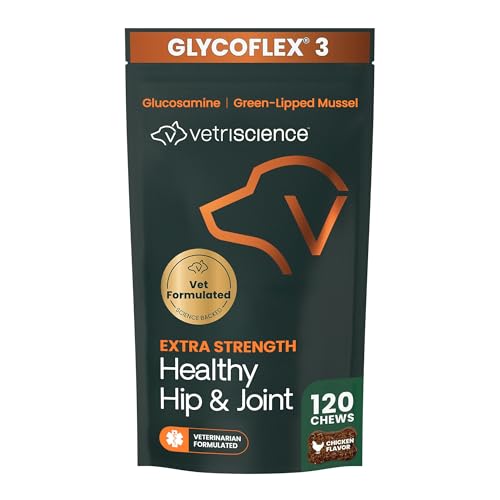
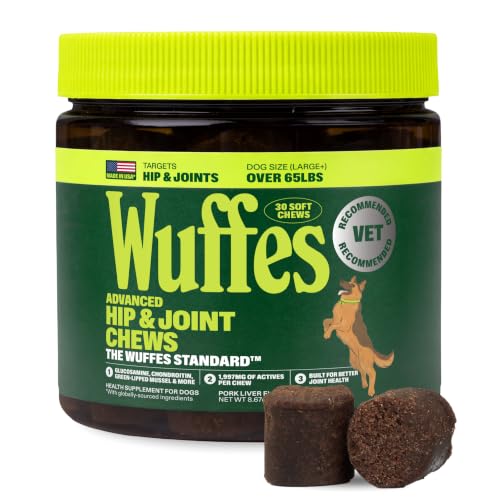
Palatable chews that dogs take willingly as a treat. Convenient and easy to administer. Quality varies widely — check for actual green lipped mussel content, not just flavoring. Best for dogs who dislike powders or pills.
mid-tierCapsules and Tablets
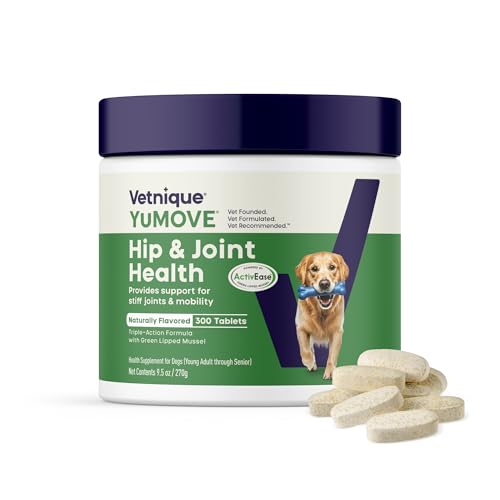
Pre-measured doses in capsule or tablet form. Easy to hide in food or give directly. Often combined with other joint nutrients like glucosamine and chondroitin. Best for precise dosing and dogs who accept pills.
mid-tierLiquid and Oil
Green lipped mussel oil or liquid concentrate. Highly bioavailable and fast-absorbing. Can be dropped onto food or given directly. Often more expensive per dose but may be more effective for severe cases. Best for picky eaters and maximum absorption.
premium to luxuryCombination Formulas
Supplements that combine green lipped mussel with glucosamine, chondroitin, MSM, omega-3 fish oil, turmeric, or other joint-supporting ingredients. Provide comprehensive support in one product. Best for dogs with significant joint issues.
mid-tier to premiumWhole Dried Mussel
Freeze-dried or air-dried whole mussels. The most natural form. Dogs may eat them as treats. Potency can vary, and not all dogs accept the texture. Best for owners who prefer whole-food supplements.
mid-tier to premiumHow to Choose the Best Supplement
Not all green lipped mussel supplements are created equal. The quality of the raw material, processing method, and formulation dramatically affect the final product's effectiveness. Use these criteria to evaluate your options:
- Source from New Zealand: Green lipped mussel is native to New Zealand, and the highest-quality supplements use mussels farmed in the clean waters there. Look for explicit "New Zealand green lipped mussel" on the label. Avoid products that do not disclose the source.
- Cold-processed: Omega-3 fatty acids are fragile and easily damaged by heat. Cold-processing (also called cold-pressing or freeze-drying) preserves the delicate compounds. High-heat processing degrades the beneficial nutrients.
- Clear potency information: The label should state the amount of green lipped mussel per serving, ideally in milligrams. Vague terms like "proprietary blend" without amounts are a red flag. Look for products that disclose the omega-3 content or ETA content as well.
- No unnecessary fillers: Avoid supplements loaded with artificial colors, flavors, preservatives, or excessive fillers like wheat, corn, or soy. These add no value and may cause sensitivities in some dogs.
- Third-party testing: Reputable manufacturers test their products for purity, potency, and contaminants like heavy metals and bacteria. Look for brands that publish test results or hold certifications.
- Appropriate form for your dog: Consider your dog's size, dietary restrictions, and willingness to take supplements. A powder may be best for a large dog who eats wet food, while a chew may be ideal for a small picky eater.
- Combination with other joint nutrients: For dogs with significant joint issues, a formula that also includes glucosamine, chondroitin, and MSM may provide more comprehensive support than green lipped mussel alone.
- Veterinary approval: Choose brands that are recommended by veterinarians or formulated with veterinary input. When in doubt, ask your vet about specific brands they trust.
Pro Tip: Start with a smaller container or sample size before committing to a large supply. This allows you to assess your dog's acceptance and tolerance without waste. If your dog refuses the first form you try, experiment with a different delivery method — many owners find success with chews after a powder was rejected, or vice versa.
Dosage Guidelines
There is no universal dosage for green lipped mussel supplements because potency varies by product and form. Always follow the manufacturer's instructions on the label, as dosages are formulated for their specific product concentration.
That said, here are general principles to keep in mind:
- Start slow: Begin with half the recommended dose for the first week to allow your dog's digestive system to adjust. Some dogs experience mild stomach upset when first starting.
- Split doses: If giving a larger dose, split it into two smaller servings — one with morning meal, one with evening meal. This improves absorption and reduces digestive upset.
- Consistency matters more than timing: The most important factor is giving the supplement every day. Missing days reduces effectiveness.
- Weight-based dosing: Larger dogs need proportionally larger doses. Most products provide a weight-based dosing chart.
- Adjust for severity: Dogs with advanced joint issues may benefit from a higher dose (under veterinary guidance) than dogs using the supplement for prevention.
- Give with food: Green lipped mussel is best absorbed when given with a meal containing some fat. The omega-3s are fat-soluble and absorb better with dietary fat.
Always consult your veterinarian before starting any new supplement, especially if your dog is taking other medications or has underlying health conditions. Your vet can help you determine the appropriate dose for your dog's specific situation.
How Green Lipped Mussel Compares to Other Joint Supplements
Green lipped mussel is one of several popular joint supplements for dogs. Understanding how it compares helps you make an informed decision or decide whether to combine ingredients.
| Supplement | Primary Function | Anti-Inflammatory | Cartilage Support | Best For |
|---|---|---|---|---|
| Green Lipped Mussel | Multi-action joint support | Strong | Moderate to Strong | Comprehensive natural support |
| Glucosamine | Cartilage building block | None | Strong | Cartilage maintenance |
| Chondroitin | Cartilage structure support | Mild | Strong | Cartilage health |
| MSM | Anti-inflammatory, pain relief | Moderate | None | Inflammation and pain |
| Fish Oil (Omega-3) | Systemic anti-inflammatory | Moderate | None | General inflammation |
| Turmeric/Curcumin | Anti-inflammatory | Moderate to Strong | None | Natural inflammation support |
As the table shows, green lipped mussel is unique in providing both anti-inflammatory and cartilage-supporting benefits in a single ingredient. This makes it an excellent standalone supplement or a valuable addition to a combination formula. Many premium joint products include green lipped mussel alongside glucosamine and chondroitin for maximum effectiveness.
If your dog has mild joint stiffness, green lipped mussel alone may be sufficient. For moderate to severe arthritis, a combination approach that includes multiple joint nutrients is often more effective. Discuss the best strategy with your veterinarian.
Safety and Side Effects
Green lipped mussel is considered safe for most dogs when given at recommended doses. It is a whole-food ingredient, not a synthetic drug, and adverse reactions are rare. However, there are some considerations:
Potential Side Effects
- Digestive upset: Some dogs experience mild stomach upset, loose stools, or vomiting when first starting the supplement. This usually resolves within a few days as the body adjusts. Starting with a half dose can minimize this.
- Allergic reactions: Dogs with shellfish allergies may react to green lipped mussel. Signs include itching, hives, swelling, or difficulty breathing. Discontinue use and contact your vet immediately if you suspect an allergic reaction.
- Blood-thinning effects: Omega-3 fatty acids have mild blood-thinning properties. Dogs on blood-thinning medications or scheduled for surgery should use green lipped mussel only under veterinary supervision.
Precautions
- Always consult your veterinarian before starting any new supplement, especially if your dog has a chronic health condition.
- If your dog is pregnant, nursing, or very young (under 6 months), seek veterinary guidance before supplementing.
- Do not exceed the recommended dose. More is not better, and excessive amounts can cause digestive issues.
- Choose reputable brands that test for purity and contaminants. Cheap, unregulated supplements may contain heavy metals or other harmful substances.
- Monitor your dog closely when starting any new supplement. If you notice any concerning symptoms, stop use and consult your vet.
Important: Green lipped mussel is a supplement, not a medication. It should not replace prescribed veterinary treatments for serious joint conditions. If your dog is in significant pain or has been diagnosed with arthritis, work with your vet to develop a comprehensive treatment plan that may include supplements, prescription medications, physical therapy, and lifestyle modifications.
Complementary Joint Care Strategies
Supplements work best when combined with other joint-friendly practices. Here is how to support your dog's joint health from multiple angles:
- Maintain a healthy weight: Excess weight puts enormous stress on joints, especially hips, knees, and spine. Even a few extra pounds significantly worsens arthritis. Work with your vet to determine your dog's ideal weight and adjust feeding accordingly. Learn more in our weight management guide.
- Provide appropriate exercise: Moderate, regular exercise keeps joints lubricated and muscles strong. Low-impact activities like swimming, leash walks on soft surfaces, and gentle play are ideal. Avoid high-impact jumping and repetitive activities on hard surfaces. See our exercise guide for breed-specific recommendations.
- Use joint-friendly equipment: Ramps and steps help dogs with mobility issues get on and off furniture or into cars without jumping. Orthopedic beds provide supportive rest. Non-slip mats on hard floors prevent slipping and falling.
- Consider physical therapy: Veterinary rehabilitation specialists offer therapeutic exercises, massage, laser therapy, and hydrotherapy that can significantly improve joint function and reduce pain.
- Provide mental stimulation: Mental engagement reduces stress and keeps dogs active. Puzzle toys and food-dispensing toys encourage movement and problem-solving without high physical impact. See our mental stimulation ideas.
- Schedule regular vet checkups: Early detection of joint problems allows for earlier intervention. Your vet can monitor joint health, adjust treatment plans, and catch issues before they become severe. See our vet visit guide for recommended schedules.
- Feed a joint-supporting diet: Some dog foods are formulated with added glucosamine, chondroitin, and omega-3s to support joint health. A balanced, high-quality diet provides the nutritional foundation for joint health. See our nutrition guide.
- Manage pain holistically: For dogs with significant arthritis, a multimodal approach that includes supplements, prescription pain relief, physical therapy, and lifestyle modifications offers the best quality of life. Work closely with your vet to find the right combination.
Frequently Asked Questions
Bottom Line
Green lipped mussel is one of the most effective natural ingredients for supporting dog joint health. Its unique combination of anti-inflammatory omega-3s and cartilage-building compounds makes it a valuable addition to any joint care routine. Whether you are looking to prevent joint problems in an active dog, support a senior dog with arthritis, or complement veterinary treatment for hip dysplasia, a high-quality green lipped mussel supplement can make a meaningful difference.
Start with a reputable brand, introduce it gradually, and combine it with weight management, appropriate exercise, and regular veterinary care. Your dog's joints — and their quality of life — will thank you.