Complete Dog Mobility Guide
Keep your dog active, comfortable, and independent with the right mobility aids, joint support, and exercises. From ramps to supplements, this guide covers everything you need to know.
As dogs age or face health challenges, their mobility can decline. This doesn't mean they have to give up on an active, joyful life. With the right support—from ramps and stairs to joint supplements and steps—you can significantly improve your dog's quality of life. This guide will help you understand the options and make the best choices for your furry friend.
Understanding Canine Mobility Issues
Mobility problems in dogs can stem from various causes, including arthritis, hip dysplasia, spinal issues, injuries, and age-related decline. Recognizing the early signs is crucial for timely intervention. Common symptoms include:
- Stiffness: Especially after resting or in cold weather.
- Difficulty rising: Struggling to get up from a lying position.
- Reluctance to jump: Hesitation or refusal to jump onto furniture or into the car.
- Limping: Favoring one leg or an altered gait.
- Decreased activity: Sleeping more, playing less, or avoiding stairs.
- Pain when touched: Whining or flinching when you touch certain areas.
If you notice any of these signs, consult your veterinarian. They can diagnose the underlying cause and recommend a treatment plan. For many dogs, a combination of joint supplements, weight management, and mobility aids can make a world of difference.
Mobility Aids: Ramps, Stairs, and More
Mobility aids are designed to help your dog navigate their environment with less strain. They are especially helpful for getting onto beds, couches, or into vehicles. Here's a breakdown of the most common options:
Dog Ramps
Ramps provide a gentle incline, making it easier for dogs with joint issues to climb. They are ideal for high surfaces like beds, SUVs, and trucks. Look for ramps with a non-slip surface and sturdy construction. For most dogs, a telescoping ramp that adjusts to different heights is a versatile and practical choice.
Best for: Dogs with arthritis, hip dysplasia, or any condition that makes jumping painful.
Dog Stairs
Stairs are a good option for dogs that prefer stepping up rather than walking on an incline. They are available in various heights and materials. Some stairs are foldable for easy storage. While stairs can be helpful, they require more joint flexion than ramps, so they may not be suitable for dogs with severe joint issues.
Best for: Dogs that are comfortable with steps and have mild to moderate mobility issues.
Dog Steps
Smaller, lightweight steps are great for helping your dog reach low furniture or get into a car. They are often made of foam or plastic and are easy to move around. Dog steps are a simple and affordable way to provide extra support.
Best for: Small dogs, puppies, and dogs with mild mobility issues.
Support Harnesses & Slings
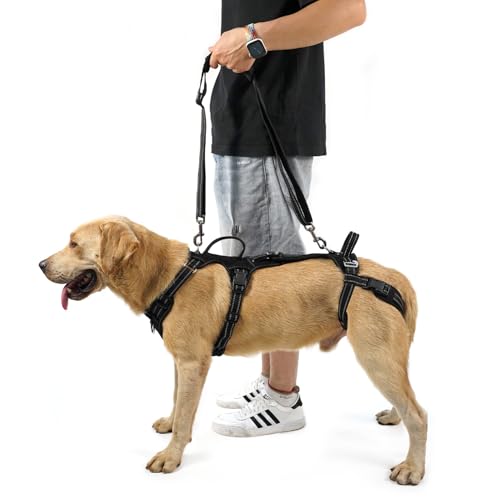
Support harnesses and slings help you lift and support your dog's hindquarters, making it easier for them to stand, walk, and navigate stairs. They are particularly useful for dogs recovering from surgery or with severe weakness. These aids can be a temporary or long-term solution depending on your dog's condition.
Best for: Post-surgery recovery, dogs with paralysis, or severe arthritis.
Joint Supplements for Dogs
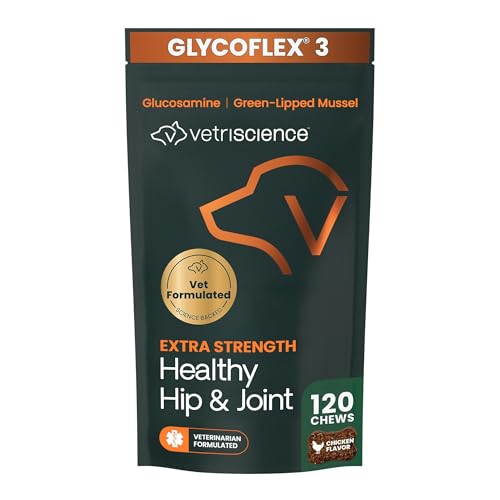
Joint supplements can help maintain cartilage health, reduce inflammation, and improve mobility. They are not a cure, but they can slow the progression of joint disease and make your dog more comfortable. Key ingredients to look for include:
- Glucosamine: A building block for cartilage, helps repair and maintain joint tissue.
- Chondroitin: Works with glucosamine to support cartilage elasticity and inhibit enzymes that break it down.
- MSM (Methylsulfonylmethane): An anti-inflammatory that can reduce pain and swelling.
- Omega-3 Fatty Acids: Help reduce joint inflammation and support overall health.
- Green-Lipped Mussel: A natural source of chondroitin and omega-3s, known for its anti-inflammatory properties.
Note: Always consult your vet before starting any supplement regimen. They can recommend the best product and dosage for your dog's specific needs. Check out our guide on best joint supplements for dogs for more detailed recommendations.
Exercise & Rehabilitation
Regular, appropriate exercise is essential for maintaining joint health and muscle strength. However, the type and intensity of exercise should be tailored to your dog's condition. Here are some safe and effective options:
- Controlled Walking: Short, frequent walks on soft surfaces (grass, dirt) are gentle on joints. Avoid long walks on hard pavement.
- Swimming: An excellent low-impact exercise that provides a full-body workout without putting stress on joints. Many dogs love it!
- Physical Therapy: Techniques like massage, stretching, and laser therapy can help reduce pain and improve mobility. Consult a certified canine rehabilitation therapist.
- Weight Management: Maintaining a healthy weight is crucial. Excess weight puts additional stress on joints. Your vet can help you create a weight loss plan if needed.
- Puzzle Toys: While not a physical exercise, mental stimulation can keep your dog engaged and happy, even when physical activity is limited. Check out puzzle toys for dogs for ideas.
Tip: Always warm up your dog with a gentle walk before any more strenuous activity. End with a cool-down period. If your dog shows signs of pain or fatigue, stop and rest.
Comparing Mobility Aids
To help you choose the right aid for your dog, here's a comparison of the most common options:
| Aid Type | Best For | Ideal Surface Height | Price Range |
|---|---|---|---|
| Dog Ramp | Arthritis, hip dysplasia, large dogs | Up to 36 inches | $50–$200 |
| Dog Stairs | Mild to moderate issues, smaller dogs | Up to 24 inches | $30–$120 |
| Dog Steps | Small dogs, puppies, low surfaces | Up to 18 inches | $15–$60 |
| Support Harness | Post-surgery, paralysis, severe weakness | N/A | $20–$80 |
| Wheelchair | Paralysis, amputation, advanced arthritis | N/A | $150–$600 |
Frequently Asked Questions
Ready to Improve Your Dog's Mobility?
Whether your dog needs a ramp, a set of stairs, or a joint supplement, the right tools can make a world of difference. Start by assessing your dog's specific needs and consult your vet for a tailored plan. With your love and the right support, your dog can continue to enjoy a happy, active life.