Dog Preventive Health Care: A Complete Guide
Proactive wellness is the key to a longer, happier, and healthier life for your dog. From routine vet visits and vaccinations to dental care, parasite prevention, and nutrition — this guide covers everything you need to build a solid preventive health plan.
Preventive health care is the single most important investment you can make in your dog's well-being. It is far more effective — and significantly less expensive — to prevent disease than to treat it after it develops. A proactive approach not only saves you money and heartache but also adds years of quality life to your dog.
Why Prevention Matters: Many common diseases in dogs — including dental disease, heartworm, arthritis, and certain cancers — can be prevented or detected early with regular care. Early detection often means simpler, less invasive, and more successful treatment. A trusted veterinarian is your partner in this journey.
Why Preventive Care Matters
Every dog owner wants their companion to live a long, healthy life. But wishing for good health isn't enough — you need a plan. Preventive care is about being proactive rather than reactive. It's the difference between waiting for your dog to get sick and taking steps to keep them well.
- Cost-effective: A single annual wellness exam and preventive treatments cost far less than emergency surgery or managing a chronic disease.
- Early detection: Many conditions, such as hip dysplasia, kidney disease, and cancer, can be managed more effectively when caught early.
- Improved quality of life: Preventive care keeps your dog comfortable, active, and pain-free for more years.
- Peace of mind: Knowing you're doing everything you can for your dog's health reduces stress and worry.
Wellness Exams & Vet Visits
Regular veterinary examinations are the cornerstone of preventive care. During a wellness exam, your vet performs a thorough physical examination, checks vital signs, and assesses your dog's overall condition. This is also an opportunity to discuss any behavioral or health concerns you've noticed.
Puppies (Under 1 Year)
Puppies require a series of visits every 3-4 weeks for vaccinations, deworming, and developmental assessments. These early visits are critical for building immunity and setting the stage for a lifetime of good health.
$50–$120 per visitAdult Dogs (1–7 Years)
Annual wellness exams are recommended for most adult dogs. These visits include a full physical exam, fecal test, and updated vaccinations. Your vet may recommend blood work and urinalysis starting around age 5–7.
$80–$200 per yearSenior Dogs (7+ Years)
Senior dogs (or 5+ for giant breeds) benefit from twice-yearly exams. Blood work, urinalysis, blood pressure checks, and dental cleanings become more important to catch age-related issues early.
$150–$350 per yearWhat to Expect
At a typical exam, your vet will check ears, eyes, mouth, teeth, heart, lungs, abdomen, skin, and joints. They'll also discuss nutrition, exercise, and behavior. Bring a list of questions and note any changes in your dog's routine.
Varies by clinicPro Tip: Prepare for your vet visit by bringing a fresh stool sample and a list of any medications or supplements your dog takes. Also note any behavioral changes, appetite shifts, or weight changes you've observed. This helps your vet make a more accurate assessment. Learn more about what to expect during a vet visit.
Vaccination Schedules
Vaccinations are a vital part of preventive health care. They protect your dog from potentially fatal diseases and help prevent the spread of illness in the dog community. The table below outlines the recommended core and non-core vaccines.
| Vaccine Type | Core / Non-Core | Puppy Schedule | Adult Booster | Typical Cost |
|---|---|---|---|---|
| Rabies | Core (legally required) | 12-16 weeks | 1 year, then every 1-3 years | $25–$45 |
| DHPP (Distemper, Parvovirus, Adenovirus, Parainfluenza) | Core | 6-8, 10-12, 14-16 weeks | 1 year, then every 3 years | $30–$55 |
| Bordetella (Kennel Cough) | Non-core (recommended for social dogs) | 8 weeks, 12 weeks | Annually or every 6 months | $25–$45 |
| Leptospirosis | Non-core (regional risk) | 12 weeks, 16 weeks | Annually | $25–$45 |
| Lyme Disease | Non-core (regional risk) | 12 weeks, 16 weeks | Annually | $30–$50 |
| Canine Influenza | Non-core (regional risk) | 6-8 weeks, 10-12 weeks | Annually | $25–$40 |
Your veterinarian will recommend the best vaccination schedule based on your dog's lifestyle, age, and local disease risks. Always discuss your dog's specific needs with your vet. For more detailed information, see our full guide on health testing and veterinary care.
Parasite Prevention: Flea, Tick & Heartworm
Parasites are more than just a nuisance — they can cause serious health problems and even death. A year-round prevention plan is the most effective way to protect your dog from internal and external parasites.
Heartworm Prevention
Heartworm disease is transmitted by mosquitoes and is almost always fatal if untreated. Prevention is simple and affordable — a monthly chewable tablet or topical treatment. Annual heartworm testing is also recommended to ensure the medication is effective.
$6–$15 per monthFlea & Tick Prevention
Fleas and ticks can cause allergies, anemia, and transmit diseases like Lyme disease and ehrlichiosis. Choose from oral medications, topical treatments, or collars. The best choice depends on your dog's lifestyle and your region.
$10–$25 per monthIntestinal Parasites
Roundworms, hookworms, whipworms, and tapeworms are common intestinal parasites. Routine fecal exams (1-2 times per year) and deworming as recommended by your vet keep your dog and your family safe.
$15–$30 per fecal examCombination Products
Some products combine heartworm, flea, tick, and intestinal parasite prevention into one monthly dose. These can simplify your routine and often offer cost savings compared to buying separate products.
$15–$35 per monthYear-Round Prevention Is Essential: Even in cold climates, mosquitoes can survive indoors, and fleas can thrive in warm homes. Year-round prevention ensures your dog is never unprotected. Discuss with your vet which products are best for your dog's needs.
Dental Care & Oral Health
Dental disease is the most common health problem in dogs, affecting over 80% of dogs by age three. It's not just about bad breath — bacteria from the mouth can enter the bloodstream and damage the heart, liver, and kidneys. Preventive dental care is essential for your dog's overall health.
- Brushing: Brush your dog's teeth daily with a dog-specific toothpaste. Human toothpaste contains xylitol and fluoride, which are toxic to dogs. Start slowly and make it a positive experience.
- Dental Chews: Chews and toys designed for dental health can help reduce plaque and tartar. Look for products with the VOHC (Veterinary Oral Health Council) seal of approval.
- Professional Cleaning: Most dogs need a professional dental cleaning under anesthesia every 1-2 years. This allows your vet to clean below the gum line and check for hidden problems.
- Regular Checks: Check your dog's mouth regularly for signs of dental disease: red or swollen gums, loose teeth, excessive drooling, or difficulty eating.
Cost of Dental Cleaning: Professional dental cleanings typically cost between $300 and $800, including anesthesia, cleaning, X-rays, and any necessary extractions. While it may seem expensive, it's far less than the cost of treating advanced dental disease and its systemic effects. Learn more about dog dental care.
Nutrition & Weight Management
You are what you eat — and the same applies to your dog. Nutrition is a critical component of preventive health care. Over 50% of dogs in the U.S. are overweight or obese, which shortens lifespan by an average of 1.8 years and increases the risk of diabetes, arthritis, heart disease, and cancer.
- Feed a high-quality diet: Choose a food that meets AAFCO standards, with named animal protein as the first ingredient. Match the food to your dog's life stage (puppy, adult, or senior).
- Measure portions: Use a measuring cup and follow the feeding guidelines on the bag, but adjust based on your dog's body condition. Many dogs need 20-30% less than the bag recommends.
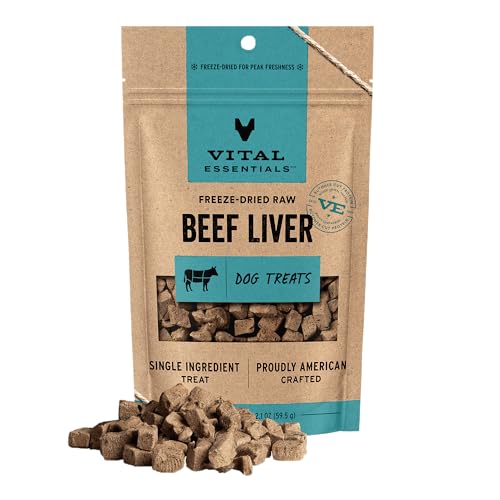
- Limit treats: Treats should make up no more than 10% of your dog's daily calories. Choose healthy options like baby carrots, green beans, or freeze-dried meats.
- Maintain a healthy weight: You should be able to feel your dog's ribs with light pressure and see a defined waist from above. Ask your vet to assess your dog's body condition score at each visit.
Weight Management Tip: If your dog needs to lose weight, your vet can help you develop a safe weight loss plan. Gradual weight loss (1-2% of body weight per week) is the safest and most sustainable approach. For more information, check our guide on dog nutrition and supplements for joint health.
Preventive Care for Senior Dogs
As your dog enters their senior years (typically 7+ years, or 5+ for giant breeds), their health needs change. Geriatric care is about maintaining quality of life and managing age-related conditions proactively.
- Twice-yearly vet visits: Senior dogs benefit from checkups every six months to catch diseases like kidney disease, diabetes, and cancer early.
- Blood work and urinalysis: Comprehensive blood panels and urine tests help monitor organ function and detect problems before symptoms appear.
- Joint health: Arthritis is common in older dogs. Keep your dog at a healthy weight, provide joint supplements (glucosamine, chondroitin), and adjust exercise to low-impact activities. Learn about hip dysplasia and arthritis management.
- Cognitive health: Mental stimulation and socialization are crucial for preventing cognitive decline. Continue training, use puzzle toys, and expose your senior dog to new experiences safely.
- Dental care: Senior dogs are at higher risk of dental disease. Continue daily brushing and schedule professional cleanings as recommended by your vet.
Senior Care Costs: Expect to spend $200–$500 annually on senior wellness exams, blood work, and preventive care. This investment is worthwhile for the extra years of quality life it provides.
Building a Comprehensive Wellness Plan
Creating a structured wellness plan helps you stay organized and ensures you don't miss any important aspects of your dog's care. Here's a template to adapt to your dog's needs:
- Annual Wellness Exam: Schedule and keep a regular appointment with your veterinarian.
- Vaccinations: Stay up-to-date on core vaccines and discuss non-core options with your vet.
- Parasite Prevention: Administer heartworm, flea, and tick preventives year-round.
- Dental Care: Brush teeth daily, provide dental chews, and schedule cleanings as recommended.
- Nutrition: Feed a high-quality, age-appropriate diet in measured portions.
- Exercise: Provide daily physical activity appropriate for your dog's age, breed, and health status.
- Mental Stimulation: Include training, puzzle toys, and social interaction in your dog's routine.
- Grooming: Regularly check ears, eyes, skin, and nails. Brush your dog's coat as needed.
- Pet Insurance: Consider pet insurance or a wellness plan to help manage costs. Many companies offer preventive care add-ons for routine care.
Wellness Plans from Vets: Many veterinary clinics offer wellness plans that bundle preventive services (annual exams, vaccinations, fecal tests, dental cleanings) for a monthly fee. This can simplify budgeting and ensure your dog receives all recommended care. Ask your vet if they offer a plan that fits your needs.
Frequently Asked Questions
- Annual wellness exam: $50–$150
- Vaccinations: $30–$100 per year
- Heartworm prevention: $6–$15 per month
- Flea/tick prevention: $10–$25 per month
- Professional dental cleaning: $300–$800 per year
Total annual preventive care can range from $300 to $1,000 or more. Many pet owners find that pet insurance or wellness plans help manage these costs.
Start Your Dog's Preventive Care Plan Today
Preventive care is the gift of a longer, healthier life for your dog. The best time to start is now — whether your dog is a puppy or a senior. Schedule a wellness exam with your vet, review your dog's vaccination and parasite prevention schedule, and commit to a regular dental care routine. Every step you take today adds quality years to your dog's life. For more resources and product recommendations, check out our dog products section and our guide to essential dog supplies.