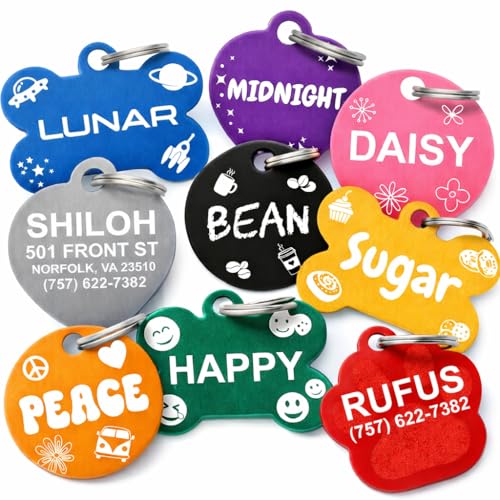
The Complete Guide to Dog Tags: ID, Safety & Best Choices
Every lost dog with proper identification has a 90% higher chance of being reunited with its owner. Learn everything about materials, engraving, safety styles, and how to pick the perfect dog tag for your furry family member.
A dog tag is your pet’s first line of defense if they ever slip out the door or wander off. Unlike microchips that require a vet scanner, a visible ID tag allows any stranger to contact you immediately. In many municipalities, wearing a rabies tag and license is required by law. But beyond legality, a durable, legible dog tag brings peace of mind. Whether you have a new puppy or a senior companion, choosing the right tag matters more than you think.
Dog Tag Materials & Durability
The material affects longevity, readability, weight, and noise. Below we break down the four most common options with real-world pricing so you can decide based on your dog’s lifestyle.
🔩 Stainless Steel
Highest corrosion resistance, extremely durable, and holds deep engraving for years. Ideal for swimming, hiking, and active dogs. Slightly heavier but nearly indestructible. Best all-around choice.
- Rust-proof & hypoallergenic
- Engraving stays legible
- Matte or polished finish
🥉 Brass / Bronze
Classic traditional look, develops a unique patina over time. Durable but can tarnish. Engraving remains crisp. Heavier than aluminum, best for medium/large breeds. Offers vintage aesthetic.
- Classic appearance
- Very tough metal
- May require occasional polishing
🪶 Aluminum
Lightweight, colorful anodized options, affordable. However, it scratches and bends more easily. Good for small dogs or indoor-only dogs, but not recommended for heavy chewers or working dogs.
- Ultra-lightweight
- Wide color range
- Softer metal may wear faster
🔇 Silicone / Plastic (Silent Tags)
Completely silent, no clinking against collar or other tags. Waterproof and flexible. Engraving might fade over time (2-3 years). Perfect for noise-sensitive dogs or owners who prefer quiet.
- Zero jingle noise
- Soft and lightweight
- Less durable than metal
What to Engrave on a Dog Tag
Space is limited, so prioritize the most critical information. The standard recommendation includes:
- Your phone number (preferably mobile) – The #1 most essential detail
- Dog’s name – optional, but helps strangers call your dog calmly
- City & state – helps orient finder
- “Needs medication” or “Reward” – only if applicable
- Medical alert: e.g., “Diabetic,” “Epileptic,” or “Blind” — crucial for proper handling
For dogs with severe anxiety or aggression, some owners prefer to skip the dog’s name and write “CALL (XXX) XXX-XXXX” only. Always use capital letters for readability. Double-sided engraving can double the space, perfect for adding a second phone number or medical notes. Pro tip: check your local laws: rabies tag is mandatory in most states, so attach it alongside your personal ID tag.
Safety-First Features: No-Snag & Breakaway Systems
Standard split rings can get caught in crate wires, fences, or another dog’s mouth, causing injury. Modern dog tags include safety features:
⛓️ Slide-On Tags
These slide directly onto the collar strap without dangling rings. No noise and zero snag risk. Ideal for active breeds, hunting dogs, or dogs that play rough. They stay flush against the collar. Prices range from $12 to $25 depending on material.
🔘 Breakaway / Silent Rivet Tags
Attach via a rivet system that lies flat. Many are made from silicone-coated metal or soft plastic. The tag won’t catch on objects and remains whisper-quiet. Perfect for dogs in multi-dog households.
For extra safety, combine a high-quality collar with a tag that has a reinforced hole. Avoid thin, cheap rings; upgrade to a welded ring or use a rubber silencer if you prefer traditional metal tags. We also recommend checking the attachment point weekly for wear, especially with large breed dogs that exert more force.
Feature Comparison: Classic Metal vs. Smart/QR Tags
| Feature | Traditional Engraved Tag | QR Code / Digital Tag |
|---|---|---|
| No smartphone required | ✅ Yes | ❌ Requires scanner |
| Update information after purchase | ❌ Need re-engraving | ✅ Edit online anytime |
| Works internationally | ✅ Instant visual ID | ✅ Can host multi-language profile |
| Durability | High (metal) | Moderate (plastic QR fading) |
| Best for | Immediate low-tech recovery | Owners wanting digital backup, medical history |
Hybrid solution: many owners choose a traditional stainless steel tag on one side and add a small QR code tag on the same ring. This combines instant phone number visibility with a digital database for medical allergies or vet contacts.
How to Choose the Right Dog Tag for Your Breed & Lifestyle
Consider these factors before buying:
- Dog size & weight: Toy breeds (Toy dog breeds) need mini tags (under 1 inch). Giant breeds can carry larger tags.
- Activity level: Hikers and swimmers require stainless steel or titanium. Lightly active dogs can use aluminum or plastic.
- Noise sensitivity: Silent tags are ideal for nervous dogs or if you dislike jingling.
- Legal requirements: Rabies tag must be attached separately; many counties also require license tag.
If you’re still preparing for a new puppy, order a lightweight tag first (they grow fast) but keep it functional. For senior dogs, opt for high-contrast engraving (e.g., black-filled letters on bright metal).
Maintenance Tips to Extend Tag Life
Check the tag every month for worn lettering, loose rings, or scratches. Clean metal tags with mild soap and a soft cloth; use a toothbrush for engraving grooves. For aluminum tags, clear nail polish can seal the engraving. Replace immediately if the hole elongates – that’s a sign the tag could slip off during an adventure. Also consider using a GPS tracker as a secondary layer, but never skip the classic ID tag because batteries die.
Frequently Asked Questions About Dog Tags
Your dog depends on you to be their advocate. A sturdy, clearly engraved dog tag costs less than a vet visit and can bring them home faster than you imagine. Pair it with consistent training, a reliable leash, and proper daily care, and you’ll build a safety net that works 24/7. If you’re shopping for a new tag, check out our product recommendations below — all curated from trusted brands that prioritize safety and durability.