Dog Training Collars: A Complete Guide to Types, Usage & Safety
Choosing the right training collar is crucial for effective communication and safety. This guide explains different collar types, their uses, and essential safety tips to help you make an informed decision.
Understanding Training Collars
Training collars are more than just a fashion accessory for your dog. They are a critical tool for communication, control, and safety, especially during walks and training sessions. However, not all collars are created equal, and choosing the wrong type can be ineffective or even harmful. This guide breaks down the most common types of training collars, their intended uses, and how to use them safely.
When used correctly, a training collar helps you guide your dog, reinforce commands, and manage unwanted behaviors. The key is to understand the purpose and limitations of each type. For a broader understanding of dog training principles, you may also find our guide on dog training basics helpful.
Types of Dog Training Collars
Flat Buckle Collar
Best for: Everyday use, ID tags, light leash walking.
Description: A simple, classic collar with a buckle or quick-release clip. It's the most common collar used for attaching identification and a leash. It provides basic control but offers little correction for pulling.
$10 – $30Martingale Collar
Best for: Dogs who slip out of collars (like greyhounds), moderate pulling.
Description: A limited-slip collar that tightens gently when the dog pulls, preventing escape without choking. It's a humane alternative to choke chains, providing better control for dogs with narrower heads.
$15 – $40Slip Collar (Choke Chain)
Best for: Advanced training, experienced handlers only.
Description: A metal chain or nylon loop that tightens around the dog's neck when pulled. It can be effective for correction but is easy to misuse and can cause injury. Its use is heavily discouraged by many modern trainers.
$10 – $25Prong Collar (Pinch Collar)
Best for: Strong, large dogs, specific training situations.
Description: A collar with prongs that pinch the dog's neck when pulled. It simulates the "mother's bite" and can be an effective tool for strong pullers. However, it's controversial and requires professional fitting and instruction to avoid injury.
$20 – $50E-Collar (Remote Training Collar)
Best for: Off-leash training, long-distance commands.
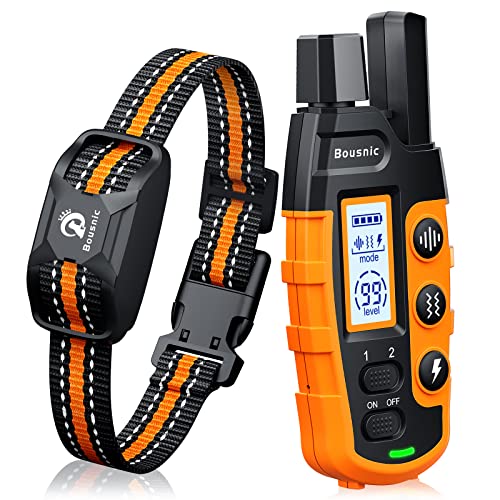
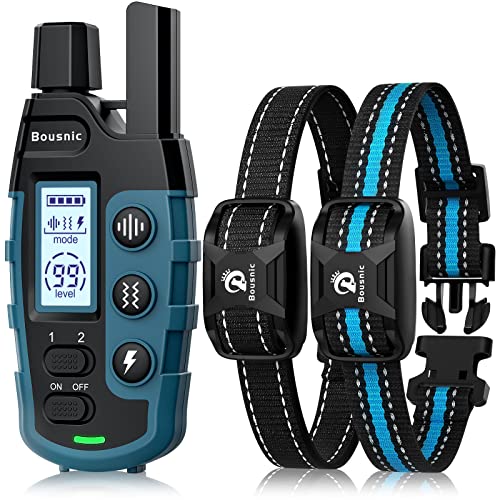
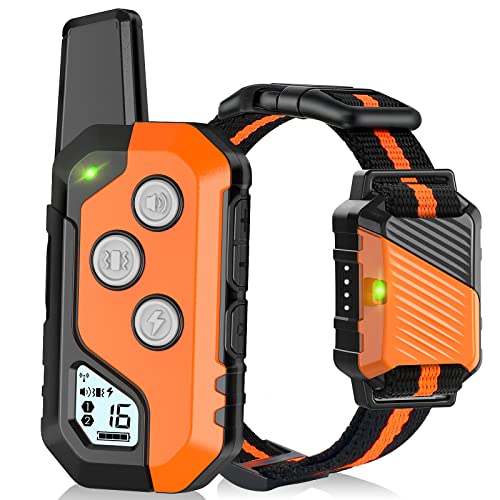
Description: A collar with a receiver that delivers a stimulus (static shock, vibration, or tone) via a remote control. Used primarily for recall and off-leash work. Requires professional guidance and is considered an aversive tool by many.
$150 – $400Head Halter
Best for: Strong pullers, reactive dogs.
Description: A halter that fits over the dog's head and snout, controlling the direction of the head. It gives you control over the dog's entire body by leading their nose. It's a humane, no-pull solution when introduced properly.
$25 – $60Safety & Proper Use
Using a training collar incorrectly can lead to physical injury, fear, and aggression. It is essential to understand how to fit and use each collar type safely. Always start with the least aversive tool and escalate only under the guidance of a professional trainer. For your dog's overall well-being, a solid foundation in positive reinforcement is always recommended.
- Proper Fitting: A collar should be snug enough that it won't slip off but loose enough to comfortably fit two fingers between the collar and the dog's neck.
- Never Leave a Training Collar On Unsupervised: Collars like prongs and e-collars can get caught on objects and cause choking or injury.
- Start Positive: Use positive reinforcement methods like treats and praise alongside the collar. The collar is a tool for guidance, not punishment.
- Professional Guidance: If you're unsure about how to use a specific collar, consult a certified dog trainer. They can show you the proper technique and help you avoid common mistakes.
Key Takeaway on Safety: The most effective training doesn't come from a collar, but from a trusting relationship. Use these tools as a supplement to clear communication and positive reinforcement, not as a primary method of control.
Understanding your dog's behavior and needs is paramount. If you are dealing with specific issues like excessive barking or pulling, check out our specialized guides on topics like how to stop excessive barking and how to train a dog to walk on a leash.
How to Choose the Right Collar
Selecting the perfect training collar depends on your dog's size, strength, temperament, and your training goals. Here’s a simple breakdown to help you decide:
- For Puppies and Small Dogs: A flat collar or a well-fitted martingale is ideal. These collars are gentle and provide enough control for basic training without risking injury to their delicate necks.
- For Strong Pullers: Consider a front-clip harness or a head halter. These are humane and effective at redirecting your dog's pulling force. A martingale collar can also be a good option.
- For Dogs That Slip Their Collars: A martingale collar is specifically designed to prevent dogs from backing out of their collar.
- For Off-Leash Training: An e-collar may be useful for long-distance recall, but only after the dog understands the command and under the guidance of a professional.
Before committing to a collar, it's often helpful to try different types to see what works best for your dog. You can also explore our guide on dog training classes, which can provide a structured environment for you and your dog to learn together.
Remember, the collar is just one part of the puzzle. A comprehensive approach to dog training and behavior is the most sustainable path to success. For more information, you can also read our articles on dog behavior and dog muzzles for additional safety and management strategies.