Dog Gear: The Complete Equipment Guide
From harnesses and leashes to crates, beds, and travel gear — learn how to choose the right equipment to keep your dog safe, comfortable, and well-behaved in every situation.
The right dog gear makes daily life safer and more enjoyable for both you and your dog. A well-fitted harness prevents throat injuries from pulling, a crash-tested car restraint protects your dog in an accident, and a properly sized crate gives your dog a secure den to relax in. Conversely, poorly chosen equipment can cause chafing, escape attempts, injury, or behavioral problems.
This guide covers every category of dog gear you will need throughout your dog's life. Whether you are outfitting a new puppy or upgrading equipment for a senior dog, you will find practical guidance on what to look for, what to avoid, and how to match gear to your dog's size, breed, and lifestyle. If you already know what you need, browse our dog products section for curated recommendations.
Key Principle: The best dog gear is the gear that fits your individual dog — not the most expensive or the most popular option. Always prioritize fit, safety, and durability over appearance or trends.
Harnesses & Leashes
A harness distributes pressure across your dog's chest and shoulders rather than concentrating it on the throat. For dogs that pull, flat collars can cause tracheal damage, and for small breeds even mild pulling can be dangerous. Choosing the right harness type depends on your dog's build and walking behavior.
Back-Clip Harness
Leash attachment sits between the shoulder blades. Best for calm dogs that do not pull, or for dogs with sensitive throats. Simple to put on and comfortable for casual walks. Not effective for pullers because it encourages forward momentum.
Entry-levelFront-Clip Harness
Leash attaches at the chest. When your dog pulls, the leash gently redirects them sideways, discouraging pulling without pain. Excellent for training loose-leash walking. May require a short adjustment period for dogs used to back-clip styles.
Mid-rangeNo-Pull Training Harness
Combines front and back attachment points with padded straps and sometimes a martingale loop. Designed specifically for strong pullers and dogs in training. Offers the most control while remaining humane. Slightly more complex to fit correctly.
PremiumStep-In Harness
Your dog steps into the harness and it clips on the back. Ideal for small dogs and dogs that dislike having gear pulled over their head. Quick to put on for short walks. Less adjustable than strap-style harnesses, so sizing must be precise.
Mid-rangeStandard Leash (4–6 ft)
The everyday walking leash. Six feet offers freedom to sniff while maintaining control; four feet is better for busy sidewalks and training. Look for strong stitching, a comfortable handle, and a secure clip. Nylon and leather are the most durable materials.
Entry-levelRetractable Leash
Allows variable length for sniffing and exploration. Convenient in open areas but risky near roads, other dogs, and in training contexts. Not recommended for pullers or puppies learning leash manners because constant tension teaches dogs to pull.
Mid-rangeLong Line (15–30 ft)
Used for recall training and supervised outdoor exploration. Gives your dog freedom while keeping them connected. Essential for teaching reliable recall before off-leash privileges. Choose lightweight biothane or nylon that won't tangle easily.
Mid-rangeDouble Leash / Coupler
Walks two dogs on one handle. Useful for multi-dog households, though dogs must be compatible walkers. Look for swivel clips to prevent tangling and a sturdy handle that accommodates two dogs' combined pulling strength.
Mid-rangeFitting Tip: A harness should allow two fingers to slide under every strap. Check for chafing behind the front legs after the first few walks. If your dog tries to back out of the harness, it is either too loose or the wrong style for their body shape.
For dogs that pull strongly, pair a front-clip harness with a 4–6 foot leash and reward loose walking with treats. Avoid attaching a leash to both the collar and harness simultaneously, as this can confuse your dog and create uneven pressure.
Collars & ID Tags
Even if you walk your dog in a harness, every dog should wear a collar with identification. Collars are the fastest way for a stranger to read your dog's ID tag if they become lost. The collar itself does not need to be the primary walking attachment point.
- Flat nylon or leather collar: The everyday standard. Comfortable, durable, and easy to clean. Buckle or quick-release clasp. Ensure it is snug enough that it cannot slip over the head but loose enough to slide two fingers underneath.
- Martingale collar: Designed for dogs with narrow heads (Greyhounds, Whippets, some Collies) that can slip out of standard collars. Tightens gently when tension is applied but releases immediately when slack. Must be fitted correctly to avoid over-tightening.
- Breakaway collar: Releases under pressure to prevent strangulation if the collar catches on something. Ideal for cats and for dogs that play roughly or spend time in fenced yards with obstacles. Not suitable as a walking attachment point.
- ID tags: At minimum, include your dog's name and your phone number. Consider adding a second tag with a backup number or "microchipped" notation. Stainless steel and silicone tags are the most durable. Check tags monthly for wear on the ring.
Safety Note: Never use a collar as the primary restraint for a dog that pulls. Collar pulling concentrates force on the trachea and can cause permanent damage over time. Use a harness for walking and reserve the collar for identification.
Crates & Containment
A crate is not a cage — it is a den. Dogs are naturally den animals, and a properly introduced crate becomes a safe space where your dog can rest, chew, and decompress. Crates are also essential for crate training, safe travel, and preventing destructive behavior when you cannot supervise.
Crate Types
- Wire crate: Affordable, ventilated, and collapsible. Best for home use and training. Includes a divider panel for growing puppies. Not ideal for escape artists or dogs with crate anxiety.
- Plastic travel crate: Enclosed and secure. Required for most airline travel. Provides a cozy den feel but offers less ventilation than wire. Harder to clean. Choose one approved by the International Air Transport Association (IATA) for flights.
- Soft-sided crate: Lightweight and portable. Ideal for travel, camping, and hotel stays. Not suitable for dogs that chew or scratch aggressively. Offers less structural security than wire or plastic.
- Heavy-duty crate: Reinforced steel or aluminum construction for dogs that have escaped standard crates. Higher cost tier but necessary for some strong, determined dogs. Often used for separation anxiety cases under professional guidance.
Sizing Your Crate
Your dog should be able to stand up without crouching, turn around, and lie down stretched out. Measure your dog's height from floor to the top of their head (add 2–4 inches) and their length from nose to base of tail (add 2–4 inches). For puppies, choose a crate sized for their adult weight and use a divider panel to reduce the space while they grow.
A crate that is too large can undermine potty training, because puppies are less likely to soil their sleeping area if the space is appropriately sized.
Other Containment Gear
- Dog gates: Keep your dog out of certain rooms or block stairways. Pressure-mounted gates work for most dogs; hardware-mounted gates are needed for strong dogs or at the top of stairs.
- Exercise pens (x-pens): Freestanding enclosures for puppies and small dogs. Useful for supervised outdoor time, creating a safe zone in an open floor plan, or separating dogs during meals.
- Dog fences: Physical or electronic fencing for yard containment. Physical fences are always more reliable than electronic systems, which require training and are not suitable for every dog. Never rely solely on an electronic fence for a dog with high prey drive.
Beds & Comfort
Dogs sleep 12–14 hours per day on average, and seniors may sleep even more. A supportive bed protects joints, regulates temperature, and gives your dog a sense of ownership over their resting space. The right bed depends on your dog's age, size, and sleeping style.
Flat Mat / Pad
Simple, low-profile cushioning. Best for dogs that sprawl out or prefer hard surfaces. Easy to move between rooms and wash. Offers minimal joint support. Good for crates and travel.
Entry-levelBolster Bed
Raised edges provide a headrest and a sense of security. Ideal for dogs that like to curl up or lean against something. Popular for small breeds and anxious dogs. Choose one with removable, washable covers.
Mid-rangeOrthopedic Memory Foam Bed
Supports joints and pressure points. Recommended for senior dogs, large breeds, and dogs with arthritis. Look for high-density foam that does not flatten quickly. More expensive but significantly improves comfort for aging dogs.
PremiumElevated Cot / Raised Bed
Keeps your dog off hot pavement, cold floors, and damp ground. Breathable and easy to clean. Ideal for outdoor use, camping, and warm climates. Offers no joint cushioning, so pair with a pad for older dogs.
Mid-rangeHeated Bed
Provides warmth for senior dogs, small breeds, and dogs in cold climates. Some models are self-warming; others plug in. Choose a pet-specific heating pad with chew-resistant cords and a low-temperature setting to prevent burns.
PremiumBurrow / Cave Bed
Enclosed or hooded design for dogs that like to burrow under blankets. Provides security and warmth. Not ideal for dogs that chew fabric or prefer to stretch out. Machine-washable options are easier to maintain.
Mid-rangeChoosing a Bed: Watch how your dog sleeps. Curlers prefer bolster beds; sprawlers prefer flat mats or orthopedic beds; burrowers like cave beds. Place the bed where your dog naturally chooses to rest rather than forcing them to use a location they avoid. Wash covers regularly — a dirty bed can harbor allergens and parasites.
Travel & Car Safety Gear
An unrestrained dog in a moving vehicle is a danger to themselves, to you, and to other drivers. In a sudden stop at just 35 mph, an unrestrained 60-pound dog can become a projectile with the force of a large boulder. Restraining your dog is not optional — it is a safety requirement.
- Crash-tested car harness: A harness designed specifically for vehicle travel, with attachment points that connect to the seat belt. Must be crash-tested by an independent organization to be trusted. Never use a walking harness as a car restraint unless it has been specifically crash-tested.
- Dog car seat: A raised seat that keeps small dogs contained and elevated so they can see out. Must be secured with the vehicle's seat belt or LATCH system. Best for small breeds and dogs that are anxious in cars.
- Car seat belt / tether: A short tether that connects your dog's harness to the seat belt buckle. Should be just long enough for your dog to sit or lie down, but short enough to prevent them from reaching the front seat. Always attach to a harness, never to a collar.
- Dog carrier: A hard-sided or soft-sided carrier for small dogs. Must be secured with a seat belt when in the car. Choose one that is well-ventilated and large enough for your dog to stand and turn around.
- Dog stroller: Useful for senior dogs, injured dogs, or small dogs in crowded areas. Not a substitute for walking, but helpful for transporting a dog that cannot walk long distances.
- Dog backpack / carrier backpack: For hiking and outdoor adventures with small dogs. Must be sized correctly and distribute weight evenly. Not recommended for long periods or for dogs that are uncomfortable being confined.
Crash-Testing Matters: Not all car restraints are crash-tested. Look for products certified by the Center for Pet Safety or that have passed independent crash testing. A product labeled "for pets" is not necessarily safe in a collision. When in doubt, use a secured crate that has been crash-tested for vehicle travel.
Travel Gear Checklist
- Water bottle and portable bowl: Dogs dehydrate quickly during travel. Bring water from home to avoid stomach upset from unfamiliar water.
- Collapsible crate or travel mat: Gives your dog a familiar resting place in unfamiliar environments.
- ID tags and microchip: Ensure your dog's microchip information is up to date before traveling. Add a temporary travel tag with your destination contact information.
- First aid kit: A dog first aid kit is essential for road trips and outdoor adventures. Include gauze, antiseptic, tweezers, and a digital thermometer.
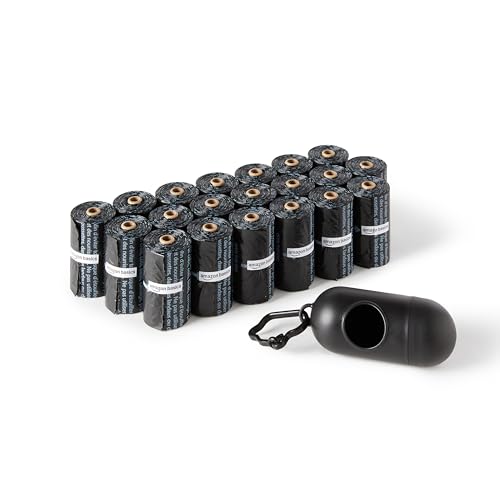
- Waste bags and cleaning supplies: Accidents happen. Pack enzyme cleaner, paper towels, and extra waste bags.
- Familiar food and treats: Sudden diet changes during travel can cause digestive upset. Bring enough food for the entire trip plus extra.
Training Gear & Toys
Training gear should support positive reinforcement and clear communication. The right tools make training easier; the wrong tools can create fear, confusion, or physical harm. Modern, ethical training relies on rewards, not aversive equipment.
- Treat pouch: Keeps rewards accessible during training and walks. Look for a clip-on pouch with a magnetic or drawstring closure that can be opened with one hand. A treat pouch is one of the most underrated pieces of training gear.
- Training treats: Small, high-value treats that can be given quickly without disrupting training flow. Soft treats work best for rapid repetition. Reserve the highest-value treats for recall and new behaviors. See our guide to dog training treats for selection tips.
- Clicker: A small, inexpensive tool that marks the exact moment your dog performs the desired behavior. Clicker training is highly effective for shaping new behaviors and communicating precisely. Pair with treats for best results.
- Long line: Essential for teaching recall and giving your dog freedom before off-leash reliability is established. A 15–30 foot lightweight line allows your dog to explore while you retain control.
- Puzzle toys and food-dispensing toys: Provide mental stimulation and slow down fast eaters. Great for rainy days and for dogs that need to burn mental energy. Rotate toys to maintain novelty.
- Chew toys: Appropriate chew toys satisfy your dog's natural urge to chew and protect your furniture. Choose toys sized for your dog's mouth — toys that are too small can be swallowed, and toys that are too hard can crack teeth.
- Tug toys: Great for interactive play and for teaching "drop it." Tug is not inherently aggressive — it is cooperative play when rules are established. Choose durable fabrics and supervise play.
What to Avoid: Prong collars, choke chains, and electronic shock collars are aversive tools that cause pain or fear. Modern professional organizations, including the American Veterinary Society of Animal Behavior, recommend against their use. They can suppress behavior temporarily but often create anxiety, aggression, and a damaged relationship with the handler. Invest in positive reinforcement training instead.
Grooming Tools
Grooming tools are dog gear too — and essential ones. Regular grooming prevents matting, detects skin problems early, and keeps your dog comfortable. The tools you need depend on your dog's coat type.
| Coat Type | Essential Tools | Grooming Frequency | Notes |
|---|---|---|---|
| Short & Smooth | Rubber curry brush, bristle brush, nail clippers | Weekly brushing; nails every 2–4 weeks | Low maintenance. Bathe every 2–3 months. |
| Double Coat | Undercoat rake, slicker brush, deshedding tool, nail clippers | 2–3 times weekly; daily during shedding season | Never shave. Undercoat regulates temperature year-round. |
| Long Coat | Slicker brush, metal comb, detangling spray, nail clippers, scissors | Daily brushing; professional grooming every 4–6 weeks | Matting is painful and can cause skin infections. Keep hair trimmed around eyes and paws. |
| Curly Coat | Slicker brush, metal comb, detangling spray, nail clippers | 3–4 times weekly; professional grooming every 4–6 weeks | Matting forms quickly. Never brush a dry, matted coat — use detangler or have a groomer remove mats. |
| Wire Coat | Stripping knife or clippers, slicker brush, comb | 2–3 times weekly; professional grooming every 4–6 weeks | Hand-stripping maintains coat texture. Clipping softens the coat over time. |
Beyond brushes and combs, every dog owner needs nail clippers (scissor-style or guillotine-style), styptic powder for accidental bleeds, dog-safe shampoo, ear cleaner, and a dog toothbrush with enzymatic toothpaste. A dog dryer is useful for double-coated and long-coated breeds that take a long time to air-dry.
Seasonal & Outdoor Gear
Your dog's gear needs change with the seasons. Extreme temperatures, rough terrain, and outdoor hazards require specialized equipment to keep your dog safe.
- Winter coat and booties: Small, short-coated, and senior dogs benefit from insulated coats in cold weather. Booties protect paws from ice, salt, and frozen debris. Measure paw width accurately — ill-fitting booties cause blisters and falls.
- Cooling vest and cooling mats: For hot climates and heat-sensitive breeds. Cooling vests work by evaporation or phase-change materials. Always supervise and never rely solely on cooling products in extreme heat.
- Paw protection balm: Protects paw pads from hot pavement, rough terrain, and ice. Apply before walks in extreme conditions. Not a substitute for booties on very hot days — if the pavement is too hot for your hand, it is too hot for your dog's paws.
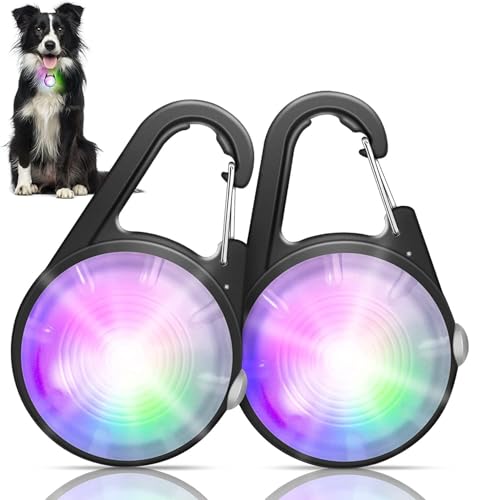
- Reflective gear and LED lights: Essential for walks in low light. Reflective harnesses, leashes, and collar lights make your dog visible to drivers. Choose USB-rechargeable LED collars for nighttime visibility.
- Canine life preserver: Required for boating and recommended for swimming in open water. Must be properly fitted with a handle for lifting your dog out of the water. See our guide to canine life preservers for fitting tips.
- Dog GPS tracker: Attaches to the collar and provides real-time location tracking. Useful for dogs that escape or for off-leash hikes in unfamiliar areas. Requires a subscription in most cases. See our guide to dog trackers.
How to Choose Quality Gear
Dog gear ranges from entry-level basics to premium, specialist equipment. Price does not always correlate with quality, but there are reliable indicators of good construction and safety.
What to Look For
- Reinforced stitching: Check stress points — where the leash attaches, where straps meet, and around buckles. Weak stitching is the most common point of failure.
- Quality hardware: Metal buckles and clips (stainless steel or aluminum) are more durable than plastic. Look for welded D-rings rather than split rings. Avoid sharp edges that can cut into webbing.
- Adjustability: Multiple adjustment points allow a custom fit. A harness with only two adjustment points may not fit your dog's unique shape properly.
- Breathable, padded materials: Padding prevents chafing, but thick padding can trap heat. Look for breathable mesh padding in warm climates and fleece-lined padding for cold weather.
- Washability: Gear gets dirty. Removable, machine-washable covers on beds and easy-to-rinse harnesses make maintenance practical.
- Independent safety testing: For car restraints, look for crash-test certification. For life preservers, look for testing by organizations like Underwriters Laboratories (UL) or the Coast Guard.
What to Avoid
- Suspiciously low-cost gear with no branding or contact information. Quality control is often absent in unbranded products, and failures can be dangerous.
- Gear that is too tight or too loose. A harness that restricts shoulder movement can cause gait abnormalities. A collar that slips off is a lost dog waiting to happen.
- Aversive training equipment. Prong collars, choke chains, and shock collars cause pain and fear. They are not necessary for training and can create lasting behavioral problems.
- Unsecured car restraints. A harness that is not crash-tested may fail in an accident. If you cannot verify crash testing, use a secured crate instead.
Gear Tier Guide: Entry-level gear covers basic needs for calm dogs and light use. Mid-range gear offers better materials, adjustability, and durability for daily use. Premium gear provides specialist features, superior construction, and independent safety testing for active dogs, working dogs, or dogs with specific needs. Choose the tier that matches your dog's lifestyle — not every dog needs premium gear, but every dog deserves well-fitted, safe gear.
Frequently Asked Questions
Ready to Outfit Your Dog?
Start with the essentials: a well-fitted harness, a comfortable leash, a properly sized crate, and a supportive bed. Add travel restraints, grooming tools, and training gear as your needs evolve. Every piece of gear should serve a purpose — safety, comfort, or training — and should fit your dog correctly. If you are preparing for a new puppy, our puppy supplies checklist will help you avoid overbuying and focus on what matters. For a curated selection of quality products, explore our dog products section. Your dog relies on you for everything — investing in the right gear is one of the simplest ways to keep them safe and comfortable every day.