Dog Anxiety: Complete Guide to Causes, Symptoms & Proven Treatments
Learn how to recognize anxious behavior, reduce your dog's stress, and choose the right calming solutions — from behavior modification to the best anxiety relief products.
Just like humans, dogs experience anxiety — a feeling of fear, dread, or unease that can be triggered by various situations. Chronic anxiety not only affects your dog's quality of life but can also lead to destructive behavior and health problems. Understanding the root of your dog's stress is the first step toward helping them feel safe. If you're also dealing with other dog behavior issues, anxiety often plays a hidden role. Let's explore how to recognize and treat anxiety effectively.
What Is Dog Anxiety?
Canine anxiety is an excessive and persistent stress response to real or perceived threats. Unlike short-term fear (like a sudden loud noise), anxiety involves anticipation of future danger. Anxious dogs may show physical and behavioral changes that interfere with normal functioning. Left untreated, anxiety can worsen over time and lead to destructive behavior, self-harm, or aggression. Fortunately, most anxiety disorders in dogs are manageable with the right combination of training, environmental changes, and professional support.
🐾 Did you know? Approximately 70% of dogs show at least one sign of anxiety, with separation anxiety being the most common. Early intervention leads to better outcomes.
Root Causes of Canine Anxiety
- Lack of early socialization: Puppies who miss the critical socialization window (3–14 weeks) often become fearful adults. Read our puppy socialization guide to prevent this.
- Traumatic experiences: Past abuse, accidents, or negative encounters can leave lasting emotional scars.
- Genetic predisposition: Some breeds are naturally more prone to anxiety (e.g., German Shepherds, Border Collies, Bichon Frises).
- Medical conditions: Pain, thyroid disorders, or neurological issues can mimic or trigger anxiety. Always rule out health problems with a vet.
- Environmental changes: Moving homes, new family members, or loss of a companion can induce anxiety.
- Insufficient exercise & mental stimulation: Boredom and pent-up energy often manifest as anxious behaviors. Check daily exercise needs and mental stimulation ideas.
💡 Tip: Consistent daily routines help anxious dogs feel secure. Feed, walk, and play at the same times each day. Provide a safe "den" like a covered crate — read crate training tips to make it a positive space.
Common Symptoms & Body Language of Anxious Dogs
Anxiety manifests in many ways. Learn to read the subtle signs before they escalate:
- Vocalization: Excessive barking, whining, howling (especially when left alone).
- Destructive acts: Chewing furniture, scratching doors, digging holes — often near exit points.
- Pacing & restlessness: Unable to settle, circling, or trembling.
- Panting & drooling: Even when not hot or exercised.
- Accidents indoors: House-trained dogs suddenly urinating or defecating due to distress.
- Body language: Tucked tail, ears pinned back, whale eye (showing whites of eyes), lip licking, yawning.
- Compulsive behaviors: Excessive licking, tail chasing, or air snapping.
Understanding dog body language is crucial to recognize anxiety early and intervene effectively.
Types of Anxiety in Dogs
Separation Anxiety
Most common type. Distress when left alone, often leading to howling, destructive escape attempts, and self-injury. Requires gradual desensitization and independence training.
Common in rescue dogsNoise Phobia
Intense fear of thunderstorms, fireworks, or vacuum cleaners. Dogs may hide, shake, or panic. Sound desensitization and safe hiding spots help.
Affects up to 40% of dogsSocial Anxiety
Fear of unfamiliar people, dogs, or crowded places. Often linked to lack of socialization. Counter-conditioning with positive reinforcement is key.
Manageable with trainingAge-Related Anxiety
Senior dogs with canine cognitive dysfunction (dog dementia) may become confused, restless, and anxious at night. Veterinary support and enrichment help.
Senior dog careTravel Anxiety
Fear of car rides, often due to motion sickness or previous negative experiences. Gradual desensitization and calming aids can reduce stress.
Use dog car harness for safetyGeneralized Anxiety
Chronic, low-level anxiety without a specific trigger. May require lifelong management including medication and routine.
Consult a behavioristHow to Diagnose Dog Anxiety
Start with a thorough veterinary exam to rule out medical causes (pain, thyroid imbalance, neurological issues). Your vet may recommend blood work, urine analysis, or imaging. If no physical illness is found, ask for a referral to a veterinary behaviorist or certified applied animal behaviorist. They will evaluate your dog’s history, triggers, and responses to create a tailored treatment plan. Keeping a log of anxiety episodes (time, duration, triggers) helps diagnosis.
Behavior Modification & Training Techniques
Behavioral interventions are the cornerstone of anxiety treatment. The goal is to change your dog's emotional response to triggers using positive, force-free methods.
- Desensitization & Counter-Conditioning: Gradually expose your dog to the trigger at a very low intensity (e.g., playing thunder sounds softly) while pairing it with high-value treats. Over many sessions, increase intensity only when your dog stays calm. This is best done with professional guidance.
- Create a Safe Space: Set up a cozy crate or a quiet room with soft bedding, calming music, and an anxiety wrap like a ThunderShirt. Use the space during non-stressful times too.
- Build Independence: For separation anxiety, practice short departures (seconds) and reward calm behavior. Gradually extend time. Never punish returning — it increases anxiety.
- Teach "Relaxation" Cues: Train a "settle" or "mat" command using positive reinforcement. Reward your dog for lying down calmly. This becomes a go-to behavior when anxiety rises.
- Increase Exercise & Enrichment: A tired dog is generally less anxious. Ensure adequate physical exercise and daily mental stimulation (puzzle toys, nose work).
🐕 Professional help: If your dog’s anxiety is severe or you're not seeing progress, search for a certified dog behaviorist who uses science-based methods. Avoid trainers who use punishment — it worsens anxiety.
Calming Products That Actually Work
When combined with training, the right products can significantly reduce anxiety. Below are vet-recommended categories with current market prices.
Anxiety Wraps (ThunderShirt)
Provides gentle, constant pressure like swaddling. Effective for noise phobia, travel anxiety, and general nervousness. Washable and reusable.
$40–$55Pheromone Diffusers (Adaptil)
Synthetic dog-appeasing pheromone that calms puppies and adult dogs. Plug-in diffuser covers up to 700 sq ft. Works well for separation anxiety.
$25–$45 (30-day refill)Calming Chews & Supplements
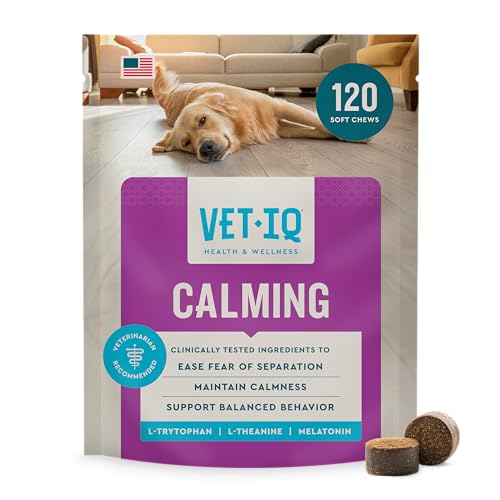
Contain L-theanine, chamomile, melatonin, or CBD (check local laws). Great for situational anxiety like thunderstorms or vet visits. Choose high-quality supplements.
$20–$50 (30-day supply)Interactive Puzzle Toys
Redirect anxious energy and provide mental distraction. Snuffle mats, treat-dispensing balls, and sliding puzzles keep dogs busy while you're away.
$15–$35Calming Music & White Noise
Specifically composed dog relaxation music or white noise masks scary sounds like thunderstorms. Many free YouTube channels available.
Free – $10 for appsAnxiety Vests & Bandanas
Lightweight pressure wraps that can be worn all day. Some are infused with calming lavender scents.
$25–$40You'll find many of these products and more in our dog products section, especially the best calming products for dogs and pheromone diffuser reviews.
When to Consider Anxiety Medication
For moderate to severe anxiety that doesn't respond to behavior modification alone, veterinary-prescribed medication can be life-changing. Common options include SSRIs (fluoxetine, sertraline) for generalized anxiety, and short-acting drugs (trazodone, alprazolam) for predictable triggers like fireworks. Medication is not a cure but a tool to lower anxiety enough for training to work. It often takes 4–6 weeks to see effects. Always consult a veterinarian — never use human medications.
⚠️ Caution: Never give your dog over-the-counter human anxiety drugs (like Xanax or Valium) without veterinary supervision. Dosages and risks differ greatly.
Natural Remedies & Lifestyle Changes
- Massage & TTouch: Gentle circular touches can lower cortisol levels. Learn basic canine massage techniques.
- Aromatherapy: Lavender and chamomile essential oils (diffused, never applied directly) may have mild calming effects. Ensure oils are pet-safe.
- Regular Routine: Dogs thrive on predictability. Keep feeding, walking, and bedtime consistent.
- Dietary Adjustments: Some dogs benefit from L-tryptophan or omega-3 fatty acids. Discuss with your vet.
- Doggy Daycare or Pet Sitter: For separation anxiety, don't leave your dog alone for long hours. Consider a trusted sitter.
Prevention Tips: Raising a Confident Dog
Preventing anxiety is easier than treating it. Focus on early socialization, positive exposure, and building resilience from puppyhood. Our puppy guide covers the first critical months, but adult dogs can also benefit from gradual desensitization.
- Socialize early and often: Introduce your puppy to various people, dogs, sounds, surfaces, and environments before 14 weeks of age. Keep experiences positive.
- Never punish fear: Punishment increases anxiety. Instead, redirect and reward calm behavior.
- Teach independence: Encourage your dog to stay alone for short periods starting as a puppy. Provide a safe chew toy.
- Regular vet checkups: Early detection of medical issues prevents pain-induced anxiety. Follow vaccination schedules and wellness exams.
- Provide mental & physical outlets: A well-stimulated dog is less prone to anxious behaviors. Consider agility training or trick training for confidence building.
Frequently Asked Questions About Dog Anxiety
🐶 You are not alone. Dog anxiety is treatable, and millions of pet parents successfully manage it every day. Start with a vet visit, then implement small changes like increasing exercise, using calming products, and practicing positive training. Your calm, consistent support is the most powerful medicine.