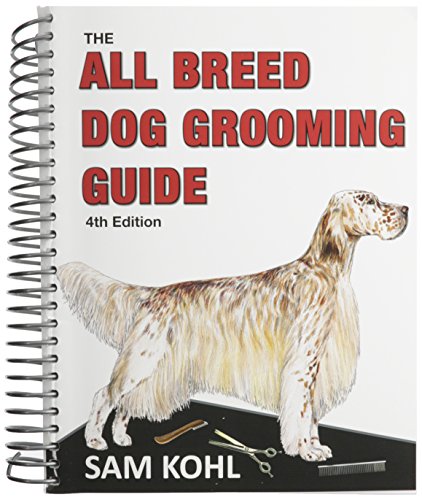
Complete Dog Grooming Guide
Master essential grooming skills: from bathing and brushing to nail care, ear cleaning, and dental hygiene. Keep your dog healthy, comfortable, and looking great.
Regular grooming is not just about keeping your dog looking beautiful – it's a cornerstone of preventive health care. A consistent grooming routine allows you to spot skin problems, lumps, parasites, or injuries early, often before they become serious. Moreover, proper grooming prevents painful matting, ear infections, dental disease, and overgrown nails that can alter your dog's gait and cause joint stress. Whether you have a low‑shedding small dog breed or a fluffy large breed, this guide will teach you professional techniques you can safely perform at home.
Why Regular Grooming Matters
Health Benefits
- Early detection of lumps, ticks, or skin infections
- Prevents painful matting and hair tangles
- Reduces risk of ear infections (especially in floppy‑eared breeds)
- Prevents dental disease, which affects heart & kidney health
- Keeps nails at proper length to avoid orthopedic issues
Behavior & Bonding
- Builds trust and positive handling experiences
- Reduces anxiety during vet exams or professional grooming
- Minimizes shedding and allergens in your home
- Improves coat shine and skin health
Essential Dog Grooming Tools
Investing in quality tools makes grooming safer and more enjoyable. Below are must‑have items for every dog owner, with recommendations based on professional groomers' preferences.
- Slicker brush – removes loose fur, mats, and tangles; ideal for medium to long coats.
- Undercoat rake – essential for double‑coated breeds like Huskies, Golden Retrievers, and Mastiff breeds.
- Stainless steel comb – checks for remaining tangles and removes debris.
- Dog nail clippers (guillotine or scissor type) or a rotary nail grinder.
- Styptic powder or cornstarch – stops bleeding if you cut the quick.
- Dog‑specific shampoo & conditioner (pH‑balanced for canine skin).
- Ear cleaning solution and cotton balls/gauze.
- Enzymatic dog toothpaste and a soft toothbrush or finger brush.
- Non‑slip bath mat and a handheld shower sprayer.
Grooming Requirements by Coat Type
Different coat types demand different care routines. Matching your approach to your dog's natural coat structure reduces stress and keeps the coat healthy.
Short & Smooth Coats
Examples: Boxers, Beagles, Dalmatians, most terrier breeds (smooth). Brush weekly with a rubber curry mitt or bristle brush. Bathe every 2–3 months. They shed year‑round but are low‑maintenance.
Double Coats
Examples: Golden Retrievers, German Shepherds, Huskies. Brush 2–3 times weekly (daily during shedding seasons). Never shave a double coat – it ruins insulation and regrowth. Use an undercoat rake.
Long & Silky Coats
Examples: Shih Tzu, Yorkshire Terrier, Afghan Hound. Daily brushing to prevent mats. Professional trim every 4–6 weeks. Regular face, paw, and sanitary trims needed.
Curly & Wool Coats
Examples: Poodles, Bichon Frises, Portuguese Water Dogs. Brush every other day (use a slicker brush and metal comb). Professional grooming every 4–6 weeks. These are hypoallergenic dog breeds but require intensive maintenance.
Brushing & Deshedding Techniques
Brushing distributes natural oils, removes dead hair, and stimulates skin circulation. For heavy shedders, deshedding tools can reduce loose hair by up to 90%.
- Start with a slicker brush to remove surface tangles and loose fur.
- Follow with an undercoat rake (for double coats) to pull out the dense undercoat without damaging guard hairs.
- Finish with a metal comb to ensure no mats remain, especially behind ears, armpits, and the tail area.
- Reward with treats every few minutes to create a positive association.
Regular brushing also reduces the amount of pet dander in your home, which is especially beneficial for allergy sufferers considering non‑shedding dog breeds.
Bathing Your Dog: Step‑by‑Step
Most dogs need a bath every 2–3 months, unless they roll in something stinky or have a skin condition. Over‑bathing strips natural oils. Use lukewarm water and dog‑specific products.
- Prepare everything – shampoo, conditioner, towels, and a brush nearby.
- Wet your dog from the neck backward (avoid eyes and ears). Use a handheld sprayer if possible.
- Apply shampoo and massage in a gentle circular motion. Avoid the face; use a damp cloth for the head.
- Rinse thoroughly – leftover shampoo causes itching and irritation. Rinse until water runs clear.
- Apply conditioner (especially for long or curly coats) and rinse again.
- Towel dry vigorously, then allow air drying or use a low‑heat dryer. Never use high heat.
For easier ear cleaning and dental care, bathe your dog on the same day you plan to handle their ears and teeth – many owners combine these tasks during “spa day.”
Nail Trimming Without Fear
Long nails force dogs to walk on their “tiptoes,” leading to splayed feet, joint pain, and even arthritis. Trim every 2–4 weeks. If you hear clicking on the floor, they are too long.
- Identify the quick – pink area inside light‑colored nails. For dark nails, trim small slices until you see a black dot (the quick begins).
- Use sharp clippers or a grinder. Grinders are more forgiving and reduce the risk of cutting the quick.
- Angle the clipper at 45 degrees, cutting from the bottom upward.
- Have styptic powder ready – if you bleed the quick, apply pressure and powder to stop bleeding.
- Reward generously and keep sessions short. For anxious dogs, use a calming product or desensitize by touching paws daily.
Safe Ear Cleaning at Home
Dogs with floppy ears (Cocker Spaniels, Basset Hounds) or those prone to allergies need weekly ear cleaning. Never use cotton swabs inside the ear canal.
- Squeeze veterinarian‑recommended ear cleaner into the ear canal.
- Massage the base of the ear for 30 seconds – you’ll hear a squishing sound.
- Let your dog shake their head to bring debris out.
- Wipe the outer ear with a cotton ball or gauze. Never probe deeper.
- If you notice redness, foul odor, or discharge, consult your vet before cleaning.
For dogs with chronic ear issues, ask your veterinarian about medicated cleaners. Always dry the ears thoroughly after swimming or bathing.
Dog Dental Care: More Important Than You Think
By age three, over 80% of dogs have some form of periodontal disease. Routine dental care prevents bad breath, tooth loss, and even heart/kidney damage. Ideally brush daily, but at least 3–4 times weekly.
- Use enzymatic dog toothpaste – human toothpaste is toxic (xylitol).
- Introduce brushing gradually: let your dog taste the paste, then lift the lip, then brush a few teeth.
- Focus on the outer surfaces of the upper teeth (where plaque accumulates most).
- Supplement with dental chews, water additives, or dog toys designed for oral health.
- Schedule professional dental cleanings under anesthesia as recommended by your vet.
Stress‑Free Grooming for Anxious Dogs
If your dog hates grooming, use counter‑conditioning and desensitization. Never force a frightened dog – it erodes trust and can lead to defensive biting.
- Start young – handle paws, ears, and mouth daily with treats.
- Use high‑value rewards (chicken, cheese) during each grooming step.
- Break tasks into micro‑steps: first just show the brush, then touch with brush, then one stroke.
- Consider calming aids – pheromone diffusers, anxiety wraps, or vet‑recommended supplements.
- Know when to seek professional help – a certified fear‑free groomer can handle severe cases.
Regular, positive grooming sessions also prepare your dog for veterinary exams and reduce stress during visits to dog breeders or boarding facilities.
Frequently Asked Questions About Dog Grooming
Ready to build your grooming kit? A well‑equipped grooming station at home saves you money on professional visits and deepens the bond with your dog. Start with the essential tools linked in our product section below – each recommended based on real groomer reviews and durability. With consistent care, your dog will not only look fantastic but also stay healthier and more comfortable for years to come.