The Ultimate Guide to Dog Toys
Find the perfect toy for your dog's unique personality. From durable chew toys to brain-teasing puzzles, discover how the right toy can improve your dog's health, happiness, and behavior.
Dog toys are not just a luxury — they are an essential part of your dog's physical and mental well-being. A good toy can provide exercise, relieve boredom, reduce anxiety, and even help keep your dog's teeth clean. But with thousands of options on the market, finding the right toy for your dog can feel overwhelming.
This guide breaks down the different types of dog toys, what they are best for, and how to choose safe, durable options that your dog will actually love. Whether you have a power-chewing Labrador or a tiny Chihuahua who loves to snuggle, there is a perfect toy for every dog.
Why Dog Toys Matter
Toys are a critical part of a dog's environment. They provide an outlet for natural behaviors like chewing, chasing, and problem-solving. Without appropriate toys, dogs will often redirect these behaviors onto your furniture, shoes, or anything else they can find. Providing the right toys is one of the simplest ways to prevent destructive behavior and keep your dog happy.
The Benefits of Dog Toys:
• Mental Stimulation: Puzzle toys and interactive toys challenge your dog's brain, preventing boredom and reducing stress.
• Physical Exercise: Fetch toys and tug toys provide a great workout, helping to maintain a healthy weight and strong muscles.
• Dental Health: Chew toys can help scrape away plaque and tartar, promoting better dental hygiene.
• Emotional Comfort: Plush toys can provide a sense of security, especially for puppies or dogs with separation anxiety.
• Bonding: Playing with your dog using toys strengthens your relationship and builds trust.
Chew Toys & Dental Health
Chewing is a natural and necessary behavior for dogs. It helps relieve stress, clean teeth, and satisfy a deep-seated instinct. However, not all chew toys are created equal. Choosing the right chew toy depends on your dog's size, chewing style, and dental health.
Types of Chew Toys
- Rubber Chew Toys: Made from durable, non-toxic rubber. Great for stuffing with treats or peanut butter. Ideal for moderate chewers. Examples include classic Kong-style toys.
- Nylon Chew Toys: Very hard and long-lasting. Best for aggressive chewers. Should be replaced when they become jagged or small enough to swallow.
- Natural Chews: Bully sticks, antlers, and dental chews. These are edible and provide a great outlet for chewing. Always supervise and choose sizes appropriate for your dog.
- Dental Chew Toys: Designed with bumps and ridges to help clean teeth and massage gums. Often infused with flavors like mint or chicken.

Safety Tip: Always choose a chew toy that is slightly larger than your dog's mouth to prevent choking. Inspect chew toys regularly for cracks, tears, or pieces that can break off. If a toy is small enough to swallow, throw it away immediately. For more tips on keeping your dog safe, see our dog safety guide.
Interactive & Puzzle Toys
Interactive toys are designed to engage your dog's brain. They are particularly useful for dogs who need more mental stimulation, such as high-energy breeds or dogs who are left alone for long periods. These toys often dispense treats or require your dog to solve a problem to get a reward.

Puzzle Toys
These toys require your dog to figure out how to release treats by sliding, flipping, or lifting compartments. They are excellent for building problem-solving skills and slowing down fast eaters. Best for dogs of all ages.
Mid-range to Premium
Treat-Dispensing Toys
These toys release treats as your dog rolls or chews them. They provide a great combination of mental and physical stimulation. Perfect for keeping your dog busy and entertained. Great for managing mental stimulation needs.
Entry-level to Mid-range
Electronic & Motion Toys
These toys move, make sounds, or react to your dog's touch. They can mimic prey and trigger your dog's natural chase instincts. Best for dogs who need extra encouragement to play.
Premium to Luxury
Snuffle Mats & Lick Mats
These fabric-based toys mimic the hunt for food by hiding treats in folds of fabric. Lick mats are great for spreading peanut butter or yogurt. They provide calming enrichment and are excellent for anxious dogs.
Budget-friendly to Mid-rangeInteractive toys are a key tool for managing separation anxiety. By giving your dog something to focus on while you are away, you can help reduce stress and prevent destructive behavior.
Fetch & Tug Toys
For active dogs, fetch and tug toys are essential. They provide a fantastic outlet for energy and are a great way to bond with your dog. These toys are typically used for interactive play between you and your dog, rather than solo play.
Fetch Toys
Fetch toys are designed to be thrown and retrieved. They come in many shapes and materials, from classic tennis balls to durable rubber balls and flying discs.
- Tennis Balls: Classic and inexpensive. However, the fuzz can wear down teeth over time, and they can be a choking hazard for powerful chewers.
- Rubber Balls: More durable than tennis balls. Often have a erratic bounce that dogs love. Great for outdoor play.
- Flying Discs: Soft fabric or flexible rubber discs are best. Hard plastic discs can injure your dog's mouth. Great for high-energy dogs.
- Fetch Sticks: Durable rubber or plastic sticks that are safer than real sticks, which can splinter and cause injury.
Tug Toys
Tug toys are designed for a game of tug-of-war. They are great for building strength and bonding, but they should be used with clear rules to avoid encouraging aggression.
- Rope Toys: Made from cotton or synthetic fibers. Durable and great for tugging. However, rope fibers can be swallowed and cause intestinal blockages if your dog ingests them.
- Rubber Tug Toys: Made from durable rubber. Easy to clean and less likely to fray. Good for aggressive chewers.
- Fleece Tug Toys: Soft on the mouth and great for puppies. Less durable than rope or rubber.
Tug-of-War Rules: Teach your dog to "drop it" on command. Never let your dog win every time, but also don't win every time. The game should be cooperative, not a competition. If your dog becomes too aroused or starts to growl aggressively, end the game calmly.
Plush & Squeaky Toys
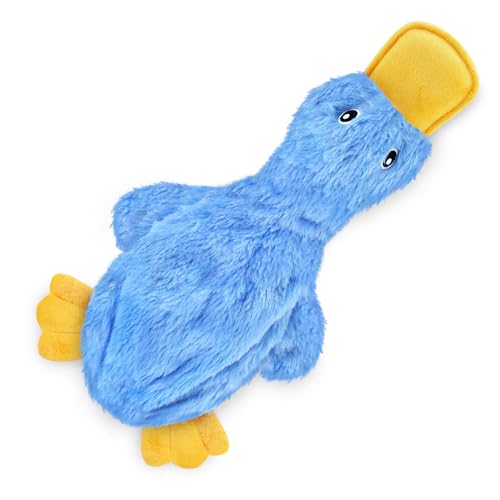
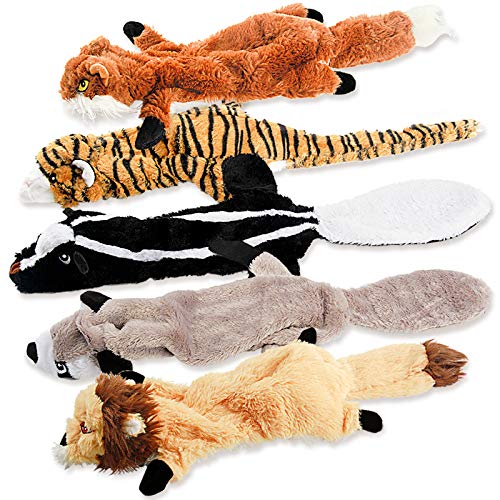
Plush and squeaky toys are often the most popular toys for dogs. They appeal to a dog's natural instinct to hunt and "kill" prey. The squeaker mimics the sound of a wounded animal, which can be very exciting for many dogs.
The Appeal of Plush Toys
Plush toys are soft and cuddly, making them great for dogs who like to carry things around or snuggle. They are also often used as comfort objects for puppies. However, they are generally not as durable as rubber or nylon toys.
- Comfort & Security: Many dogs bond with a specific plush toy and carry it around like a security blanket.
- Interactive Play: Squeaky toys are great for interactive play, such as a game of fetch or tug.
- Puppy Teething: Soft plush toys are gentle on a puppy's sore gums during teething.
- Supervision Required: Plush toys are not indestructible. They can be ripped apart, and the stuffing or squeaker can become a choking hazard. Always supervise your dog with plush toys.

If your dog loves to destroy plush toys, consider "tough" plush toys that are made with reinforced stitching and no squeaker. These are a safer alternative for dogs who are hard on their toys.
Toy Safety & Materials
The safety of your dog's toys should be your top priority. Not all toys are made with safe materials, and some can pose serious health risks. Always choose toys that are made from non-toxic, durable materials.
Safe Toy Materials
- Natural Rubber: Durable, non-toxic, and flexible. Great for chew toys and treat-dispensing toys.
- Nylon: Very hard and durable. Best for aggressive chewers. Should be replaced when they become jagged.
- Cotton Rope: Safe for tug-of-war, but should not be ingested. Supervise to prevent swallowing of fibers.
- Fleece: Soft and safe for puppies. Not very durable.
- Silicone: Food-grade silicone is safe for lick mats and some chew toys.
Materials to Avoid
- PVC (Polyvinyl Chloride): Can contain phthalates, which are toxic if ingested.
- BPA (Bisphenol A): A chemical found in some hard plastics. Choose BPA-free toys.
- Lead-Based Paints: Always check for lead-free labels, especially on imported toys.
- Small Parts: Avoid toys with small parts that can be easily chewed off and swallowed.
General Toy Safety Rules:
1. Supervise: Always supervise your dog when they are playing with a new toy, especially if it is a plush or squeaky toy.
2. Inspect Regularly: Check toys for wear and tear. Throw away any toy that is damaged.
3. Size Appropriately: Choose toys that are large enough that your dog cannot swallow them.
4. Clean Toys: Wash toys regularly to prevent the buildup of bacteria and dirt.
5. Rotate Toys: Keep a rotation of toys to prevent boredom and to keep toys "new" and exciting.
How to Choose the Right Toy
Choosing the right toy is about understanding your dog's individual personality, size, and chewing style. A toy that is perfect for one dog may be completely wrong for another. Here is a step-by-step guide to help you choose.
| Dog Profile | Recommended Toy Types | Things to Avoid |
|---|---|---|
| Aggressive Chewer (e.g., Pit Bull, German Shepherd) | Heavy-duty rubber toys, nylon bones, natural antlers, durable treat-dispensing toys. | Plush toys, squeaky toys, thin rubber toys, rope toys (if they ingest fibers). |
| Moderate Chewer (e.g., Labrador, Golden Retriever) | Rubber chew toys, tennis balls, rope toys, durable plush toys. | Very hard nylon toys (can break teeth), cheap plastic toys. |
| Gentle Chewer (e.g., Poodle, Shih Tzu) | Plush toys, squeaky toys, soft rubber toys, fetch toys. | Heavy-duty nylon toys, hard plastic toys. |
| Puppy (Teething) | Soft rubber toys, plush toys, puppy-specific chew toys, frozen treats in toys. | Hard nylon toys, small toys that can be swallowed, toys with small parts. |
| High-Energy Dog (e.g., Border Collie, Jack Russell) | Fetch toys, flying discs, tug toys, interactive puzzle toys. | Low-engagement toys, plush toys that are destroyed quickly. |
| Anxious or Bored Dog | Puzzle toys, treat-dispensing toys, snuffle mats, lick mats. | Toys that require a lot of physical interaction from you when you are away. |
Matching Toys to Your Dog's Play Style
- The Chaser: Loves to run after things. Fetch toys, flying discs, and balls are their favorite. Look for fetch toys that are durable and easy to throw.
- The Chewer: Needs to gnaw. Durable rubber and nylon chew toys are essential. Consider a chew toy that can be stuffed with treats.
- The Tugger: Loves a good game of tug. Rope toys and rubber tug toys are ideal. Check out our tug toys guide for safe play tips.
- The Thinker: Gets bored easily and needs a challenge. Puzzle toys and treat-dispensing toys are a must. See our puzzle toy guide for recommendations.
- The Snuggler: Likes to carry and cuddle. Plush toys and soft fleece toys are perfect. Choose ones without squeakers if your dog is a destroyer.
Frequently Asked Questions
Final Thoughts
The right toy can transform your dog's life. It can prevent boredom, reduce anxiety, improve dental health, and provide countless hours of fun. By understanding your dog's unique needs and following the safety guidelines in this guide, you can find toys that will keep your dog happy, healthy, and entertained for years to come. Remember, a tired dog is a happy dog — and a happy dog makes a happy home.