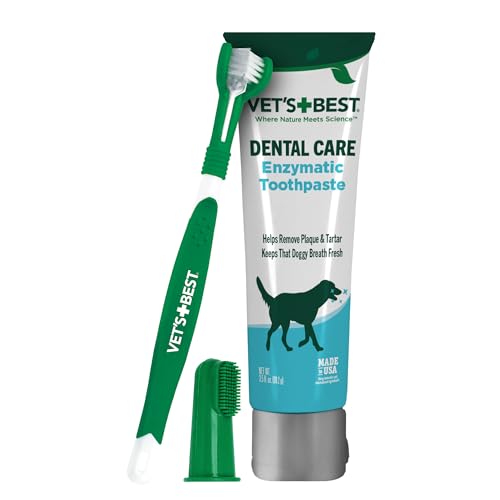
Dog Toothbrush: The Complete Guide to Canine Dental Care
Everything you need to know about choosing the right dog toothbrush, establishing a brushing routine, and protecting your dog from painful dental disease.
Dental disease is the most common health problem in adult dogs. By age three, more than 80% of dogs show signs of periodontal disease — a condition that causes pain, tooth loss, and systemic health problems affecting the heart, liver, and kidneys. Yet it is almost entirely preventable with regular home care.
The single most effective thing you can do for your dog's dental health is to brush their teeth consistently. A quality dog toothbrush combined with dog-specific toothpaste removes plaque before it hardens into tartar. Once tartar forms, only professional veterinary cleaning can remove it. This guide will help you choose the right tools and build a routine that actually works for you and your dog.
Why Dog Dental Care Matters
Many owners don't realize that dental disease doesn't just affect the mouth. When bacteria from infected gums enter the bloodstream, they travel throughout the body and can damage vital organs. Dogs with severe periodontal disease are at higher risk for kidney disease, liver disease, and heart conditions.
Beyond systemic health, dental pain affects your dog's quality of life. Dogs are stoic animals that instinctively hide pain. A dog with sore gums may still eat, but they may be suffering silently. Signs that dental disease is affecting your dog include dropping food while eating, chewing on one side of the mouth, reluctance to eat hard kibble, and pawing at the face.
The Progression of Dental Disease:
Stage 1 — Plaque: A soft, sticky film of bacteria forms on teeth within hours of eating. This is invisible to the eye and can be removed by brushing.
Stage 2 — Tartar: If plaque isn't removed, minerals in saliva harden it into tartar (calculus) within 24-48 hours. Tartar is visible as yellow-brown deposits and cannot be brushed away.
Stage 3 — Gingivitis: Tartar irritates the gums, causing redness, swelling, and bleeding. This stage is reversible with professional cleaning and improved home care.
Stage 4 — Periodontitis: The infection spreads below the gumline, destroying the bone and tissues that support teeth. Teeth become loose and may fall out. This stage is irreversible and requires veterinary intervention.
The good news is that you can stop this progression with consistent home care. Daily brushing with a dog toothbrush removes plaque before it hardens, keeping your dog's mouth healthy and avoiding the need for expensive dental procedures under anesthesia.
Types of Dog Toothbrushes
Not all toothbrushes are created equal, and the best choice depends on your dog's size, temperament, and your comfort level. Here are the main types available:
Finger Brush
A soft rubber or silicone cap that fits over your fingertip. Best for small dogs, puppies, and dogs new to brushing. Gives you maximum control and helps you feel exactly where you're cleaning. Less effective for reaching the back teeth of large dogs.
Entry-LevelDual-Headed Brush
Features a small brush head for front teeth and a larger head for back teeth. The angled design helps reach the gum line where disease starts. A versatile choice for most dog sizes. Often comes with a long handle for better grip.
Mid-RangeLong-Handled Brush
Similar to a human toothbrush but with a longer handle and angled head designed for canine mouths. Ideal for medium and large dogs. Keeps your fingers away from your dog's back teeth. Look for soft bristles to avoid gum irritation.
Mid-RangeElectric Dog Toothbrush
Battery-powered brushes that provide consistent cleaning motion. Can be more effective at removing plaque, especially for owners with limited dexterity. Requires gradual introduction — some dogs are startled by the vibration. Start with the unit turned off.
PremiumTriple-Headed Brush
Designed to clean all three sides of the tooth simultaneously. A time-saver for dogs who tolerate brushing well. Less precise than single-headed brushes, but effective for maintenance once your dog is trained. Best for cooperative dogs.
PremiumDisposable Gauze Pads
Not technically a brush, but a useful alternative for dogs who refuse brushes entirely. Wrap gauze around your finger, apply toothpaste, and wipe the teeth. Less effective than bristles but better than nothing. Good for very small puppies.
Budget-FriendlyHow to Choose the Right Dog Toothbrush
Selecting the right brush is about matching the tool to your dog's size, temperament, and your own comfort. Here's what to consider:
| Dog Size | Recommended Brush | Key Features |
|---|---|---|
| Toy (under 10 lbs) | Finger brush or small dual-headed | Small head, soft bristles, easy control |
| Small (10-25 lbs) | Finger brush or small long-handled | Angled head, soft bristles, comfortable grip |
| Medium (25-50 lbs) | Dual-headed or long-handled | Medium head, angled neck, soft to medium bristles |
| Large (50-90 lbs) | Long-handled or electric | Large head, long handle, soft bristles |
| Giant (over 90 lbs) | Long-handled or electric | Extra-large head, sturdy handle, soft bristles |
Beyond size, consider your dog's temperament. Dogs who are anxious about handling do best with finger brushes because they can feel your touch and are less threatening. Dogs who are comfortable with grooming may accept a long-handled or electric brush with proper introduction.
Pro Tip: Bristle softness matters more than you might think. Hard bristles can damage gum tissue and cause bleeding, which creates a negative association with brushing. Always choose soft bristles designed specifically for pets. Human toothbrushes often have bristles that are too firm for canine gums.
Dog Toothpaste Essentials
Toothpaste is not optional — it's a critical part of the dental care equation. Dog toothpaste is formulated to be safe to swallow and comes in flavors dogs actually enjoy, like poultry, peanut butter, malt, and vanilla mint.
Never use human toothpaste on your dog. Human toothpaste contains ingredients that are toxic or harmful to dogs:
- Xylitol: An artificial sweetener found in many human toothpastes. Even small amounts can cause life-threatening hypoglycemia and liver failure in dogs.
- Fluoride: Causes gastrointestinal upset and, in large amounts, can be toxic. Dogs swallow toothpaste rather than spitting it out.
- Detergents (Sodium Lauryl Sulfate): Creates foam but irritates canine stomachs and can cause vomiting and diarrhea.
- Artificial flavors and colors: Unnecessary and potentially problematic for sensitive dogs.
Dog toothpaste is available in enzymatic and non-enzymatic formulas. Enzymatic toothpaste contains enzymes that help break down plaque and continue working after brushing. Non-enzymatic toothpaste relies on mechanical removal and freshens breath. Both are effective when used consistently. For dogs with sensitive stomachs, look for toothpaste with limited ingredients and no artificial additives.
Step-by-Step Brushing Technique
Brushing your dog's teeth is not difficult once you establish a routine. The key is to be gentle, patient, and consistent. Here's the proper technique:
- Choose the right time: Pick a time when your dog is calm and relaxed, such as after a walk or before bed. Avoid brushing when your dog is excited, anxious, or overly tired.
- Apply toothpaste to the brush: Squeeze a small amount of dog toothpaste onto the bristles or your finger. Let your dog lick some off your finger first to associate the taste with something positive.
- Position yourself correctly: For small dogs, hold them in your lap or have them sit beside you. For larger dogs, kneel beside them or sit on the floor. Approach from the side rather than looming over them.
- Lift the lip gently: Use one hand to gently lift your dog's upper lip, exposing the teeth and gum line. Don't force the mouth open — you only need access to the outer surfaces of the teeth.
- Brush in circular motions: Focus on the outer surfaces of the teeth, especially where the gum meets the tooth. This is where plaque accumulates and disease starts. Use gentle circular motions, spending a few seconds on each tooth.
- Work from back to front: Start with the large back teeth (carnassial teeth) and work your way forward. The back teeth are where the most tartar builds up and are often the most neglected.
- Don't forget the gum line: Angle the bristles so they reach slightly under the gum line. This is where bacteria hide and cause infection. Be gentle — bleeding gums indicate gingivitis and require veterinary attention.
- Keep sessions short: Aim for 30 seconds to 1 minute per session. If your dog tolerates more, great, but shorter sessions done consistently are better than long sessions done rarely.
- Reward generously: Always end with praise, a treat, or playtime. Your dog should associate brushing with positive outcomes. Use training treats that are low-calorie and dental-friendly.
Brushing the Inside Surfaces: The inner surfaces of your dog's teeth (facing the tongue) receive natural cleaning from saliva and tongue movement, so they don't require as much attention. Focus your brushing efforts on the outer surfaces and gum line where plaque accumulates most.
Training Your Dog to Accept Brushing
Some dogs take to brushing immediately; others need gradual desensitization. Never force a toothbrush into your dog's mouth — this creates fear and can lead to defensive biting. Instead, follow this progressive training plan:
Week 1: Touch and Taste
Let your dog lick dog toothpaste off your finger. Gently rub your finger along the outside of the gums and teeth. Reward with praise and treats. Do this once daily for 2-3 minutes.
Week 2: Finger Brush Introduction
Apply toothpaste to a finger brush and gently rub it along the teeth and gums. Keep sessions short — 30 seconds to 1 minute. Reward generously. If your dog pulls away, don't force it; try again later or the next day.
Week 3: Transition to Regular Brush
Introduce a regular dog toothbrush with soft bristles. Start by brushing just a few teeth, then gradually increase. Use lots of praise and treats. If your dog resists, go back to the finger brush for a few more days.
Week 4: Full Brushing Routine
By now, your dog should accept full brushing sessions. Aim to brush all outer surfaces of the teeth, focusing on the gum line. Keep sessions to 1-2 minutes. Consistency is more important than duration.
Signs Your Dog is Stressed:
• Pulling away or backing up
• Lip licking or yawning (when not tired)
• Whale eye (showing whites of the eyes)
• Growling or snapping
• Trembling or freezing in place
If you see these signs, stop immediately and go back to an easier step. Forcing the issue will make future attempts harder.
For Anxious Dogs: Consider using calming products like pheromone diffusers or anxiety wraps before brushing sessions. Some dogs benefit from a pheromone diffuser in the room where you brush. If your dog has severe anxiety about handling, consult a behaviorist before attempting dental care at home.
Building a Dental Care Routine
Brushing is the foundation, but a complete dental care routine includes multiple layers of prevention. Here's what a comprehensive plan looks like:
- Daily brushing: The gold standard. Removes plaque before it hardens into tartar. If daily isn't possible, aim for at least 3-4 times per week.
- Dental chews: Use daily or as recommended. Look for chews with the Veterinary Oral Health Council (VOHC) seal. Choose the right size for your dog — too hard chews can fracture teeth.
- Dental toys: Rubber toys with textured surfaces can help clean teeth as your dog chews. Chew toys designed for dental health are a good supplement to brushing.
- Water additives: Liquid products added to drinking water can help reduce plaque and freshen breath. They are not a substitute for brushing but can help between sessions.
- Dental diets: Some dog foods are formulated with kibble shapes and sizes designed to scrub teeth as your dog eats. Look for the VOHC seal on the packaging.
- Professional cleanings: Schedule veterinary dental cleanings as recommended, typically every 1-2 years depending on your dog's dental health. These cleanings remove tartar above and below the gum line.
- Regular dental exams: Your vet should examine your dog's mouth at every wellness visit. For dogs with existing dental disease, more frequent exams may be needed.
Dental Health by Life Stage:
Puppies: Start handling your puppy's mouth early. Use a finger brush and dog toothpaste. Puppies have 28 baby teeth that begin falling out around 4 months. Teething can cause sore gums — be gentle during this period.
Adult Dogs: Daily brushing and annual professional cleanings. Watch for signs of dental disease and address them promptly.
Senior Dogs: Dental disease is more common and more dangerous in older dogs. Continue brushing but be extra gentle if gums are sensitive. More frequent vet exams may be needed. If your senior dog has severe dental disease, a professional dental cleaning may be necessary despite anesthesia risks — untreated dental disease is often more dangerous than anesthesia.
Common Dental Problems in Dogs
Even with good home care, dogs can develop dental issues. Knowing the signs helps you catch problems early:
- Bad breath (halitosis): The most common sign of dental disease. While occasional bad breath is normal, persistent foul odor indicates bacterial overgrowth. Don't mask it with treats — address the underlying cause.
- Plaque and tartar: Plaque is the soft film that forms daily; tartar is hardened plaque that requires professional removal. Tartar appears as yellow-brown deposits on teeth, especially near the gum line.
- Gingivitis: Red, swollen, bleeding gums. Reversible with improved home care and professional cleaning. If left untreated, progresses to periodontitis.
- Periodontitis: Irreversible infection of the tissues supporting the teeth. Causes bone loss, loose teeth, and pain. Requires veterinary treatment including deep cleaning and possibly extractions.
- Tooth fractures: Broken teeth from chewing on hard objects. Can be painful and expose the pulp, leading to infection. Requires veterinary attention.
- Abscesses: Pus-filled pockets at tooth roots. Extremely painful. May cause facial swelling, difficulty eating, and fever. Requires immediate veterinary care.
- Oral tumors: Growths in the mouth that may be benign or malignant. Any new lump or bump in the mouth should be examined by a vet.
Many dental problems can be prevented with consistent home care. For dogs with sensitive skin or allergies, choose dental products free of artificial colors and flavors. If your dog has a sensitive stomach, look for toothpaste and chews with limited ingredients.
Common Dog Dental Care Mistakes
Avoid these mistakes to protect your dog's dental health and make brushing a positive experience:
- Using human toothpaste: Toxic and dangerous. Always use dog-specific toothpaste, even if it costs more. The risk of xylitol poisoning is not worth the savings.
- Waiting until bad breath develops: Bad breath is a sign that dental disease is already present. Start brushing when your dog is young, before problems develop.
- Brushing aggressively: Rough brushing damages gums and creates fear. Use gentle circular motions with soft bristles. If gums bleed, you're brushing too hard or gingivitis is present.
- Only brushing the front teeth: The back teeth and gum line are where disease starts. Spend most of your time on the large back teeth, even though they're harder to reach.
- Giving up too soon: If your dog resists, don't stop trying. Go back to an easier step and build up more slowly. Consistency wins in the end.
- Relying only on dental chews: Chews are a supplement, not a replacement. They don't clean the gum line where disease originates. Brushing is irreplaceable.
- Skipping professional cleanings: Home care doesn't remove tartar below the gum line. Professional cleanings are necessary to treat existing disease and maintain oral health.
- Ignoring pain signs: Dogs hide dental pain well. If your dog is dropping food, chewing on one side, or reluctant to eat hard food, see your veterinarian promptly.
Frequently Asked Questions
Start Today — Your Dog's Health Depends On It
Dental disease is painful, dangerous, and entirely preventable. The best time to start brushing your dog's teeth was yesterday. The second-best time is today. Begin with a finger brush and dog toothpaste, be patient, and reward generously. Before you know it, brushing will be just another part of your daily routine — one that adds years of comfort and health to your dog's life.
If you're starting fresh, check our dog supplies essentials guide for other must-have items. For dogs with sensitive skin or sensitive stomachs, choose dental products free of artificial additives. And if you're considering pet insurance to help cover dental cleanings and potential extractions, our guide to whether dog insurance is worth it can help you decide.