The Ultimate Puppy First Night Survival Guide
Everything you need to know to help your new puppy (and you!) sleep peacefully through that critical first night at home.
Bringing home a new puppy is incredibly exciting, but the first night often becomes a stressful blur of whining, accidents, and sleepless hours. With the right preparation and realistic expectations, you can transform that first night into a manageable experience that sets the stage for years of peaceful sleep. This guide walks you through every aspect of that critical night — from pre-arrival setup to morning-after routines — so both you and your puppy wake up happy and bonded.
Preparation Before Your Puppy Arrives
Success on the first night begins days before you bring your puppy home. Proper puppy preparation reduces anxiety and helps your puppy feel secure. Use our puppy supplies checklist to ensure nothing is missing, and don't forget to puppy-proof your home thoroughly.
- Set up the crate or sleeping area at least two days in advance so the room smells familiar.
- Decide on a potty spot outside and have enzymatic cleaner ready for indoor accidents.
- Prepare a “first night kit” (see section below) within easy reach of your bed.
- Plan to take at least two days off work — you will be sleep-deprived, and bonding is critical.
Choosing the Right Sleeping Area
Where your puppy sleeps on night one influences crying intensity and potty success. Most experts recommend the puppy sleeps in a crate placed next to your bed. This allows you to hear when they need to go out and provides the social comfort they instinctively crave. Choosing the right dog crate is essential — too large and they may potty in one corner, too small and they feel trapped.
Best Crate Options for First Night
- Wire crate with divider: Allows size adjustment as puppy grows. Cover with a blanket to create a den-like feel.
- Plastic airline-style crate: More enclosed and den-like, often reduces anxiety for small breeds.
- Soft-sided crate: Only for non-destructive puppies; may be chewed.
Where NOT to put the crate
- ❌ Basement or isolated room — increases panic.
- ❌ In front of a drafty window or direct AC vent.
- ❌ In a high-traffic area where people walk past all night.
Crate Training for the First Night
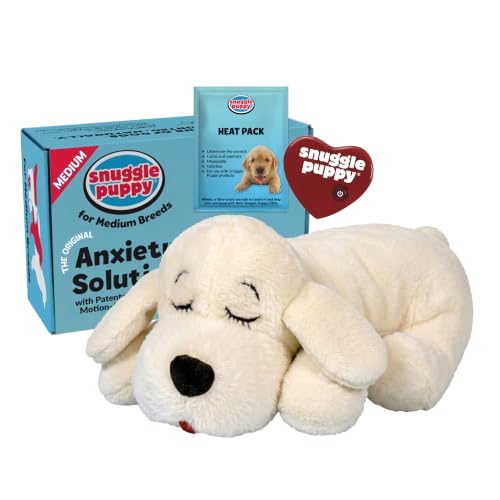
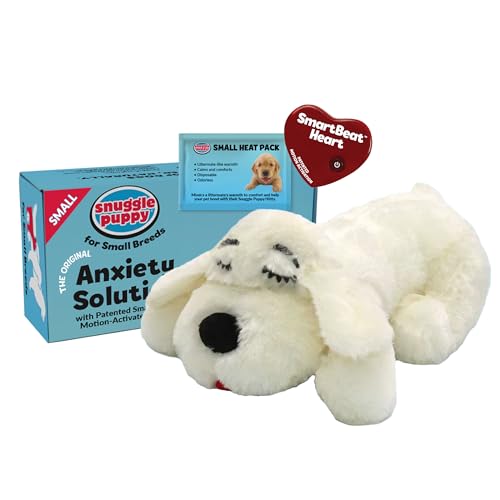
Many first-time owners make the mistake of simply putting the puppy in the crate and closing the door. Proper crate training starts before bedtime. During the evening, play crate games: toss treats inside, let the puppy explore with the door open, and feed meals near the crate. For the first night only, you may place the crate on a chair so it's at eye level with your bed — this dramatically reduces crying. Use a comfortable, washable dog bed inside and a Snuggle Puppy (toy with a heartbeat) to mimic littermate warmth.
How to Handle Puppy Crying on the First Night
Crying is almost guaranteed. Puppies have never slept alone, and their instinct screams “danger” when isolated. However, how you respond matters. Ignoring a crying puppy for hours can create long-term anxiety, but rushing to pick them up every two minutes teaches them that crying brings attention.
Step-by-step response plan
- Wait 30-60 seconds — sometimes they settle on their own.
- Speak softly without getting up: “It’s okay, go to sleep.”
- If crying escalates, go to the crate, open the door, and place a hand inside without taking them out. Calmly pet them for 1-2 minutes.
- After they quiet, close the door and return to bed. Repeat as needed.
- Always rule out potty needs — if it's been more than 2 hours since last break, take them outside.
This gentle method builds trust. Within a few nights, crying typically reduces to just a few whimpers. For severe anxiety, consider dog calming products like pheromone diffusers or a calming collar, but always consult your vet for very young puppies.
Nighttime Potty Schedule: Setting a Routine
Puppies have tiny bladders and zero control. A typical 8-week-old puppy needs to eliminate every 2-3 hours, even at night. The key is to wake them up before they wake you with an accident. Set a schedule:
- 10:00 PM: Last water and food (pick up bowl 2 hours prior).
- 11:00 PM: Final potty break right before bed.
- 1:30 AM: Quiet, no-play potty trip.
- 4:00 AM: Second nighttime trip.
- 6:30 AM: Morning wake-up and potty.
When you take them out, carry them to the spot (don't let them walk — that gives accident opportunities). Use a command like “go potty,” reward immediately after they go, then return straight to the crate. No play or cuddles at 2 AM — that teaches them nighttime is fun time. For more details, see our complete potty training for puppies guide.
Your Puppy's First Night Supply Kit
Keep these items within arm's reach of your bed. Being prepared prevents frantic searching in the dark.
Essential Gear
- ✅ Crate with cozy bed & waterproof liner
- ✅ Snuggle Puppy (heartbeat simulator) — $40
- ✅ Nightlight (reduces fear of dark)
- ✅ Puppy pads (under the crate tray for accidents)
- ✅ Enzymatic cleaner & paper towels
Comfort Items
- ✅ Mother-scented blanket from breeder
- ✅ White noise machine or ticking clock
- ✅ Small bag of high-value treats (for potty rewards)
- ✅ Leash and collar for 2 AM trips
- ✅ Flashlight or headlamp
Many of these items are available through our recommended product section below. Choose a crate that fits your puppy's adult size but includes a divider, and invest in a quality chew-proof dog bed.
Common First-Night Mistakes & How to Avoid Them
Fix: Crate or small pen keeps them safe and prevents hidden accidents.
Fix: It's extremely hard to reverse. If you never want co-sleeping, stay consistent from night one.
Fix: Only use enzymatic cleaner — it breaks down proteins and removes the scent marker.
Fix: Puppies don't manipulate — they have real needs. Always check for potty first.
What to Expect the Morning After
Congratulations — you survived! The first morning is just as important as the night. Take your puppy out immediately (carry them to the potty spot). Then feed a puppy-appropriate meal using best puppy food high in DHA. Expect some grogginess and possibly a few accidents — it's normal. Start daytime basic command training with short sessions, and begin socialization as soon as your vet approves. Don't skip a post-first-night vet check within 48 hours to ensure the puppy is healthy.
Frequently Asked Questions
Ready for a peaceful first night? The right supplies make all the difference. Below you'll find our hand-picked products that thousands of puppy owners have used to survive (and even enjoy) that first night. From heartbeat simulators to the perfect crate, these tools turn anxiety into confidence.