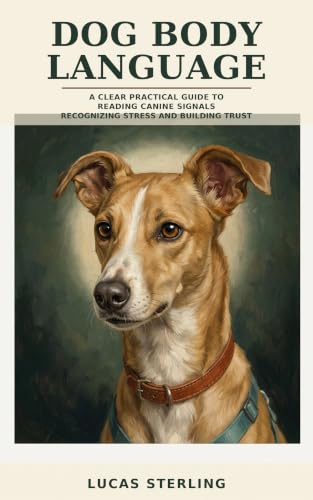
🐾 Decode Your Dog: The Complete Body Language Guide
Learn what your dog is truly telling you — tail wags, ear positions, facial expressions, and subtle stress signals. Build a deeper bond and prevent problems before they start.
📖 What you’ll learn
Dogs communicate primarily through body language — not barks or whines. Every subtle shift in posture, ear angle, tail height, and facial muscle tells a story. By learning to “listen” with your eyes, you can understand when your dog feels happy, anxious, scared, or overstimulated. This knowledge prevents bites, reduces stress, and transforms your relationship into a truly two‑way conversation.
🐕 Tail Talk: What The Wag Really Means
The tail is one of the most expressive tools dogs have, but a wag does not always mean happiness. Context and tail carriage are everything.
🚀 High & Stiff Wag
Alertness, confidence, or potential threat. The dog is aroused — could be excitement or early aggression. Approach calmly.
🔄 Loose & Wide Wag
“Happy wag” – relaxed whole-body wiggle. Your dog is friendly and comfortable. Great time for petting or play.
📉 Low or Tucked Tail
Fear, submission, or anxiety. Something is worrying your dog. Never punish; identify the trigger and remove pressure.
⏩ Fast, small amplitude wag
High arousal, often nervous or anticipatory (e.g., before a fight or extremely intense excitement). Observe other signals.
👂 Ear Positions: Radar Dishes of Emotion
Ear position changes quickly with mood. Different breeds have different natural ear sets, but the movement matters.
- Neutral/relaxed – Dog is calm and content.
- Pinned back flat against head – Fear, submission, or intense worry. Give space.
- Forward & perked – Interest, curiosity, or alert. Could be playful or investigative.
- One ear forward, one back – Uncertainty, slightly conflicted. Let the dog approach you.
When you see pinned ears combined with a tucked tail, your dog is overwhelmed. Read our guide to dog anxiety to learn supportive techniques.
🐕🦺 Body Posture: The Whole Picture
A dog’s stance reveals confidence, fear, or playfulness.
🏋️ Forward Weight / Stiff
Assertive, possibly aggressive. Muscles tense, hackles may rise (piloerection). Do not approach directly.
🙇 Cowering / Low Body
Fear or submission. The dog tries to look small. Speak softly and move slowly.
🎉 Play Bow (elbows down, rear up)
Classic invitation to play! Happy, social, non-threatening.
🔄 Shaking off (as if wet)
Releases tension. Often seen after stressful situations. It’s a reset signal.
Understanding posture is essential when meeting new dogs. If a dog stiffens and stops moving, stop approaching. Respect their space. Learn more about managing dog aggression in real-world scenarios.
👀 Eyes: Hard Stares & Soft Gazes
Eye contact can be loving or threatening depending on intensity and accompanying body language.
- Soft, blinking eyes – Relaxed, trusting. Slow blink back to show affection.
- Hard stare (fixed, unblinking) – Challenge or threat. Often precedes a lunge or bite. Avoid direct eye contact with strange dogs showing this.
- Whale eye (seeing the whites) – Anxiety, stress, or resource guarding. The dog feels trapped. Back away and remove the pressure.
👄 Mouth & Facial Expressions
A relaxed mouth is slightly open, with tongue possibly lolling. Tension shows up around the lips and muzzle.
- Lip licking (without food) – Classic appeasement / stress signal. Give space.
- Yawning (when not tired) – Often a calming signal to defuse tension. Common at vet clinics.
- Curled lip / snarl – Clear warning: “Back off or I’ll bite.” Never punish a growl; it’s communication.
- “Smiling” (submissive grin) – Some dogs show front teeth in non-aggressive appeasement. Usually accompanied by wiggly body.
Positive reinforcement training can reduce fear-based mouth signals. Check our positive reinforcement training methods to build confidence.
⚠️ Subtle Stress & Anxiety Signals
Most owners miss early signs of discomfort. Recognizing these prevents escalation:
Panting without exertion
Not just cooling – may indicate stress. Look for tight mouth corners.
Pacing / inability to settle
Restlessness often linked to anxiety or pain.
Excessive shedding
Stress hormones can cause sudden coat loss during vet visits.
Sniffing ground obsessively
Displacement behavior – avoiding conflict or buying time.
When you notice stress signals, remove your dog from the trigger or create distance. Use calming products like pheromone diffusers as part of a long‑term plan.
⚡ Aggression Warning Signs (Before the Bite)
Dogs rarely bite “without warning”. Learn the ladder of aggression:
- Turning head away / lip lick
- Stiffening body
- Hard stare + growl
- Air snap (bite without contact)
- Contact bite
If your dog shows stiff posture and raised hackles, stop whatever you’re doing and consult a professional. Our guide to seeing a behaviorist explains when to seek expert help.
🎾 Playful & Relaxed Cues: The Green Light
Dogs who feel safe and happy display “loose” body language: wiggly torso, relaxed ears, open mouth with a soft tongue, bouncing gait, and play bows. They also exhibit self-handicapping (e.g., a big dog lying down to play with a tiny pup). Encourage this state with safe toys and interactive dog toys that build positive engagement.
🧠 How to Respond: Practical Scenarios
✔️ Lip licking + tucked tail at vet → Move slowly, use high-value treats, and request fear-free handling.
✔️ Your child approaches a dog that shows “whale eye” → Immediately call child back, teach “consent tests” for petting.
✔️ Growling while eating → Never punish; feed in a quiet space and consult our resource guarding protocol.
Understanding and respecting dog body language reduces bites by 80% and creates a trustworthy partnership. For puppies, early socialization is critical. Read our puppy socialization period guide to build confident adult dogs.
❓ Frequently Asked Questions
🐶 Become Fluent in Dog – It Saves Lives
By learning to read subtle body language, you’ll avoid misunderstandings and enrich your dog’s emotional life. For more training tips, visit our dog training hub or explore advanced behavior guides.