The Complete Guide to Dog Leashes
Choosing the right leash, fitting it correctly, and mastering loose-leash walking — everything you need for safer, more enjoyable walks with your dog.
A dog leash is one of the most basic pieces of equipment you will ever buy for your dog — and one of the most important. It is your primary tool for safety, communication, and control during walks. Yet many owners grab the first leash they see on a store shelf without considering how it fits their dog's size, strength, and training level.
The right leash makes walks enjoyable for both of you. The wrong leash — or a poorly fitted one — can cause injuries, encourage pulling, and turn a relaxing walk into a stressful ordeal. This guide breaks down everything you need to know about dog leashes, from the different types available to training techniques that actually work.
Types of Dog Leashes
Not all leashes are created equal. Each type serves a specific purpose, and the best choice depends on your dog's temperament, your walking environment, and your training goals. Here are the main types you will encounter:
Standard Flat Leash
The most common and versatile leash. Typically 4-6 feet long, made from nylon, leather, or biothane. Offers excellent control and is suitable for everyday walks, training, and all dog sizes. A must-have for every dog owner.
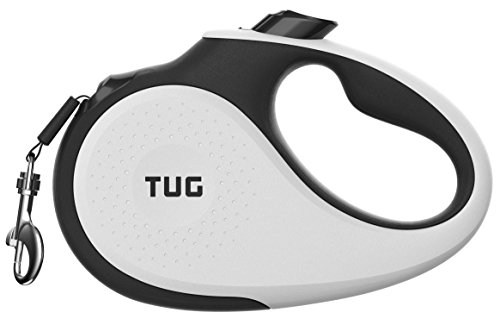
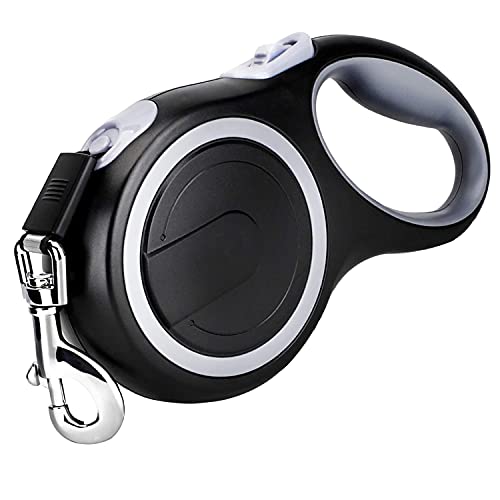
Entry-Level to PremiumRetractable Leash
A cord or tape that extends and retracts from a handle mechanism. Allows dogs to explore further while maintaining a connection. Convenient for well-trained dogs in open areas, but risky for training, reactive dogs, and crowded spaces.
Mid-Range to PremiumHands-Free Leash
Worn around the waist or across the body, allowing you to walk, run, or hike with both hands free. Often features bungee sections to absorb shock from pulling. Ideal for joggers and dogs who pull moderately.
Mid-Range to High-EndTraining Lead (Long Line)
A long leash, typically 10-30 feet, used for recall training and giving dogs freedom in safe, open areas. Not for everyday walks. Essential for teaching reliable off-leash recall without risking your dog's safety.
Budget-Friendly to PremiumSlip Lead
A single piece of rope or leather with a ring at one end that creates a loop around the dog's neck. Popular in shelter and training environments for its simplicity. Requires proper fitting to avoid choking or slipping off.
Entry-Level to Mid-RangeDouble Leash (Coupler)
Connects two dogs to a single handle, allowing you to walk both dogs with one hand. Best for dogs who walk calmly together. Not recommended for strong pullers or dogs who tangle easily.
Mid-RangeFor most dog owners, a standard flat leash in 4-6 feet is the best starting point. It offers the control needed for training and everyday walks, while still giving your dog enough freedom to sniff and explore. If you also enjoy running or hiking, a dog harness paired with a hands-free leash can be a great addition to your gear.
Leash Materials Compared
The material of your leash affects its durability, feel, weather resistance, and how it handles your dog's pulling. Here is how the most common materials stack up:
| Material | Durability | Weather Resistance | Feel & Grip | Best For |
|---|---|---|---|---|
| Nylon | Good | Moderate (can fray) | Lightweight, can slip when wet | Everyday walks, budget-conscious owners |
| Leather | Excellent | Good (needs conditioning) | Softens with use, excellent grip | Long-term use, training, classic look |
| Biothane | Excellent | Excellent (waterproof) | Smooth, easy to clean | Rainy climates, muddy walks, easy maintenance |
| Rope | Good | Moderate | Comfortable grip, can absorb odors | Casual walks, hands-free setups |
| Chain | Excellent | Excellent | Heavy, can be uncomfortable | Chew-resistant needs, short traffic leads |
Leather and biothane are the top choices for durability and comfort. Leather develops a soft, worn-in feel over time and offers a secure grip even when wet. Biothane is waterproof, easy to wipe clean, and does not absorb odors — perfect for dogs who love mud and water. Nylon is affordable and widely available but can fray over time and become slippery when wet.
Pro Tip: If your dog pulls hard, look for a leash with a padded handle or add a fleece sleeve. Thin leashes can cut into your hands and cause blisters during strong pulling episodes. A comfortable grip makes training sessions easier for both of you.
How to Choose the Right Leash
The ideal leash for your dog depends on several factors. Consider these questions before making a purchase:
1. Your Dog's Size and Strength
Small dogs (under 25 lbs) do well with lightweight nylon or thin leather leashes, typically 1/2 inch wide or less. Medium dogs (25-60 lbs) need a leash at least 3/4 inch wide. Large and giant breeds (60+ lbs) require heavy-duty leashes at least 1 inch wide, often with reinforced stitching and sturdy metal hardware. A dog collar or harness should match this strength level.
2. Your Dog's Training Level
Dogs who pull or are still learning loose-leash walking benefit from standard flat leashes that give you maximum control. Retractable leashes are a poor choice for training because they reward pulling with more freedom. Once your dog walks politely on a loose leash, you can consider a retractable leash for low-risk, open areas.
3. Where You Walk
Busy city streets and crowded parks call for a short leash (4 feet) for maximum control. Suburban neighborhoods and quiet trails work well with a 6-foot leash. Open fields and hiking trails may call for a long line for safe exploration. If you walk in the rain or near water, biothane is the best material choice.
4. Your Walking Style
Casual walkers do well with a standard flat leash. Runners and hikers benefit from hands-free leashes with bungee sections. Owners of multiple dogs may need a coupler or two separate leashes. If you frequently use a dog carrier or dog stroller, a shorter traffic lead is useful for quick bathroom breaks and vet visits.
Quick Recommendation: For most dog owners, a 5-6 foot leather or biothane leash with a padded handle is the best all-around choice. It offers control, comfort, and durability for daily walks and training.
Fitting and Attachment
How you attach and hold the leash matters as much as the leash itself. Poor attachment can cause discomfort, escape, or injury.
Attaching to a Collar vs. Harness
Attaching the leash to a flat collar is traditional but puts pressure on your dog's neck, which can cause tracheal damage, thyroid problems, and eye issues — especially in small breeds and dogs who pull. A dog harness distributes pressure across the chest and shoulders, making it safer for dogs with breathing issues, small breeds, and strong pullers. For everyday walks, a well-fitted harness is the better choice for most dogs.
Proper Leash Length and Hold
Hold the leash with your hand through the loop and the excess gathered in your other hand — never wrapped around your wrist or fingers. If your dog lunges suddenly, a wrapped leash can cause fractures or severe cuts. Keep the leash loose except when you need to prevent your dog from reaching a hazard. A tight leash teaches your dog to pull; a loose leash teaches them to check in with you.
Hardware Quality
Check the clasp or snap on your leash regularly. Cheap hardware can bend or break under sudden force. Look for solid brass or stainless steel snaps with a secure locking mechanism. The bolt snap should be large enough to fit comfortably around your dog's collar D-ring or harness attachment point without binding.
Loose-Leash Walking Training
Pulling is not a dog problem — it is a training problem. Dogs pull because pulling works: they move forward when they pull. The solution is simple in theory but requires consistency in practice: stop moving when the leash is tight, and move forward when it is loose.
The Stop-and-Go Method
- Start in a low-distraction environment. Your living room or backyard is fine. Put your dog on a standard 4-6 foot leash.
- Begin walking. The moment the leash goes tight, stop moving. Do not yank, jerk, or say anything. Just stop.
- Wait. Your dog will eventually look back at you or step toward you. The moment the leash slackens, mark it with a "yes!" and reward with a treat.
- Resume walking. Repeat the process every time the leash tightens. Your dog will quickly learn that pulling stops the walk and a loose leash keeps it going.
- Add distractions gradually. Once your dog walks well in the backyard, practice in the front yard, then on a quiet street, then in a park. Each new environment is a new challenge.

Tools That Help (and Tools That Don't)
Front-clip harnesses are excellent training tools for strong pullers because they redirect your dog's momentum sideways when they pull, making it harder to drag you forward. Head halters offer the most control but require slow, positive introduction. Training collars that cause pain or fear (choke chains, prong collars) are not recommended by modern trainers and can cause physical and psychological harm.
If your dog has severe pulling or reactivity issues, consider working with a professional through dog training classes. A qualified trainer can assess your dog's specific needs and create a customized training plan.
Consistency Tip: Everyone who walks your dog must use the same rules. If one family member allows pulling and another does not, your dog will learn that pulling works with some people. Consistency across all handlers is essential for success.
Leash Safety & Etiquette
A leash is a safety tool, but it can also be a hazard if used incorrectly. Follow these guidelines to keep walks safe for you, your dog, and others.
- Never wrap the leash around your hand or wrist. A sudden lunge can cause fractures, dislocations, or severe rope burns. Hold the handle securely and gather excess with a relaxed hand.
- Keep the leash short in traffic and crowded areas. A 4-foot traffic lead keeps your dog close and prevents them from darting into the street or tripping other pedestrians.
- Do not use retractable leashes with reactive dogs. The thin cord can cause serious injuries if it wraps around a leg or neck during a reactive episode. The locking mechanism can also fail at the worst possible moment.
- Be courteous at the vet and in stores. Keep your dog on a short leash and close to your side. Not all dogs are friendly, and not all people are comfortable around dogs.
- Use proper ID. Even with a leash, accidents happen. Ensure your dog wears a collar with an ID tag and consider a dog tracker for added security. A dog tag with your current phone number is essential.
- Avoid leash tangles with multiple dogs. If walking two dogs, use separate leashes and hold one in each hand. Couplers can work for calm dogs but often create tangles with active dogs.
Care and Replacement
A worn leash can break at the worst possible moment. Inspect your leash monthly for these signs of wear:
- Fraying or thinning: Common in nylon leashes where they rub against the clasp or your hand. Once the outer layer wears through, the leash can snap under pressure.
- Cracks or stiffness in leather: Leather that has dried out and cracked is no longer safe. Condition leather leashes every few months with a leather balm to keep them supple and strong.
- Worn or bent hardware: A clasp that does not close securely or shows signs of bending should be replaced immediately. Cheap hardware is a common point of failure.
- Fading or discoloration: While not a structural issue, significant fading may indicate UV damage that weakens the material over time.
Most quality leashes last 1-3 years with regular use. Retractable leashes should be replaced every 6-12 months because the internal spring mechanism wears out and becomes unreliable. When in doubt, replace it — a new leash costs far less than a vet bill or the heartbreak of a lost dog.
If your dog has chewed through a leash or you are dealing with destructive chewing in general, address the behavior with dog toys and puzzle toys that provide appropriate outlets for chewing energy. A dog muzzle can be a temporary management tool during training if your dog chews leashes, but it should never replace proper training and exercise.
Frequently Asked Questions
Final Thoughts
A good leash is an investment in your dog's safety and your peace of mind. Pair it with a well-fitted harness, practice loose-leash walking consistently, and replace worn gear promptly. Your daily walks will become something both you and your dog look forward to. If you are also gearing up for outdoor adventures, check our guides on dog shoes, dog life jackets, and dog travel essentials to make every outing safe and enjoyable.