Stop Destructive Dog Chewing: Complete Guide
Proven strategies to protect your furniture, shoes, and sanity – while keeping your dog happy and mentally stimulated.
Chewing is a natural dog behavior. Puppies explore the world with their mouths, and adult dogs chew to keep jaws strong, relieve boredom, or ease anxiety. But when your favorite running shoes become confetti or your sofa corners vanish, it's a problem you need to solve fast. The good news: with the right approach, you can stop dog chewing without punishment or frustration.
This guide covers why dogs chew destructively, step‑by‑step training techniques, the best chew toys, and how to address underlying issues like separation anxiety or lack of exercise. By the end, you'll have a clear action plan to transform your chewer into a calm, well‑behaved companion.
Why Dogs Chew Destructively
Understanding the root cause is half the solution. Dogs don't chew out of spite – they chew for specific reasons:
🦷 Teething (Puppies)
Puppies between 3–8 months experience discomfort as baby teeth fall out and adult teeth emerge. Chewing soothes sore gums. Provide frozen teething rings or rubber toys. Learn more in our complete puppy guide.
⚡ Boredom & Excess Energy
Under‑exercised dogs chew to entertain themselves. A tired dog is a good dog. Combine daily exercise with mental stimulation.
😰 Anxiety & Stress
Separation anxiety, noise phobias, or changes in routine trigger nervous chewing. Focus on doorframes or windows when you leave often indicates anxiety-related behaviors.
🔍 Exploration & Play
Dogs explore texture and taste. Puppies and young adults are naturally curious. Provide safe outlets like durable chew toys.
Proven Action Plan to Stop Chewing
Follow these five pillars consistently, and you'll see dramatic improvement within weeks.
1. Manage the Environment (Prevention First)
Until your dog learns what's acceptable, prevent access to forbidden items. Use baby gates, close doors, and keep shoes, remote controls, and books out of reach. Crate training is invaluable when you cannot supervise. A properly introduced crate becomes a safe den, not a prison.
2. Provide Irresistible Alternatives
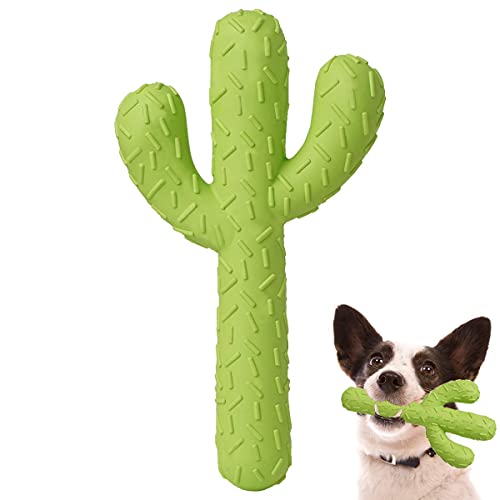
You cannot simply tell a dog “no” – you must redirect to something better. Stock up on chew toys that match your dog’s chewing style:
- Power chewers (Pit Bulls, German Shepherds): Black rubber KONGs, nylon bones (Nylabone), antler alternatives.
- Moderate chewers (Labradors, Beagles): Rope toys, textured rubber balls, hollow bones with treats inside.
- Light chewers & puppies: Soft fabric toys, teething rings, edible dental chews (supervised).
Rotate toys every few days to keep novelty high. Stuff a KONG with peanut butter (xylitol‑free) and freeze overnight – it provides 30+ minutes of engaging chewing.
3. Use Positive Reinforcement Training
Punishment (yelling, hitting, nose taps) damages trust and increases anxiety, often worsening chewing. Instead, catch your dog being good. When they chew an appropriate toy, say “yes!” and give a small treat. If you catch them chewing furniture, calmly interrupt with a clap or “uh‑oh” and redirect to a toy. Then reward the redirection. This teaches what to chew rather than just “stop.”
For more guidance, read our article on positive reinforcement techniques and basic dog training commands.
4. Increase Physical & Mental Exercise
A tired dog has less energy for destructive behaviors. Most adult dogs need 45–90 minutes of activity daily, split between walks, fetch, and off‑leash play. Mental exercise is equally important: puzzle toys, snuffle mats, and short training sessions exhaust the brain. Try teaching new commands or trick training – 15 minutes of mental work equals 30 minutes of physical activity.
5. Address Underlying Anxiety
If your dog chews only when you leave, they may have separation anxiety. Symptoms include drooling, pacing, and barking. Treatment involves desensitization exercises, leaving “busy toys,” and sometimes medication from a vet. For mild anxiety, try calming supplements or pheromone diffusers. Severe cases benefit from a certified applied animal behaviorist.
Common Mistakes That Backfire
❌ Yelling or Physical Punishment
Creates fear and anxiety, which often leads to more destructive behavior when you're not around.
❌ Giving Old Shoes as Toys
Dogs cannot distinguish between old shoes and new shoes – they learn all shoes are fair game.
❌ Leaving a Chewer Loose for Hours
If your dog isn't ready, confinement (crate or puppy proof room) is safer for them and your belongings.
❌ Using Bitter Spray Only
Spray alone doesn't teach appropriate behavior – always pair with positive redirection.
Top Chew Solutions & Training Tools
Quality products make training easier. Below are recommended categories – see the product section for specific buys.
- Indestructible chew toys: KONG Extreme, Goughnuts, West Paw Zogoflex.
- Edible chews (supervised): Bully sticks, yak cheese chews, dental chews.
- Interactive puzzle toys: Outward Hound Nina Ottosson, Trixie activity boards.
- Deterrent sprays: Bitter YUCK! (no alcohol), Grannick's Bitter Apple.
- Crate & gates: MidWest iCrate, Carlson walk-through gate.
When Professional Help Is Needed
If your dog’s chewing is obsessive, self‑injurious (chewing paws or tail), or accompanied by aggression, schedule a veterinary exam. Medical causes (dental pain, gastrointestinal disorders, neurological issues) can trigger chewing. After ruling out medical problems, a veterinary behaviorist can design a behavior modification plan including medication if needed.
Frequently Asked Questions
With consistent management and training, most dogs show improvement in 2–4 weeks. Puppies typically outgove teething by 8 months. Adult dogs with anxiety may take 2–3 months of dedicated counter‑conditioning.
Puppies usually reduce chewing after teething (around 8 months) but only if you've taught them appropriate outlets. Adult dogs rarely "grow out" of chewing caused by boredom or anxiety – you must address the root cause.
That's often attention‑seeking or boredom. Increase interactive play and scatter feeding. Teach “leave it” and reward calm settling on a mat. Never chase or yell – calmly redirect to a toy and praise.
Hard antlers, real bones, and hooves can crack teeth, especially in powerful chewers. Use nylon or rubber alternatives designed for power chewers. Always supervise with any edible chew.
🐕 Remember: Chewing is normal. Your goal isn't to eliminate it – it's to redirect it to appropriate items. With patience, environmental management, and positive training, you and your dog will live harmoniously. Start implementing these steps today, and within weeks you'll see a calmer, happier dog and an intact home.