Complete Dog Breeds Guide: Find Your Perfect Match
Choosing the right dog breed is one of the most important decisions you'll make as a pet owner. This comprehensive guide helps you understand different breeds, their characteristics, and which one fits your lifestyle perfectly.
With over 300 recognized dog breeds worldwide, choosing the right one can feel overwhelming. Each breed was developed for specific purposes—hunting, herding, guarding, companionship—and these instincts still influence their behavior, exercise needs, and temperament today.
The right breed match means a harmonious relationship where both you and your dog thrive. The wrong match can lead to frustration, behavior problems, and in the worst cases, dogs being surrendered to shelters. This guide helps you make an informed decision based on facts, not just cute puppy photos.
Why Choosing the Right Breed Matters
While every dog is an individual, breed characteristics provide reliable predictors of size, exercise requirements, grooming needs, temperament tendencies, and potential health issues. Understanding these factors before bringing a dog home prevents problems down the road.
What Breed Predicts (And What It Doesn't)
- Physical characteristics: Adult size, coat type, shedding level, and lifespan are highly predictable within breeds.
- Exercise needs: Breeds developed for work (herding, hunting) typically need significantly more exercise than companion breeds.
- Grooming requirements: Coat type determines maintenance needs—from weekly brushing to daily grooming sessions.
- Health predispositions: Certain breeds have higher risks for specific conditions like hip dysplasia, heart disease, or eye problems.
- Temperament tendencies: While not guarantees, breeds show predictable patterns in friendliness, alertness, independence, and trainability.
Important: Breed gives you a starting point, but individual variation exists. Meet the specific dog whenever possible. A laid-back Border Collie exists, but they're rare—don't count on beating the odds with your lifestyle.
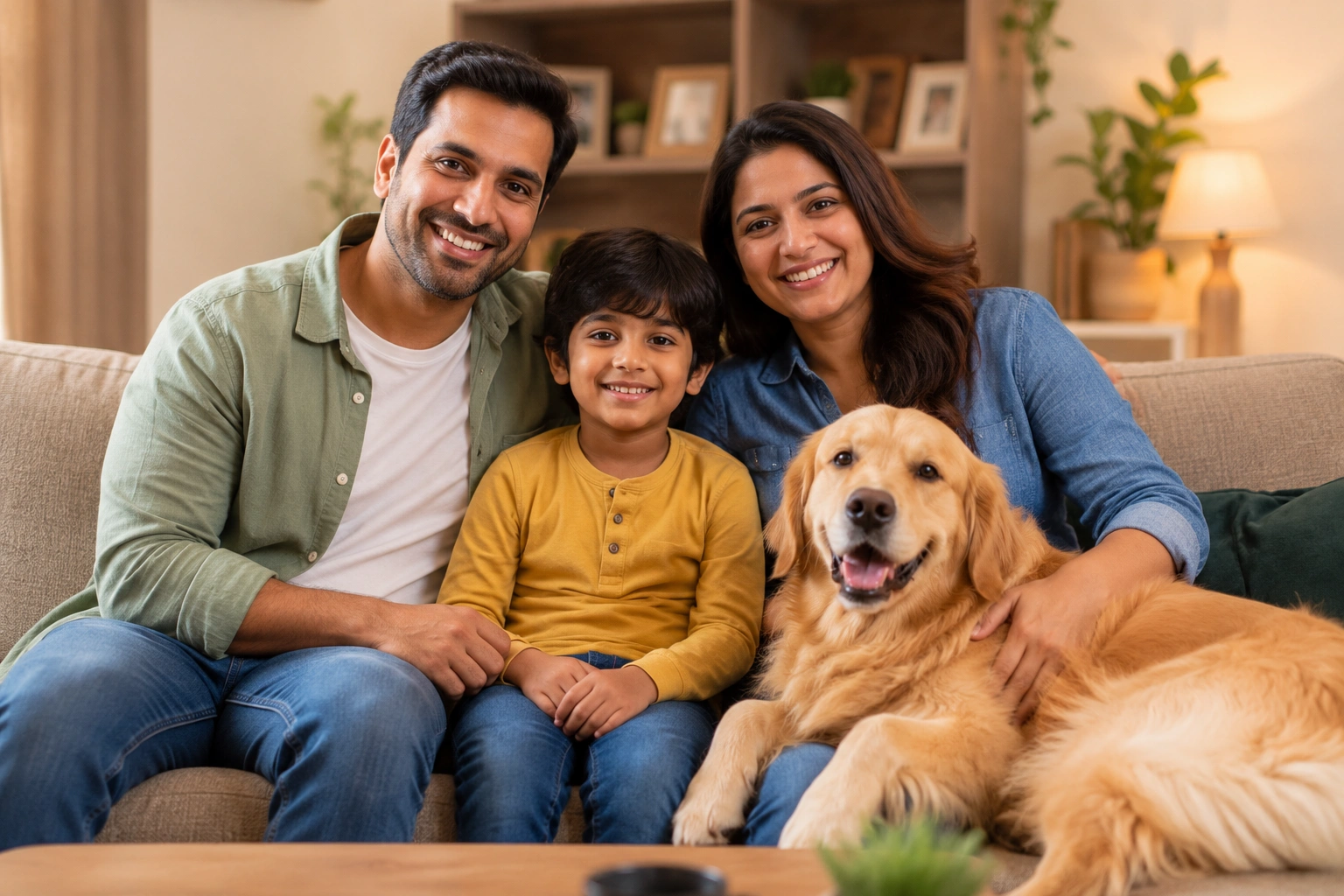
Dog Breeds by Size
Size is often the first consideration for potential dog owners, and for good reason—it affects everything from food costs and living space requirements to exercise needs and lifespan. Here's what to expect from each size category.
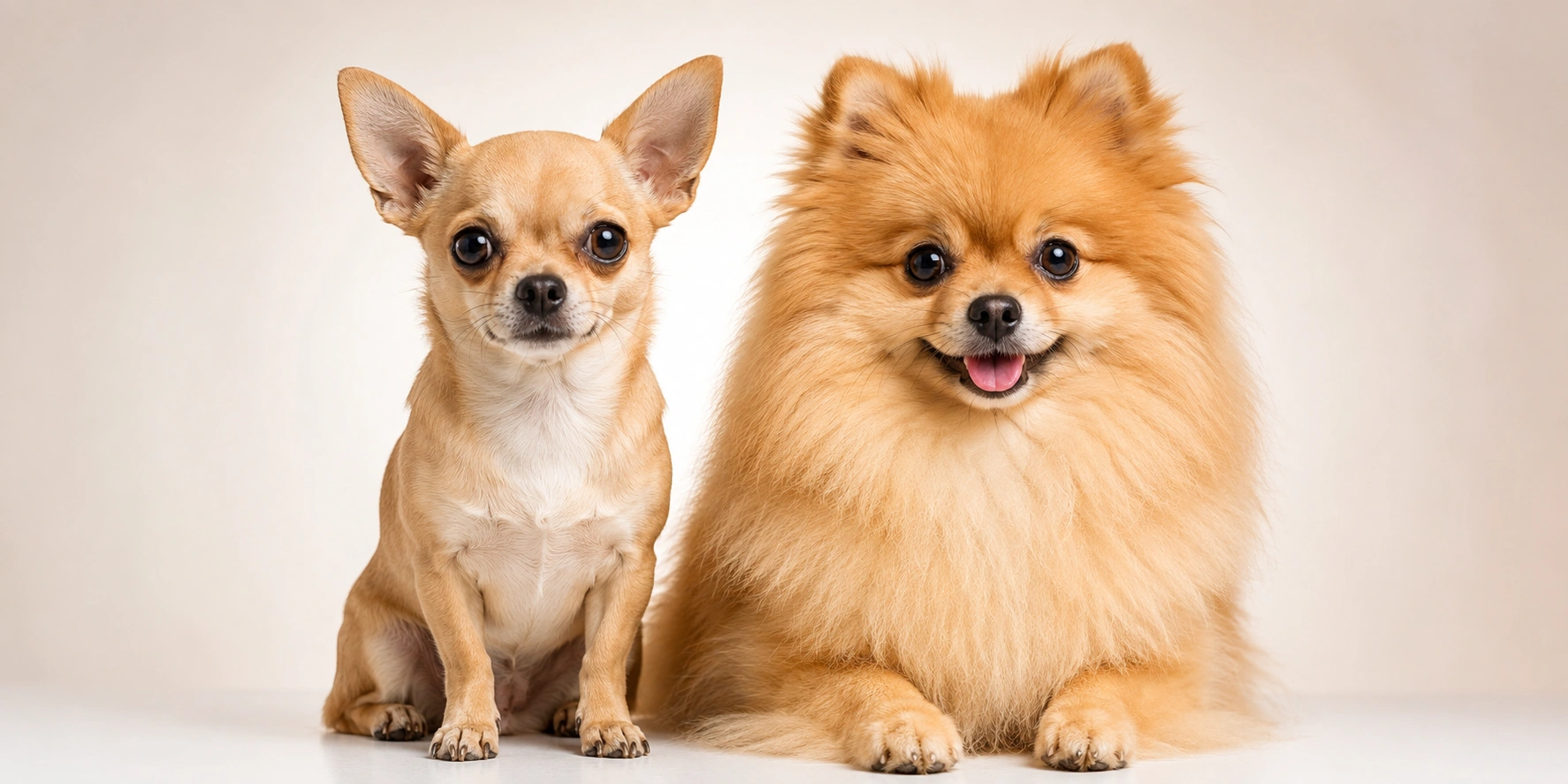
Toy Breeds (Under 10 lbs)
Chihuahuas, Pomeranians, Yorkshire Terriers, Maltese, and Papillons. Perfect for apartments, lower food costs, longer lifespans (12-16 years). Fragile—not ideal for families with young children. Often bold and vocal despite their size.
$500–$3,000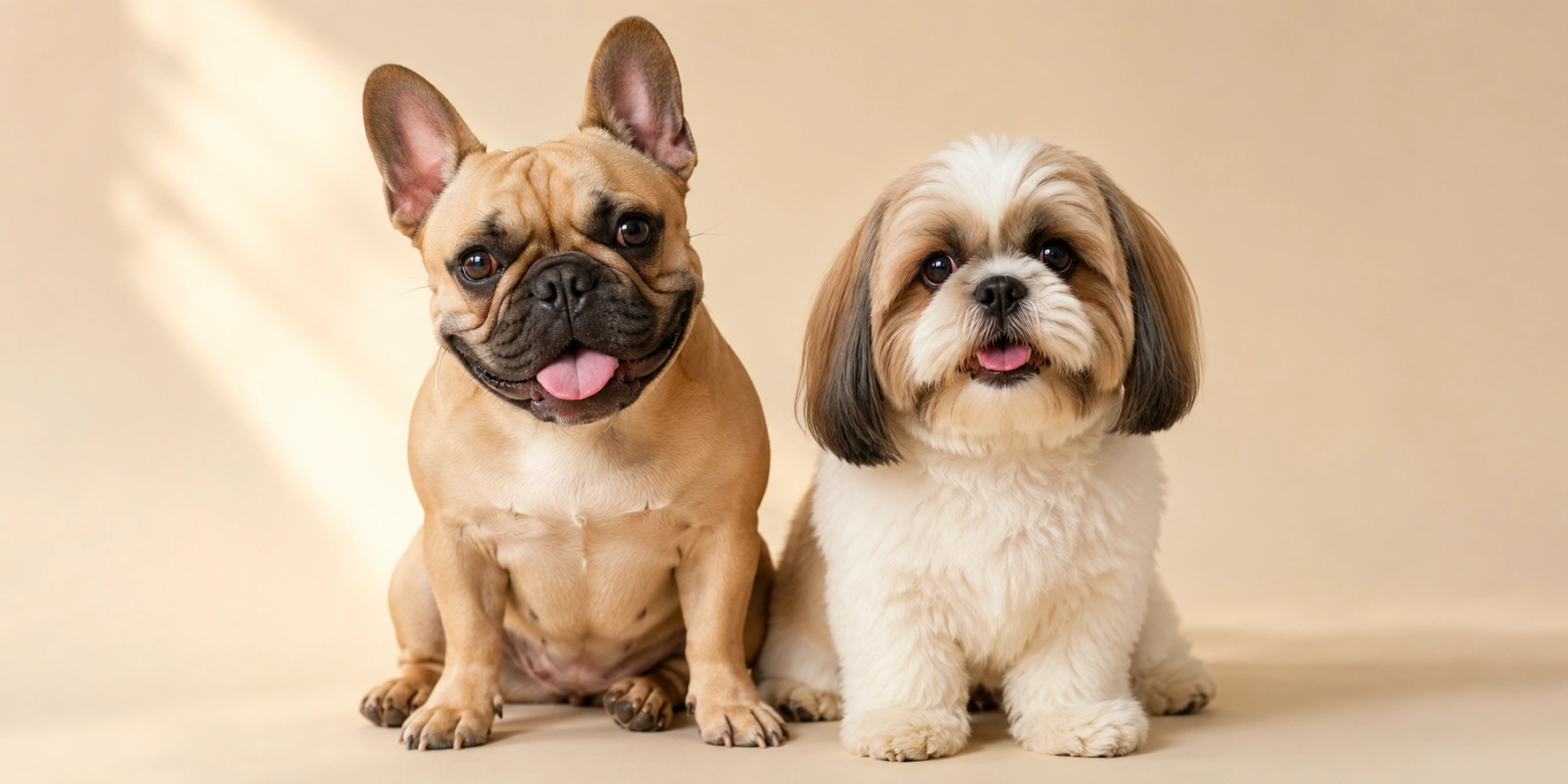
Small Breeds (10-25 lbs)
French Bulldogs, Shih Tzus, Boston Terriers, Cavalier King Charles Spaniels, and Pugs. Good balance of portability and sturdiness. Adaptable to various living situations. Some have significant health issues due to extreme features.
$800–$4,000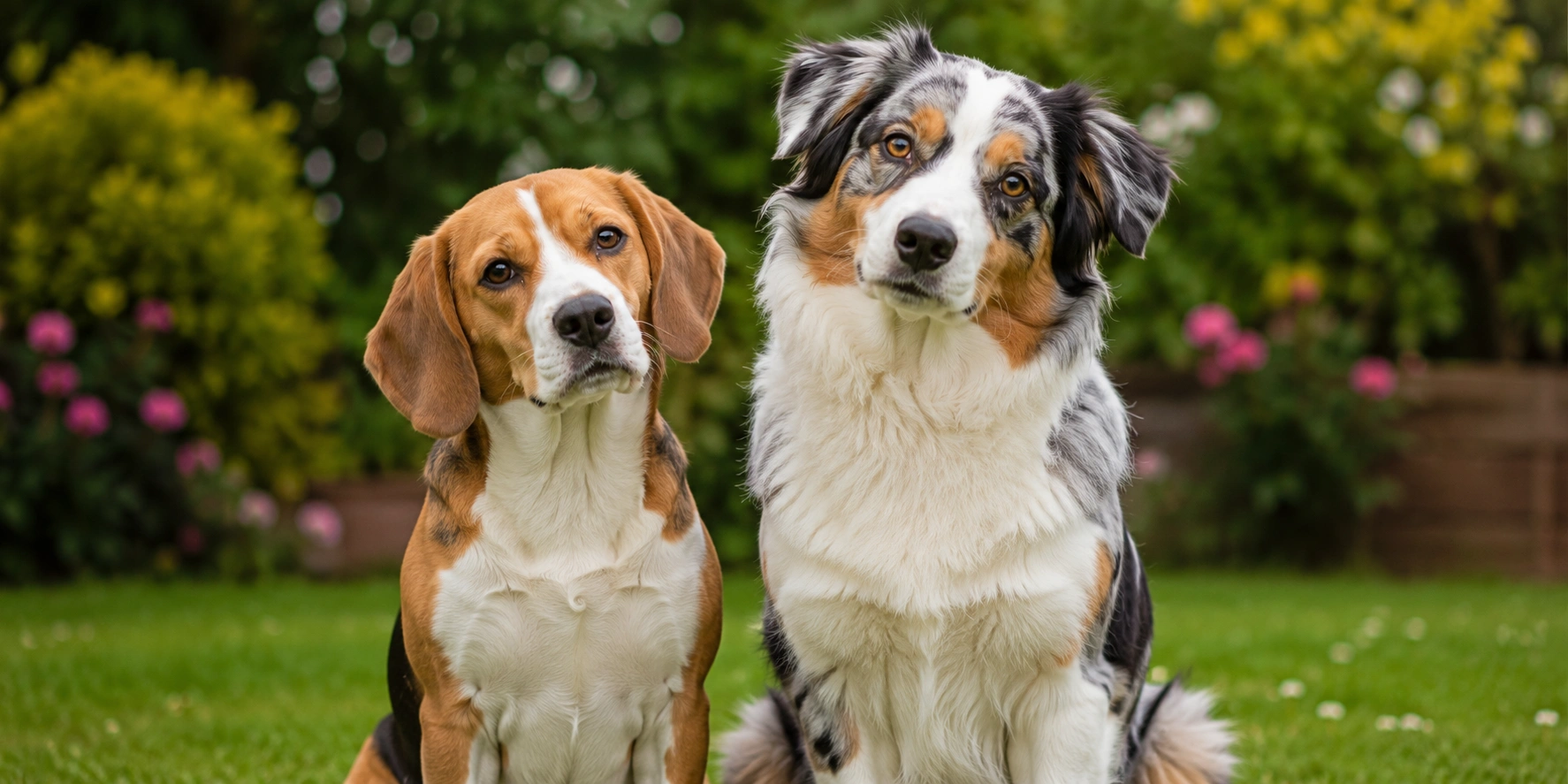
Medium Breeds (25-50 lbs)
Beagles, Australian Shepherds, Border Collies, Brittanys, and Cocker Spaniels. Often the most versatile size—active enough for hiking, compact enough for most homes. Many were bred for work and need significant exercise.
$600–$2,500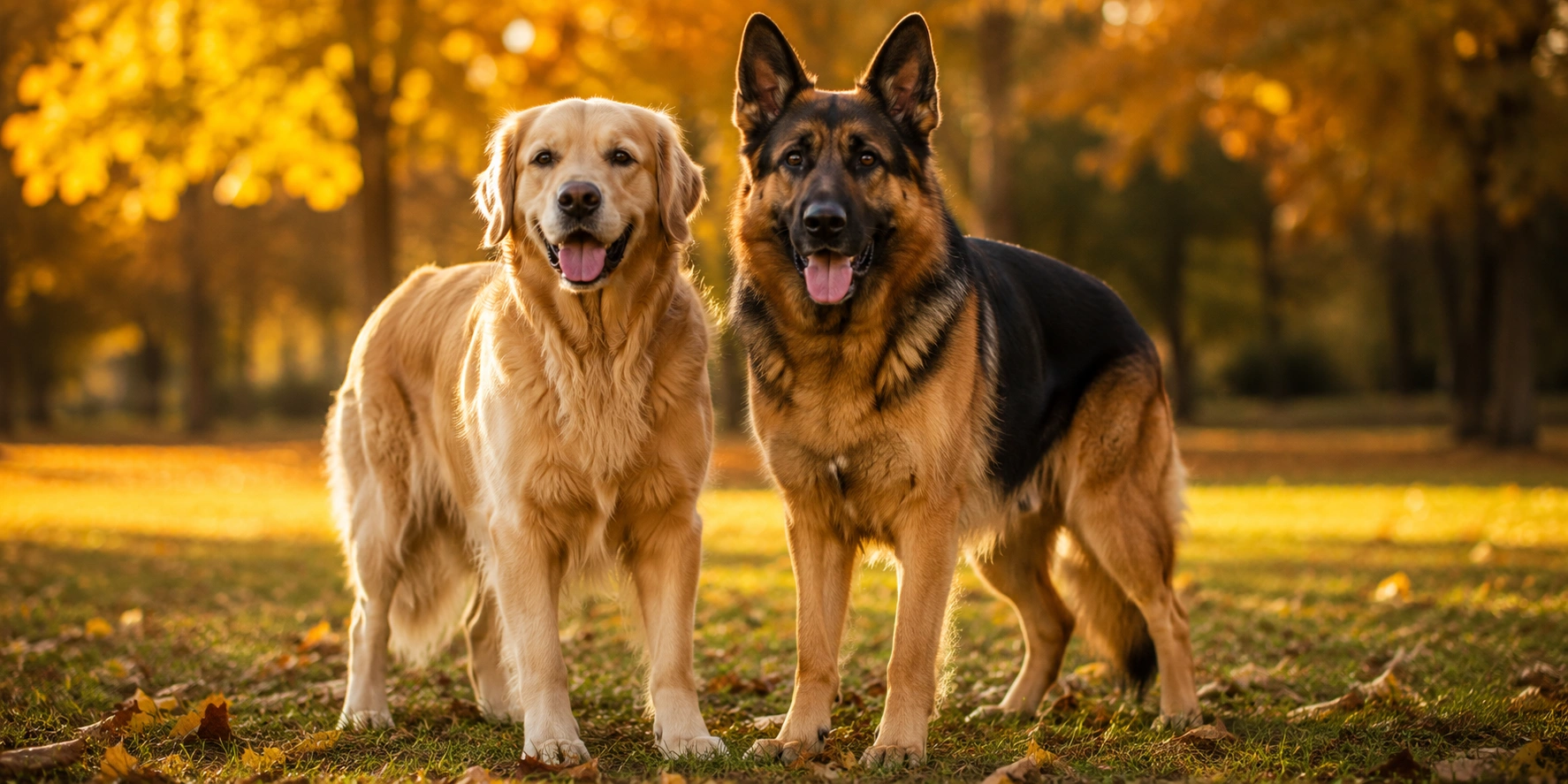
Large Breeds (50-90 lbs)
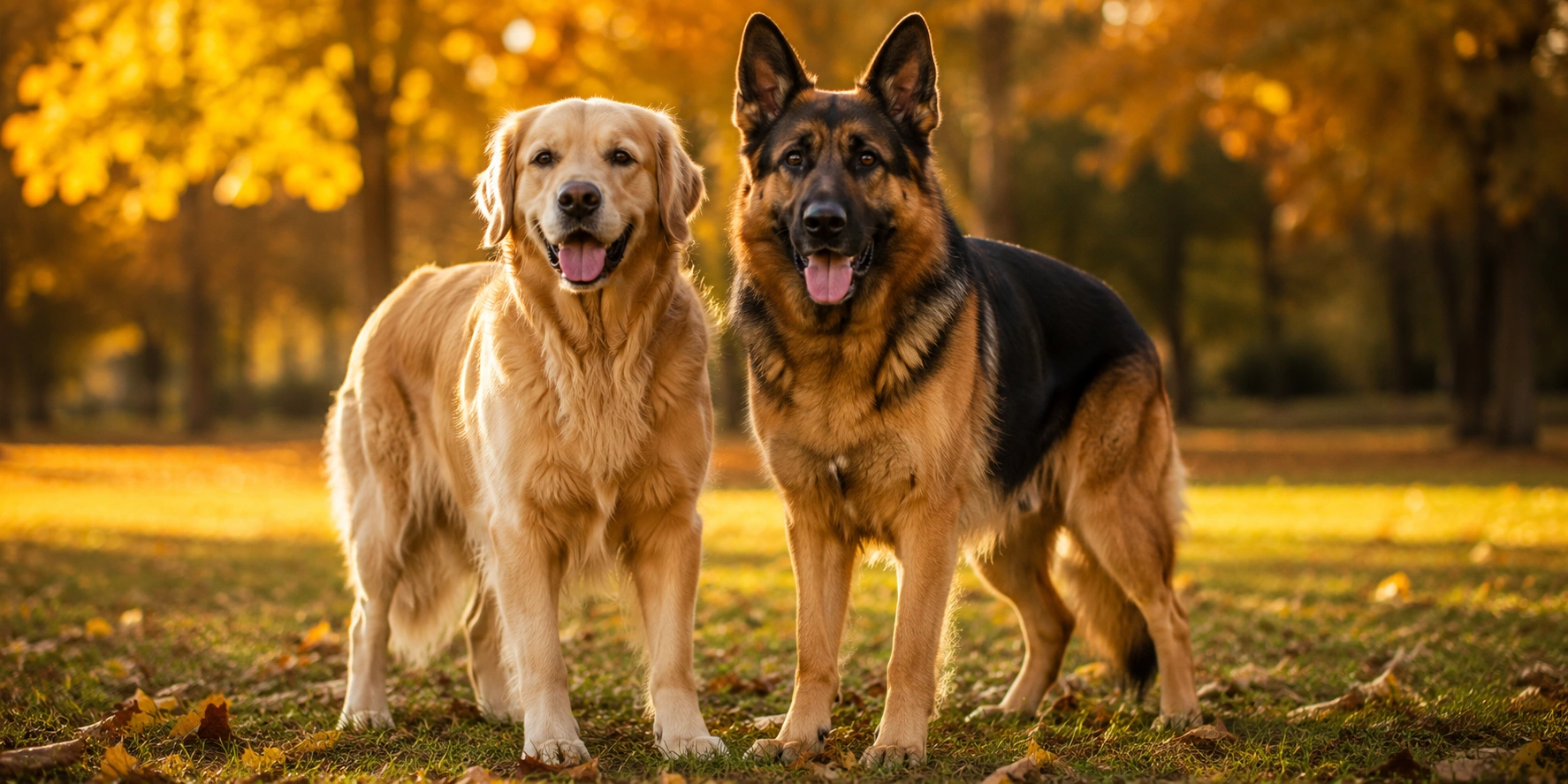
Golden Retrievers, German Shepherds, Labrador Retrievers, Boxers, and Rottweilers. Excellent family dogs and working partners. Higher food, medication, and boarding costs. Shorter lifespans (8-12 years). Need substantial space and exercise.
$800–$3,500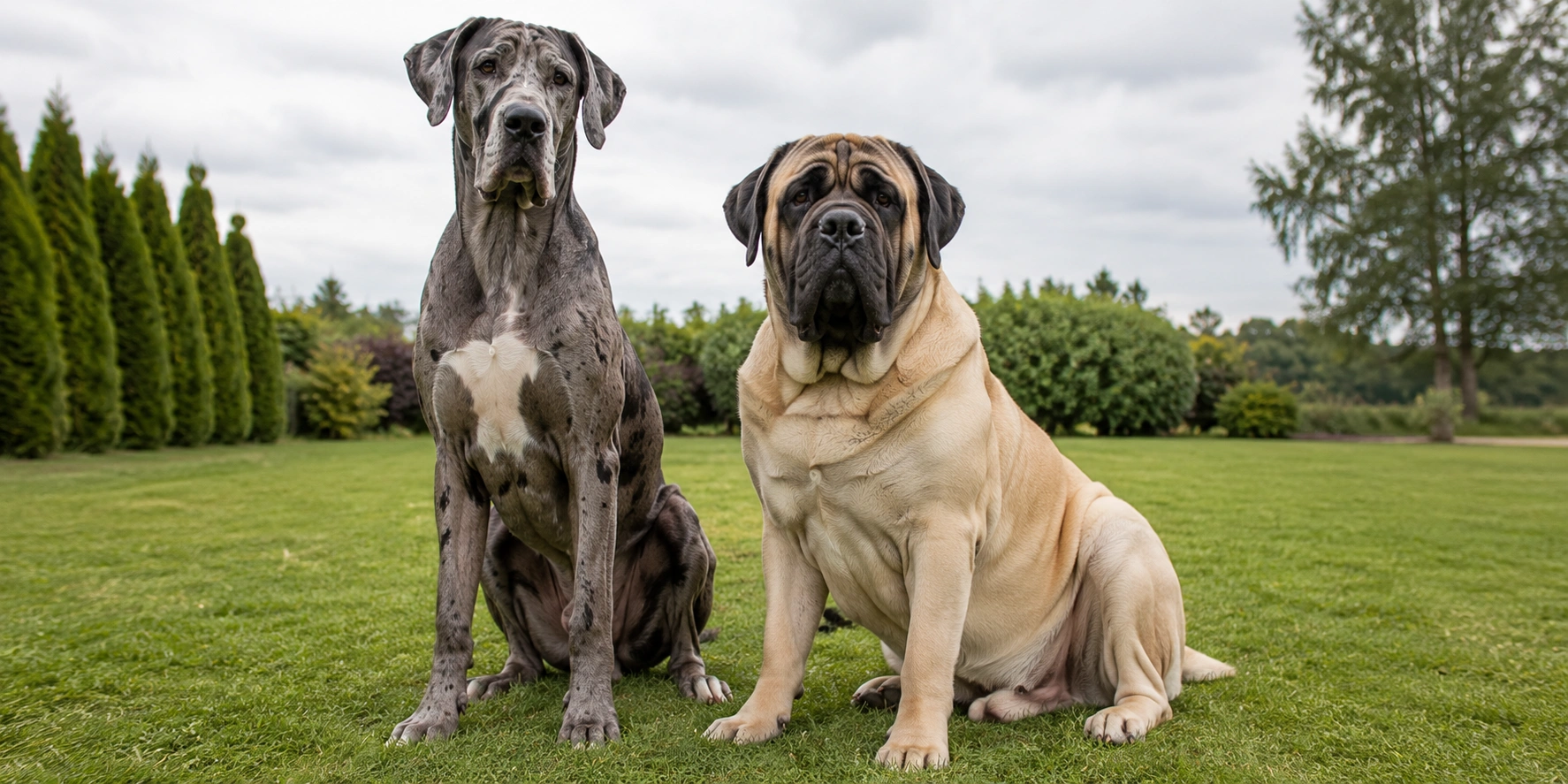
Giant Breeds (Over 90 lbs)
Great Danes, Mastiffs, Saint Bernards, Newfoundlands, and Irish Wolfhounds. Gentle giants with calm temperaments. Significant costs for food, supplies, and veterinary care. Shortest lifespans (6-9 years). Require careful management of growth in puppies.
$1,000–$4,000
Mixed Breeds (All Sizes)
Unique combinations with unpredictable adult size and appearance. Often have "hybrid vigor"—fewer hereditary health problems. Lower purchase costs. Can be wonderful companions, but adult temperament and size are less predictable.
$100–$500 (adoption)Dog Breeds by Type
Understanding breed types helps predict behavior patterns and exercise needs. Dogs were developed for specific jobs, and these instincts remain strong even in pet dogs.
| Breed Type | Examples | Exercise Needs | Trainability | Best For |
|---|---|---|---|---|
| Sporting | Labs, Goldens, Spaniels | High (1-2 hrs daily) | Very High | Active families, outdoor enthusiasts |
| Herding | Border Collies, Shepherds, Corgis | Very High (2+ hrs daily) | Very High | Experienced owners, dog sports |
| Working | Rottweilers, Mastiffs, Huskies | High (1.5-2 hrs daily) | Moderate to High | Experienced owners, specific purposes |
| Terrier | Jack Russells, Airedales, Staffords | High (1-1.5 hrs daily) | Moderate | Active owners, no small pets |
| Toy | Chihuahuas, Pomeranians, Maltese | Low to Moderate (30-60 min) | Moderate | Apartment dwellers, seniors |
| Non-Sporting | Bulldogs, Poodles, Dalmatians | Varies widely | Varies widely | Research each breed individually |
| Hound | Beagles, Greyhounds, Bloodhounds | Moderate to High | Low to Moderate | Patient owners, secure fenced yards |
Specialized Breed Categories
Beyond size and type, many prospective owners have specific needs. These specialized categories address common priorities.
Hypoallergenic & Low-Shedding Breeds
No dog is truly hypoallergenic—all dogs produce dander and saliva that can trigger allergies. However, some breeds shed minimally and produce less dander, making them better choices for allergy sufferers:
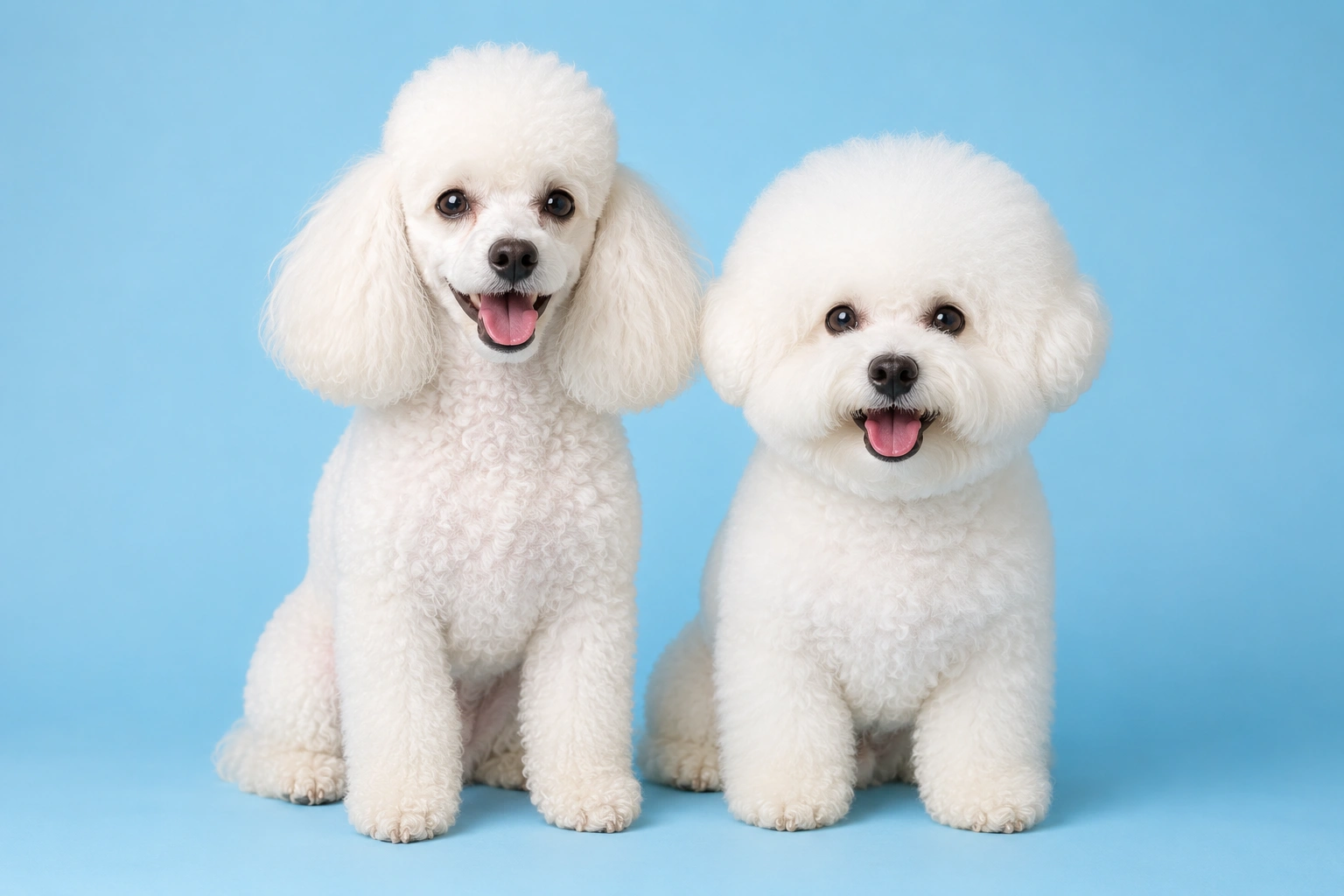
- Poodles (all sizes): Highly intelligent, minimal shedding, comes in three sizes to match different lifestyles.
- Bichon Frise: Cheerful, affectionate companions with cotton-like coats that need regular grooming.
- Schnauzers (Miniature, Standard, Giant): Wiry coats shed minimally. Bold, alert temperaments.
- Portuguese Water Dogs: Athletic, intelligent, and adventurous. High energy but very trainable.
- Soft Coated Wheaten Terriers: Friendly, outgoing terriers with silky, wavy coats.
Allergy Testing Tip: Before committing to a "hypoallergenic" breed, spend significant time with that breed to test your reaction. Allergies vary by individual—what works for one person may not work for another. Consider visiting a breeder multiple times before bringing a puppy home.
Best Family Dog Breeds
The best family dogs are patient, sturdy, and tolerant of children's unpredictable behavior:
- Golden Retrievers: The quintessential family dog—patient, gentle, and eager to please.
- Labrador Retrievers: Outgoing, active, and adaptable. America's most popular breed for good reason.
- Beagles: Merry, friendly, and relatively low-maintenance. Great with kids but follow their noses.
- Cavalier King Charles Spaniels: Affectionate, gentle, and good with children of all ages.
- Newfoundlands: Gentle giants known as "nanny dogs" for their patience with children.
Best Apartment Dog Breeds
Apartment living requires breeds that adapt to smaller spaces, don't bark excessively, and have moderate exercise needs:
- French Bulldogs: Low exercise needs, minimal barking, adaptable to various schedules.
- Pugs: Charming, low-key companions content with short walks and lots of naps.
- Greyhounds: Surprisingly lazy indoors despite their athletic build. Quiet and clean.
- Shih Tzus: Bred as companions, they're content with indoor play and short walks.
- Boston Terriers: Compact, relatively quiet, and adaptable to different activity levels.
Best Guard Dog Breeds
Effective guard dogs are protective without being aggressive—proper training is essential for all guard breeds:
- German Shepherds: Intelligent, loyal, and naturally protective. Highly trainable.
- Rottweilers: Powerful, confident, and devoted to family. Require experienced handling.
- Doberman Pinschers: Alert, energetic, and quick to respond to threats.
- Bullmastiffs: Imposing presence but surprisingly docile with family. Low exercise needs.
- Giant Schnauzers: Vigilant, intelligent, and versatile working dogs.
Guard Dog Warning: Guard breeds require extensive training and socialization to be safe family members. Poorly trained guard dogs become liability risks. Consider whether you truly need a guard dog versus a dog who simply alerts to visitors—many breeds bark at strangers without the management challenges of true guard breeds.
Key Factors in Breed Selection
Beyond size and type, these practical factors should drive your breed decision:

- Activity Level Match: Be brutally honest about your exercise commitment. If you work long hours and prefer evenings on the couch, a Border Collie will be miserable. Choose a breed whose needs match your actual lifestyle, not your aspirational one.
- Grooming Commitment: Long-coated and curly-coated breeds require professional grooming every 4-6 weeks plus daily brushing at home. This costs $60-120 per session and takes significant time. Short-haired breeds are much lower maintenance.
- Climate Considerations: Brachycephalic (flat-faced) breeds like Bulldogs and Pugs struggle in heat. Double-coated breeds like Huskies and Malamutes suffer in hot climates. Thin-coated breeds like Greyhounds need protection in cold weather.
- Training Experience: Some breeds are forgiving of training mistakes and eager to please (Labs, Goldens). Others are independent, strong-willed, or easily bored (Huskies, Terriers, Hounds) and challenge novice owners.
- Time at Home: Breeds prone to separation anxiety (Velcro dogs like Cavaliers, Maltese, and many toy breeds) suffer when left alone for long hours. Independent breeds handle solitude better.
- Lifespan Considerations: Small breeds live 12-16+ years. Large breeds live 8-12 years. Giant breeds may only live 6-9 years. Consider the emotional and financial commitment across the dog's entire life.
- Existing Pets: Some breeds have high prey drive and shouldn't live with cats or small animals (Terriers, Sighthounds). Others are highly social and enjoy multi-dog households (Retrievers, Spaniels).
Understanding Breed-Related Costs
The purchase price is just the beginning. Ongoing costs vary dramatically by breed size and health predispositions.
| Expense Category | Small Breed (Yearly) | Medium Breed (Yearly) | Large/Giant Breed (Yearly) |
|---|---|---|---|
| Food | $150–$300 | $300–$500 | $500–$1,200 |
| Veterinary Care | $200–$500 | $300–$700 | $500–$1,500 |
| Preventive Medications | $100–$200 | $150–$300 | $200–$500 |
| Grooming | $300–$800 | $200–$600 | $100–$300 |
| Supplies & Equipment | $100–$200 | $150–$300 | $200–$500 |
| Boarding/Pet Sitting | $400–$800 | $600–$1,200 | $800–$2,000 |
| TOTAL ANNUAL ESTIMATE | $1,250–$2,800 | $1,700–$3,600 | $2,300–$6,000 |
Emergency Fund Recommendation: Set aside $1,000-3,000 for unexpected veterinary expenses, especially for breeds prone to health problems. Consider pet insurance to manage catastrophic costs. Large and giant breeds are particularly expensive when health issues arise due to medication dosing and specialized equipment needs.
Where to Find Your Dog
Where you get your dog matters as much as which breed you choose. Reputable sources prioritize health and temperament over profit.
Reputable Breeders
Good breeders are invested in producing healthy, well-socialized puppies and will be resources for you throughout the dog's life:
- Health testing: Perform appropriate genetic and health tests for the breed (hips, eyes, heart, etc.). Ask to see documentation.
- Socialization: Expose puppies to various stimuli during critical development periods (3-14 weeks).
- Lifetime support: Take dogs back if circumstances change and provide guidance throughout the dog's life.
- Interview you: Carefully screen potential puppy buyers to ensure good matches.
- Knowledgeable: Can discuss breed health issues, temperament, and care requirements in depth.
Red Flags to Avoid: Puppies available constantly, multiple breeds available, no health testing, won't let you visit, pressures you to buy immediately, or sells to pet stores. These indicate puppy mills or backyard breeders who prioritize profit over dog welfare.
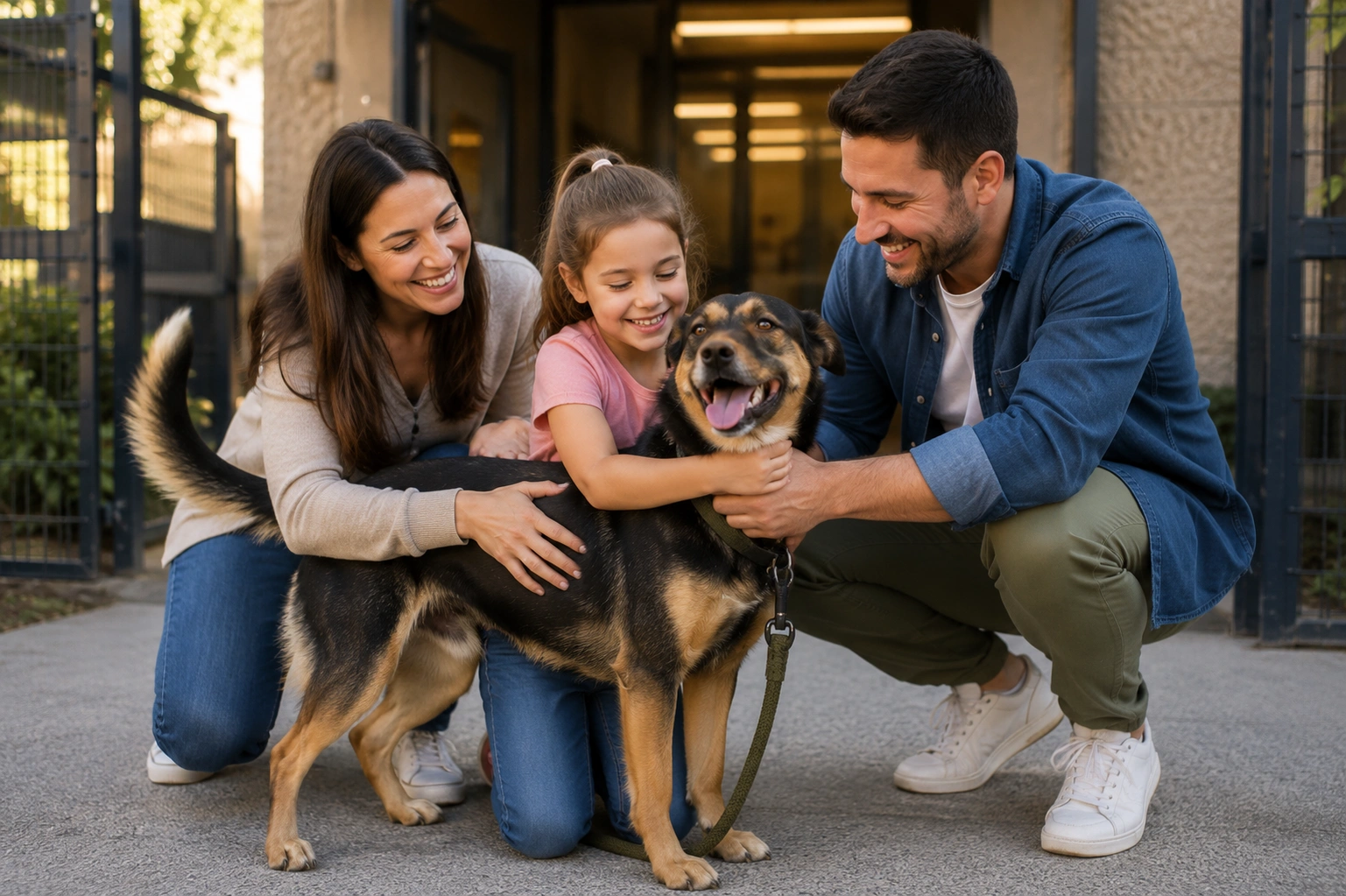
Rescues and Shelters
Millions of wonderful dogs wait in shelters and rescues—including purebreds. Benefits include:
- Lower costs: Adoption fees typically $100-500, often including vaccinations, spay/neuter, and microchip.
- Known temperament: Adult dogs have established personalities—you know what you're getting.
- Health screening: Reputable rescues provide veterinary care and behavior assessments.
- Support: Breed-specific rescues offer expertise and ongoing guidance.
- Saving a life: You're giving a deserving dog a second chance.
Preparing for Your New Dog
Once you've chosen your breed and found your dog, proper preparation prevents common problems and helps your new family member adjust smoothly.
Essential Supplies by Breed Size
| Supply Category | Small Breeds | Medium Breeds | Large/Giant Breeds |
|---|---|---|---|
| Collar Size | 8-12 inches | 12-18 inches | 18-28+ inches |
| Leash | 4-6 ft lightweight | 6 ft standard | 6 ft heavy-duty |
| Bed Size | 20-24 inches | 30-36 inches | 40-54+ inches |
| Crate Size | 18-24 inches | 30-36 inches | 42-54+ inches |
| Food Bowl | 8-12 oz | 16-24 oz | 32-64+ oz |
| Toy Size | Small/mini | Medium | Large/X-large |
Breed-Specific Preparation
- High-energy breeds: Set up exercise routines before bringing your dog home. Identify dog parks, trails, and training facilities in your area.
- Guard/protection breeds: Research trainers experienced with your breed. Plan for early socialization to prevent over-protectiveness.
- Long-coated breeds: Find a groomer you trust and schedule the first appointment. Purchase grooming tools for home maintenance.
- Brachycephalic breeds: Prepare for heat sensitivity—plan indoor activities for summer, learn signs of heat stroke.
- Large/giant breeds: Puppy-proof extensively—these dogs can reach countertops and tables. Invest in heavy-duty toys and orthopedic beds from the start.
- Anxiety-prone breeds: Set up a safe space, consider calming products, and plan a gradual introduction to alone time.
Frequently Asked Questions
Ready to Find Your Perfect Match?
The best dog breed for you is one that matches your actual lifestyle—not your idealized version of it. Be honest about your activity level, time commitment, experience, and living situation. Once you've narrowed down your options, spend time with dogs of those breeds before making a final decision. Whether you choose a purebred from a reputable breeder or adopt a mixed breed from a rescue, the right match will bring years of joy and companionship. And once you've found your dog, check our supplies checklist to make sure you're fully prepared for your new family member.