Dog Joint Health: Complete Guide to Prevention, Supplements & Care
From arthritis prevention to natural pain relief — help your dog stay active, comfortable, and mobile for life.
Healthy joints are the foundation of an active, joyful life for your dog. Yet joint problems — from hip dysplasia to osteoarthritis — affect nearly 1 in 4 dogs during their lifetime. The good news: with proper knowledge, early action, and targeted care, you can dramatically slow joint degeneration, relieve pain, and keep your companion running, jumping, and exploring for years to come. This guide compiles veterinary insights and evidence-based strategies to help you make informed decisions about your dog's joint health.
1. Understanding Canine Joint Health
Joints are complex structures where bones meet, cushioned by cartilage and lubricated by synovial fluid. In dogs, the most vulnerable joints include hips, elbows, knees (stifles), and shoulders. Over time, wear-and-tear, genetics, or injuries can break down cartilage, leading to inflammation, pain, and osteoarthritis. Unlike humans, dogs instinctively hide pain, so joint issues often go unnoticed until significant damage has occurred.
🔍 Key fact: Cartilage has no nerve endings, so your dog won't feel pain until the underlying bone becomes exposed. That is why preventive care and early intervention are crucial.
2. Early Signs of Joint Problems
Subtle changes in behavior and movement are the earliest red flags. Recognizing them allows you to act before chronic pain sets in.
- Stiffness after rest: Your dog is slow to get up in the morning or after napping, but loosens up after moving.
- Reluctance to climb stairs or jump: Hesitation before hopping onto the couch or into the car.
- Limbs “bunny hopping”: Running with both hind legs moving together instead of alternately — common in hip dysplasia.
- Audible joint clicking or grating (crepitus) during movement.
- Personality changes: Irritability when touched, less enthusiasm for walks, or hiding.
3. Causes & Risk Factors
Primary causes
- Genetics: Hereditary conditions like hip/elbow dysplasia, osteochondritis dissecans (OCD).
- Obesity: Excess weight dramatically accelerates cartilage breakdown. Even 10% overweight increases joint stress.
- Injury/trauma: ACL tears, fractures, or repetitive stress from intense puppy exercise.
- Developmental issues: Poor nutrition during growth (excess calcium or calories) leading to skeletal abnormalities.
Lifestyle factors
- High-impact activities (e.g., frisbee jumping on hard surfaces) on young, growing joints.
- Slick floors (tile, hardwood) that cause unnatural sliding and strain joints.
- Lack of regular low-impact exercise leads to weak supporting muscles.
4. Dog Breeds Most Prone to Joint Issues
While any dog can develop joint disease, certain breeds have significantly higher genetic predisposition. If you own or plan to adopt one of these breeds, proactive joint care should start early — ideally before 1 year of age. See more in our dog breeds guide and specialized breed sections:
🐕 Large & Giant Breeds
Large breeds like Labrador Retrievers, Golden Retrievers, German Shepherds, Rottweilers, and Great Danes are at high risk for hip/elbow dysplasia and osteoarthritis.
🐩 Medium Breeds
Bulldogs (both English and French) face unique spinal and hip issues. Bulldog breeds often develop joint problems due to conformation.
🐾 Small Breeds
Dachshunds, Corgis, and Shih Tzus are prone to intervertebral disc disease (IVDD), affecting spinal joints.
🏃🏻♂️ Active Working Breeds
Mastiff breeds and terriers may develop arthritis secondary to high-energy lifestyles and heavy body mass.
5. Prevention Strategies (Starts Today)
Prevention is always more effective than treatment. Integrating these strategies will dramatically reduce your dog’s risk of debilitating joint disease.
- Maintain ideal body weight: Use dog weight management techniques. Lean dogs live longer with healthier joints. Work with your vet to determine Body Condition Score (BCS).
- Provide joint-friendly exercise: Swimming, walking on soft surfaces, and controlled leash walks strengthen muscles without impact. Check our complete exercise guide.
- Start joint supplements early: For at-risk breeds, begin glucosamine/chondroitin supplements as early as 1 year old.
- Feed a balanced diet with omega-3s: High-quality senior dog diet or adult formulas rich in EPA/DHA reduce inflammation.
- Avoid repetitive stress on puppy joints: Never force a puppy to run long distances or jump excessively until growth plates close (12–18 months).
💡 Proactive tip: For dogs genetically prone to joint disease, ask your vet about performing OFA (Orthopedic Foundation for Animals) screening and consider genetic testing for dog breeds to understand inherited risks.
6. Best Joint Supplements for Dogs (Evidence-Based)
Quality joint supplements can slow cartilage degradation, reduce inflammation, and improve mobility. Always choose products that contain scientifically validated ingredients. Below are the most recommended types:
| Ingredient | Benefits | Typical dosage (based on weight) |
|---|---|---|
| Glucosamine HCl + Chondroitin | Stimulates cartilage production, blocks destructive enzymes | 500–1500 mg/day for medium/large dogs |
| Omega-3 Fatty Acids (EPA/DHA) | Powerful anti‑inflammatory, reduces joint pain | 1000–2000 mg EPA/day (vet directed) |
| MSM (Methylsulfonylmethane) | Reduces oxidative stress, improves flexibility | 500–2000 mg/day |
| Green-lipped mussel | Natural source of GAGs, ETA fatty acids | 500–1500 mg/day |
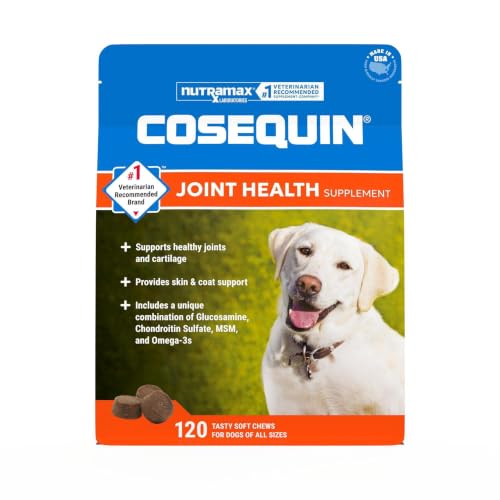
Many veterinarians also recommend dog supplements containing hyaluronic acid or curcumin. Ensure the product is third-party tested (e.g., NASC certified). Below you will find our top recommended joint health products that combine these science-backed ingredients.
7. Exercise & Physical Therapy for Arthritic Dogs
Controlled, low-impact exercise is medicine for stiff joints. Passive range-of-motion exercises, therapeutic massage, and underwater treadmill therapy are excellent. Incorporate daily:
- Short, frequent walks (10–15 minutes, 3x daily) instead of one long walk.
- Swimming or hydrotherapy – removes weight from joints while building muscle.
- At-home balance exercises: Standing on unstable cushions (cavaletti rails) improves proprioception.
- Avoid slippery floors; add rugs or yoga mats to high-traffic areas.
8. Medical & Surgical Treatments
When conservative management isn't enough, veterinary interventions can greatly improve quality of life. Common options:
- NSAIDs (pain relief): Prescription anti‑inflammatories (carprofen, meloxicam) reduce pain & swelling. Never give human ibuprofen.
- Injectable therapies: Adequan (polysulfated glycosaminoglycan) helps repair cartilage; Librela (monthly injection) targets nerve growth factor for arthritis pain.
- Joint surgery: For severe hip dysplasia (total hip replacement), TPLO for ACL tears, or arthroscopic debridement for OCD lesions.
- Laser therapy & acupuncture: Complementary modalities that reduce inflammation and stimulate healing.
🐾 When to see a specialist? If your dog does not improve after 4–6 weeks of medical management, ask for a referral to a veterinary orthopedic surgeon or rehabilitation specialist.
9. At‑Home Comfort & Mobility Aids
Simple adjustments to your home can dramatically ease your dog's daily life:
- Orthopedic dog beds: Memory foam relieves pressure on sore joints. Place beds in warm, draft-free areas.
- Ramps and stairs: Help dogs access couches or cars without jumping. See our recommended dog steps and ramps.
- Non-slip booties or toe grips: Improve traction on hardwood floors.
- Raised food/water bowls: Reduce neck and back strain, especially for giant breeds.
10. Frequently Asked Questions
Take control of your dog's joint health today. Whether your dog is a young, active athlete or a greying senior, the steps you take now will directly impact their comfort and mobility. Invest in a high-quality joint supplement, maintain a healthy weight, and adapt exercise to their needs. And remember — never hesitate to consult your veterinarian for personalized advice.