The Complete Guide to Dog Crates
Everything you need to know about choosing, sizing, and using a dog crate for training, safety, and comfort. Find the perfect crate for your canine companion.
A dog crate is one of the most versatile and valuable tools you can have for your dog. Far from being a cage, a crate serves as a safe den, a travel carrier, a management tool for potty training, and a place of comfort where your dog can retreat when they need quiet time. Whether you are bringing home a new puppy or looking to provide a secure space for an adult dog, understanding how to choose and use a crate properly is essential.
This guide walks you through every aspect of dog crates — from the different types and sizes to the materials and features that matter most. By the end, you will have the knowledge to select the perfect crate for your dog's needs and your lifestyle.
Why Use a Dog Crate?
Crates are misunderstood by many pet owners who view them as punitive. In reality, a properly introduced crate appeals to a dog's natural denning instinct. It provides a sense of security and a private space that belongs to them. Here are the primary benefits:
- Safety and Supervision: When you cannot watch your dog, a crate prevents them from chewing electrical cords, eating toxic items, or getting into other dangerous situations. It is especially important for puppies who explore the world with their mouths.
- Potty Training: Dogs naturally avoid soiling their sleeping area. A correctly sized crate teaches your dog to hold their bladder and bowel movements, making potty training faster and more predictable.
- Travel Safety: A crate is the safest way to transport your dog in a car. It prevents them from distracting the driver and protects them in case of an accident. For airline travel, a crate is often mandatory.
- Management of Behavior: If your dog suffers from destructive behavior or anxiety, a crate provides a safe haven and prevents them from practicing unwanted behaviors when alone.
- Recovery and Rest: After surgery or injury, a crate restricts movement and allows your dog to heal properly. It also gives senior dogs a quiet, comfortable place to rest away from household activity.
Important Note: A crate should never be used as punishment. It must always be associated with positive experiences. If you are struggling with crate training, consult a professional behaviorist or trainer.
Types of Dog Crates
Not all crates are created equal. The best type for you depends on your dog's size, temperament, travel habits, and where the crate will be placed in your home.
Wire Crates
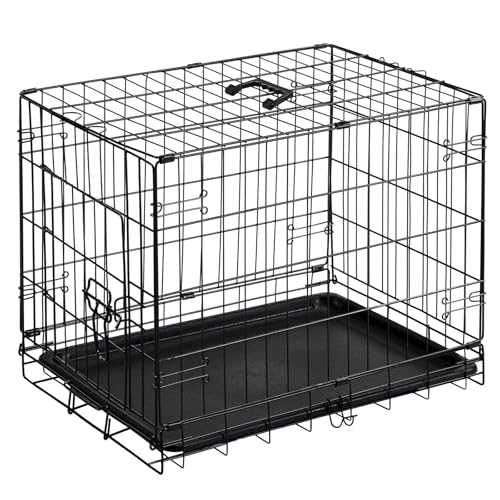
The most popular and versatile option. Wire crates offer excellent ventilation and visibility, allowing your dog to see their surroundings. Most are collapsible for easy storage and travel. They often include divider panels for growing puppies. Best for home use and dogs who are comfortable in crates.
Entry-level to mid-rangePlastic Airline Crates
Enclosed, sturdy, and approved for most airline travel. They provide a den-like environment that many dogs find calming. Less ventilation than wire crates, but more privacy. Ideal for travel and for dogs who prefer a darker, more enclosed space. Bulkier to store than wire crates.
Mid-rangeSoft-Sided Crates
Lightweight, portable, and easy to set up. Made from durable fabric over a flexible frame. Great for travel, camping, and dogs who are calm in crates. Not suitable for dogs who chew or are escape artists. Offer less structural security than hard-sided crates.
Budget-friendly to mid-tierHeavy-Duty Aluminum Crates
Escape-proof and extremely durable. Designed for dogs who can break out of standard crates or have severe separation anxiety. Often used by professionals and for dogs with destructive tendencies. Heavy, expensive, and not collapsible. A long-term investment.
Premium to luxuryFurniture-Style Crates
Designed to blend with your home decor. They double as end tables, nightstands, or benches. Usually made of wood or wicker. Aesthetically pleasing but often heavier and more expensive. Ventilation may be limited compared to wire crates. Best for dogs who are already crate trained.
Mid-tier to high-endExercise Pens
Not technically a crate, but a valuable companion tool. Exercise pens are modular enclosures that give your dog more space than a crate while still restricting them to a safe area. Often used with a crate inside for a puppy apartment setup. Great for puppies and small breeds.
Entry-level to mid-rangeHow to Choose the Right Size
Size is the most critical factor when choosing a crate. A crate that is too small is uncomfortable and potentially dangerous. A crate that is too large defeats the purpose of potty training and can make your dog feel insecure.
The Golden Rules of Crate Sizing
- Standing: Your dog must be able to stand up fully without their head touching the top of the crate.
- Turning: Your dog must be able to turn around completely and comfortably.
- Lying Down: Your dog must be able to lie down in a natural position with their legs fully extended.
How to Measure Your Dog
Use a flexible measuring tape to get these two measurements:
- Height: Measure from the floor to the top of your dog's head (or ears, if they stand up).
- Length: Measure from the tip of their nose to the base of their tail.
Add 2-4 inches to both measurements. This is the minimum internal dimension your crate should have. Most manufacturers provide size charts based on weight, but weight alone is not reliable — a tall, slender dog may need a taller crate than a heavier, shorter dog.
Puppy Sizing Tip: Buying a crate for a puppy can be tricky. The best approach is to buy a crate sized for your puppy's expected adult size and use a divider panel to adjust the space as they grow. This prevents you from buying multiple crates and ensures the crate is always the correct size for potty training.
Crate Materials & Durability
The material of your crate affects its durability, weight, ventilation, and appearance. Here is a breakdown of common materials:
- Steel Wire: The most common material for wire crates. Durable, well-ventilated, and relatively lightweight. Can be chewed by determined dogs, so not escape-proof. Look for rust-resistant coatings.
- ABS Plastic: Used for airline crates. Impact-resistant, easy to clean, and provides good insulation. Heavier than wire but very durable. Not ideal for dogs who chew.
- Aluminum: Used for heavy-duty crates. Lightweight, rust-proof, and extremely strong. Often used for escape artists and professional settings. Expensive but lasts a lifetime.
- Wood: Used for furniture-style crates. Aesthetically pleasing but heavier and less ventilated. Can be chewed. Best for calm, crate-trained dogs.
- Fabric (Polyester/Nylon): Used for soft-sided crates. Lightweight and portable but not chew-proof. Best for travel and calm dogs.
Key Features to Look For
When comparing crates, these features make a significant difference in usability and your dog's comfort:
- Divider Panel: Essential for puppies. Allows you to adjust the crate size as your puppy grows, preventing accidents and saving money on multiple crates.
- Multiple Doors: A crate with a front and side door offers more placement flexibility in your home. A single door is sufficient but less versatile.
- Collapsibility: If you travel or need to store the crate, a collapsible design is a must. Most wire crates fold flat without tools.
- Locking Mechanism: Look for secure, easy-to-use latches. Slide-bolt latches are common, but some dogs can learn to open them. Consider carabiner clips for extra security.
- Removable Tray: A slide-out tray makes cleaning accidents easy. Ensure the tray is secure and cannot be pulled out by your dog.
- Carrying Handle: Essential for travel crates. A comfortable handle makes transporting the crate much easier.
- Non-Skid Feet: Prevents the crate from sliding on hard floors and protects your flooring from scratches.
- Rubberized Coating: Some wire crates have a protective coating that prevents rust and is gentler on your dog's paws and teeth.
Crates for Puppies
Puppies have specific crate needs that differ from adult dogs. A crate is an invaluable tool during the puppy stage for potty training, preventing destructive chewing, and providing a safe place to rest.
Choosing a Puppy Crate
- Buy for Adult Size: Purchase a crate that will fit your puppy when they are fully grown. Use a divider panel to reduce the space to a size appropriate for their current age.
- Wire is Best: Wire crates offer the best ventilation and visibility for puppies. They are also the most affordable and adaptable.
- Easy to Clean: Puppies have accidents. A crate with a removable, washable tray is essential.
- Durability: Puppies chew. Choose a crate with sturdy construction and no sharp edges. Avoid soft-sided crates for teething puppies.
Puppy Crate Training Tip: The crate should be just big enough for your puppy to stand, turn, and lie down. If it is too big, they will eliminate in one corner and sleep in another. Use the divider to adjust the space as they grow. For more detailed guidance, see our guide on dog crates for puppies.
Crate Training Basics
Crate training is a process, not an event. It requires patience, consistency, and positive reinforcement. The goal is for your dog to see the crate as a safe, pleasant place — not a prison.
Step-by-Step Crate Training
- Introduce the Crate: Place the crate in a common area of your home. Leave the door open and allow your dog to explore it at their own pace. Toss treats inside to create a positive association.
- Feed Meals in the Crate: Start by feeding your dog their meals just outside the crate, then just inside the door, and eventually fully inside with the door open. This builds a strong positive association.
- Close the Door Briefly: Once your dog is comfortable eating inside, close the door for a few seconds while they eat. Gradually increase the time as they remain calm.
- Extend the Duration: Practice leaving the room for short periods, gradually increasing the time you are away. Always return before your dog becomes anxious.
- Use a Cue: Introduce a verbal cue like "crate" or "bed" when your dog enters. Reward them with a treat and praise.
- Nighttime Crating: Place the crate in your bedroom for the first few nights. This provides comfort and helps with puppy crying in the crate.
Never Use the Crate for Punishment: If you use the crate to punish your dog, they will learn to fear it. The crate must always be associated with positive experiences. If your dog is exhibiting anxiety or destructive behavior in the crate, consult a professional trainer or behaviorist.
Crate Accessories & Comfort
Once you have chosen the right crate, a few accessories can make it more comfortable and functional for your dog.
- Crate Mats and Beds: A comfortable crate mat or bed makes the crate inviting. Choose a bed that is machine washable and appropriately sized for the crate. For puppies who chew, consider a durable mat that cannot be shredded.
- Crate Covers: A crate cover can provide privacy and reduce visual stimuli that may cause barking or anxiety. It can also help dogs who are easily distracted settle down at night.
- Water Bowls: A spill-proof, mountable water bowl is ideal for crates, especially for longer periods. It prevents spills and keeps water clean.
- Puzzle Toys and Chews: A stuffed Kong or a durable chew toy can keep your dog occupied and create a positive association with the crate. Freeze a stuffed Kong for longer-lasting entertainment.
- Calming Products: If your dog is anxious in the crate, consider calming products, anxiety wraps, or pheromone diffusers. These can help ease the transition.
- Litter Boxes and Pee Pads: For very young puppies or in emergency situations, a small litter box or pee pads can be placed in an exercise pen attached to the crate.
Common Crate Mistakes to Avoid
Even well-meaning owners make mistakes that can undermine crate training or make the crate a negative place for their dog. Avoid these common pitfalls:
- Crate Too Large or Too Small: A crate that is too large defeats potty training and can make a dog feel insecure. A crate that is too small is uncomfortable and potentially dangerous.
- Using the Crate for Punishment: Never put your dog in the crate when you are angry or as a punishment. This creates a negative association that is difficult to undo.
- Leaving a Dog in a Crate for Too Long: Adult dogs should not be crated for more than 4-6 hours at a time. Puppies need more frequent breaks. If you work long hours, arrange for a dog walker or dog daycare.
- Not Exercising Before Crating: A tired dog is a calm dog. Ensure your dog gets adequate exercise and mental stimulation before being crated.
- Ignoring Signs of Distress: If your dog is panting, drooling, whining, or trying to escape the crate, they are stressed. Address the underlying issue rather than ignoring it. Consult a vet or behaviorist if needed.
- Skipping the Introduction: Do not force your dog into the crate. A gradual, positive introduction is essential for long-term success.
- Using the Wrong Crate for the Dog: A soft-sided crate is not suitable for a dog who chews. A wire crate is not ideal for an escape artist. Match the crate to your dog's temperament.
Frequently Asked Questions
Ready to Choose the Perfect Crate?
Choosing the right dog crate is an investment in your dog's safety, comfort, and training. Consider your dog's size, temperament, and your lifestyle needs. A well-chosen crate will serve you and your dog for years to come. If you are still unsure, our puppy crate guide and crate mat guide can help you make the final decision. For travel, don't forget a car harness or carrier for safe transport.