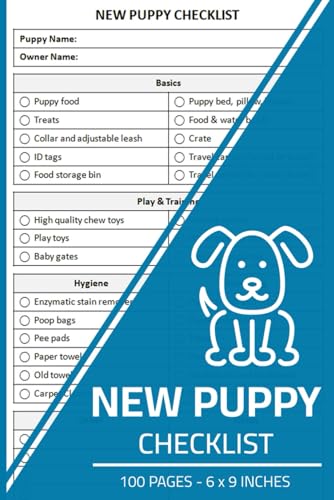
Puppy Supplies Checklist: Everything You Need Before Bringing Your Puppy Home
Getting a new puppy is exciting — but walking into a pet store without a plan leads to wasted money and missed essentials. This checklist tells you exactly what to buy, what to skip, and why each item matters.
Bringing home a puppy is one of life's great joys — and one of its great logistical challenges. Puppies arrive with needs that span feeding, sleeping, teething, training, and safety, and each of those needs comes with its own set of supplies. Without a clear plan, it's easy to overspend on gimmicks while forgetting something genuinely important.
This checklist is organized by priority and purpose, not by store aisle. You will find the items you genuinely cannot skip, the supplies you can add gradually, and the categories where a budget-friendly choice works just as well as a top-tier one. If this is your first puppy, you may also want to read our broader puppy visit checklist for choosing the right breeder and preparing for pickup day.
The Golden Rule of Puppy Shopping: Buy the essentials first, then add items as you learn your puppy's personality. Every puppy is different — a chew-obsessed Labrador needs different toys than a nervous Toy Poodle. Resistance to the temptation to buy everything at once is itself a valuable skill.
Core Essentials (Day One Must-Haves)
These are the items you should have ready before your puppy walks through the door. If your puppy arrives and you cannot feed them, keep them contained safely, or take them outside, you have a problem. Everything on this list is a genuine necessity.
Crate
Your puppy's safe space and the foundation of housetraining. Buy for adult size with a divider panel. Wire crates with a cover work well; plastic travel crates are also acceptable. This is one item where a mid-range option is usually worth more than the entry-level choice.
mid-range recommendedPuppy Food
Feed the food your breeder or shelter has been using to avoid digestive upset. Choose an AAFCO-compliant puppy formula. Ask about transitioning to a different food gradually over 7–10 days.
premium formula recommendedFood & Water Bowls
Stainless steel bowls are durable, easy to clean, and non-porous. Avoid plastic (retains bacteria and can cause chin acne). A raised feeder is optional and mainly useful for large-breed puppies.
affordableCollar with ID Tag
A lightweight, adjustable collar sized for your puppy's neck. Add an ID tag with your phone number on day one. Avoid harness-only setups at first — a simple collar and tag is your immediate safety net.
budget-friendlyLeash
A standard 4–6 foot leash in a comfortable material. Retractable leashes teach bad leash manners and are not recommended for training. A simple nylon or leather leash is the best starting point.
budget-friendlyPotty Supplies
Puppy pads, an enzyme cleaner, and a designated potty spot. Even with a yard, pads are useful for nighttime and pre-vaccination periods. See our potty section for details.
affordableFeeding Supplies
Feeding a puppy correctly is more than putting food in a bowl. Puppies have different nutritional needs than adult dogs, and their eating habits change as they grow. These supplies support healthy feeding and make mealtimes manageable.
The Feeding Checklist
- Puppy food — AAFCO-compliant, sized for your puppy's breed size. Small breeds need small kibble; large breeds need large-breed puppy formulas to support controlled growth.
- Two stainless steel bowls — One for water, one for food. Having a spare makes cleaning easier.
- Measuring cup or food scale — Portion control prevents overfeeding, the most common cause of puppy weight problems. Use the same scoop every time.
- Food storage container — Airtight container keeps kibble fresh and pest-free. Keep the original bag inside or nearby for lot numbers and recall information. See dog food containers for options.
- Training treats — Small, soft, high-value treats for training sessions. Use pea-sized pieces; you are rewarding behavior, not filling your puppy up.
- Slow feeder or puzzle bowl (optional) — Useful if your puppy inhales food and gulps air, which can cause bloating and vomiting.
Feeding Tip: Do not switch foods abruptly. A sudden change causes diarrhea, which is messy and can dehydrate a small puppy quickly. If you need to change brands, mix old and new food over 7–10 days, increasing the new food gradually. Puppies under six months typically eat three to four small meals daily.
Crate & Sleep Setup
A crate is not a cage — it is a den. Used correctly, it is the single most valuable training tool you will buy. It helps with housetraining, prevents destructive behavior when you cannot supervise, and gives your puppy a place to decompress. Proper setup matters as much as the crate itself.
Crate Setup Checklist
- Crate sized for adult weight — The crate should be large enough for your puppy to stand without crouching, turn around, and lie down stretched out when fully grown. Include a divider so you can shrink the space while they are small.
- Crate pad or bed — Soft but not so plush that your puppy shreds it. Washable is essential. Some puppies do better with a simple towel or flat mat at first.
- Crate cover — A light blanket or fitted cover over the top and sides creates a den-like feel and reduces visual stimulation. Leave the front open for airflow.
- Safe comfort item — A snuggle toy or an item with a littermate's scent can reduce first-night crying. Avoid anything with plastic eyes or small parts that can be chewed off.
- Water bowl that attaches to the crate — A clip-on bowl prevents spills and keeps water available. Remove it a couple of hours before bedtime once housetraining is underway.
Crate Sizing Rule of Thumb: Measure your puppy's adult height and length using breed standards, then add 2–4 inches. If you are unsure, choose a crate with a divider and size up rather than down. A too-small crate is uncomfortable; a too-large crate invites accidents in one corner. Our guide on dog crates breaks down sizing by breed group.
Potty Training Supplies
Housetraining is one of the first skills your puppy will learn, and the right supplies make it faster and less stressful. The goal is to set your puppy up to succeed, not to punish accidents after the fact.
- Puppy pads — Useful indoors, for apartments, nighttime, and before full vaccination. Place them in a consistent location and transition to outdoor pottying as soon as your puppy is cleared to go outside.
- Enzyme-based cleaner — Regular household cleaners do not eliminate the scent markers that tell your puppy "this is the bathroom." Enzyme cleaners break down the proteins so your puppy is not drawn back to the same spot.
- Potty schedule chart — A simple written schedule (after meals, after naps, after play, before bed) prevents most accidents. Puppies need to eliminate far more often than adult dogs.
- Outdoor potty area marker (optional) — A designated spot in the yard, sometimes marked with a small stake or gravel patch, helps your puppy learn where to go.
- Treats for potty success — Reward immediately after your puppy finishes outside, not when they come back in. Timing is everything.
Potty Training Reality Check: Expect accidents. A puppy's bladder is small, and their ability to hold it develops gradually. Punishing accidents teaches your puppy to hide their potty behavior, which makes training harder. Clean up quietly and increase the frequency of potty breaks. For nighttime strategies, see our guide on stopping puppy crying in the crate.
Toys & Chews for Teething
Puppies explore the world with their mouths, and teething makes chewing a physical need rather than a behavioral choice. The right toys protect your furniture, your shoes, and your puppy's developing teeth and jaws. The wrong toys become choking hazards or get destroyed in minutes.
Toy Categories Every Puppy Needs
Chew Toys
Rubber chews, nylon bones, and durable teething toys. Choose sizes large enough that they cannot be swallowed. Avoid rawhide for young puppies — it can cause digestive blockages. See chew toys for dogs.
mid-range durabilityPuzzle & Interactive Toys
Treat-dispensing puzzles and snuffle mats provide mental stimulation and tire your puppy out without physical exercise. Essential for rainy days and apartment living. See puzzle toys for dogs.
mid-rangeFetch & Tug Toys
Soft balls, rope toys, and plush toys for interactive play. Avoid small balls that fit entirely in the mouth. Rope toys double as dental floss — supervise use to prevent ingestion.
budget-friendlyComfort Toy
A soft plush toy or snuggle toy for sleeping and reassurance. Some come with a heartbeat simulator for first nights. Check for loose parts and remove tags before giving it to your puppy.
affordable- Start with 5–8 toys across categories — enough variety to keep your puppy engaged without overwhelming them.
- Rotate toys weekly — Keep some hidden and swap them out. Novelty keeps toys interesting and reduces the urge to chew forbidden items.
- Match toy size to puppy size — A toy that is too small is a choking hazard; a toy that is too large is frustrating.
- Supervise all toy play — Inspect toys regularly for tears and discard damaged ones immediately. Ingestion of toy parts is a common cause of emergency surgery in puppies.
- Skip rope toys with young puppies if they shred them — Ingested string can cause serious intestinal damage.
Grooming & Hygiene
Grooming is health care, not vanity. Regular brushing prevents mats, distributes natural oils, and gives you a chance to check for lumps, fleas, and skin problems. Nail trimming prevents gait problems and joint stress. Dental care prevents the most common disease in adult dogs. Start all of it early so your puppy learns to tolerate handling.
- Dog-specific shampoo — Human shampoo has the wrong pH and irritates puppy skin. Choose a gentle puppy formula. See dog shampoo options.
- Brush suited to coat type — Slicker brush for long coats, rubber curry for short coats, undercoat rake for double coats. See dog brushes.
- Nail clippers or grinder — Scissor-style clippers are easiest for beginners. Keep styptic powder on hand for accidental nicks. See dog nail clippers.
- Dog toothbrush and toothpaste — Never use human toothpaste (toxic to dogs). Start with a finger brush and flavored enzymatic toothpaste. See dog toothbrush options.
- Ear cleaner — Dog-specific ear cleaning solution. Floppy-eared breeds need more frequent cleaning. Never insert cotton swabs into the ear canal.
- Towels and washcloth — Dedicated puppy towels for baths, muddy paws, and drying after rain. Keep a stack near the door.
- Paw balm (optional) — Protects paw pads in extreme heat, cold, and on rough surfaces. See paw protection.
Health & Safety Supplies
Puppies are accident-prone and curious. A basic health and safety kit handles minor issues at home and prepares you for the moments when quick action matters. This section also covers the preventive care supplies that keep your puppy healthy long-term.
First Aid Kit
- Gauze pads and self-adhesive wrap
- Antiseptic wipes and wound cleaner
- Digital thermometer (normal: 101–102.5°F)
- Styptic powder for nail bleeds
- Tweezers for tick removal
- Syringe (no needle) for flushing or oral meds
- Muzzle — even friendly puppies may bite when in pain
- Emergency contact numbers for your vet and nearest emergency clinic
Preventive Care Supplies
- Flea and tick preventive — Age-appropriate product recommended by your vet. Never use adult dog products on puppies without veterinary guidance. See flea treatment for dogs.
- Deworming medication — Most puppies need deworming at 2, 4, 6, and 8 weeks, then as directed by your vet.
- Heartworm preventive — Prescription product started at the age your vet recommends, typically 6–8 weeks.
- Poop bags — Biodegradable bags for walks. Keep a roll in every jacket and leash handle.
- Pet-safe ice melt or paw protection — Winter paw protection for cold climates.
Vaccination Timing Matters: Puppies need a series of vaccinations starting at 6–8 weeks and continuing every 3–4 weeks until 16–20 weeks of age. Keep your puppy away from unknown dogs and high-traffic dog areas until your vet confirms the vaccination series is complete. Our puppy vaccination schedule explains each vaccine and timing in detail.
Walking & Travel Gear
Walks are exercise, training, and socialization all at once. The right walking gear makes them pleasant. Travel gear keeps your puppy safe in the car and comfortable away from home. You do not need everything in this section on day one, but a leash, collar, and car restraint should be ready before your first vet visit.
- Harness — A well-fitted harness reduces strain on the neck and gives you more control. Front-clip harnesses help discourage pulling. Measure your puppy's chest girth carefully; puppies grow fast. See dog harnesses.
- Car restraint — A crash-tested crate, car harness, or booster seat. An unrestrained puppy is a danger to themselves and everyone in the car. See dog car harness and dog car seat.
- Puppy carrier or sling — Useful for small breeds and for carrying your puppy in public before vaccinations are complete. See dog carrier.
- Travel water bottle — A dog-specific water bottle with a drinking trough. Essential for outings and long walks. See dog water bottle.
- Puppy stroller (optional) — Helpful for small breeds, injured puppies, and urban environments where long walks are impractical. See puppy stroller.
- ID tag and microchip registration — Your puppy should wear a tag from day one. Ask your breeder or shelter about microchip registration and update your contact information immediately. See dog tags.
Socialization Window: The critical socialization period is roughly 3–14 weeks of age. Carry your puppy in public places (not on the ground) before vaccinations are complete, and expose them gently to new sights, sounds, surfaces, and people. Positive experiences during this window shape their temperament for life. Group training classes can be a safe, controlled socialization environment — read our guide on puppy training classes.
Nice-to-Have (But Not Essential)
These items are genuinely useful in certain situations but are not required on day one. Buy them as needs arise rather than in advance. Many new owners overspend in this category before understanding their puppy's personality and routine.
- Dog gates — Useful for confining your puppy to a safe area or blocking stairs. See dog gates.
- Playpen — A larger alternative to a crate for supervised confinement. Good for puppies who need more room to play safely.
- Dog bed (separate from crate) — Some puppies prefer an open bed to a crate during the day. Wait until you know your puppy's sleeping preferences.
- Puppy diapers — Mostly unnecessary with proper housetraining but useful for travel, post-surgery, or intact females in heat. See dog diapers.
- Dog clothes — Needed only for short-coated breeds in cold climates. Most puppies do not need clothing indoors. See dog clothes.
- Automatic feeder — Useful for scheduled feeding, but most puppies do better with hand-fed meals and monitored portions. See automatic dog feeder.
- Dog stroller — See dog stroller if you have mobility limitations or a very small breed.
- Dog door — Only appropriate once your puppy is housetrained and old enough to go in and out safely. See dog door.
- GPS tracker — Worth considering if your puppy will be off-leash in open areas. See dog GPS tracker.
Shopping Timeline & Budget Tiers
Where you spend and where you save matters. Some items are worth a higher-tier investment because they last longer, work better, or directly affect your puppy's safety. Others are commodities where the entry-level option performs identically. Use this table as a guide, keeping in mind that you do not need everything before day one.
| Supply Category | When to Buy | Recommended Tier | Why |
|---|---|---|---|
| Crate | 2–3 weeks before arrival | mid-range | Cheap crates bend, jam, and have sharp edges. A mid-range wire or plastic crate lasts through adulthood. |
| Puppy food | Before arrival | premium formula | Nutrition affects growth, immunity, and long-term health. Choose AAFCO-compliant puppy food. |
| Bowls | Before arrival | budget-friendly | Stainless steel bowls are inexpensive and last years. No need to overspend. |
| Collar & leash | Before arrival | budget-friendly | Puppies outgrow collars quickly. Buy an inexpensive adjustable collar and a standard leash. |
| Toys | Before arrival + ongoing | mid-range | Durability matters for chewers. Cheap toys break into dangerous pieces. Rotate and replace as needed. |
| Grooming tools | First month | mid-range | Good brushes and clippers work faster and cause less discomfort. Start with essentials and add as needed. |
| First aid kit | Before arrival | mid-range | Pre-assembled kits are convenient; build your own for completeness. Include a muzzle and thermometer. |
| Car restraint | Before first vet visit | mid-range to premium | Crash-tested products are worth the investment. Safety is not the place to cut corners. |
| Optional gear | As needed | entry-level | Gates, diapers, clothes, and strollers can be budget-friendly unless you have specific needs. |
Money-Saving Strategy: Prioritize safety and health items — crate, car restraint, food, and first aid kit. Save on items your puppy will outgrow quickly, like collars, harnesses, and beds. Resist buying every grooming tool before you know your puppy's coat needs. A mid-range brush suited to your puppy's coat type is better than a full set of cheap tools.
As your puppy grows, your supply needs will shift. The early weeks revolve around feeding, sleeping, and potty training, while later months add training gear and outdoor equipment. When it is time to think about spaying or neutering, our guide on puppy spaying timing explains the health considerations behind the decision.
If you are still deciding on a food brand, see our recommendations for puppy food and recommended dog food for puppies. For treats and chews, explore dog treats and dog toys.
Frequently Asked Questions
Ready to Bring Your Puppy Home?
Start with the essentials: a crate, food, bowls, collar, leash, potty supplies, toys, and a first aid kit. Set up the crate, puppy-proof the main living area, and establish a simple potty schedule before your puppy arrives. Everything else can wait. If you need a printable version, read our puppy supplies checklist overview and take stock of what you already own. Also review our puppy training classes guide if you want professional guidance during the first weeks.