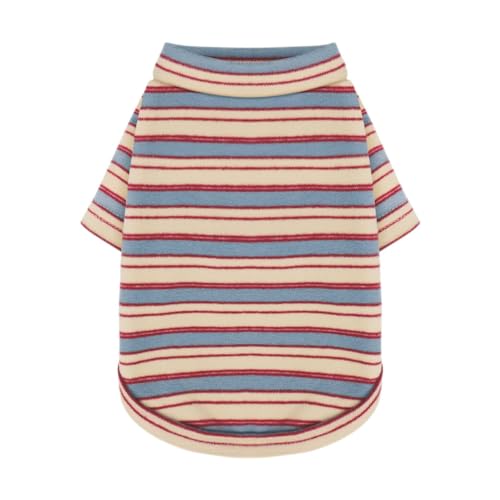
Essential Dog Clothes Guide
Keep your furry friend comfortable, protected, and stylish. Learn everything about dog coats, sweaters, boots, and seasonal apparel — plus expert sizing tips and material advice.
Dog clothes have evolved from simple novelty items to functional gear that protects, comforts, and even improves your dog’s wellbeing. Whether you own a toy breed that shivers in air conditioning, a senior dog with arthritis, or an active adventurer needing paw protection, the right apparel makes a difference. This guide helps you navigate hundreds of options — so you can buy confidently through our recommended affiliate links below.
Why Your Dog Might Need Clothes
Not every dog requires clothing, but many benefit significantly. Understanding the specific advantages helps you choose wisely.
- Cold weather protection: Small, short-haired, or elderly dogs lose body heat fast. Coats and sweaters prevent hypothermia and keep joints warm, easing arthritis pain. Breeds like Chihuahuas, Greyhounds, and small dog breeds feel cold even indoors.
- Rain and moisture barrier: Waterproof raincoats keep your dog dry, preventing skin irritation, fungal infections, and foul odors. Especially valuable for dogs that dislike bath time.
- Paw safety: Dog boots protect against hot pavement (burns in seconds), sharp ice, road salt, and rough trails. Urban dogs and hiking companions benefit year-round.
- Sun and UV protection: Light-colored, thin-coated dogs are prone to sunburn and skin cancer. Lightweight UV shirts offer protection without overheating.
- Anxiety relief: Thunder shirts and snug-fitting wraps apply gentle, constant pressure to calm anxious dogs during storms, fireworks, or travel.
- Post-surgery or wound protection: Medical pet suits or recovery shirts prevent licking and scratching, replacing uncomfortable cones.
🐾 Note: Always monitor your dog while wearing clothes. Never leave a dog unattended in apparel that could snag or overheat. Introduce garments gradually with positive reinforcement.
Types of Dog Clothes & When to Use Them
Each garment serves a distinct purpose. The table below outlines the most common types and ideal use cases.
| Garment Type | Primary Benefit | Best For |
|---|---|---|
| Winter Coat / Jacket | Insulation, windproof, water-resistant | Freezing temps, snow, windy walks |
| Fleece Sweater | Light warmth, breathable | Chilly indoor/outdoor, fall/spring layers |
| Raincoat | Waterproof, quick-dry | Rainy walks, wet grass, muddy conditions |
| Dog Boots / Shoes | Paw protection from heat, ice, chemicals | City walks, hiking, snow/ice, post-injury |
| Cooling Vest | Evaporative cooling, UV protection | Hot summer days, brachycephalic breeds |
| Recovery Suit | Wound protection, no licking | Post-surgery, skin allergies, hot spots |
| Thunder Shirt / Anxiety Wrap | Calming pressure, anxiety relief | Fireworks, thunderstorms, separation anxiety |
| Pajamas / Onesie | Comfort, warmth for sleeping | Senior dogs, hairless breeds, nighttime chill |
How to Measure Your Dog for Clothes (Accurate Sizing)
Incorrect sizing leads to discomfort, restricted movement, or safety hazards. Follow these three critical measurements using a soft measuring tape. Always check the brand’s specific size chart because sizing varies dramatically.
1. Neck girth
Measure around the base of the neck (where a collar sits). Add 1–2 fingers of slack for comfort.
2. Chest girth (widest part)
Measure around the ribcage, just behind the front legs. This is the most crucial dimension.
3. Back length
From the base of the neck (withers) to the base of the tail. For coats, this ensures belly coverage.
Pro tip: Measure while your dog is standing. For deep-chested breeds like Greyhounds or large dog breeds, prioritize chest girth and look for "sighthound" or "large chest" fits. For small or toy breeds, check armhole openings to avoid chafing.
| Dog Size (approx) | Chest (inches) | Back length (inches) | Typical breed example |
|---|---|---|---|
| XS | 10"–14" | 7"–9" | Chihuahua, Yorkie |
| S | 14"–18" | 9"–11" | Pomeranian, Mini Poodle |
| M | 18"–22" | 11"–13" | Beagle, French Bulldog |
| L | 22"–28" | 13"–16" | Border Collie, Australian Shepherd |
| XL | 28"–34" | 16"–20" | Labrador, Golden Retriever |
| XXL | 34"+ | 20"+ | Great Dane, Mastiff |
Best Materials for Dog Clothes: What to Look For
Fabric quality determines comfort, durability, and safety. Avoid cheap synthetics that trap heat or cause skin irritation.
- Cotton & cotton blends: Breathable, hypoallergenic, and machine-washable. Ideal for indoor wear, summer shirts, and sensitive skin.
- Fleece (polar/anti-pill): Excellent insulator, lightweight, quick-drying. Perfect for sweaters and winter linings. Look for anti-static finishes.
- Wool/merino blends: Natural temperature regulation and moisture-wicking, but can be itchy. Use only if your dog doesn’t scratch.
- Polyester / nylon shells: Water-resistant, windproof, and durable. Ideal for outer coats and rainwear. Ensure inner lining is soft (e.g., mesh or fleece).
- Neoprene: Provides stretch, insulation even when wet, often used in dog boots and life vests.
- Cooling fabric (phase-change material): Activated by water, evaporative cooling vests help beat the heat without heavy wet fabric.
✅ What to avoid: Rough seams, loose buttons/snaps (choking hazard), fabrics that shed excessively, and any material that restricts leg movement or causes overheating. Always opt for machine-washable items — dog clothes get dirty fast.
Breed-Specific Clothing Recommendations
Different body shapes and coat types require tailored fits. Here's guidance for popular groups.
🐕 Toy & Small Breeds
Chihuahuas, Yorkies, Maltese – high heat loss, need warm sweaters and coats. Look for harness openings, easy-to-put-on designs. Explore toy dog breeds.
🐩 Short-haired / Single-coated
Greyhounds, Boxers, Dobermans – they lack undercoat. Winter coats and fleece pajamas essential in cool weather.
🐕🦺 Double-coated breeds
Huskies, Golden Retrievers – usually don't need coats except extreme cold; but raincoats help keep undercoat dry. Never shave them.
🦴 Brachycephalic (flat-faced)
Frenchies, Pugs – overheat easily. Use cooling vests in summer, lightweight breathable shirts. Avoid heavy coats except freezing temps.
🐾 Senior & arthritic dogs
Any breed over 7 years – joint warmth improves mobility. Look for dog arthritis support wear, thermal backs, and easy velcro closures.
🥾 Active & hiking dogs
Rugged coats with belly coverage, waterproof boots, and reflective strips for safety. Check winter care tips and summer paw protection.
Safety & Comfort Rules When Dressing Your Dog
- Supervision first: Introduce clothes gradually. Watch for signs of distress: excessive scratching, freezing, panting, or attempts to remove the garment.
- Check for overheating: If your dog pants heavily, drools, or seems lethargic while wearing clothes, remove immediately. Never dress dogs in hot weather unless it's a cooling vest.
- Proper fit around legs and neck: You should be able to insert two fingers between the garment and your dog's skin. No binding or chafing.
- No loose parts: Avoid dangling decorations, buttons, or drawstrings that can be chewed off and swallowed.
- Keep clean and dry: Dirty, wet clothes cause skin infections and hot spots. Wash dog clothes weekly or after muddy walks.
💡 Remember that regular grooming also affects how clothes fit: a freshly groomed dog might need a smaller size. Also consider seasonal factors: summer heat vs winter freezes change the type of apparel needed.
Frequently Asked Questions About Dog Clothes
Ready to outfit your dog? Below you'll find our editor’s picks for high-quality dog clothes, boots, and accessories from trusted brands. Every product is chosen based on material safety, durability, and real customer reviews. When you purchase through our affiliate links, you support our free guides at no extra cost.