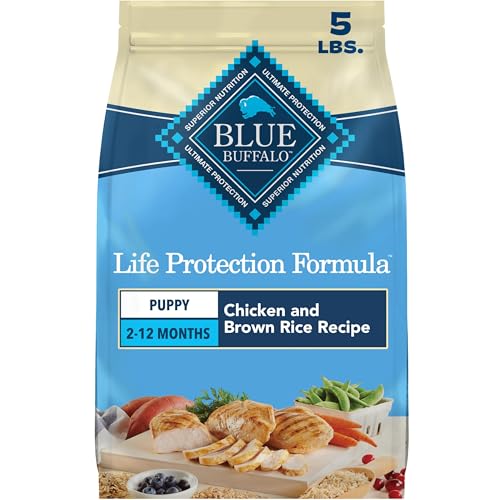
Puppy Food: The Complete Guide to Optimal Nutrition
Selecting the right puppy food is the most critical health decision you'll make. Learn what nutrients your growing dog needs, how to decode labels, and which formulas deliver the best start for a long, healthy life.
The first year of your puppy's life is a period of explosive growth and development. Unlike adult dogs, puppies require precisely balanced nutrition to build strong bones, develop a robust immune system, and support brain maturation. Choosing the wrong puppy food can lead to developmental orthopedic diseases, obesity, or lifelong health issues. This guide gives you everything you need to confidently pick the best diet for your new family member.
Before bringing your puppy home, check our complete puppy preparation checklist to ensure you have all supplies, including high-quality food bowls and storage containers. Also, learn about age-appropriate feeding schedules to establish healthy routines from day one.
Essential Nutrients Your Puppy Needs
Puppy food is not just "adult food with more calories." It must meet stringent AAFCO nutritional profiles for growth. Here are the key components:
🐾 High-Quality Protein
Minimum 22–32% on dry matter basis. Supports muscle development and organ function. Look for specific animal sources (chicken, salmon, lamb). Avoid generic "meat meal."
🧠 DHA (Omega-3 Fatty Acid)
Critical for brain and vision development. Mother's milk is rich in DHA; high-quality puppy formulas add DHA from fish oil or algae. Improves trainability and cognitive function.
🦴 Balanced Calcium & Phosphorus
Improper ratios cause skeletal deformities (especially in large breeds). Aim for calcium:phosphorus ratio between 1:1 and 1.3:1. Large breed puppy foods have controlled levels.
💪 Antioxidants & Vitamins
Vitamins E, C, and beta-carotene strengthen immune systems. Zinc and selenium support healthy skin and coat. Look for natural preservatives.
Types of Puppy Food: Pros, Cons & Price Comparison
| Type | Best For | Pros | Cons | Monthly Cost (approx) |
|---|---|---|---|---|
| Dry Kibble | Most puppies, budget-conscious | Convenient, helps dental health, cost-effective, long shelf life | Lower moisture, some fillers | $30–$70 |
| Wet/Canned | Picky eaters, hydration boost | High palatability, high moisture, often grain-free options | Expensive, shorter shelf life after opening | $70–$150 |
| Freeze-Dried / Dehydrated | Travel, raw feeding convenience | Minimally processed, nutrient-dense, light weight | Pricey, requires rehydration | $100–$200 |
| Fresh (Human-Grade) | Premium nutrition, sensitive stomachs | Whole ingredients, gently cooked, customized plans | Very expensive, subscription required | $150–$300 |
Large Breed vs. Small Breed Formulas: Critical Difference
Large breed puppies (expected adult weight >50 lbs) grow rapidly but are prone to bone disorders if fed excessive calcium or calories. Always choose a large breed puppy food with controlled calcium (0.8–1.2% dry matter) and moderate fat to prevent rapid growth. Small breed puppies have faster metabolisms and need calorie-dense kibble with smaller particles. Using the wrong formula can lead to obesity or skeletal issues. For a deeper understanding of breed-specific traits, explore our dog breed library and large dog breeds guide.
Decoding the Puppy Food Label: 3 Steps to Quality
- First ingredient must be named animal protein (e.g., "chicken," "salmon," "lamb"). Avoid "poultry by-product meal" or generic "meat meal" as primary.
- Look for the AAFCO statement: "Complete and balanced for growth" or "all life stages." Without this, the food may be nutritionally inadequate.
- Check for DHA supplementation: DHA from fish oil supports brain development. Smart puppy foods list DHA levels.
- Be cautious with "grain-free": Unless your vet confirms grain allergy, choose grain-inclusive formulas with wholesome grains like barley, oatmeal, or brown rice.
For deeper insight into reading labels, visit our comprehensive dog food guide that applies to all life stages.
Puppy Feeding Schedule: From Weaning to Adulthood
Consistency prevents digestive upset and house-training accidents. Follow this timeline:
• 8–12 weeks: 4 meals per day (every 4 hours).
• 3–6 months: 3 meals per day.
• 6–12 months: 2 meals per day (morning and evening).
• Transition to adult food: small breeds at 9–12 months, large breeds at 12–16 months, giant breeds up to 24 months.
Always provide fresh water. Measure portions using a standard measuring cup. Do not free-feed unless your puppy maintains ideal body condition.
Check your puppy's body condition weekly: ribs should be easily felt but not visible. If you cannot feel ribs, reduce portions. If ribs are too prominent, increase slightly. Overfeeding during growth leads to lifelong obesity and joint stress. Need more support? Read our complete puppy guide for health and training integration.
How to Switch Puppy Food Without Digestive Issues
Sudden food changes cause vomiting, diarrhea, and refusal to eat. Always transition over 5–7 days:
- Days 1–2: 75% old food + 25% new food
- Days 3–4: 50% old + 50% new
- Days 5–6: 25% old + 75% new
- Day 7: 100% new food
If your puppy shows persistent soft stool, extend each phase by 2 days. Introduce probiotic supplements if needed, but consult your veterinarian first. Also, never switch to adult food prematurely – adult formulas lack DHA and precise calcium balance for growing joints.
What Not to Feed Your Puppy: Dangerous Mistakes
Many human foods are toxic to puppies. Avoid these at all costs:
- Chocolate, grapes, raisins, xylitol (artificial sweetener), onions, garlic, macadamia nuts.
- Rawhide chews (choking and digestive blockage hazard). Instead, offer safe puppy teething toys.
- Table scraps – they create picky eaters and can cause pancreatitis.
- Raw meat/dairy – risk of salmonella or E. coli in immature immune systems.
Learn about other household dangers in our comprehensive list of toxic foods for dogs. Safety first!
To ensure your puppy grows into a healthy adult, also focus on proper socialization (critical socialization period), early training (basic commands), and a safe environment (puppy-proofing home). Quality nutrition works best when combined with mental stimulation and veterinary care.
Frequently Asked Questions About Puppy Food
Below you'll find our hand-picked selection of veterinarian-recommended puppy foods. These products meet strict quality standards and are trusted by breeders. By purchasing through our affiliate links, you support our mission to provide free expert guides. Your puppy's healthy future starts with the right bowl.