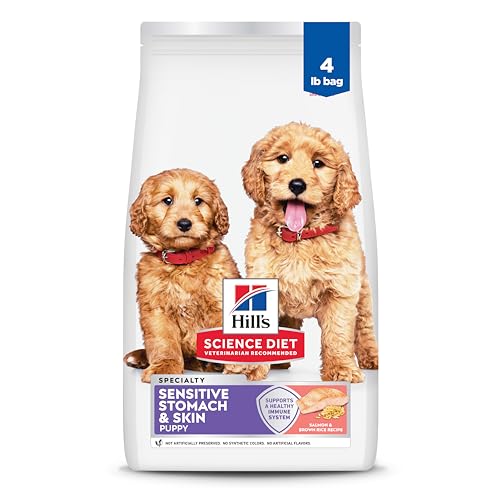
Puppy Food for Sensitive Stomach and Diarrhea
If your puppy has a sensitive stomach or recurring diarrhea, choosing the right food is one of the most important decisions you will make. This guide explains what causes puppy digestive upset, which foods actually help, how to transition safely, and when diarrhea becomes an emergency.
Puppies are not just small adult dogs. Their digestive systems are still developing, their gut microbiome is establishing itself, and their immune systems are learning to distinguish between harmless food particles and real threats. This immaturity makes them far more vulnerable to digestive upset than adult dogs. A food that works perfectly for a mature dog can send a puppy into days of loose stool and discomfort.
If you are dealing with a puppy who has frequent diarrhea, soft stools, gas, or vomiting after meals, you are not alone. Digestive issues are among the most common reasons puppy owners seek veterinary advice. The good news is that with the right food and a careful approach, most puppies can achieve stable, healthy digestion. This guide will help you understand what is happening, which foods are safest, and how to make changes without making things worse.
Why Puppies Get Sensitive Stomachs
Understanding the root cause of your puppy's digestive issues is the first step toward choosing the right food. Puppies can develop sensitive stomachs for several reasons, and the solution depends on which factor is at play.
- Immature digestive system: Puppies produce fewer digestive enzymes than adult dogs and have a less developed gut lining. This makes it harder for them to break down complex proteins, fats, and fibers. Foods that are highly digestible and contain simple, recognizable ingredients are easier on their system.
- Sudden food changes: Puppies have a delicate gut microbiome that takes time to adapt. Switching foods abruptly — even to a higher-quality food — can trigger diarrhea because the gut bacteria have not yet adjusted to the new ingredients. This is why gradual transitions over 7 to 14 days are essential [citation:2][citation:5].
- Food allergies and intolerances: Some puppies are genuinely allergic to specific proteins, most commonly chicken, beef, or dairy. Others have intolerances that cause digestive upset without a true immune response. An elimination diet or a food with a novel protein source can help identify the trigger.
- Parasites: Intestinal parasites like roundworms, hookworms, and Giardia are extremely common in puppies and cause diarrhea, weight loss, and poor coat condition. No food will fix a parasitic infection — deworming is required. If your puppy has not been recently dewormed, this should be ruled out first.
- Stress: Moving to a new home, changes in routine, travel, and even excitement can disrupt a puppy's digestion. Stress-related diarrhea is usually short-lived but can be managed with a stable routine and a gentle diet during transitions.
- Overfeeding: Feeding too much at once overwhelms a puppy's digestive capacity and leads to loose stool. Puppies should be fed smaller, more frequent meals — three to four times daily for young puppies — rather than one or two large meals.
Important: Before changing your puppy's food, rule out medical causes. If your puppy has not been recently dewormed, has not completed their vaccination series, or has other symptoms like vomiting or lethargy, consult your veterinarian first. You can learn more about puppy deworming schedules and parvovirus vaccination on our site.
How to Choose the Right Food
When you are standing in the pet store aisle or scrolling through online options, the sheer number of "sensitive stomach" formulas can feel overwhelming. Here is a practical framework for evaluating any puppy food.
Look for AAFCO Growth Statement
The Association of American Feed Control Officials (AAFCO) sets nutritional standards for pet food. A puppy food must carry a statement saying it is "complete and balanced" for "growth" or "all life stages." Without this statement, the food may not meet your puppy's nutritional needs. This is non-negotiable.
Prioritize Highly Digestible Proteins
Not all proteins are equal. For a sensitive stomach, look for named, high-quality protein sources that are easy to digest. Chicken, turkey, salmon, and egg are generally well-tolerated, but if your puppy has reacted poorly to poultry, consider a novel protein like lamb, venison, or whitefish. Avoid vague ingredients like "meat meal" or "animal by-products" — they are lower quality and more likely to cause reactions.
Check for Prebiotics and Probiotics
Prebiotics (like FOS and MOS) feed beneficial gut bacteria, while probiotics introduce live beneficial bacteria directly. Many sensitive stomach formulas include these ingredients to support digestive health. They can be helpful, but they are not a substitute for identifying and removing the trigger ingredient.
Consider Limited Ingredient Diets
Limited ingredient diets (LIDs) contain fewer ingredients, which makes it easier to identify what your puppy reacts to. A typical LID might use a single protein source (like salmon) and a single carbohydrate (like sweet potato). These are especially useful for puppies with suspected food allergies. You can read more about managing food allergies in our guide on dog food for allergies and sensitive stomachs.
Avoid Common Triggers
Some ingredients are more likely to cause digestive upset in sensitive puppies. These include artificial colors, flavors, and preservatives (like BHA and BHT), high-fat content (which can trigger pancreatitis), and common allergens like wheat, corn, and soy. If your puppy has had reactions to chicken-based foods, look for poultry-free formulas.
Pro Tip: If your puppy has active diarrhea, a veterinary prescription diet is often the safest first step. These diets are formulated to be highly digestible, nutritionally complete, and gentle on an inflamed gut. Once the diarrhea resolves, you can transition to a commercial sensitive stomach formula or a limited ingredient diet for long-term management.
Types of Food That Help
Not all sensitive stomach foods are the same. Here is a breakdown of the main categories and what each offers.
Veterinary Prescription Diets
These are formulated specifically for puppies with gastrointestinal issues. They are highly digestible, often contain prebiotics and omega-3 fatty acids for gut support, and are nutritionally complete for growth. They require a veterinarian's authorization. Examples include Royal Canin Gastrointestinal Puppy and Hill's Prescription Diet i/d Puppy [citation:1][citation:4][citation:13].
Premium / VeterinaryLimited Ingredient Puppy Foods
These use a short ingredient list with a single animal protein and a single carbohydrate source. They are ideal for puppies with suspected food allergies or sensitivities. Look for formulas that still meet AAFCO growth standards — some LIDs are not complete for puppies.
Mid-range to PremiumGentle / Sensitive Stomach Formulas
Many mainstream brands offer puppy formulas labeled for sensitive stomachs. These typically use highly digestible ingredients, added fiber, and prebiotics. Quality varies widely — check the ingredient list and AAFCO statement carefully. These are a good starting point if your puppy's issues are mild.
Entry-level to Mid-rangeWet / Canned Puppy Food
Wet food has higher moisture content, which can help with hydration during episodes of diarrhea. It is often more palatable for puppies with reduced appetite. However, it is not inherently easier on the stomach than dry food — the ingredients matter more than the format. Some puppies do better on wet food because it is less processed, but others thrive on dry kibble.
Varies by BrandFreeze-Dried Raw
Freeze-dried raw foods are minimally processed and often contain simple, recognizable ingredients. Some owners report improvements in digestion, but the evidence is anecdotal. Raw diets carry bacterial risks for puppies, whose immune systems are still developing. If you choose this route, consult your veterinarian and handle the food carefully.
Premium to LuxuryHydrolyzed Protein Diets
These are prescription diets where the protein has been broken down into tiny fragments too small for the immune system to recognize as allergens. They are the gold standard for diagnosing and managing food allergies. If your puppy has chronic, unexplained diarrhea that does not respond to other diets, ask your vet about a hydrolyzed protein trial.
Premium / VeterinaryIngredients to Look For and Avoid
Ingredients That Support Digestion
- Named animal proteins: "Chicken," "turkey," "salmon," or "lamb" rather than generic "meat." These are higher quality and easier to digest.
- Rice and oats: Gentle, easily digestible carbohydrates that provide energy without irritating the gut. White rice is particularly useful during recovery from diarrhea.
- Pumpkin and sweet potato: Good sources of soluble fiber, which can help regulate stool consistency. Pumpkin is particularly useful for both diarrhea and constipation.
- Prebiotics (FOS, MOS): Feed beneficial gut bacteria and support a healthy microbiome.
- Omega-3 fatty acids (fish oil, flaxseed): Have anti-inflammatory properties that can help soothe an inflamed digestive tract.
- Electrolytes: Some sensitive stomach formulas include added electrolytes to help replace those lost during diarrhea.
Ingredients to Avoid or Limit
- Artificial colors, flavors, and preservatives: These serve no nutritional purpose and can trigger reactions in sensitive puppies.
- High-fat content: Very high-fat foods can overwhelm a puppy's digestive system and trigger pancreatitis. Look for moderate fat levels.
- Common allergens: If your puppy has reacted to chicken, beef, wheat, corn, or soy, avoid these ingredients. A food journal can help you identify patterns.
- Dairy: Many puppies are lactose intolerant. Avoid foods and treats containing milk, cheese, or yogurt.
- Spices and rich ingredients: Puppy food should be bland by design. Avoid anything with added spices or overly rich sauces.
Transitioning Without Triggering Diarrhea
The single most common mistake puppy owners make is switching foods too quickly. Even if you are moving to a better, more digestible food, an abrupt change can cause diarrhea because the gut microbiome needs time to adapt [citation:2][citation:8].
The 14-Day Transition Schedule
For puppies with sensitive stomachs, a slow transition over two weeks is safest. Here is a proven schedule:
| Days | Old Food | New Food |
|---|---|---|
| 1–4 | 80% | 20% |
| 5–7 | 60% | 40% |
| 8–10 | 40% | 60% |
| 11–13 | 20% | 80% |
| 14 | 0% | 100% |
If your puppy's stool becomes loose at any point, slow down and stay at the current ratio for a few extra days before increasing the new food. For puppies with a history of severe reactions, a transition over 3 to 4 weeks may be necessary [citation:14].
Do not transition during stressful events. If your puppy has just moved to a new home, is recovering from illness, or is dealing with other changes, wait until they are stable before switching foods. Stress and diet changes compound each other and make diarrhea much more likely.
The Bland Diet Approach
When your puppy has active diarrhea, a short-term bland diet can help settle the stomach while you figure out the underlying cause. However, it is important to understand the limitations.
The classic bland diet for dogs is plain boiled chicken (skinless, boneless) mixed with white rice. Some veterinarians also recommend plain scrambled eggs or cottage cheese, but dairy can worsen diarrhea in lactose-intolerant puppies. The ratio is typically one part protein to two or three parts rice.
Critical limitations: A chicken-and-rice diet is not nutritionally complete for a growing puppy. It lacks essential vitamins, minerals, and fatty acids. It should be used for no more than 2 to 3 days, and only for mild, acute diarrhea in an otherwise healthy puppy. If your puppy has severe or persistent diarrhea, do not use a homemade bland diet — use a veterinary prescription diet that is both gentle and complete [citation:7].
After the diarrhea resolves, gradually mix the bland diet with your puppy's regular food over several days to ease the transition back to normal eating.
When Diarrhea Is an Emergency
Puppies can become dangerously dehydrated within hours. Knowing when to stop trying to manage at home and seek veterinary care is essential.
- Diarrhea lasting more than 24 hours in a puppy under 6 months old
- Blood in the stool — bright red blood or black, tarry stool
- Vomiting accompanying the diarrhea, especially repeated vomiting
- Lethargy, weakness, or collapse — a puppy who is unusually tired or unresponsive
- Loss of appetite for more than 12 hours
- Signs of dehydration — tacky gums, skin that does not snap back when gently pinched, sunken eyes
- Fever or a body temperature outside the normal range (101–102.5°F)
- Abdominal pain or bloating
- Suspected ingestion of toxins, foreign objects, or poisonous plants
Parvovirus warning: Parvovirus is a highly contagious and potentially fatal disease that causes severe, often bloody diarrhea, vomiting, and lethargy in puppies. If your puppy is unvaccinated or has not completed their vaccine series and develops these symptoms, seek emergency veterinary care immediately. Do not wait to see if it improves. You can learn about puppy parvo symptoms and parvovirus in vaccinated dogs on our site.
Frequently Asked Questions
The Bottom Line
A puppy with a sensitive stomach and diarrhea needs a gentle, highly digestible food, a slow transition, and close monitoring. Start with a veterinary prescription diet if diarrhea is active, then move to a limited ingredient or sensitive stomach formula for long-term management. Never fast a puppy, always provide fresh water, and do not hesitate to call your vet if symptoms worsen or persist. If you are bringing home a new puppy and want to start with a solid foundation, our complete puppy guide and puppy feeding schedule will help you establish a routine that supports digestive health from day one.