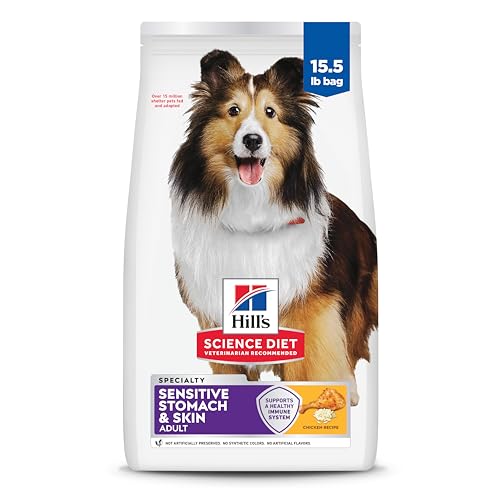
Best Dog Food for Allergies & Sensitive Stomachs
Is your dog constantly itching, scratching, or dealing with digestive upset? Food allergies and sensitive stomachs are among the most common health issues in dogs. Choosing the right diet can eliminate symptoms and transform your dog's quality of life.
Food allergies and sensitivities in dogs are more common than many pet owners realize. According to veterinary studies, food allergies account for about 10% of all canine allergies, with proteins being the most frequent triggers. Whether your dog suffers from chronic itching, recurrent ear infections, or persistent digestive issues, the food you choose plays a crucial role in their health.
This guide will help you understand what makes a dog food suitable for allergies and sensitive stomachs, what ingredients to look for, and which products consistently deliver results. If you've been struggling to find a diet that works for your dog, you're in the right place.
Understanding Food Allergies vs. Sensitivities
Before selecting a food, it's helpful to understand the difference between a true food allergy and a food sensitivity (intolerance).
- Food Allergy: An immune system reaction to a specific protein. The body mistakenly identifies a food ingredient as harmful and triggers an inflammatory response. Symptoms typically involve the skin (itching, hives) or gastrointestinal tract (vomiting, diarrhea).
- Food Sensitivity (Intolerance): Does not involve the immune system. It occurs when a dog's digestive system cannot properly process certain ingredients, leading to gas, bloating, or loose stools. This is often due to enzyme deficiencies or the presence of indigestible compounds.
Identifying which condition your dog has is the first step. The most common food allergens in dogs are chicken, beef, dairy, and wheat. However, virtually any ingredient can cause a reaction. This is why elimination diets are the gold standard for diagnosis.
Common Symptoms to Look For
If your dog has food allergies or a sensitive stomach, you may notice one or more of the following signs:
Skin & Coat Issues
• Chronic itching (pruritus) – especially paws, ears, face, and rear end
• Red, inflamed skin or hot spots
• Hair loss or thinning patches
• Recurrent ear infections
• Excessive licking or chewing of paws
Digestive Problems
• Frequent vomiting or regurgitation
• Chronic diarrhea or soft stools
• Excessive gas or bloating
• Loss of appetite or picky eating
• Weight loss or poor weight gain
Behavioral Changes
• Lethargy or low energy
• Irritability or aggression when touched
• Restlessness or inability to settle
• Frequent scratching or biting at themselves
Other Systemic Signs
• Recurrent skin infections (pyoderma)
• Persistent foot licking or chewing
• Chronic anal gland issues
• Respiratory symptoms like sneezing (less common)
When to See a Veterinarian: If your dog shows any of these symptoms, especially if they persist or worsen, consult your veterinarian. They can rule out other conditions (like parasites or environmental allergies) and help you design an elimination diet to identify the trigger.
Best Ingredients for Allergy-Prone Dogs
Not all dog foods are created equal when it comes to managing allergies and sensitivities. Here are the key ingredients you should look for in a quality hypoallergenic diet:
- Novel Proteins: Proteins your dog has never eaten before are less likely to trigger an immune response. Excellent options include salmon, venison, duck, rabbit, and kangaroo. These are especially beneficial for dogs allergic to common proteins like chicken and beef.
- Limited Ingredients: A limited ingredient diet (LID) contains a short list of carefully selected ingredients, making it easier to identify triggers. Look for foods with 5-10 main ingredients.
- Hydrolyzed Proteins: In these foods, proteins are broken down into such small fragments that the immune system no longer recognizes them as allergens. This is often recommended for dogs with severe allergies and is available through veterinary prescription.
- Probiotics & Prebiotics: Support a healthy gut microbiome, which is essential for digestion and immune function. Ingredients like chicory root, fermented foods, and specific bacterial strains (e.g., Lactobacillus, Bifidobacterium) aid digestion.
- Omega-3 & Omega-6 Fatty Acids: Help reduce inflammation and support skin health. Fish oil (from salmon, sardines, or menhaden) and flaxseed are excellent sources.
- Whole Grains or Grain-Free: Choose based on your dog's sensitivity. If your dog has a grain allergy (wheat, corn, soy), select a grain-free formula. Otherwise, whole grains like brown rice and oats are healthy carbohydrate sources.
Types of Hypoallergenic Dog Food
Depending on your dog's needs and your budget, you can choose from several types of specialty diets:
Limited Ingredient Diets (LID)
These formulas contain a minimal number of ingredients (often 5-8), making them ideal for identifying and avoiding allergens. They typically feature one protein source and one carbohydrate source.
$35–$65 per bagHydrolyzed Protein Diets
Proteins are broken down into small peptides that the immune system doesn't recognize as allergens. These are highly effective and often prescribed by vets for severe cases.
$85–$120 per bagNovel Protein Diets
Features proteins like venison, duck, or rabbit that your dog has likely never encountered. These are excellent first-line options for suspected food allergies.
$50–$80 per bagGrain-Free Diets
If your dog has a grain allergy, grain-free options replace wheat, corn, and soy with potato, sweet potato, or peas. Choose carefully, as some grain-free diets have been linked to DCM in certain breeds.
$40–$75 per bagHow to Choose the Right Food
With so many options, it can be overwhelming. Follow these steps to choose the best diet for your dog:
- Work with your veterinarian: Before making any major diet changes, consult your vet. They can help rule out other health issues and recommend an elimination diet to identify specific triggers.
- Read the label carefully: Look for clear protein sources (e.g., "salmon" rather than "fish meal"). Avoid by-products, artificial colors, flavors, and preservatives like BHA and BHT.
- Choose a complete and balanced formula: Ensure the food meets AAFCO standards for your dog's life stage (puppy, adult, senior).
- Consider your dog's breed and size: Some breeds are more prone to food allergies. For example, Bulldogs and German Shepherds often have skin issues related to diet. Consider a food formulated for large breeds if you have a big dog.
- Start with a single protein source: To minimize risk, start with a diet that has only one animal protein. If your dog improves, you can test other proteins.
- Be patient: It takes 8-12 weeks to see the full benefits of a new diet. Stick with it and avoid giving any treats or table scraps during this trial period.
Tip for picky eaters: Some hypoallergenic foods are less palatable than standard kibble. If your dog is hesitant, try a wet food or add a small amount of warm water to increase aroma.
Top Brands for Allergies & Sensitive Stomachs
Here are some of the most trusted brands that consistently deliver results for dogs with allergies and sensitive stomachs:
- Hill's Prescription Diet z/d: Highly hydrolyzed protein food, available through vets. Ideal for severe allergies.
- Purina Pro Plan Veterinary Diets HA: Another hydrolyzed protein option, trusted by veterinarians worldwide.
- Royal Canin Hypoallergenic: Available in both hydrolyzed protein and limited ingredient formulas.
- Natural Balance LID: Excellent limited ingredient diets with a variety of novel proteins like duck and venison.
- Blue Buffalo Basics: Limited ingredient formulas with turkey, salmon, and other gentle proteins.
- Wellness Simple: Features a limited ingredient list with salmon, lamb, and other novel proteins.
- Merrick Limited Ingredient: Grain-free and limited ingredient options with real meat as the first ingredient.
- Canidae Pure: Clean, limited ingredient recipes with 5-7 key ingredients.
Transitioning Your Dog to a New Diet
Switching foods too quickly can cause digestive upset, even if the new food is better suited for your dog. Follow this gradual transition schedule:
- Days 1-3: 75% old food + 25% new food
- Days 4-6: 50% old food + 50% new food
- Days 7-9: 25% old food + 75% new food
- Day 10+: 100% new food
During the transition, monitor your dog for any signs of intolerance (vomiting, diarrhea, excessive gas). If these occur, slow down the transition. Some sensitive dogs need 2-3 weeks to fully adjust to a new food.
Important: If you are transitioning to a prescription hydrolyzed diet, follow your veterinarian's specific instructions. Some prescription foods should be started exclusively (not mixed) to maximize effectiveness.
Frequently Asked Questions
Ready to Take the Next Step?
Choosing the right food for your dog with allergies or a sensitive stomach is one of the most impactful decisions you can make for their health and happiness. Start with a limited ingredient or novel protein diet, transition gradually, and work closely with your veterinarian. The products we recommend below have been selected based on their ingredients, effectiveness, and positive customer feedback.