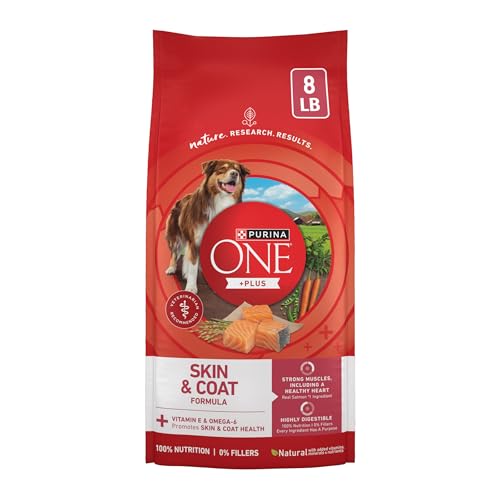
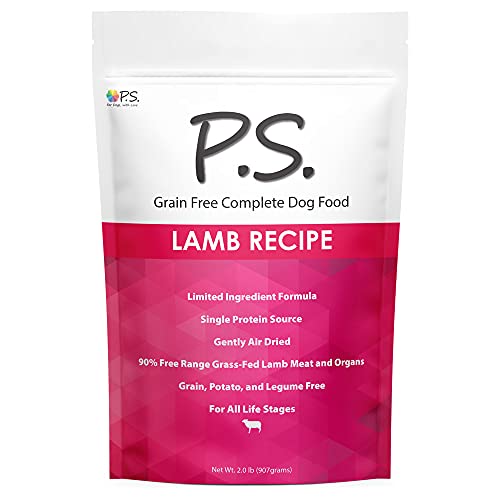
Best Dog Food for Allergies & Skin Problems
Discover the right diet to soothe your dog's itchy skin, reduce inflammation, and promote a healthy, shiny coat. Expert guidance on ingredients, elimination diets, and top product picks.
If your dog is constantly scratching, licking their paws, or dealing with recurrent ear infections, food allergies or sensitivities might be the culprit. Skin problems are among the most common signs of food allergies in dogs, and finding the best dog food for allergies and skin problems can be life-changing for your furry friend. This guide will help you navigate the often-confusing world of pet nutrition, so you can make an informed decision that supports your dog's health and comfort.
1. Understanding Food Allergies & Skin Problems in Dogs
Food allergies in dogs are an overreaction of the immune system to a specific protein or ingredient in their diet. Unlike food intolerances (which cause digestive upset), true allergies often manifest as skin issues. The most common allergens include beef, chicken, dairy, wheat, and soy. Environmental factors can also play a role, but if you notice a pattern of itching, redness, or chronic skin infections, your dog's food is a prime suspect.
🔍 Common Symptoms of Food Allergies:
- Chronic itching and scratching (especially paws, face, ears, and belly)
- Red, inflamed skin or hot spots
- Recurrent ear infections
- Excessive licking or chewing of paws
- Dry, flaky skin or dull coat
- Gastrointestinal issues like vomiting or diarrhea (less common but possible)
If you suspect a food allergy, the gold standard for diagnosis is an elimination diet. This involves feeding a diet with a single novel protein and carbohydrate source for 8–12 weeks to see if symptoms improve. Always consult your veterinarian before starting an elimination diet, as they can help you choose the right approach and rule out other causes.
2. Key Ingredients to Look For (and Avoid)
Reading dog food labels can be tricky, but knowing what to look for is essential. For dogs with allergies and skin problems, you want to choose foods that are simple, clean, and free from common triggers.
✅ Ingredients to Seek
- Novel Proteins: Lamb, salmon, venison, duck, rabbit, or kangaroo – proteins your dog hasn't eaten before.
- Single Protein Source: Limited-ingredient diets with one animal protein reduce the chance of allergic reactions.
- Healthy Fats: Omega-3 and omega-6 fatty acids (from fish oil, flaxseed) to support skin health and reduce inflammation.
- Digestible Carbs: Sweet potatoes, peas, or oatmeal – easier on the digestive system than corn or wheat.
- Prebiotics & Probiotics: To support a healthy gut microbiome, which is linked to immune function and allergy response.
⛔ Ingredients to Avoid
- Common Allergens: Beef, chicken, dairy, wheat, corn, and soy.
- Artificial Additives: BHA, BHT, ethoxyquin, artificial colors, and preservatives.
- By-Products: Non-specific meat meals or by-products (e.g., "poultry by-product meal").
- Excess Fillers: High amounts of corn, wheat, or soy that offer little nutritional value.
- Gluten & Grains: If your dog is sensitive to grains, choose a grain-free formula, but ensure it's still nutritionally balanced.
3. Best Protein Sources for Allergic Dogs
Protein is the most common trigger for food allergies. Choosing the right protein source is critical. Here are the best options for dogs with allergies and skin problems:
- Salmon: Rich in omega-3 fatty acids, salmon is excellent for reducing inflammation and supporting a healthy coat. It's a novel protein for many dogs.
- Lamb: A classic alternative to chicken and beef, lamb is often well-tolerated by dogs with food sensitivities.
- Venison: A lean, novel protein that is rarely implicated in allergies. Great for dogs with severe sensitivities.
- Duck: Another novel protein that is highly digestible and a good source of iron and B vitamins.
- Rabbit: A hypoallergenic protein with a low fat content, ideal for dogs with multiple food allergies.
- Hydrolyzed Protein: These proteins are broken down into tiny pieces that are unlikely to trigger an immune response. They are often used in veterinary-prescribed diets for severe allergies.
💡 Expert Tip: If your dog has been eating the same protein for years, switching to a novel protein can be a game-changer. Keep an eye on treats and supplements – they should also be free of the offending ingredient to see real results.
4. Types of Diets for Allergic Dogs
There are several dietary approaches for dogs with allergies and skin problems. Understanding these can help you and your vet choose the best path forward.
🦴 Limited Ingredient Diet (LID)
These diets contain a single protein source and a single carbohydrate source, plus minimal other ingredients. They are ideal for identifying or avoiding food sensitivities. Many commercial brands offer LID formulas.
🧪 Novel Protein Diet
Uses protein sources your dog has never eaten before (e.g., kangaroo, alligator). This is a great strategy for dogs who have failed on other diets. Often combined with limited ingredients.
🔬 Hydrolyzed Protein Diet
Proteins are broken down so small that the immune system doesn't recognize them as allergens. Usually prescription-only and effective for severe allergies. These diets are also helpful for diagnosing food allergies.
🌾 Grain-Free Diet
If your dog is allergic to grains, grain-free formulas can help. However, not all grain-free foods are good for allergies – choose one with a quality protein source and limited ingredients. Beware of grain-free foods with high legume content; some studies have linked them to heart issues.
5. How to Transition Your Dog's Food Safely
Switching your dog's food abruptly can cause digestive upset. A gradual transition over 7–10 days is recommended to allow your dog's digestive system to adjust.
- Days 1-2: 25% new food, 75% old food.
- Days 3-4: 50% new food, 50% old food.
- Days 5-6: 75% new food, 25% old food.
- Day 7: 100% new food.
During the transition, watch for any signs of digestive issues like diarrhea or vomiting. If your dog is on a hydrolyzed protein diet or an elimination diet, strict adherence is crucial – no treats, table scraps, or flavored medications that might contain allergens. Learn more about elimination diets here.
6. Top Picks: Best Dog Foods for Allergies & Skin Problems
Based on ingredient quality, protein source, and customer feedback, here are some of the top-rated dog foods for allergies and skin issues. Always consult your vet before making a change.
Salmon & Sweet Potato
Limited ingredient, grain-free formula with omega-3s for skin health. Excellent for sensitive skin and stomach.
$2.50/lbLamb & Rice
Classic limited ingredient diet with lamb as the sole protein. Gentle on digestion and skin.
$2.80/lbVenison & Lentil
Novel protein formula for dogs with severe allergies. High in protein and balanced with legumes.
$3.20/lbHydrolyzed Chicken
Prescription diet for the most sensitive dogs. Hydrolyzed protein is broken down to avoid allergic reactions.
$3.50/lbRemember, the best dog food for your dog will depend on their individual sensitivities. What works for one dog may not work for another. If you're not seeing improvements after 8–12 weeks, it may be time to try a different protein source or consult a veterinary dermatologist.
7. Frequently Asked Questions
🌟 Ready to help your dog feel better? The right diet can transform your dog's health and comfort. Start with a high-quality limited-ingredient or novel protein diet, and be patient during the transition. If you're unsure, always consult your vet or a veterinary nutritionist. Your dog's health is worth the investment.