Dog Toxic Foods: The Complete Safety Guide
Identify dangerous foods, recognize poisoning symptoms, and learn life-saving actions. Protect your dog from common kitchen hazards.
Every year, thousands of dogs suffer from food poisoning after eating common human foods. Many of these incidents are preventable with proper awareness. As a responsible dog owner, knowing which foods are dangerous — and what to do in an emergency — can be the difference between life and death. This guide covers the most common toxic foods, their effects, and actionable steps to keep your canine companion safe.
🐾 Did you know? The Pet Poison Helpline receives over 200,000 calls annually. Many toxins are found right in your pantry. Being prepared saves precious minutes during an emergency.
Why Knowing Toxic Foods Is Critical
Dogs have different metabolisms than humans. Foods that are perfectly safe for us can cause organ failure, seizures, or death in dogs. For example, xylitol (common in sugar-free gum and candy) triggers a massive insulin release in dogs, leading to life-threatening hypoglycemia and acute liver necrosis. Similarly, grapes and raisins can cause irreversible kidney failure with no known safe dose. Understanding these risks is the first step toward prevention. For overall dog health and wellness, being proactive about diet is essential.
The 9 Most Dangerous Foods for Dogs
🍫 Chocolate
Contains theobromine and caffeine. Dark/baking chocolate most dangerous. Symptoms: vomiting, diarrhea, rapid breathing, seizures, heart failure.
High toxicity🧁 Xylitol (Artificial Sweetener)
Found in sugar-free gum, candy, peanut butter, toothpaste. Causes rapid blood sugar crash & liver failure. Even small amounts fatal.
Extreme toxicity🍇 Grapes & Raisins
Unknown toxin causes acute kidney failure. No safe dose identified. Vomiting, lethargy within hours, then anuria.
High toxicity🧅 Onions, Garlic, Chives
Allium family: damage red blood cells → hemolytic anemia. Symptoms appear days later: weakness, dark urine, pale gums.
Moderate to high🌰 Macadamia Nuts
Cause weakness, depression, vomiting, tremors, hyperthermia. Usually not fatal but very uncomfortable for dog.
Moderate toxicity🥑 Avocado (Persin)
Persin toxin can cause vomiting, diarrhea, myocardial damage. The pit poses choking/obstruction hazard.
Mild to moderate🥩 Raw Dough (Yeast)
Unbaked bread dough expands in stomach, causing bloat and ethanol poisoning. Dangerous even in small amounts.
High toxicity🥜 Moldy Foods (Mycotoxins)
Moldy cheese, nuts, or bread contain tremorgenic mycotoxins → tremors, seizures, high fever.
Variable, can be severe🍺 Alcohol / Ethanol
Even small amounts cause vomiting, disorientation, respiratory depression, coma. Never allow access to alcoholic drinks or raw dough.
High toxicityDetailed Toxicity Reference Table
| Toxic Food | Toxic Component | Onset of Signs | Lethal Potential |
|---|---|---|---|
| Chocolate (dark) | Theobromine | 4-24 hours | High – can be fatal |
| Xylitol | Xylitol | 30 min – 12 hr | Very high – liver failure |
| Grapes/Raisins | Unknown | 6-24 hours | High – kidney failure |
| Onions/Garlic | Thiosulfate | 1-5 days | Moderate (anemia) |
| Macadamia nuts | Unknown | 12 hours | Low (usually non-fatal) |
| Raw bread dough | Ethanol | 1-3 hours | Moderate to high |
Recognizing Food Poisoning Symptoms
Symptoms vary based on toxin, but immediate veterinary attention is required if you observe any of the following after your dog eats something suspicious. Early recognition improves outcomes dramatically.
- Gastrointestinal signs: Vomiting, diarrhea (sometimes bloody), excessive drooling, loss of appetite.
- Neurologic signs: Tremors, seizures, lack of coordination (ataxia), weakness or collapse.
- Cardiovascular signs: Rapid heart rate, abnormal heart rhythm, pale or blueish gums.
- Other specific signs: For xylitol: sudden weakness and collapse within 30 minutes. For grapes: lethargy, decreased urination within 24-48h. For chocolate: restlessness, panting, hyperactivity.
⚠️ Emergency signal: If your dog has eaten any toxic food and shows severe symptoms (seizures, unconsciousness, difficulty breathing), go to the nearest 24-hour veterinary emergency hospital immediately. Do not wait.
What To Do In An Emergency
Follow these steps if you suspect your dog has ingested a toxic food. Stay calm but act quickly.
- Remove any remaining food from your dog's reach. Keep the package or label for identification.
- Call your veterinarian or Pet Poison Helpline (855-764-7661). Be ready to provide: dog's weight, type of food, estimated amount, time since ingestion, and any symptoms.
- Do NOT induce vomiting unless explicitly told to do so by a professional. For sharp objects, caustic substances, or certain toxins, vomiting can worsen damage.
- If advised to induce vomiting, use 3% hydrogen peroxide (1 teaspoon per 10 lbs, max 3 tablespoons). Only do this at home if directed.
- Transport your dog to the vet as soon as possible. Bring a sample of the suspected food or vomit if safe.
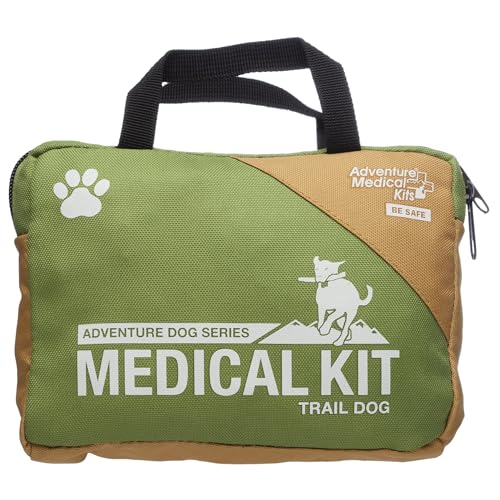
Having a well-stocked dog first aid kit at home and in your car can make a difference. It should include emergency numbers, activated charcoal (only if vet-directed), and a syringe for administering liquids.
Veterinary Treatment for Food Poisoning
Once at the clinic, the veterinarian may perform several interventions depending on the toxin and time since ingestion. Common treatments include:
- Decontamination: Induced vomiting (if still within 2 hours), gastric lavage (stomach pumping), and activated charcoal to bind toxins.
- Supportive care: Intravenous fluids to maintain blood pressure and protect kidneys, anti-seizure medications, and anti-emetics for vomiting.
- Specific antidotes: For xylitol, glucose supplementation and liver protectants. For chocolate poisoning, IV fluids, heart monitoring, and muscle relaxants if tremors occur.
- Monitoring: Blood work to assess organ function (liver, kidneys) and electrolyte balance. Hospitalization may be required for 24-72 hours.
The cost of treatment varies widely: from $200-$500 for mild cases to $2,000-$6,000+ for severe poisoning requiring extended ICU care. This is why prevention and quick action are vital.
Prevention: Keeping Your Dog Safe
Prevention is always better than cure. Implement these habits to protect your dog from accidental poisoning.
✅ Proactive safety checklist: Keep all human snacks out of reach, inform guests not to feed table scraps, store sugar-free products in closed cabinets, and empty trash cans frequently. For households with curious dogs, consider safety gates to block kitchen access.
- Secure pantry and countertops: Dogs can jump or counter-surf. Keep chocolate, grapes, onions, and xylitol items in high cabinets or locked drawers.
- Educate family members and guests: Many people don’t know that grapes are deadly. Provide a simple list on your fridge.
- Use dog‑safe peanut butter only: Check labels for xylitol. Brands like Justin’s, Skippy (original) are safe.
- Be extra careful during holidays: Halloween candy, Christmas chocolate, Easter eggs (chocolate), and Thanksgiving onions/garlic pose high risks.
- Dispose of trash properly: Use a dog‑proof trash can or keep bin inside a cupboard. Moldy food is also toxic.
If you have a new puppy, be extra vigilant — puppy guide resources emphasize that puppies explore the world with their mouths. Read more about puppy-proofing your home to eliminate hazards.
Potential Long-Term Health Effects
Even if a dog survives food poisoning, there may be lasting damage. Chronic kidney disease from grape/raisin ingestion, liver scarring from xylitol, or heart muscle damage from severe chocolate poisoning can reduce your dog's quality of life. Regular dog health checkups and bloodwork are recommended for dogs that have experienced poisoning. Additionally, maintaining a balanced diet and using supplements for liver support may aid recovery. Consult your veterinarian about long-term management.
Frequently Asked Questions
🐕 Remember: When in doubt, assume the worst and contact a professional immediately. Keep the numbers of your regular vet, the nearest emergency clinic, and Pet Poison Helpline (855-764-7661) on your phone and fridge. Your quick action saves lives.