Dog Sensitive Skin: Causes, Solutions & Expert Care Guide
Comprehensive guide to understanding, treating, and preventing sensitive skin in dogs — with product recommendations you can trust.
Understanding Sensitive Skin in Dogs
Just like humans, dogs can suffer from sensitive skin that reacts to everyday triggers. When your dog has sensitive skin, their immune system overreacts to substances that wouldn't normally cause problems. This leads to inflammation, itching, redness, and discomfort that affects their quality of life.
According to veterinary dermatologists, skin conditions are among the top five reasons dogs visit the vet. Sensitive skin isn't a single diagnosis but rather a symptom of underlying issues ranging from allergies to parasites to hormonal imbalances. The good news is that most skin sensitivity can be effectively managed with the right approach.
Key Fact: Dogs with sensitive skin are more prone to secondary infections because their compromised skin barrier allows bacteria and yeast to proliferate. Early intervention is crucial to prevent chronic skin problems.
Common Causes of Dog Sensitive Skin
Understanding the root cause of your dog's skin sensitivity is the first step toward effective treatment. Here are the most common triggers:
Environmental Allergens
- Pollen & Grass: Seasonal allergies cause intense itching, especially on paws and belly.
- Dust Mites: These microscopic creatures are a year-round trigger for sensitive skin.
- Mold Spores: Common in humid environments, mold can cause chronic skin reactions.
- Household Chemicals: Cleaning products, carpet cleaners, and air fresheners can irritate sensitive skin.
Food Allergies
- Common allergens: Beef, dairy, chicken, wheat, soy, and eggs are the top offenders.
- Additives & preservatives: Some dogs react to artificial colors and preservatives in commercial dog food.
- Cross-reactivity: Dogs allergic to one protein often react to similar proteins.
Parasites & Infections
- Flea Allergy Dermatitis: Even a single flea bite can trigger intense itching in sensitive dogs.
- Mites: Demodex and Sarcoptes mites cause mange and severe skin irritation.
- Bacterial infections: Compromised skin barriers allow bacteria like Staphylococcus to flourish.
- Yeast infections: Malassezia yeast overgrowth causes greasy, smelly skin with intense itching.
Other Contributing Factors
- Dry air: Low humidity (especially during winter) dries out skin and compromises the skin barrier.
- Poor nutrition: Diets lacking essential fatty acids and nutrients affect skin health.
- Breed predisposition: Breeds like Bulldogs, Boxers, and Golden Retrievers are genetically prone to skin issues.
- Harsh grooming products: Soaps, shampoos, and conditioners with artificial fragrances and sulfates strip natural oils.
Symptoms of Sensitive Skin in Dogs
Recognizing the signs early helps you get your dog the relief they need. Watch for these common symptoms:
- Excessive scratching or biting: Your dog scratches more than usual, especially at night. They may bite at their paws, tail, or flanks.
- Red, inflamed skin: Visible redness, especially on the belly, groin, armpits, and between toes.
- Hot spots (acute moist dermatitis): Painful, weeping, red lesions that develop rapidly from intense licking or chewing.
- Dry, flaky skin (dandruff): White flakes in the coat, often accompanied by dull, brittle fur.
- Hair loss (alopecia): Thinning coat or bald patches from chronic scratching and inflammation.
- Ear infections: Recurring ear problems (redness, odor, discharge) often accompany skin sensitivity.
- Licking paws excessively: Constant paw licking can lead to staining (from saliva) and secondary infections.
- Skin odor: A musty or yeasty smell indicates possible bacterial or fungal overgrowth.
📌 When to Call the Vet: If you notice open sores, significant hair loss, persistent itching that disrupts sleep, or if your dog seems lethargic or in pain, schedule a veterinary appointment immediately. Early intervention prevents more serious complications.
How Veterinarians Diagnose Skin Sensitivity
A proper diagnosis is essential for effective treatment. Your vet will use a systematic approach to identify the cause of your dog's sensitive skin:
- Medical history: Your vet will ask about when symptoms started, your dog's diet, environment, and any previous treatments.
- Physical examination: A thorough skin and coat exam including checking ears, paws, and all skin folds.
- Skin scraping: Samples taken from affected areas to check for mites, bacteria, and yeast under the microscope.
- Flea combing: To check for fleas, flea dirt, or signs of flea allergy dermatitis.
- Allergy testing: Blood tests (serology) or intradermal skin testing can identify environmental allergens.
- Food trial: An elimination diet using a hydrolyzed protein or novel protein source to identify food allergies. This is the gold standard for diagnosing food allergies.
- Skin biopsy: In persistent cases, a small skin sample may be taken for histopathology to rule out autoimmune disorders or cancer.
Your vet may also recommend additional tests based on your dog's specific symptoms and breed. For example, hip dysplasia and other joint issues can sometimes cause secondary skin problems from reduced grooming ability.
Treatment & Care Options for Sensitive Skin
Treatment plans are tailored to the underlying cause. Here's what veterinary dermatologists typically recommend:
Medical Treatments
- Antihistamines: Over-the-counter or prescription antihistamines help control itching from environmental allergies.
- Corticosteroids: Short-term use to reduce severe inflammation (long-term use has side effects).
- Immunosuppressants: Drugs like cyclosporine (Atopica) or oclacitinib (Apoquel) target the immune response causing allergies.
- Antibiotics: For secondary bacterial infections like pyoderma.
- Antifungals: To treat yeast infections (Malassezia dermatitis).
- Allergy shots (immunotherapy): Custom-formulated vaccines to desensitize dogs to specific allergens.
Topical Treatments
- Medicated shampoos: Chlorhexidine, miconazole, or ketoconazole shampoos for infections.
- Oatmeal shampoos: Colloidal oatmeal soothes irritated skin and reduces inflammation.
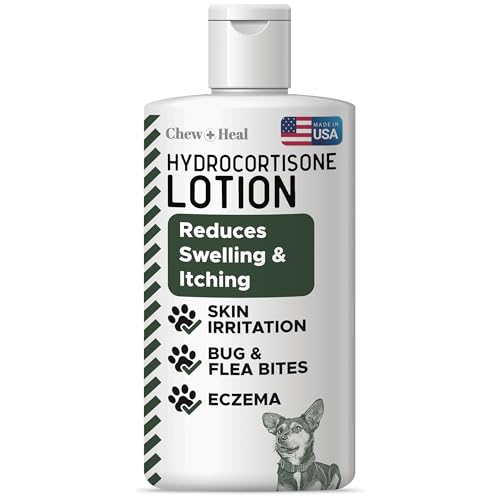
- Topical sprays: Hydrocortisone sprays provide quick relief for localized itching.
- Moisturizers: Skin-soothing creams and balms to restore the skin barrier.
- Essential fatty acid sprays: Topical application of omega fatty acids to nourish skin.
Pro Tip: Always follow your veterinarian's recommendations. Never use human medications on dogs without veterinary guidance, as many human products are toxic to dogs and can make skin problems worse.
Best Shampoos for Dogs with Sensitive Skin
Choosing the right shampoo is critical for managing sensitive skin. Here are the top-rated types:
- Hypoallergenic Shampoos: Free from artificial fragrances, colors, and harsh detergents. These are the safest choice for routine bathing of sensitive dogs.
- Oatmeal & Aloe Vera Shampoos: Colloidal oatmeal and aloe vera naturally soothe inflammation, reduce itching, and moisturize dry skin.
- Antimicrobial & Antifungal Shampoos: Contain ingredients like chlorhexidine, ketoconazole, or miconazole. Recommended when your vet confirms a bacterial or yeast infection.
- Tea Tree Oil Shampoos: Natural antimicrobial properties, but must be used in dilution (high concentrations are toxic to dogs).
- Coconut Oil Shampoos: Rich in medium-chain triglycerides that moisturize and provide mild antimicrobial benefits.
🌿 Bathing Tips: Bathing frequency depends on the condition:
• Routine maintenance: Every 2-4 weeks with a gentle, hypoallergenic shampoo.
• Medicated baths: As prescribed by your vet, often weekly or biweekly.
• Use lukewarm water (not hot) to avoid drying skin further.
• Rinse thoroughly — leftover shampoo residue can irritate sensitive skin.
The Role of Diet in Managing Sensitive Skin
Nutrition is foundational to skin health. The right diet reduces inflammation, supports the skin barrier, and minimizes allergic reactions. Understanding dog nutrition is essential for managing skin sensitivity.
Key Nutrients for Skin Health
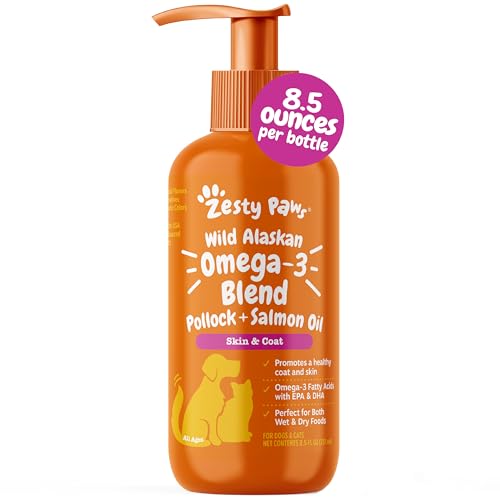
- Omega-3 Fatty Acids: EPA and DHA reduce inflammation, support skin barrier function, and improve coat condition. Found in fish oil and some plant oils.
- Omega-6 Fatty Acids: Linoleic acid supports skin barrier function and hydration. Found in poultry fat, canola oil, and flaxseed oil.
- Vitamin E: A potent antioxidant that protects skin cells from damage and supports healing.
- Zinc: Essential for skin integrity and wound healing. Deficiencies cause skin lesions and hair loss.
- Biotin (Vitamin B7): Supports healthy skin, coat, and nails. Deficiency leads to flaky skin and poor coat quality.
- Protein: High-quality protein provides essential amino acids for skin cell regeneration and repair.
Dietary Strategies
- Hypoallergenic diets: Use hydrolyzed proteins (broken into small molecules that don't trigger allergies) or novel proteins like venison, kangaroo, or duck.
- Limited ingredient diets: Contain fewer ingredients to minimize exposure to potential allergens.
- Grain-free vs. grain-inclusive: Unless your dog has a confirmed grain allergy, whole grains can be part of a healthy diet. Focus on quality protein and healthy fats.
- Fresh/frozen diets: High-quality fresh or frozen foods often contain fewer preservatives and higher-quality ingredients than commercial kibble.
- Food trial: Your vet may recommend an 8-12 week elimination diet to diagnose food allergies. This requires strict adherence to the prescribed food only.
For dogs with severe food allergies, finding the right food may require switching to a limited-ingredient or novel protein diet. Many owners find success with raw diets or fresh food delivery options designed for sensitive dogs.
💰 Cost Considerations:
• Premium sensitive skin dog food: $80–$120/month
• Veterinary prescription food: $100–$180/month
• Omega-3 supplements: $20–$40/month
Investing in quality nutrition often reduces expensive vet visits and medication costs over time.
Supplements for Skin Health
Dietary supplements can significantly improve skin and coat health, especially for dogs with chronic sensitivity.
- Fish Oil (Omega-3): Contains EPA and DHA to reduce inflammation. Dosage: 20-55 mg EPA per pound of body weight daily. Choose reputable brands with purity certificates to avoid heavy metal contamination.
- Flaxseed Oil: Plant-based source of alpha-linolenic acid. Less potent than fish oil but suitable for dogs with fish allergies.
- Probiotics: Support gut health, which is linked to immune function and skin health. Dog probiotics can help reduce allergic responses.
- Quercetin: A natural antihistamine found in fruits and vegetables. "Quercetin for dogs" is sometimes called "nature's Benadryl."
- Colostrum: Contains immunoglobulins that support immune regulation and reduce allergic responses.
- Biotin and zinc: Essential for skin cell health and hair growth. Often included in skin support supplements.
Always consult your veterinarian before adding supplements to your dog's diet, as dosages vary based on weight, condition, and other medications. Some supplements can interact with prescription drugs.
Natural Home Remedies for Sensitive Skin
Alongside veterinary treatments, these natural remedies can provide comfort and support healing:
- Oatmeal paste: Grind plain oatmeal into powder, mix with water, and apply to irritated areas. Oatmeal contains avenanthramides, which reduce inflammation.
- Coconut oil: Apply topically to moisturize dry, cracked skin. Use organic, cold-pressed virgin coconut oil. It has mild antimicrobial properties.
- Aloe vera gel: Pure aloe vera (without added alcohol or fragrances) soothes and cools inflamed skin. Safe for topical use.
- Chamomile tea compress: Brew chamomile tea, cool it, and apply to itchy areas with a clean cloth. Chamomile has natural anti-inflammatory properties.
- Apple cider vinegar rinse: Dilute 1 part ACV with 2 parts water. Use as a final rinse after bathing. Helps restore skin pH. Never apply to broken skin.
- Humidifier: Adding moisture to dry indoor air helps prevent dry, flaky skin, especially in winter.
⚠️ Safety Warning: Natural doesn't mean safe for all dogs. Essential oils (tea tree, eucalyptus, lavender) can be toxic to dogs if used improperly. Always research thoroughly and consult your vet before using any new remedy. Test a small area first to check for reactions.
Prevention & Long-Term Care
Preventing sensitive skin flare-ups is easier than treating them. Here are evidence-based prevention strategies:
- Maintain a consistent skincare routine: Regular gentle bathing, brushing, and moisturizing keeps the skin barrier healthy.
- High-quality nutrition: Feed a balanced diet rich in essential fatty acids, vitamins, and minerals. Avoid artificial additives and fillers.
- Flea and tick prevention: Use year-round flea and tick prevention, especially if your dog has a history of flea allergy dermatitis.
- Environmental control: Use air purifiers, vacuum regularly, and wash bedding frequently to reduce indoor allergens.
- Regular vet checkups: Annual exams with regular vet visits catch skin issues early before they become chronic.
- Grooming hygiene: Keep ears clean and dry, trim paw fur, and brush regularly to distribute natural skin oils.
- Stress management: Stress weakens the immune system and can trigger skin flare-ups. Provide enrichment, exercise, and a stable routine.
- Monitor for changes: Early intervention prevents minor issues from becoming serious. Pay attention to your dog's scratching, licking, and overall behavior.
For dogs with known allergies, consider preventive health care strategies that include regular dermatology checkups. Some owners also find that pet insurance helps cover the costs of ongoing dermatological care.
Frequently Asked Questions
Still Struggling with Your Dog's Sensitive Skin?
You're not alone — millions of dog owners face the same challenge. The key is to be patient and systematic. Work with your vet to identify triggers, invest in quality nutrition and essential dog supplies, and maintain a consistent care routine. Your dog depends on you to be their advocate. With the right approach, you can bring them comfort and relief.