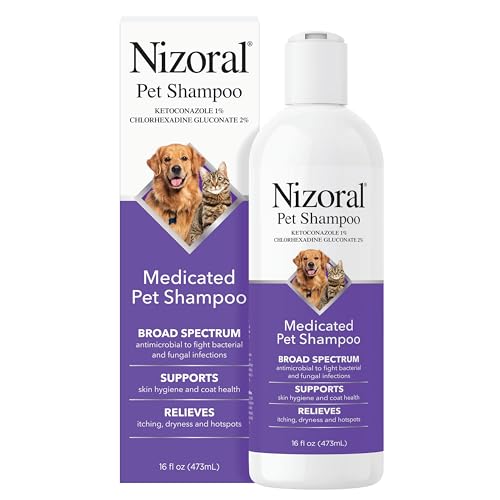
Dog Shampoo with Chlorhexidine and Ketoconazole
Everything you need to know about this powerful medicated shampoo for treating bacterial and fungal skin infections in dogs — how it works, when to use it, and what to expect.
If your dog has been diagnosed with a bacterial or fungal skin infection, your veterinarian may have recommended a dog shampoo with chlorhexidine and ketoconazole. This combination medicated shampoo is one of the most effective topical treatments for a range of skin conditions that affect dogs — from stubborn yeast infections to recurring bacterial pyoderma.
But what exactly makes this shampoo so effective? How do you use it correctly? And what should you look for when choosing a product? This guide answers all of those questions and more, so you can feel confident treating your dog's skin condition at home.
What Is Chlorhexidine and Ketoconazole Shampoo?
This is a medicated shampoo that combines two active ingredients — chlorhexidine and ketoconazole — to treat skin infections in dogs. It is available both by prescription and over-the-counter, depending on the concentration and formulation.
Chlorhexidine: The Antibacterial Agent
Chlorhexidine is an antiseptic and disinfectant that kills a broad spectrum of bacteria. It works by disrupting the bacterial cell membrane, causing the bacteria to die. It is effective against both gram-positive and gram-negative bacteria, making it a valuable tool for treating bacterial skin infections like pyoderma.
Chlorhexidine also has some antifungal and antiviral properties, but its primary role in this combination is to address the bacterial component of skin infections.
Ketoconazole: The Antifungal Agent
Ketoconazole is an antifungal medication that targets yeast and fungi. It works by inhibiting the synthesis of ergosterol, a key component of fungal cell membranes. Without ergosterol, the fungal cells become fragile and eventually die.
In dogs, ketoconazole is particularly effective against Malassezia pachydermatis, a yeast that commonly causes skin infections, especially in breeds with floppy ears or skin folds.
Why Combine Them?
Bacterial and fungal skin infections often occur together. A dog with a yeast infection may develop a secondary bacterial infection from scratching, and vice versa. By combining chlorhexidine and ketoconazole in one shampoo, you address both types of infection simultaneously, which is more effective than treating them separately.
How It Works
When you bathe your dog with this shampoo, the active ingredients penetrate the skin and hair follicles, where the infection is present. The shampoo must remain in contact with the skin for a sufficient amount of time — typically 5-10 minutes — to allow the active ingredients to work.
- Contact time: The shampoo must stay on your dog's skin for the full recommended contact time. Rinsing too quickly is one of the most common reasons treatment fails. Set a timer if needed.
- Penetration: Chlorhexidine binds to the skin and continues working even after rinsing, providing residual antibacterial activity. Ketoconazole is absorbed into the skin and hair follicles, where it targets the fungal infection.
- Broad-spectrum action: Together, the two ingredients kill bacteria and fungi, reduce inflammation, and help restore the skin's natural barrier function.
- Relief from itching: As the infection clears, the itching and discomfort associated with it subside. This reduces scratching, which in turn prevents further skin damage and secondary infections.
Conditions It Treats
Chlorhexidine and ketoconazole shampoo is used to treat a variety of skin conditions in dogs. Your veterinarian may recommend it for:
Bacterial Pyoderma
A common bacterial skin infection in dogs, often secondary to allergies, parasites, or other underlying conditions. Symptoms include red bumps, pustules, crusts, and hair loss.
Primary TreatmentMalassezia Dermatitis
A yeast infection caused by Malassezia pachydermatis. It causes intense itching, greasy skin, redness, and a musty odor. Common in ears, paws, and skin folds.
Primary TreatmentHot Spots (Acute Moist Dermatitis)
Painful, inflamed lesions that develop quickly, often triggered by allergies, insect bites, or excessive licking. The shampoo helps prevent secondary infection.
Adjunctive TreatmentRingworm (Dermatophytosis)
A fungal infection that affects the skin, hair, and nails. It is contagious to other pets and humans. Medicated shampoo is part of a comprehensive treatment plan.
Adjunctive TreatmentSkin Fold Dermatitis
Common in breeds with skin folds (like Bulldogs and Pugs). Moisture and bacteria trapped in folds cause infection. Regular medicated baths help manage the condition.
Maintenance TherapyAllergic Skin Disease
Dogs with allergies often develop secondary bacterial and yeast infections. Medicated shampoo helps control these flare-ups as part of an allergy management plan.
Adjunctive TreatmentIf your dog is showing signs of a skin infection — redness, itching, hair loss, odor, or crusting — it's important to see your veterinarian for a proper diagnosis. Many skin conditions look similar but require different treatments. For more information on managing skin issues, see our guide on dog sensitive skin.
Key Benefits
- Dual-action formula: Treats both bacterial and fungal infections simultaneously, which is more effective than treating them separately.
- Fast-acting relief: Many dogs experience reduced itching and inflammation within the first few baths.
- Residual activity: Chlorhexidine binds to the skin and continues working for hours after bathing, providing ongoing protection.
- Reduces the need for systemic medications: In mild to moderate cases, topical treatment may be sufficient, avoiding the side effects of oral antibiotics or antifungals.
- Easy to use: Bathing is a non-invasive treatment that most dogs tolerate well, especially when introduced gradually and positively.
- Cost-effective: Medicated shampoos are generally more affordable than long-term systemic medications, making them a practical option for many owners.
- Helps prevent recurrence: Regular maintenance baths can prevent infections from returning, especially in dogs with chronic skin conditions.
How to Use It Correctly
Using medicated shampoo correctly is critical to treatment success. Here is a step-by-step guide:
- Read the instructions: Different products have different contact times and dilution requirements. Always follow the label or your veterinarian's instructions.
- Brush your dog first: Remove loose hair, mats, and debris. This allows the shampoo to reach the skin more effectively.
- Wet your dog thoroughly: Use warm (not hot) water. Make sure the coat is completely saturated down to the skin.
- Apply the shampoo: Pour or squeeze the shampoo along your dog's back and sides. Work it into a lather with your hands or a soft brush, massaging it into the skin. Avoid getting shampoo in the eyes, ears, and mouth.
- Let it sit: This is the most important step. Leave the lather on your dog for the full contact time — typically 5-10 minutes. Use a timer and keep your dog distracted with treats or toys.
- Rinse thoroughly: Rinse with warm water until the water runs clear and no soap residue remains. Residual shampoo can irritate the skin and worsen the condition.
- Repeat if directed: Some veterinarians recommend a second wash, especially for severe infections. Follow their guidance.
- Dry your dog: Towel dry or use a pet dryer on a low heat setting. Make sure your dog stays warm and doesn't get chilled.
- Reward your dog: Always end bath time with praise, treats, and affection. This creates a positive association for future baths.
Pro Tip: For dogs with thick or long coats, consider clipping the hair around the affected area before bathing. This allows the shampoo to reach the skin more effectively and helps the area dry faster. If you're unsure, ask your vet or a professional groomer for advice.
Potential Side Effects
Chlorhexidine and ketoconazole shampoo is generally well-tolerated, but some dogs may experience side effects. These are usually mild and temporary:
- Dryness or flaking: Medicated shampoos can strip natural oils from the coat. Using a moisturizing conditioner after bathing can help.
- Redness or irritation: Some dogs have sensitive skin and may react to the active ingredients. If redness worsens or your dog seems uncomfortable, stop use and consult your vet.
- Itching: Paradoxically, some dogs itch more immediately after bathing as the shampoo dries. This usually subsides within a few hours.
- Allergic reaction: Rare but possible. Signs include hives, swelling, difficulty breathing, or excessive drooling. Seek emergency veterinary care if these occur.
- Behavioral stress: Some dogs dislike baths. This is not a side effect of the shampoo itself, but it's important to make bath time as positive as possible. For anxious dogs, see our guide on dog calming products.
If your dog has a known sensitivity to chlorhexidine or ketoconazole, or if you notice any adverse reaction, discontinue use and contact your veterinarian. They may recommend an alternative treatment, such as a different medicated shampoo or an oral medication.
How to Choose the Right Product
Not all chlorhexidine and ketoconazole shampoos are created equal. Here's what to look for:
Key Factors to Consider
- Concentration: Chlorhexidine concentrations typically range from 2% to 4%, while ketoconazole is usually 1% to 2%. Higher concentrations are not always better — they can be more irritating. Your vet will recommend the appropriate strength.
- Formulation: Some shampoos are designed for sensitive skin, with added moisturizers like oatmeal or aloe vera. Others are fragrance-free for dogs with allergies.
- Contact time: Some products require 5 minutes, others 10. Choose one that fits your routine and your dog's tolerance.
- Veterinary approval: Look for products that are formulated for veterinary use and recommended by professionals.
- Ease of use: Consider whether the shampoo needs to be diluted, how easily it lathers, and how well it rinses out.
Quality Tiers
Medicated dog shampoos generally fall into three tiers:
- Entry-level: Basic formulations with standard concentrations of active ingredients. Suitable for mild cases and maintenance. May lack additional skin-conditioning ingredients.
- Mid-range: Balanced formulations with optimal concentrations, added moisturizers, and pleasant (but not overpowering) scents. Good for most routine cases.
- Premium: Advanced formulations with higher-quality ingredients, enhanced delivery systems, and additional skin-supporting compounds like ceramides or essential fatty acids. Often recommended for severe or chronic cases.
Important: Always consult your veterinarian before choosing a medicated shampoo for your dog. They can diagnose the specific condition, recommend the right product and concentration, and advise on how often to bathe your dog. Self-treating with the wrong product can delay healing or make the condition worse.
Comparison with Other Medicated Shampoos
Chlorhexidine and ketoconazole shampoo is just one of several medicated options available. Here's how it compares to other common types:
| Shampoo Type | Active Ingredients | Best For | Key Advantage |
|---|---|---|---|
| Chlorhexidine + Ketoconazole | Chlorhexidine, Ketoconazole | Bacterial and fungal infections | Dual-action, treats mixed infections |
| Chlorhexidine Only | Chlorhexidine | Bacterial infections only | Gentler, good for maintenance |
| Ketoconazole Only | Ketoconazole | Fungal/yeast infections | Targeted antifungal action |
| Benzoyl Peroxide | Benzoyl Peroxide | Severe bacterial infections, oily skin | Deep cleaning, degreasing |
| Oatmeal Shampoo | Colloidal Oatmeal | Dry, itchy, sensitive skin | Soothing, moisturizing |
| Povidone-Iodine | Povidone-Iodine | Broad-spectrum antiseptic | Effective against bacteria, fungi, viruses |
For dogs with sensitive skin that cannot tolerate medicated shampoos, a gentle dog shampoo with soothing ingredients may be a better option. However, if an infection is present, medicated treatment is usually necessary.
Frequently Asked Questions
Bottom Line
Dog shampoo with chlorhexidine and ketoconazole is a highly effective treatment for bacterial and fungal skin infections in dogs. When used correctly — with proper contact time and frequency — it can resolve infections, relieve itching, and restore your dog's skin health. Always work with your veterinarian to diagnose the condition and determine the best treatment plan. With the right care, your dog can enjoy healthy, comfortable skin again.