Interactive Dog Toys: The Ultimate Guide to Mental Stimulation
Transform playtime into brain-building time. Discover how the right interactive toy can banish boredom, reduce anxiety, and unlock your dog's full potential.
Every dog owner knows the look: the hopeful eyes, the nudging nose, the restless pacing. Your dog is bored. And while a quick game of fetch might temporarily satisfy them, it doesn't address the deeper need for mental engagement. That's where interactive dog toys come in. These clever devices are more than just playthings—they are tools for cognitive development, anxiety reduction, and behavioral health.
Unlike traditional chew toys or squeaky plushies, interactive toys require your dog to think, solve problems, and work for a reward. This engages their brain in ways that simple physical exercise cannot. In fact, veterinary behaviorists often recommend interactive toys as a first-line strategy for dogs with separation anxiety, destructive chewing, and hyperactivity. If you're dealing with a dog who chews furniture or barks incessantly, a puzzle toy might be the solution you've been missing.
This guide will walk you through everything you need to know about interactive dog toys—from the different types available to how to introduce them safely. Whether you have a high-energy Border Collie or a couch-loving Bulldog, there's a toy designed to challenge and delight them. Let's dive in.
Why Interactive Toys Matter for Your Dog's Well-Being
Dogs are intelligent, social animals with a natural drive to solve problems. In the wild, they would spend hours foraging, tracking, and working for their food. In our homes, food appears in a bowl twice a day, and entertainment is often limited to a few minutes of fetch. This mismatch between instinct and environment is a leading cause of behavioral issues.
Interactive toys bridge that gap. They provide mental stimulation, which is just as important as physical exercise. A mentally tired dog is a well-behaved dog. Studies show that 15 minutes of puzzle play can be as exhausting as a 30-minute walk. For dogs recovering from surgery or living in apartments with limited exercise space, this is a game-changer.
The Science Behind Mental Stimulation
When your dog solves a puzzle, their brain releases dopamine—the "reward" neurotransmitter. This creates a sense of accomplishment and satisfaction. Over time, regular mental stimulation can actually increase neuroplasticity, helping your dog learn faster and adapt better to new situations. It also reduces cortisol levels, the stress hormone linked to anxiety and aggression.
- Reduces boredom: Boredom is the root cause of most destructive behaviors, including chewing, digging, and excessive barking. Interactive toys give your dog a productive outlet.
- Prevents cognitive decline: Just like humans, dogs benefit from "brain games" as they age. Puzzle toys can help maintain cognitive function in senior dogs and delay the onset of canine cognitive dysfunction.
- Builds confidence: Solving a puzzle gives your dog a sense of mastery over their environment. This is especially helpful for shy or fearful dogs.
- Strengthens your bond: Playing with interactive toys together is a shared activity. It builds trust and communication between you and your dog.
Did You Know? A study by the University of Bristol found that dogs who received regular mental stimulation were significantly less likely to display problem behaviors like destructiveness and over-excitement. The researchers concluded that "mental exercise is as important as physical exercise for a dog's welfare."
Types of Interactive Dog Toys: A Comprehensive Breakdown
The market is flooded with interactive toys, but they generally fall into a few key categories. Understanding these categories will help you choose the right toy for your dog's age, size, and chewing style. If you're specifically looking for durable options, you may want to explore our guide to indestructible dog toys for the toughest chewers.
Puzzle Toys
These toys require your dog to manipulate sliding panels, flaps, or compartments to reveal hidden treats. They mimic foraging behavior and are excellent for problem-solving. Best for: dogs of all ages, especially smart, active breeds.
Beginner to AdvancedTreat-Dispensing Balls
These toys roll and wobble, releasing kibble or treats as your dog pushes them around. They encourage physical activity and are great for meal times. Best for: dogs who eat too fast or need extra exercise.
Entry-Level to Mid-RangeSnuffle Mats
Fabric mats with hidden pockets of treats that engage your dog's sense of smell. Sniffing is naturally calming and tiring for dogs. Best for: anxious dogs, seniors, and dogs who need to slow down.
Gentle & RelaxingChew Toys with Treats
Durable rubber toys like Kongs that you stuff with peanut butter or treats. They provide long-lasting chewing satisfaction and mental engagement. Best for: aggressive chewers and dogs who need to be distracted.
Heavy-DutyElectronic & Motion Toys
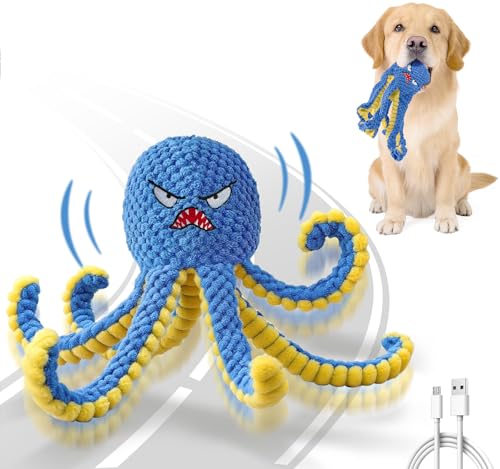
Battery-operated toys that mimic prey movement, make sounds, or respond to touch. These are high-energy toys that appeal to a dog's predatory instincts. Best for: high-drive dogs and puppies.
High-EnergyPlush Puzzles
Soft toys with hidden squeakers or compartments for treats. They combine the comfort of a plush with the challenge of a puzzle. Best for: gentle dogs and puppies who aren't heavy chewers.
Comfort & PlayFor dogs who need maximum durability, our guide to indestructible plush dog toys for aggressive chewers offers specialized recommendations that combine softness with toughness. Meanwhile, if your dog prefers to chase and retrieve, you might find our selection of fetch toys more suitable for outdoor play.
How to Choose the Right Interactive Toy for Your Dog
Not all interactive toys are created equal, and the "best" toy depends entirely on your individual dog. Consider these factors before making a purchase:
1. Assess Your Dog's Chewing Style
Dogs can be categorized into three chewing archetypes: gentle, moderate, and power chewers. A gentle chewer (often a small or senior dog) can safely use plush puzzles and soft rubber toys. A moderate chewer needs durable rubber or nylon. A power chewer—think Pit Bulls, German Shepherds, or Labs—will destroy anything less than industrial-strength. For these dogs, always choose toys labeled "heavy-duty" or "aggressive chewer." Our guide to chew toys for dogs provides a deeper dive into material safety.
2. Consider Your Dog's Age and Size
Puppies need softer toys that won't damage their developing teeth and jaws. Senior dogs may prefer low-impact toys like snuffle mats. Small dogs can become frustrated with puzzles designed for large breeds, while large dogs can accidentally swallow small toy parts. Always match the toy's size to your dog's mouth.
3. Match the Toy to Your Dog's Energy Level
A high-energy Border Collie might need a complex puzzle with multiple steps, while a relaxed Bulldog might be perfectly content with a simple treat-dispensing ball. If your dog gets bored easily, look for toys with adjustable difficulty levels.
| Toy Type | Best For | Difficulty Level | Durability |
|---|---|---|---|
| Puzzle Toys (sliding panels) | Smart, food-motivated dogs | Intermediate to Advanced | Moderate |
| Treat-Dispensing Balls | Active dogs, fast eaters | Beginner to Intermediate | High |
| Snuffle Mats | Anxious, senior, or gentle dogs | Beginner | Low to Moderate |
| Stuffable Rubber Toys | Power chewers, anxious dogs | Beginner to Intermediate | Very High |
| Electronic Motion Toys | High-drive, playful dogs | Intermediate | Moderate |
Safety First: How to Use Interactive Toys Responsibly
Interactive toys are designed for supervised play. No matter how durable a toy claims to be, no toy is truly indestructible. Ingestion of toy parts can cause life-threatening intestinal blockages. Follow these safety guidelines:
- Always supervise: Never leave your dog alone with a new interactive toy until you are confident they can use it safely.
- Inspect regularly: Check toys for cracks, loose parts, or wear and tear. Discard damaged toys immediately.
- Choose the right size: A toy should be large enough that your dog cannot swallow it whole. Avoid toys with small, easily detached parts.
- Avoid toxic materials: Look for toys made from non-toxic, pet-safe materials. Avoid cheap plastics that can splinter.
- Monitor treat consumption: If using treat-dispensing toys, adjust your dog's regular meals to prevent weight gain.
Pro Tip: If you have a multi-dog household, give each dog their own interactive toy in separate spaces. Resource guarding can occur when high-value treats are involved. For dogs with guarding issues, our article on behavior modification techniques offers practical solutions.
The Power of Toy Rotation
Even the most exciting toy loses its appeal if it's always available. Dogs are novelty-seekers, and toy rotation is a simple strategy to maintain engagement without spending a fortune. Here's how it works:
- Sort your toys into categories: Group them by type (puzzle, chew, plush, snuffle) and difficulty level.
- Create "toy sets": Divide your toys into 3-4 sets. Each set should include a mix of types.
- Rotate every 3-5 days: Put out one set and hide the others. When you rotate, the "new" toys will feel exciting again.
- Keep a special "high-value" toy: Reserve one exceptional toy (like a challenging puzzle) for special occasions or when you need your dog to settle down.
This strategy is particularly effective for dogs who get bored quickly. It also extends the lifespan of your toys, saving you money in the long run. If you're dealing with a puppy, our guide to puzzle toys for dogs includes age-appropriate options that grow with your dog.
DIY Interactive Toys You Can Make at Home
You don't need to spend money to provide mental stimulation. Some of the best interactive toys are simple household items. Here are a few safe, vet-approved ideas:
- Muffin Tin Puzzle: Place treats in a muffin tin and cover them with tennis balls. Your dog must remove the balls to get the treats.
- Frozen Kong: Stuff a Kong with wet dog food or peanut butter (xylitol-free) and freeze it. This provides hours of chewing and licking satisfaction.
- Cardboard Box Foraging: Fill a cardboard box with crumpled paper and hidden treats. Let your dog "dig" through it. Always supervise to prevent ingestion of cardboard.
- Snuffle Mat (DIY): Cut fleece strips and tie them to a rubber sink mat. Hide treats in the fabric. This is a low-cost alternative to store-bought snuffle mats.
When introducing any new toy—DIY or store-bought—start simple. If your dog gets frustrated, they may give up. Begin with easy wins and gradually increase difficulty. Our guide to dog toys includes more ideas for enrichment and play.
Frequently Asked Questions About Interactive Dog Toys
Ready to Challenge Your Dog's Mind?
Interactive toys are one of the simplest, most effective ways to improve your dog's quality of life. Whether you choose a puzzle, a snuffle mat, or a durable chew toy, the key is consistency and supervision. Start with one or two toys that match your dog's personality, and watch as their confidence and calmness grow. For more ways to enrich your dog's daily routine, explore our full range of dog products and dog toys.