Indestructible Dog Toys: What Actually Survives a Power Chewer
If your dog destroys every toy in minutes, you are not alone. This guide cuts through the marketing claims and shows you which materials, shapes, and brands genuinely withstand aggressive chewing—and how to keep your dog safe while they play.
You have probably bought a toy labeled "tough" or "indestructible," only to watch your dog shred it in under an hour. It is frustrating, expensive, and potentially dangerous if pieces get swallowed. The truth is that no toy is truly indestructible—but some come remarkably close, lasting months or even years under jaws that destroy everything else.
This guide is for owners of power chewers: the Labs, German Shepherds, Pit Bulls, Rottweilers, and determined mixed breeds who treat every toy as a challenge. You will learn what separates genuinely durable toys from clever marketing, which materials match your dog's chewing style, and how to spot danger before it becomes an emergency. If your dog destroys bedding too, see our guide to indestructible bedding for dogs for the same material principles.
The Truth About "Indestructible" Dog Toys
Marketing departments love the word "indestructible." Reality is more nuanced. A toy that survives a Chihuahua's gentle gnawing will not last five minutes with a determined Rottweiler. Durability is relative to the individual dog's bite force, chewing style, and persistence.
What "indestructible" really means in practice is "survives significantly longer than standard toys." The best toys in this category last weeks to months under aggressive chewing, compared to minutes or hours for ordinary plush or thin rubber toys. Even the toughest options will eventually show wear and must be replaced.
Key principle: Match the toy to the chewer, not the label. A toy rated "tough" may be perfect for a moderate chewer and useless for a power chewer. Always size up for strong jaws, and inspect toys regularly for damage.
Materials That Actually Last
Material is the single biggest factor in toy durability. Here is how the main options compare for aggressive chewers.
Nylon
The hardest and longest-lasting material for determined chewers. Nylon toys like Nylabone and Benebone withstand serious gnawing for months. They are not flexible, so they suit dogs who enjoy sustained chewing rather than tugging. Look for flavor-infused versions to keep interest high.
Maximum durabilityNatural Rubber (Kong Extreme)
Slightly gentler on teeth than nylon while still tough enough for most power chewers. Rubber toys bounce, can be stuffed with treats, and work well for dogs who like to chew and fetch. Kong Extreme in black is the benchmark for this category.
Best balance of toughness and playReinforced Fabric / Kevlar
For dogs who love plush toys but destroy them instantly. Brands use Kevlar, ballistic nylon, or heavy woven liners to create soft toys that survive far longer than standard plush. Not as tough as nylon or rubber, but the best option for soft-toy lovers.
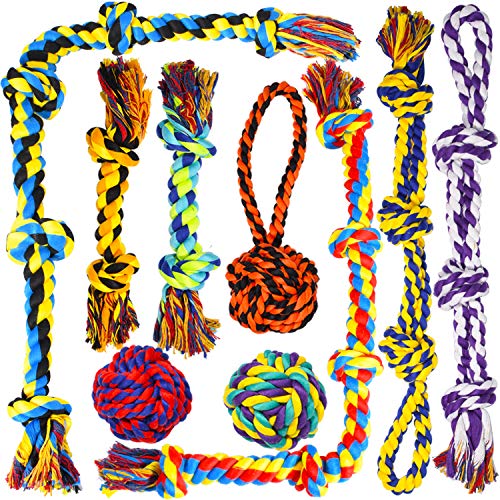
Best for plush loversHeavy-Duty Rope
Good for tug play and dental flossing, but risky for aggressive chewers who shred and swallow fibers. Use only under supervision. Rope toys are not a substitute for chew toys—they serve a different purpose in your dog's toy rotation.
Supervised tug onlyMany owners of aggressive chewers also explore natural chews like bully sticks. Our guide to bully sticks for power chewers covers edible options that complement durable toys. For fetch-obsessed dogs, durable rubber balls like Chuckit! are essential—tennis balls are abrasive and wear down teeth over time.
Best Toy Types by Chew Style
Not all power chewers chew the same way. Understanding your dog's style helps you choose toys that will actually last.
Sustained Gnawers
These dogs settle down and chew continuously for long periods. They need nylon bones, hard rubber chews, or thick rubber treat-dispensers. Benebone and Nylabone are designed for this style. Avoid anything with thin edges or small protrusions that can be gnawed off.
Shake-and-Destroy Players
These dogs grab a toy, shake it violently, and then chew the weak points. They need seamless rubber toys or reinforced plush with no appendages. Toys with arms, legs, or tails will lose those parts first. Choose simple shapes like balls, rings, or solid bones.
Tuggers
Dogs who live for tug-of-war need reinforced tug toys with strong handles or straps. Rope is traditional but risky if swallowed. Better options include rubber tug toys with molded handles or reinforced fabric tugs designed for two-handled play.
Pro tip: Rotate toys rather than leaving them all out. A toy that disappears for a week feels new again when it returns. This also extends the life of your best toys and reduces boredom-driven destruction.
Safety Rules Every Owner Must Follow
A durable toy is only safe if it stays intact. Follow these non-negotiable rules:
- Supervise new toys. Watch how your dog interacts with any new toy for the first few sessions. You will learn their weak points and whether the toy is genuinely suitable.
- Inspect weekly. Check for cracks, tears, loose pieces, or sharp edges. A toy that was safe last week may be dangerous now. When in doubt, throw it out.
- Size up. A toy that fits entirely in your dog's mouth is a choking hazard. Choose toys larger than your dog can swallow. For large breeds, always buy the largest size available.
- Remove damaged toys immediately. Do not wait for the toy to fall apart completely. Once a piece breaks off, the whole toy is compromised.
- Know your dog's limits. Some dogs can safely enjoy plush toys with supervision. Others must stick to rubber and nylon. Be honest about which category your dog falls into.
If your dog does swallow a piece of toy, watch for vomiting, lethargy, loss of appetite, or difficulty defecating. These can signal an intestinal blockage requiring emergency veterinary care. Our guide to dog first aid kits covers what to keep on hand for emergencies.
Tough Plush Options for Soft-Toy Lovers
Some dogs ignore rubber and nylon entirely—they want something soft to carry, cuddle, and squeak. For these dogs, "indestructible" plush is the goal. It does not truly exist, but some options come close.
Look for these features in tough plush toys:
- Reinforced stitching: Double-stitched or cross-stitched seams resist tearing at stress points.
- Inner liner: A second layer of tough fabric inside the plush exterior prevents stuffing from escaping immediately.
- Kevlar or ballistic nylon: High-tensile fabrics used in body armor and industrial applications.
- No small appendages: Toys with minimal protruding parts (legs, ears, tails) have fewer weak points to destroy.
Brands like goDog use Chew Guard technology with a high-tensile mesh lining, and Bite Force incorporates Kevlar yarn. Reviews are mixed—some power chewers destroy these in hours, while others last months. The key is realistic expectations: a tough plush toy will outlast a standard plush toy, but it is not a match for a determined nylon-chewer.
For dogs who love interactive play, durable tug toys and fetch toys offer active outlets that redirect chewing energy into appropriate play. A tired dog is less likely to destroy toys out of boredom.
Common Mistakes That Waste Money
Most owners of aggressive chewers have a graveyard of destroyed toys. These mistakes are the usual culprits:
- Buying based on label, not material. "Tough" and "indestructible" are marketing terms. Read the materials. Nylon and thick rubber are the only truly durable options for power chewers.
- Buying too small. A small toy for a large dog is a choking hazard and will be destroyed faster. Size up every time.
- Leaving plush toys unattended. Even tough plush toys are not indestructible. If your dog destroys plush, only allow supervised play.
- Not rotating toys. Dogs destroy the same toy faster when they are bored with everything else. Rotate 3-4 toys at a time.
- Ignoring the dog's preferences. Some dogs hate rubber. Some hate nylon. Watch what your dog actually enjoys and choose durable options in that category.
One final reminder: No toy replaces training and exercise. A dog who destroys everything may be under-stimulated or anxious. If destruction happens even with durable toys, review your dog's daily exercise and mental enrichment. Our guide to interactive dog toys and puzzle toys can help tire your dog's brain as well as their jaws.
Frequently Asked Questions
The bottom line: Stop buying toys labeled "indestructible" and start buying based on material and your dog's chewing style. Nylon for sustained gnawers, thick rubber for chew-and-play dogs, and reinforced fabric for plush lovers. Size up, supervise, and inspect often. Your dog will still eventually destroy something—but it will take far longer, and your wallet will thank you.