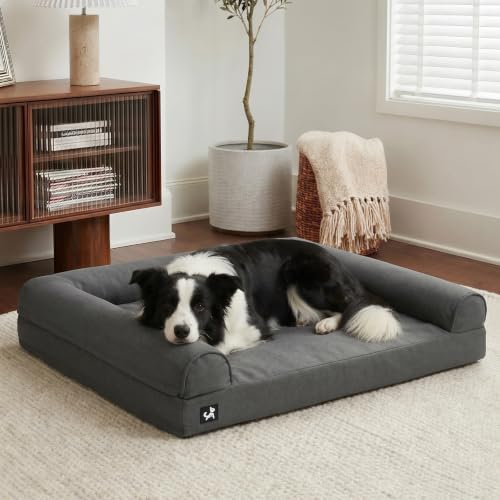
Indestructible Bedding for Dogs: A Realistic Guide for Chewers
If your dog has turned every cozy bed into a pile of fluff, you are not alone. This guide explains what makes a dog bed truly tough, which materials actually hold up, and how to choose bedding that survives your dog’s chewing habit.
Every dog owner knows the sinking feeling of coming home to find stuffing scattered across the floor and a very proud-looking dog sitting in the middle of the wreckage. For dogs with a strong chewing drive, a standard plush bed can last minutes. That is why so many owners search for "indestructible bedding for dogs." The term is a bit of a marketing promise, but the underlying goal is real: find a bed that can withstand sharp teeth, digging claws, and relentless curiosity.
This guide is designed for owners who have already tried and failed with ordinary beds. You are likely in the research phase, trying to understand which materials and designs are actually worth your money. We will walk through the construction details that separate a genuinely tough bed from a flimsy one, explain which bed styles work best for different types of chewers, and help you set realistic expectations. If you are dealing with a dog who also destroys toys, our guide to indestructible dog toys is a natural companion read.
What "Indestructible" Really Means for Dog Beds
No dog bed is truly indestructible. A determined dog with enough time and sharp enough teeth can eventually damage almost anything. The term "indestructible" in the pet industry generally means "highly resistant to chewing and tearing" — a bed that will last significantly longer than a standard fabric bed, giving you better value and reducing the risk of your dog ingesting dangerous materials.
The difference comes down to construction. A standard dog bed uses soft, loosely woven fabric, often with a zipper that invites chewing and a filling that spills everywhere once the cover is breached. A chew-resistant bed uses dense, tightly woven fabric, reinforced seams, and a filling that is either securely contained or made from tough, non-toxic foam. The best beds also avoid external zippers, which are a common target for dogs who like to nibble on hardware.
Key Takeaway: Focus on the fabric, the seams, and the closure system. A bed with ballistic nylon, double-stitched seams, and a hidden or no-zipper design will outperform a bed with pretty patterns and soft fleece every time.
Best Chew-Proof Materials for Dog Bedding
Material choice is the single biggest factor in how well a bed will hold up. Here are the fabrics and fillings that consistently perform best against aggressive chewers.
Fabrics That Resist Tearing
- Ballistic Nylon: Originally developed for military flak jackets, this tightly woven nylon is highly resistant to abrasion, punctures, and tearing. It is the gold standard for chew-proof beds. It is smooth, easy to wipe clean, and does not hold odors as much as softer fabrics.
- Ripstop Polyester: This fabric has a grid pattern woven into it that stops small tears from spreading. It is lighter than ballistic nylon but still far tougher than standard polyester. A good choice for moderate chewers.
- Heavy-Duty Canvas: Thick, tightly woven cotton or cotton-blend canvas can withstand a lot of abuse. It is breathable and comfortable, but not as puncture-resistant as ballistic nylon. Look for a high thread count and reinforced stitching.
- Chew-Proof Mesh (for cot-style beds): Raised cot beds often use a tough, PVC-coated mesh. This material allows air circulation and is very difficult to tear, though some dogs may still chew at the edges if the frame is exposed.
Fillings That Stay Contained
- High-Density Foam: A solid piece of dense orthopedic foam is much harder for a dog to destroy than loose fiberfill. Even if the cover is punctured, the foam holds its shape and does not create a mess. It also provides better joint support.
- CertiPUR-US Certified Foam: This certification ensures the foam is made without harmful chemicals and has low emissions. It is a good safety marker for dogs who might ingest small pieces.
- Recycled Fiber Core: Some tough beds use a densely packed fiber core that is more difficult to pull apart than loose stuffing. It is softer than foam but still more durable than standard polyfill.
Pro Tip: Avoid beds with loose polystyrene beads or shredded foam. Once the cover is breached, these materials scatter everywhere and are a serious choking and obstruction hazard. A solid foam core is much safer for a determined chewer.
Design Features That Make a Real Difference
Even the toughest fabric can fail if the bed is poorly constructed. Pay attention to these design details when comparing options.
- Reinforced, Double-Stitched Seams: Seams are the weakest point of any fabric product. Look for beds with double or even triple stitching along all edges. Some premium beds use binding tape over the seams for extra strength.
- Hidden or No Zipper: Zippers are a favorite target for chewers. The most durable beds either have no zipper at all (the cover is sewn shut) or use a hidden zipper with a fabric flap covering it. Exposed zipper teeth will be chewed.
- No Exposed Corners or Tags: Dogs love to grab corners and pull. A tough bed should have rounded or reinforced corners that are difficult to grip. Remove or tuck away any loose tags.
- Elevated Cot Design: Raised beds with a metal frame and a tough mesh or fabric sleeping surface keep the dog off the floor and away from the edges of the fabric. The frame is usually chew-resistant metal, and the fabric is stretched tight, making it harder to grab.
- Waterproof Inner Liner: A waterproof liner inside the cover protects the foam from accidents and drool. It also makes the bed easier to clean and reduces odors.
Types of Indestructible Bedding for Dogs
Different bed styles suit different dogs. Here is a breakdown of the most durable options and what they are best for.
| Bed Type | Durability Tier | Best For | Key Features |
|---|---|---|---|
| Ballistic Nylon Mattress | Top-Tier | Aggressive chewers, dogs who destroy plush beds | Tightly woven nylon, hidden zipper, solid foam core, double-stitched seams |
| Elevated Cot Bed (Metal Frame) | High-End | Dogs who chew edges, dogs who run hot, outdoor use | Chew-proof mesh or canvas, metal frame, elevated for airflow, easy to clean |
| Ripstop Polyester Bolster Bed | Mid-Range | Moderate chewers, dogs who like to rest their head | Ripstop fabric, reinforced seams, removable cover, orthopedic foam |
| Heavy-Duty Canvas Mat | Entry-Level | Dogs who dig and scratch but do not actively chew fabric | Thick canvas, simple design, machine washable, affordable |
For dogs who are more interested in destroying plush toys than beds, a durable plush bed might be sufficient. But if your dog has already shredded multiple beds, it is worth investing in the top-tier ballistic nylon or a metal-framed cot. If you are also looking for toys that can survive, our article on indestructible plush dog toys for aggressive chewers covers that topic in depth.
How to Choose the Right Indestructible Bed
Choosing a bed is not just about finding the toughest fabric. You also need to match the bed to your dog’s size, sleeping style, and the reason they chew.
Assess Your Dog’s Chewing Style
- Edge Chewers: Dogs who target seams and corners. Look for beds with rounded, reinforced edges and no exposed stitching.
- Zipper Chewers: Dogs who specifically seek out zippers and hardware. Choose a bed with no zipper or a completely hidden zipper.
- Diggers: Dogs who scratch and paw at the bed before lying down. A tight-fitting cover over a solid foam core, or a cot-style bed, will hold up best.
- Destructive Chewers: Dogs who actively tear and ingest fabric. The only safe option is a bed with no loose fabric and a solid, non-toxic core. A metal-framed cot is often the safest choice for these dogs.
Consider Size and Sleeping Position
Measure your dog from nose to tail and add a few inches. Dogs who curl up need a smaller, nest-like bed, while dogs who sprawl need a larger mattress. A bed that is too small may be uncomfortable, but a bed that is too large can be intimidating. For large breeds, look for beds specifically designed for their size and weight.
Check the Return Policy and Warranty
Even the best bed might not work for every dog. Before you buy, check the manufacturer’s return policy and any chew warranty. Some premium brands offer a guarantee that they will replace the bed if your dog destroys it within a certain period. This is a strong sign of confidence in their product.
Safety and Managing the Chewing Habit
A tough bed is only part of the solution. If your dog is a persistent chewer, you also need to address the underlying cause and manage the environment.
- Provide Appropriate Chew Outlets: Keep a variety of safe chew toys available, such as durable rubber toys, nylon bones, or bully sticks. Rotate them to keep them interesting. For more ideas, see our guide to chew toys for dogs.
- Increase Exercise and Mental Stimulation: Boredom is a major driver of destructive chewing. A tired dog is less likely to destroy its bed. Puzzle toys and training sessions can help tire your dog out mentally.
- Use Deterrent Sprays: Bitter-tasting sprays can be applied to the bed cover to discourage chewing. Always test on a small area first and choose a product safe for the fabric.
- Supervise and Redirect: When your dog starts chewing the bed, calmly redirect them to an appropriate toy. Praise them when they chew the toy instead. Never punish — punishment can increase anxiety and make the chewing worse.
- Rule Out Medical Issues: Some dogs chew due to anxiety, pain, or gastrointestinal issues. If the behavior is sudden or severe, consult your veterinarian or a behaviorist. Our article on behavior modification techniques may be helpful.
Important Safety Note: If your dog has a history of ingesting fabric or stuffing, do not leave them unsupervised with any fabric bed, even a chew-resistant one. Ingested materials can cause life-threatening intestinal blockages. A metal-framed cot bed is the safest option for these dogs.
Cleaning and Maintaining Your Tough Dog Bed
To get the longest life out of your indestructible bedding, follow these maintenance tips:
- Check for Damage Regularly: Inspect seams, corners, and the closure system weekly. Small tears can be repaired with a heavy-duty fabric patch before they grow.
- Wash the Cover: Most ballistic nylon and ripstop covers are machine washable on a gentle cycle. Use a pet-safe detergent and air dry to prevent shrinking. Remove the foam core before washing.
- Spot Clean the Foam: If the foam core gets soiled, spot clean with a mild soap solution and allow it to dry completely in a well-ventilated area.
- Rotate the Bed: If your dog tends to chew one specific spot, rotate the bed periodically to distribute wear.
- Keep the Bed Away from Destructive Moments: If your dog is prone to chewing when bored or anxious, put the bed away when you cannot supervise, or provide a safe alternative like a chew toy.
Frequently Asked Questions
Bottom Line: The best indestructible bedding for dogs combines a tough, tightly woven fabric like ballistic nylon, reinforced seams, and a solid foam core. For the most determined chewers, a metal-framed cot bed is often the safest and most durable choice. Remember that no bed replaces proper supervision, appropriate chew toys, and addressing the root cause of the chewing behavior. If you are also looking for other tough dog gear, explore our recommendations for dog products.