Dog Parasite Prevention: The Complete Protection Guide
Fleas, ticks, heartworms, and intestinal parasites threaten your dog year-round. Learn how to build an effective prevention strategy that keeps your dog safe, healthy, and parasite-free.
Parasites are more than just a nuisance — they are a serious health threat that can cause everything from uncomfortable itching to life-threatening disease. Fleas can transmit tapeworms and cause severe allergic reactions. Ticks spread Lyme disease, ehrlichiosis, and Rocky Mountain spotted fever. Heartworms cause progressive damage to the heart and lungs. Intestinal parasites can lead to malnutrition, anemia, and even death in severe cases.
The good news is that parasite prevention has never been more effective or more convenient. With the right combination of products and a consistent routine, you can protect your dog from virtually all common parasites. This guide walks you through each type of parasite, the prevention options available, and how to build a strategy that works for your dog's lifestyle.
Why Parasite Prevention Matters
Many dog owners only think about parasites when they see a flea or notice their dog scratching. But by the time symptoms appear, the infestation is often well-established. Prevention is not just about avoiding discomfort — it is about protecting your dog from diseases that can shorten their life and cost thousands in treatment.
The True Cost of Parasites:
• Fleas can cause flea allergy dermatitis, tapeworms, and anemia (especially in puppies). A single flea can lay 40-50 eggs per day.
• Ticks transmit Lyme disease, anaplasmosis, ehrlichiosis, and Rocky Mountain spotted fever. These diseases can cause lifelong joint pain, organ damage, and neurological problems.
• Heartworms cause progressive heart and lung damage. Treatment is risky, expensive, and painful. Prevention is safe and simple.
• Intestinal parasites like roundworms and hookworms can be transmitted to humans, especially children. Regular deworming protects your whole family.
Prevention is also far more cost-effective than treatment. A year of flea, tick, and heartworm prevention costs a fraction of treating a single case of heartworm disease or a severe tick-borne illness. For dog owners considering pet insurance, many plans cover parasite prevention as part of wellness care, making it even more accessible.
For a broader approach to keeping your dog healthy, see our preventive health care guide. Parasite prevention is one pillar of a comprehensive wellness plan that includes vaccinations, regular vet visits, and proper nutrition.
Flea Prevention & Control
Fleas are the most common external parasite affecting dogs. They are not just itchy — they can cause serious health problems including allergic dermatitis, anemia, and tapeworm infections. A single flea can multiply into a full-blown household infestation within weeks.
Understanding the Flea Life Cycle
Effective flea control requires understanding that adult fleas on your dog represent only about 5% of the total flea population. The other 95% — eggs, larvae, and pupae — live in your home and yard. This is why treating your dog alone is often not enough.
- Eggs: Laid on your dog, fall off into the environment. Hatch in 1-10 days.
- Larvae: Feed on organic debris, avoid light. Develop in 5-11 days.
- Pupae: Cocoon stage. Resistant to most insecticides. Can survive up to 5 months.
- Adult fleas: Feed on your dog's blood. Start laying eggs within 24-48 hours.
Flea Prevention Options
Modern flea preventives are highly effective when used consistently:
- Oral chewables: Fast-acting, no mess, not affected by bathing or swimming. Most last 4-12 weeks depending on product. Excellent for dogs with sensitive skin.
- Topical spot-ons: Applied to the skin between the shoulder blades. Monthly application. Some are affected by frequent bathing.
- Collars: Provide long-lasting protection (up to 8 months). Good for dogs who are difficult to medicate. Less effective for severe infestations.
- Sprays and shampoos: Best for immediate treatment of existing infestations, not long-term prevention.
For dogs with sensitive skin, see our guide to flea and tick treatment for sensitive skin.
Treating Your Home and Yard
When an infestation occurs, you must treat the environment as well as the dog:
- Wash all bedding in hot water weekly. This kills eggs, larvae, and pupae.
- Vacuum thoroughly — carpets, furniture, baseboards, and under furniture. Dispose of the vacuum bag immediately. The vibration helps trigger pupae to emerge where they can be killed.
- Use a household flea spray containing an insect growth regulator (IGR) to break the life cycle. These prevent eggs and larvae from developing into adults.
- Treat your yard — focus on shaded areas, under decks, and where your dog rests. Keep grass short and remove debris where fleas breed.
- Repeat treatment every 2-4 weeks for at least 3 months to eliminate all life stages.
For persistent flea problems, see our guide on how to get rid of fleas on your dog when standard methods fail.
Tick Prevention & Tick-Borne Diseases
Ticks are more dangerous than fleas because they transmit serious diseases that can affect your dog for life. Unlike fleas, ticks do not infest your home — they live outdoors and attach to your dog when you walk through grassy, wooded, or brushy areas.
Diseases Transmitted by Ticks
- Lyme disease: Caused by Borrelia burgdorferi. Symptoms include lameness, fever, swollen joints, and kidney damage. Can affect humans too.
- Ehrlichiosis: Causes fever, lethargy, loss of appetite, and bleeding disorders. Can be fatal if untreated.
- Anaplasmosis: Similar to ehrlichiosis. Causes joint pain, fever, and neurological symptoms.
- Rocky Mountain spotted fever: Causes fever, rash, and organ damage. Can be fatal.
- Babesiosis: Attacks red blood cells, causing anemia and jaundice.
Important: A tick must typically be attached for 24-48 hours to transmit disease. This is why daily tick checks are critical — especially after walks in wooded or grassy areas. Remove ticks promptly with fine-tipped tweezers, pulling straight out without twisting.
Tick Prevention Methods
The same products that prevent fleas often prevent ticks, but not all. Check labels carefully:
- Oral chewables: Many flea and tick chewables kill ticks within hours of attachment, before they can transmit disease. Excellent for dogs who swim or need reliable protection.
- Topical spot-ons: Effective but can be affected by bathing and swimming. Some have a repellent effect that prevents ticks from attaching in the first place.
- Tick collars: Provide long-lasting protection. Some work by repelling ticks, others by killing them on contact. Good for dogs who spend a lot of time outdoors.
- Vaccines: A Lyme disease vaccine is available for dogs in high-risk areas. Discuss with your vet whether it is appropriate for your dog.
For detailed product recommendations, see our guide to tick prevention products and over-the-counter flea and tick treatments.
Heartworm Prevention
Heartworms are one of the most dangerous parasites a dog can get. Transmitted by mosquitoes, these foot-long worms live in the heart, lungs, and blood vessels, causing progressive damage that is often fatal if untreated. Unlike fleas and ticks, heartworm prevention is not optional in most parts of the world.
How Heartworms Spread
Heartworm disease follows this cycle:
- A mosquito bites an infected dog and picks up microscopic heartworm larvae (microfilariae).
- The larvae develop inside the mosquito for 10-14 days.
- The mosquito bites a healthy dog, depositing infective larvae.
- Larvae migrate through the dog's tissues and reach the heart and pulmonary arteries in about 6 months.
- Adult worms grow up to 12 inches long and can live 5-7 years, producing more larvae.
Heartworm Prevention Options
- Monthly oral chewables: The most common option. Given year-round, they prevent heartworm and often control intestinal parasites too. Dogs must test negative before starting.
- Monthly topicals: Applied to the skin. Combine heartworm prevention with flea and tick control in one product.
- Injectable preventives: A single injection given by your vet protects for 6 or 12 months. Ideal for owners who struggle with monthly dosing.
See our full guide to year-round heartworm prevention for detailed schedules and product comparisons.
Critical Warning: Giving heartworm prevention to a dog who is already infected can cause a dangerous reaction. Always test your dog for heartworm before starting or restarting prevention. If you miss a dose, consult your vet — do not simply double up on the next dose.
Intestinal Parasite Prevention
Intestinal parasites — roundworms, hookworms, whipworms, tapeworms, coccidia, and giardia — are extremely common in dogs, especially puppies. Many are zoonotic, meaning they can be transmitted to humans. Regular deworming and fecal testing are essential for your dog's health and your family's safety.
Common Intestinal Parasites
- Roundworms: The most common intestinal parasite in dogs. Puppies are often born with them. Can cause potbelly appearance, diarrhea, and vomiting. Transmissible to humans.
- Hookworms: Attach to the intestinal wall and feed on blood. Can cause severe anemia, especially in puppies. Larvae can penetrate human skin.
- Whipworms: Live in the large intestine. Cause chronic diarrhea, weight loss, and bloody stools. Difficult to detect and treat.
- Tapeworms: Transmitted by fleas and raw meat. Segments look like grains of rice around the anus. Dogs get them by swallowing infected fleas.
- Coccidia: Single-celled parasites. Common in puppies and dogs in stressful environments (shelters, kennels). Cause diarrhea.
- Giardia: Found in contaminated water. Causes intermittent diarrhea and weight loss. Can be transmitted to humans.
Prevention Strategies for Intestinal Parasites
- Monthly deworming: Many heartworm preventives also control roundworms, hookworms, and whipworms. Some also control tapeworms.
- Fecal exams: Bring a fresh stool sample to your vet 1-2 times yearly. Puppies should be tested at every vaccination visit.
- Prompt cleanup: Pick up dog poop immediately. Intestinal parasite eggs are passed in feces and contaminate the environment.
- Prevent scavenging: Discourage your dog from eating dead animals, garbage, or feces. Use a muzzle if your dog is a determined scavenger.
- Flea control: Since tapeworms are transmitted by fleas, flea prevention is also tapeworm prevention.
- Puppy deworming: Puppies should be dewormed starting at 2 weeks of age and repeated every 2 weeks until 12 weeks, then monthly until 6 months.
Types of Parasite Preventives
With so many products available, choosing the right parasite prevention for your dog can feel overwhelming. Here is a breakdown of the main categories to help you understand your options.
| Product Type | Coverage | Frequency | Best For | Quality Tier |
|---|---|---|---|---|
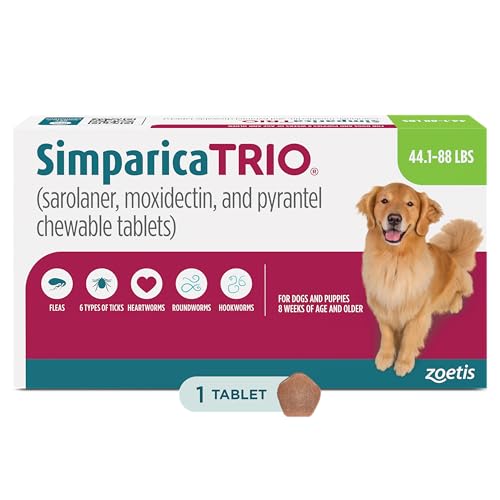
| Oral Chewables | Fleas, ticks, heartworm, intestinal worms | Monthly to every 12 weeks | Dogs who swim, easy dosing, fast-acting | Mid-range to premium |
| Topical Spot-Ons | Fleas, ticks, heartworm (some), intestinal worms (some) | Monthly | Dogs who won't take pills, broad coverage | Entry-level to premium |
| Collars | Fleas, ticks (some) | Every 6-8 months | Outdoor dogs, owners who prefer less frequent dosing | Budget-friendly to mid-range |
| Injectable Preventives | Heartworm only | Every 6-12 months | Owners who struggle with monthly compliance | Premium |
| Shampoos & Sprays | Fleas, ticks (temporary) | Weekly to as needed | Immediate treatment of existing infestations | Budget-friendly |
For a comprehensive look at the safest and most effective options, see our guide to the safest and most effective flea and tick treatment for dogs. If you prefer to avoid a vet prescription, see our article on oral flea and tick treatments without a vet prescription and flea and tick chewables without a vet prescription.
Year-Round Prevention Strategy
Many owners stop parasite prevention during winter, assuming cold weather kills parasites. This is a dangerous misconception. Fleas survive indoors year-round, ticks can remain active in temperatures above freezing, and heartworm is transmitted by mosquitoes that can live indoors. Year-round prevention is the safest approach.
Building Your Prevention Routine
- Assess your dog's risk factors. Dogs who hike, swim, or spend time in wooded areas face higher tick exposure. Dogs in warm, humid climates face year-round flea and heartworm risk. Multi-dog households have higher parasite transmission rates.
- Choose a core preventive. A monthly oral or topical product that covers fleas, ticks, and heartworm is the foundation. Add intestinal worm coverage if not included.
- Test before starting. Your dog must test negative for heartworm before starting prevention. A fecal exam checks for intestinal parasites.
- Set a monthly reminder. Use your phone calendar or a automated reminder. Missing doses is the most common reason prevention fails.
- Check your dog daily. Run your hands over your dog's entire body after outdoor activities. Focus on ears, between toes, under the collar, and around the tail base.
- Keep the environment clean. Pick up poop immediately, wash bedding regularly, and treat the yard if you live in a high-flea area.
- Stay consistent. Prevention works only when given on schedule. If you miss a dose, contact your vet for guidance.
Pro Tip: Create a parasite prevention chart for your household. Include the product name, dose date, and next due date. If multiple family members care for the dog, this prevents accidental double-dosing or missed doses. For dogs on multiple preventives, coordinate timing so all products are given on the same day each month.
Natural & Holistic Approaches
Some owners prefer natural parasite prevention due to concerns about chemicals or cost. While some natural methods can help repel parasites, they are generally not as reliable as veterinary-approved preventives. Here is an honest look at what works and what doesn't.
Natural Options with Some Evidence
- Diatomaceous earth (food grade): Can help dry out fleas in the environment. Must be reapplied frequently. Do not use pool-grade DE, which is toxic.
- Essential oil repellents: Some oils like cedarwood, lavender, and peppermint may repel fleas and ticks. However, many essential oils are toxic to dogs — never apply undiluted oils to your dog's skin.
- Apple cider vinegar: Some owners add it to drinking water or use it as a rinse. Evidence for effectiveness is anecdotal. Do not apply to irritated skin.
- Regular grooming: Brushing and bathing remove some parasites and help you spot problems early. Use a flea comb for thorough checks.
- Yard management: Keep grass short, remove leaf litter, and discourage wildlife that carries ticks. This reduces parasite habitat around your home.
Warning: Many essential oils are toxic to dogs, especially tea tree, citrus, pine, and wintergreen. Cats are even more sensitive — never use dog flea products on cats, as permethrin is fatal to cats. Always consult your veterinarian before using any natural remedy.
If you want to explore natural options as part of a broader wellness approach, see our guides to dog supplements and caring for dogs with sensitive skin. For most dogs, a combination of veterinary preventives and natural environmental management provides the best protection.
Common Parasite Prevention Mistakes
Even diligent owners make mistakes that leave their dogs vulnerable. Avoid these common errors:
- Stopping prevention in winter. Fleas and ticks survive indoors and in mild climates. Heartworm is transmitted by mosquitoes that can live year-round in heated homes. Use prevention year-round.
- Using the wrong product for your dog's weight. Under-dosing leaves your dog unprotected. Over-dosing can cause serious side effects. Always weigh your dog accurately and use the correct size product.
- Using dog products on cats. Permethrin, a common dog flea treatment, is highly toxic to cats and can cause seizures or death. Never use dog flea products on cats.
- Skipping the heartworm test. Giving heartworm prevention to an infected dog can cause a dangerous reaction. Always test before starting and annually thereafter.
- Bathing too soon after topical application. Most topical products need 24-48 hours to spread across the skin. Bathing too soon washes the product off and reduces effectiveness.
- Not treating the environment. Treating your dog without addressing the home and yard allows reinfestation. Flea eggs and larvae in carpets and bedding will quickly mature and re-infest your dog.
- Assuming indoor dogs are safe. Indoor dogs can still get fleas from other pets, visitors, or trips outside. Heartworm is transmitted by mosquitoes that come indoors. All dogs need prevention.
- Ignoring early signs of infestation. Scratching, hair loss, scooting, and visible worms require immediate action. Waiting allows the problem to worsen and spread.
- Not checking for ticks daily. Ticks must be removed within 24-48 hours to prevent disease transmission. Daily checks are essential during tick season.
For related safety topics, see our guides to toxic foods for dogs, dog first aid kits, and general dog safety.
Frequently Asked Questions
Your Parasite Prevention Action Plan
Start by scheduling a vet visit for a heartworm test and fecal exam. Discuss which preventive products are best for your dog's age, weight, lifestyle, and local parasite risk. Choose a monthly product that covers the parasites most common in your area. Set a reminder on your phone. Check your dog for ticks after every outdoor adventure. Pick up poop immediately. And remember — prevention is not a one-time purchase; it is an ongoing commitment to your dog's health that pays off in a longer, happier, healthier life.