The Complete Guide to Dog Beds
Everything you need to know about choosing the right dog bed — from size and materials to orthopedic support, cleaning, and matching the perfect bed to your dog's sleep style.
Your dog spends roughly half of every day sleeping — and that's a conservative estimate for puppies and senior dogs. Yet many owners treat the dog bed as an afterthought, grabbing whatever looks comfortable on a shelf without considering whether it actually supports their dog's body, sleep style, or health needs. A well-chosen dog bed is not a luxury; it's a piece of equipment that protects joints, regulates temperature, reduces anxiety, and helps your dog rest deeply enough to stay healthy and well-behaved.
This guide breaks down everything that matters when buying a dog bed: the real differences between bed types, how to measure your dog correctly, which fillings hold up over time, and when orthopedic support becomes essential rather than optional. By the end, you'll know exactly which bed fits your dog — and which ones to avoid.
Why a Good Dog Bed Matters
Dogs are not built to sleep comfortably on hard floors. Wild canines slept on earth, leaves, and grass — surfaces with some give. Domestic dogs sleeping on tile, hardwood, or concrete put constant pressure on their joints, elbows, and hips. Over years, this contributes to calluses, arthritis flare-ups, and poor sleep quality.
A proper bed delivers three benefits that directly affect your dog's health:
- Joint and pressure relief: Foam or fiber filling distributes body weight evenly, reducing pressure points on elbows and hips. This matters most for large breeds, senior dogs, and any dog with arthritis or hip dysplasia.
- Body temperature regulation: Dogs lose heat through their belly and paws. Insulation from the floor keeps them warm in winter, while breathable materials and raised designs prevent overheating in summer. A dog that's too cold or too hot wakes repeatedly and never reaches deep sleep.
- Security and anxiety reduction: A dedicated bed gives your dog a predictable, safe space of their own. Bolster beds in particular help anxious dogs feel enclosed and protected, which supports calmer behavior and easier crate training transitions.
The sleep-behavior connection: Dogs that sleep poorly are more reactive, more destructive, and harder to train. If your dog is restless at night, chews furniture, or struggles to settle, the bed itself may be part of the problem — not just lack of exercise.
Types of Dog Beds
Dog beds come in several distinct designs, each suited to different sleep styles and needs. Understanding the differences prevents you from buying a bed your dog will ignore.
Bolster / Donut Beds
Raised edges on all sides create a sense of security. Ideal for anxious dogs, puppies, and dogs that like to curl up and rest their head on a rim. The raised sides also block drafts, making these a favorite in cooler climates.
entry-level to premiumOrthopedic Memory Foam Beds
High-density or memory foam supports body weight and relieves pressure on joints. The go-to choice for senior dogs, large breeds, and dogs recovering from surgery or managing arthritis. Firmness and thickness vary significantly across the category.
mid-range to luxuryRaised / Cot-Style Beds
Elevated fabric stretched over a frame keeps dogs off the floor, improving airflow underneath. Excellent for hot climates, outdoor use, and thick-coated breeds. Easy to hose down and quick-drying, though less cushioned than foam beds.
affordable to mid-pricedMattress / Flat Beds
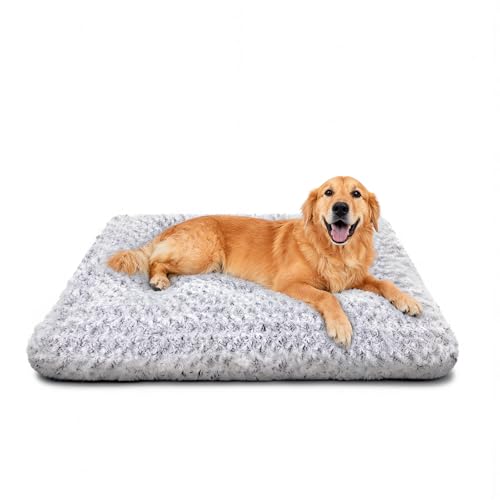
Simple flat cushions that suit dogs who sprawl out when they sleep. The most space-efficient option and often the easiest to clean. Support quality depends entirely on filling density — budget versions flatten quickly.
budget-friendly to premiumHeated Beds
Built-in low-voltage heating elements provide gentle warmth for senior dogs, small breeds, and dogs in cold homes. Look for chew-resistant cords and automatic shut-off safety features. Best paired with a washable cover.
mid-range to high-endCave / Hooded Beds
Enclosed designs with a roof or hood appeal to burrowers and nervous dogs who want to hide. Excellent for dogs that seek out closets, under-desk spaces, or blanket piles. Less suitable for dogs that prefer to stretch out.
mid-tier to premiumMany dogs benefit from having more than one bed type available — a supportive orthopedic bed for nighttime and a raised cot or mat for daytime lounging. Rotating beds also extends their lifespan since wear is distributed.
How to Choose the Right Size
Buying the wrong size is the single most common dog bed mistake. A bed that's too small forces your dog to curl awkwardly and puts pressure on joints. A bed that's too large wastes space but rarely causes problems — so when in doubt, size up.
The Correct Measuring Method
- Measure length: With your dog lying down in their natural sleep position, measure from the tip of the nose to the base of the tail. Do not measure a standing dog — the lying measurement is what matters.
- Measure width: Measure across the widest part of the body, usually the shoulders or hips depending on the breed.
- Add clearance: Add 6-12 inches to both measurements so your dog can stretch out and turn around without hanging off the edges. Add more for sprawlers.
- Check the weight rating: Even if the dimensions fit, confirm the bed's weight capacity. A large dog on an under-rated bed will compress the filling and destroy support within weeks.
| Dog Weight | Typical Bed Size | Best For |
|---|---|---|
| Under 10 lbs | Small (approx. 20" × 15") | Toy breeds, Chihuahuas, Yorkies |
| 10–25 lbs | Small–Medium (approx. 25" × 20") | Beagles, French Bulldogs, Shih Tzus |
| 25–50 lbs | Medium (approx. 30" × 24") | Border Collies, Cocker Spaniels |
| 50–90 lbs | Large (approx. 36" × 28") | Labradors, Golden Retrievers |
| Over 90 lbs | Extra Large (approx. 44" × 32"+) | Great Danes, Mastiffs, giant breeds |
Puppy sizing tip: Buy for your puppy's expected adult size, not their current size. Puppies grow fast, and a bed sized for the adult dog will be usable for years instead of months. During house training, put a waterproof liner under a washable cover to protect the foam.
Materials & Fillings Explained
The outer fabric gets the marketing attention, but the filling determines how well a bed actually supports your dog — and how long it lasts before flattening into a thin pad.
Fillings and Cores
- Memory foam: Contours to body shape and returns to form. The best choice for pressure relief, though quality varies enormously — low-density memory foam softens and collapses within a year under a large dog.
- High-density polyurethane foam: Firmer, more durable support than standard foam. Often paired with a memory foam top layer. Holds shape well under heavier dogs.
- Polyester fiberfill: Loosely stuffed filling found in most budget beds. Comfortable at first but compresses and clumps over time. Machine washing accelerates the breakdown.
- Cedar shavings or buckwheat: Natural fillings used in some beds, often for odor control or contouring. Heavier and noisier than foam, and usually not washable — spot clean only.
- Gel-infused foam: Includes cooling gel designed to dissipate heat. Helpful for thick-coated breeds in warm climates, though the cooling effect is modest and fades as the foam warms.
Outer Fabrics
- Canvas and denim: Durable and resistant to scratching and digging. Best for dogs that paw at their bed before settling, and for chew-prone puppies under supervision.
- Fleece and plush: Soft and warm, ideal for anxious dogs and cool rooms. Less durable and can pill after repeated washing.
- Waterproof liners (TPU or PVC): Protect the foam core from accidents, drool, and spills. Essential for puppies, senior dogs with incontinence, and any dog prone to paw licking that leaves damp spots.
- Mesh and breathable fabrics: Improve airflow and suit warm climates or dogs that overheat easily.
Orthopedic Beds for Joint Support
Orthopedic beds are not just marketing language. A genuine orthopedic bed uses foam dense enough to keep a heavy dog from sinking through to the floor, distributing weight across the entire body instead of concentrating it on elbows and hips.
Who Needs an Orthopedic Bed
- Senior dogs: Aging joints lose cartilage cushioning. A supportive bed makes it easier to rise in the morning and reduces stiffness.
- Large and giant breeds: Body weight increases joint pressure proportionally. A large Labrador needs far more support than a Chihuahua to avoid pressure points.
- Dogs with arthritis or hip dysplasia: Directly supports arthritis management by reducing pressure on painful joints during rest.
- Post-surgery or injured dogs: Recovery requires uninterrupted rest. A bed that supports the body properly reduces fidgeting and re-injury risk.
- Dogs with calluses: Elbow calluses are a sign of chronic pressure. An orthopedic bed prevents new ones and gives existing calluses a chance to heal.
What to Look For
- Foam thickness of at least 3–4 inches for medium dogs, 4–6 inches for large breeds. Thin "orthopedic" beds are not orthopedic — they're marketing.
- High-density base with a memory foam comfort layer. The firm base prevents bottoming out; the memory layer provides contouring comfort.
- Removable, washable cover with a waterproof liner. Foam cores cannot be machine washed, so the cover must be easy to remove and clean.
- Non-slip bottom. Prevents the bed from sliding on hardwood or tile when your dog steps on or off.
- Weight rating that matches your dog. A bed rated for 50 lbs will compress under a 90-lb dog regardless of what the label calls it.
Supporting joint health beyond the bed: A good bed is one part of a joint-care strategy. Pair it with joint supplements and appropriate exercise to give your dog the best chance at comfortable mobility through their senior years.
Special Needs: Puppies, Seniors & Anxious Dogs
Puppies
Puppies chew, dribble, and have accidents. Choose a bed with a waterproof liner, a securely zipped cover, and no loose stuffing accessible through seams. Size for the adult dog so the bed lasts. For puppies going through crate training, a flat mat that fits inside the crate works better than a bulky bolster bed.
Senior Dogs
Senior dogs need easy access. Low-profile beds with no high walls let arthritic dogs step in without lifting their legs. Orthopedic foam is essential. Heated beds or a dog heating pad can help stiff joints in cold weather, provided the cord is protected from chewing.
Anxious Dogs
Anxious dogs often prefer enclosed spaces. Bolster beds, cave beds, and hooded designs give them a place to retreat. Place the bed in a quiet corner away from foot traffic. For dogs with separation anxiety, a bed with a removable, familiar-smelling cover can help during separation anxiety training. Some owners pair the bed with calming products or pheromone diffusers nearby.
Dogs With Allergies
Dogs with skin allergies benefit from beds with removable, frequently washable covers and hypoallergenic fillings. Avoid beds that trap dust and dander. Wash the cover weekly and vacuum the foam core monthly.
Cleaning & Maintenance
A dog bed accumulates hair, dander, drool, and bacteria faster than most owners realize. Regular cleaning protects your dog's skin and extends the bed's lifespan.
- Shake out the bed daily: Remove loose hair and debris before it works into the fabric. A rubber glove or lint roller removes embedded hair from fleece covers efficiently.
- Wash the cover every 1–2 weeks: Most covers are machine washable on a gentle cycle with pet-safe detergent. Air dry or tumble low — high heat shrinks covers and damages waterproof liners.
- Spot-clean the foam core monthly: Foam cannot be machine washed. Vacuum both sides, then wipe with a damp cloth and mild soap. Allow to dry completely before replacing the cover.
- Deep clean quarterly: Wash the cover, vacuum the foam, and check seams and zippers for damage. Replace the bed when the foam no longer rebounds after pressure — usually every 1–2 years for heavily used orthopedic beds.
- Protect against accidents: Use a waterproof liner under the cover for puppies and incontinent seniors. A washable dog mat placed on top adds another removable layer for easy cleaning.
Common Dog Bed Mistakes to Avoid
- Buying for looks instead of function. A stylish bed that's too small or too thin wastes money. Function first, aesthetics second.
- Skipping the size-up rule. A dog that hangs off the edge of their bed isn't comfortable and won't sleep deeply. Always add clearance.
- Ignoring the weight rating. A large dog compresses a bed rated for a smaller dog within weeks. Check the capacity, not just the dimensions.
- Choosing a bed your dog won't use. Watch how your dog sleeps before buying. Curlers and burrowers want bolsters; sprawlers want flat mattresses; heat-sensitive dogs want raised cots.
- Not washing the bed often enough. A dirty bed harbors allergens and bacteria that cause skin irritation and odor. Wash the cover at least every two weeks.
- Placing the bed in a high-traffic area. Dogs need a quiet, draft-free corner to sleep deeply. Avoid placing the bed next to doors, speakers, or walking paths.
- Expecting a bed to fix behavior problems. A bed supports rest, but anxiety, behavior issues, and pain-related irritability need proper assessment. If your dog suddenly avoids their bed or won't settle, consult your vet.
Frequently Asked Questions
Bottom Line
Choose a bed based on your dog's size, sleep style, and health needs — not on looks. Measure while your dog is lying down, add clearance, and confirm the weight rating. Prioritize high-density foam over fiberfill if you want the bed to last. Wash the cover every two weeks. If your dog has joint issues, a genuine orthopedic bed is one of the highest-value purchases you can make for their comfort and mobility. Browse our recommended dog bed options below to find the right match.