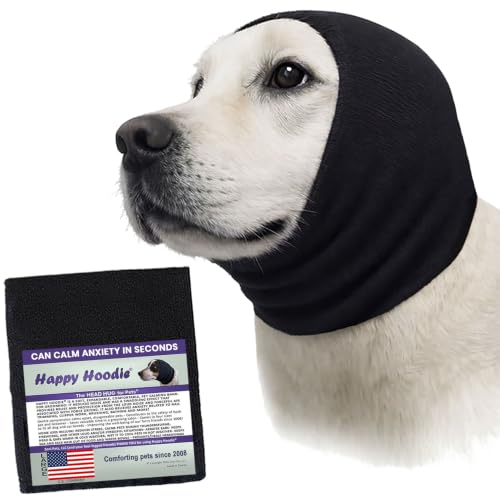
Dog Anxiety Wraps: A Complete Guide to Calming Your Anxious Dog
Discover how anxiety wraps work, which types suit different dogs, how to fit them correctly, and how to combine them with training for lasting relief from thunder, travel, and separation stress.
If you share your life with an anxious dog, you know how distressing it is to watch them tremble during thunderstorms, pace before car rides, or panic when left alone. Anxiety wraps — also called calming vests or thunder wraps — have become one of the most popular non-invasive tools for helping dogs cope with these stressful situations. But do they actually work, and are they the right choice for your dog?
This guide examines the science behind dog anxiety wraps, compares the different styles available, explains how to fit them properly, and shows you how to combine them with behavior modification techniques for the best results. Whether your dog suffers from mild situational stress or more serious dog anxiety, you will find practical, evidence-informed guidance here.
What Are Dog Anxiety Wraps?
A dog anxiety wrap is a garment designed to apply gentle, continuous pressure around your dog's torso and chest. The concept is borrowed from the same principle behind swaddling infants and the use of weighted blankets for humans — firm but gentle pressure can have a profoundly calming effect on the nervous system.
Most anxiety wraps are made from soft, breathable, stretchy fabric with adjustable closures such as hook-and-loop straps, buckles, or zippers. They come in a range of sizes to fit dogs from tiny toy breeds to large working breeds. Unlike a thundershirt (which is one specific brand), "anxiety wrap" is a general category that includes many brands and styles.
Anxiety wraps are not sedatives or medications. They are a physical, drug-free tool that can help take the edge off your dog's stress response, making it easier for them to relax and for you to work on training and desensitization.
How Do Anxiety Wraps Work?
The mechanism behind anxiety wraps is rooted in the body's response to deep pressure touch. When a dog wears a properly fitted wrap, the gentle compression on the torso triggers a series of physiological responses:
- Oxytocin release: Deep pressure stimulates the release of oxytocin, a hormone associated with bonding, trust, and relaxation. This is the same hormone released during nursing and gentle petting.
- Endorphin production: The pressure also encourages the release of endorphins, the body's natural painkillers and mood elevators, which help reduce feelings of distress.
- Cortisol reduction: Studies on dogs wearing anxiety wraps during thunderstorm simulations show measurable reductions in cortisol, the primary stress hormone.
- Proprioceptive feedback: The constant tactile input gives your dog's brain a steady stream of sensory information to focus on, which can interrupt the spiral of anxious thoughts and physical tension.
- Behavioral interruption: The act of putting on the wrap becomes a predictable ritual that signals "something is happening to help you," which can itself reduce anticipatory anxiety.
Important: Anxiety wraps are not a cure for anxiety. They are a management tool that works best as part of a comprehensive plan that includes behavior modification, environmental management, and — in severe cases — veterinary intervention or medication.
The effectiveness varies by individual dog. Some dogs show dramatic improvement within minutes of wearing a wrap; others show mild benefit; a small percentage become more stressed by the sensation. This is why proper introduction and observation are essential, as covered later in this guide.
Types of Anxiety Wraps Compared
Not all anxiety wraps are created equal. The style, material, and fit mechanism can significantly affect how well a wrap works for your dog. Here are the main categories you will encounter, classified by quality tier rather than price.
Classic Adjustable Wrap
The most common style. Features hook-and-loop straps that wrap around the chest and torso, with adjustable tension. Works well for most dog shapes and sizes. Easy to put on and take off. The fabric is usually a soft, slightly stretchy blend. Best for general situational anxiety like thunderstorms and travel.
entry-level to mid-rangeVest-Style Calming Wrap
Looks more like a fitted dog vest or shirt. Provides more even pressure distribution across a larger area. Often has a higher collar or neck piece for additional comfort. Some include removable inserts or pockets for calming aids like pheromone pads. Best for dogs who tolerate clothing well and need broader pressure coverage.
mid-rangeSwaddle-Style Wrap
Designed to mimic the feeling of being swaddled. Usually made from very soft, flexible fabric with multiple overlapping panels. Offers the most customizable fit and pressure. Excellent for dogs with panic-level anxiety during fireworks or vet visits. Requires more practice to put on quickly.
premiumCooling Anxiety Wrap
Combines the calming pressure of a standard wrap with moisture-wicking, cooling fabric technology. Ideal for anxious dogs in hot climates or during summer thunderstorms. Often has reflective or light-colored outer material. Helps prevent overheating during anxiety episodes, which can worsen stress.
mid-range to premiumTravel-Specific Wrap
Engineered for car rides and air travel. Often includes attachment points for seat belts or carriers. Made from durable, easy-clean fabric. Some have built-in handles for lifting your dog in and out of vehicles. Pressure distribution is focused on the chest and shoulders to reduce motion sickness and travel panic.
mid-rangeDIY / Emergency Wrap
Using an elastic bandage, scarf, or soft towel to create temporary pressure. Not a substitute for a properly fitted product, but useful in emergencies or while waiting for a commercial wrap to arrive. Requires careful attention to tension — too tight restricts breathing; too loose does nothing.
budget-friendlyWhen comparing styles, consider your dog's body shape, coat type, the specific situations that trigger anxiety, and how easily you can put the wrap on during a stressful moment. A wrap that takes five minutes to fit is useless during a sudden thunderstorm.
Choosing the Right Wrap for Your Dog
Selecting the best anxiety wrap for your dog involves more than picking the most popular brand. Use the following criteria to narrow your options:
1. Identify Your Dog's Anxiety Triggers
Different wraps excel in different situations. If your dog panics during thunderstorms, a classic adjustable wrap that goes on quickly is ideal. If car travel is the issue, a travel-specific wrap with secure attachment points makes more sense. For general anxiety that appears in multiple contexts, a vest-style wrap offers the most versatility.
2. Consider Your Dog's Body Shape
Dogs come in wildly different shapes — from barrel-chested Bulldogs to slender Greyhounds. A wrap that fits a Lab may slide off a Whippet. Look for wraps with multiple adjustment points and check the manufacturer's sizing chart carefully. Deep-chested breeds often need a wrap with a longer torso panel.
3. Evaluate Fabric and Breathability
Anxious dogs often pant and overheat. Choose a wrap made from breathable, moisture-wicking material. Avoid heavy, non-breathable fabrics unless you live in a cold climate. Cooling wraps are a smart choice for warm-weather anxiety or dogs with double coats.
4. Assess Ease of Use
During a thunderstorm, you need to get the wrap on your dog in seconds. Practice with the wrap before an anxiety event occurs. Hook-and-loop closures are generally faster than buckles or zippers. Some wraps can be pre-fitted and then slipped over the head like a sweater.
5. Check for Safety Features
Look for wraps with reflective stitching for nighttime walks, sturdy stitching that won't unravel under pressure, and no small parts that could be chewed off and swallowed. Avoid wraps with loose straps that could catch on furniture or crates.
Pro Tip: If you are unsure between two sizes, size up. A wrap that is slightly too large can often be adjusted down, but a wrap that is too small will be uncomfortable and ineffective. Always measure your dog's chest girth at the widest point and torso length before ordering.
How to Fit an Anxiety Wrap Correctly
Proper fit is the single most important factor in whether an anxiety wrap works. A wrap that is too loose provides no calming pressure; one that is too tight restricts breathing and movement and can cause injury.
Step-by-Step Fitting Guide
- Measure first: Use a soft measuring tape. Measure your dog's chest girth at the widest point behind the front legs, and their torso length from behind the front legs to the base of the tail. Write these numbers down.
- Start loose: Put the wrap on with all straps at their loosest setting. Let your dog move around for a minute to see how the wrap sits.
- Tighten gradually: Tighten the straps one at a time, checking the fit after each adjustment. The wrap should feel snug — like a firm hug — but not restrictive.
- Use the two-finger test: You should be able to slide two fingers comfortably under every strap. If you can't, it's too tight. If you can slide your whole hand under, it's too loose.
- Check movement: Your dog should be able to walk, sit, lie down, and go up and down stairs without the wrap shifting or restricting movement.
- Watch for signs of discomfort: Excessive scratching at the wrap, trying to bite it off, freezing in place, or panting more than usual are signs the fit is wrong or the wrap is causing distress.
- Re-check after a few minutes: Dogs often settle into a wrap, and straps can loosen or shift. Re-check the fit after 5-10 minutes of wear.
Warning: Never leave an anxiety wrap on your dog unsupervised for extended periods. Remove it if your dog is going to be alone, crated, or sleeping for a long stretch. Check for skin irritation, chafing, or redness under the straps after each use.
Training Your Dog to Accept the Wrap
Some dogs take to anxiety wraps immediately. Others need gradual introduction to avoid adding stress rather than reducing it. Never force a wrap onto a frightened dog — this can create a negative association that makes future use impossible.
The Gradual Introduction Method
- Desensitize to the object: Leave the wrap on the floor near your dog's bed or favorite resting spot for a few days. Let them sniff and investigate it at their own pace. Reward any calm interaction.
- Touch and treat: Gently place the wrap on your dog's back without fastening it. Immediately give a high-value treat and praise. Remove the wrap after a few seconds. Repeat several times over several days.
- Drape and reward: Drape the wrap over your dog's back and leave it unfastened for 10-30 seconds while feeding treats. Remove it before your dog shows any sign of stress.
- Fasten briefly: Fasten the wrap loosely for just 5-10 seconds, reward generously, then remove. Build up to 30 seconds, then 1 minute, then 5 minutes over multiple sessions.
- Pair with positive events: Once your dog accepts the wrap, put it on before meals, before a favorite game, or before a walk. This creates a positive association — the wrap predicts good things.
- Use during mild stress first: Before using the wrap during a full-blown anxiety event, test it during a mildly stressful but manageable situation, such as a short car ride or a visit from a calm friend.
If at any point your dog panics, tries to escape, or becomes more anxious, stop and go back to the previous step. Patience during training pays off enormously during actual anxiety events. For dogs with severe anxiety, consult a professional behaviorist — our guide on when to see a behaviorist can help you decide.
When to Use (and When to Avoid) Anxiety Wraps
Anxiety wraps are appropriate for a wide range of situations, but they are not a universal solution. Understanding when they help and when they are contraindicated ensures your dog's safety and comfort.
Situations Where Wraps Are Most Effective
- Thunderstorms and fireworks: The most common use case. The wrap can be put on at the first sign of anxiety and often reduces trembling, pacing, and hiding.
- Travel anxiety: Car rides, airplane travel, and vet visits. A travel-specific wrap can help reduce panting, drooling, and motion sickness.
- Mild separation anxiety: Wraps can take the edge off when left alone, but should be combined with a structured behavior modification plan and, ideally, a pheromone diffuser.
- Vet and grooming visits: Many dogs find veterinary exams and grooming procedures stressful. A wrap can help them stay calmer during handling.
- Post-surgery or injury recovery: The gentle pressure can provide comfort and reduce anxiety during crate rest, but always check with your vet first to ensure the wrap doesn't interfere with incisions or bandages.
- Noise phobias: Dogs with noise sensitivity often benefit from wraps during construction noise, vacuuming, or other startling sounds.
When to Avoid or Use with Caution
- Severe panic disorders: A wrap alone is not sufficient for dogs with severe panic attacks. These dogs need veterinary evaluation and possibly medication alongside behavioral therapy.
- Dogs who become more stressed by confinement: A small percentage of dogs find the sensation of a wrap overwhelming. If your dog freezes, drools excessively, or tries desperately to escape, the wrap is not for them.
- Skin conditions or open wounds: Avoid placing a wrap over irritated, broken, or infected skin. Wait until the skin has healed.
- Respiratory conditions: Dogs with collapsing trachea, brachycephalic syndrome (flat-faced breeds), or other breathing issues need wraps that do not put any pressure on the neck. Consult your vet.
- Unsupervised use: Never leave a wrap on a dog that might chew and ingest the fabric, especially if your dog is prone to destructive chewing. Remove the wrap when you cannot supervise.
Combining Wraps with Other Calming Strategies
Anxiety wraps are most effective when used as part of a multi-layered approach. Here is how to combine them with other tools and techniques for maximum benefit:
Behavioral Strategies
- Counter-conditioning: Pair the anxiety trigger with high-value treats. For example, during a thunderstorm, feed your dog their favorite treats or a frozen stuffed toy every time thunder booms.
- Desensitization: Expose your dog to recordings of thunder or fireworks at very low volume while they are relaxed, gradually increasing the volume over weeks.
- Safe space training: Teach your dog that a crate or a specific room is a safe, calm retreat. Use the wrap before retreating to this space.
- Relaxation protocols: Train a "relax" cue using positive reinforcement so your dog can learn to settle on command.
Environmental Aids
- Pheromone diffusers: Dog-appeasing pheromone (DAP) diffusers release a synthetic version of the pheromone mother dogs produce while nursing. These can be plugged in near your dog's resting area for continuous calming.
- Calming music: Specially composed classical music or white noise can mask triggering sounds and promote relaxation.
- Blackout curtains: For dogs triggered by lightning flashes, blocking out visual triggers can reduce panic.
- Weighted blankets: Some dogs enjoy the added pressure of a weighted blanket placed over them while they wear a wrap, but this must be supervised and never used on dogs who chew fabrics.
Product-Based Aids
- Calming chews and supplements: Products containing L-theanine, casein, or chamomile can have a mild calming effect. Discuss with your vet before use.
- Pheromone collars: A convenient option for dogs who do not tolerate diffusers or who need portable calming support during travel.
- Calming beds: Orthopedic beds with raised edges or faux-fur covers provide a sense of security. Combine with a wrap for a powerful calming environment.
- Interactive puzzle toys: Distraction is powerful. A frozen Kong filled with peanut butter can keep an anxious dog occupied during a stressful event. See our recommendations for puzzle toys.
Layered Approach Works Best: In a study of dogs with thunderstorm phobia, the combination of an anxiety wrap, pheromone diffuser, and counter-conditioning produced significantly better results than any single intervention alone.
If your dog's anxiety is severe or does not improve with a wrap and behavioral strategies, consult your veterinarian. Medication is not a failure — it can be a temporary or long-term tool that helps your dog's brain chemistry rebalance so that training can be effective. Many dogs do best on a combination of medication, behavior modification, and management tools like wraps.
Common Mistakes to Avoid
- Putting the wrap on too tight: This is the most common and most dangerous mistake. A too-tight wrap restricts breathing and movement, causing more stress, not less. Always use the two-finger test.
- Leaving the wrap on all day: Anxiety wraps are for situational use, not 24/7 wear. Prolonged use can cause skin irritation, overheating, and dependency on the wrap to remain calm.
- Skipping the introduction process: Forcing a wrap onto a dog who has never seen it before, during a thunderstorm, is a recipe for failure. Introduce it calmly and positively when your dog is relaxed.
- Expecting the wrap to fix everything: A wrap is one tool in your toolbox. Without behavior modification, environmental management, and possibly veterinary support, its effects are limited.
- Using a wrap on a dog with a medical condition without vet approval: Dogs with heart conditions, respiratory issues, or recent surgery may not be suitable candidates. Always check with your vet first.
- Ignoring signs of discomfort: If your dog is panting heavily, drooling, pacing, or trying to bite the wrap off, it's not helping. Remove it immediately and reassess.
- Punishing your dog for being anxious: Punishment increases fear and anxiety. Never scold or punish a dog for trembling, hiding, or clinging during a stressful event. Comfort them calmly and use the tools at your disposal.
- Not having a plan for severe anxiety: If your dog's anxiety is so severe that they injure themselves, destroy property, or cannot function, a wrap is not enough. Seek professional help from a veterinary behaviorist.
Frequently Asked Questions
Bottom Line: Dog anxiety wraps are a valuable, drug-free tool for managing mild to moderate situational anxiety in dogs. They work best when properly fitted, introduced gradually, and combined with behavior modification and other calming strategies. If your dog's anxiety is severe or does not respond to a comprehensive approach, consult your veterinarian or a veterinary behaviorist — there is no shame in seeking professional help. The fact that you are researching solutions means you are already a caring, proactive owner. Your dog is lucky to have you.