Dog Mental Stimulation: Unlock Your Dog’s Full Potential
Interactive games, enrichment puzzles, and brain training to prevent boredom, reduce destructive behaviors, and build a smarter, happier dog.
Physical exercise alone isn't enough. Dogs are intelligent, curious animals with a natural drive to sniff, solve problems, and learn. Without adequate mental stimulation, they become bored, anxious, and destructive. Research shows that mental enrichment reduces stress, improves cognitive function, and deepens the bond between you and your dog. In this guide, you'll discover proven brain games, DIY enrichment ideas, and the best interactive toys to challenge your dog's mind — whether you have a highly intelligent Border Collie or a laid-back Bulldog.
Why Mental Stimulation Matters
A tired dog isn't just a dog that's been on a long walk — it's a dog whose brain has worked. Mental exertion is more fatiguing than physical activity alone. When you engage your dog's senses and problem-solving skills, you satisfy instinctual needs that walks and fetch can't fulfill. According to veterinary behaviorists, lack of enrichment is a leading cause of anxiety disorders, destructive chewing, and compulsive behaviors. Mental stimulation builds confidence, reduces hyperactivity, and can even slow cognitive decline in senior dogs.
🐾 Key Benefits: Reduces barking and digging, prevents obesity (mentally stimulated dogs are calmer, less prone to stress eating), improves trainability, strengthens the human-canine bond, and provides an outlet for natural foraging instincts.
Signs Your Dog Needs More Enrichment
- Excessive barking or whining — vocalization without an obvious trigger.
- Destructive chewing — targeting furniture, baseboards, or personal items.
- Digging in inappropriate places (garden, carpet, couch).
- Hyperactivity even after exercise — pacing, inability to settle.
- Attention-seeking behaviors like pawing, nudging, or stealing objects.
- Repetitive behaviors (tail chasing, spinning, shadow staring).
If you notice any of these signs, your dog is telling you that their brain needs a job. Adding just 15 minutes of structured training or puzzle games can dramatically improve these behaviors.
Types of Mental Stimulation
🧩 Puzzle & Interactive Toys
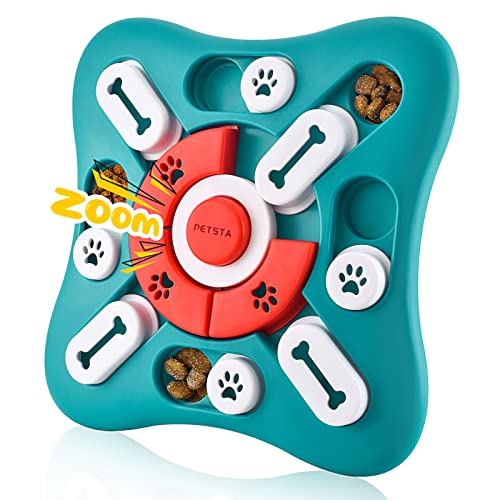
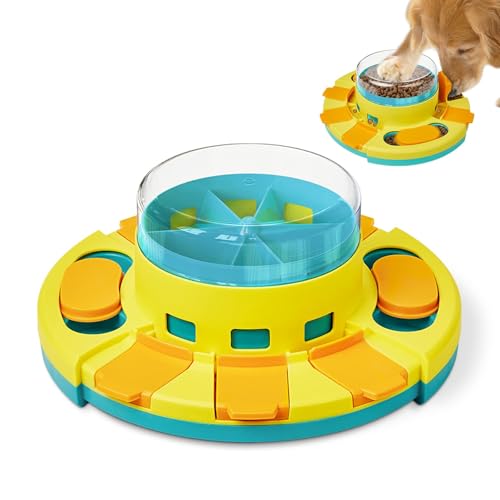
Treat-dispensing puzzles, sliding tiles, and hide-and-seek toys challenge dogs to manipulate objects to earn rewards. Beginners start with level 1 puzzles (e.g., Kong Wobbler), while advanced dogs enjoy multi-step puzzles. Popular choices include puzzle toys for dogs and interactive dog toys.
$10 – $45 each👃 Scent Work / Nose Games
Sniffing is a superpower for dogs. Hide treats around the house, play "find it," or set up a scent trail using essential oils (dog-safe). Nose work reduces stress and taps into natural foraging instincts. You can even join competitive scent work classes.
Free – $30 for starter kits🎓 Trick Training
Beyond basic commands, teach advanced tricks like “roll over,” “spin,” “weave,” or “play dead.” Trick training uses positive reinforcement and builds impulse control. Check our guides on positive reinforcement methods and dog trick training for step-by-step plans.
🧠 Problem-Solving Games
DIY activities like “muffin tin game” (treats under tennis balls), “shell game” (find treat under one of three cups), or “towel roll” (rolled towel with hidden kibble). These games boost cognitive flexibility and are perfect for rainy days.
DIY Enrichment Games (Zero Cost)
- Box Maze: Save cardboard boxes, cut holes, hide treats inside, and let your dog sniff and tear (supervised).
- Snuffle Mat DIY: Tie fleece strips onto a rubber mat; sprinkle kibble into the fabric strips. Encourages natural foraging.
- Ice Block Treasure: Freeze treats, kibble, and a bit of broth in a plastic container — let your dog lick and gnaw (supervise for small pieces).
- Which Hand? Hide a treat in one closed fist, let your dog sniff and paw the correct hand. Easy and engaging.
- Obstacle Course: Use cushions, broomsticks, and chairs to create a simple agility course indoors. Combine with agility training basics.
⭐ Pro Tip: Rotate games daily to prevent habituation. Dogs get bored of the same puzzle after repeated exposure — novelty keeps the brain firing.
Best Puzzle Toys for Every Skill Level
Not all puzzle toys are equal. Choose based on your dog's persistence and learning style. For heavy chewers, opt for durable rubber (Kong Extreme, Goughnuts). For smart dogs, try multi-compartment puzzles or electronic treat dispensers. Below are proven categories:
- Beginner (Level 1): Kong Classic (stuff with peanut butter), Omega Paw Tricky Treat Ball, Outward Hound Hide-a-Squirrel.
- Intermediate (Level 2): Nina Ottosson by Outward Hound Dog Twister, Trixie Flip Board, Kong Gyro.
- Advanced (Level 3+): CleverPet Hub (digital gaming), iFetch (automatic ball launcher with interactive elements), Tornado puzzle with sliding discs.
Explore more suggestions in our dog products guide and specific roundups for interactive dog toys and chew toys for dogs that also provide mental engagement.
Breed-Specific Mental Needs
Some breeds were born to work, and without a "job," they become frustrated and anxious. Herding dogs (Australian Shepherds, Border Collies) excel at complex puzzles and agility. Terriers (Jack Russell, Airedale) love digging games and scent challenges. Hounds (Beagle, Basset) have incredible noses — prioritize nose work and tracking games. Toy breeds (Chihuahua, Pomeranian) benefit from short, frequent training sessions with trick training. Match activities to your dog's instinctual drives for maximum satisfaction.
How to Build an Enrichment Schedule
Consistency matters more than marathon sessions. Split mental activities throughout the day:
- Morning (10 min): Quick training session (sit, stay, touch) + puzzle feeder for breakfast.
- Midday (5-10 min): Scent game (hide treats in the living room) or snuffle mat.
- Evening (15 min): Trick training or advanced puzzle toy. Follow with a calm chew toy to wind down.
- Weekends: New environment exploration (park, pet store), DIY obstacle course, or a structured hike with sniff breaks.
Combine mental stimulation with daily exercise needs to achieve a balanced, fulfilled dog. A 15-minute brain game can be as exhausting as a 30-minute walk.
⚠️ Caution: Always supervise your dog with new puzzle toys to ensure they don't ingest plastic or fabric pieces. Choose size-appropriate toys (no small parts for aggressive chewers). If your dog becomes frustrated, simplify the game to prevent stress.
Frequently Asked Questions
🐕 Ready to transform your dog’s daily life? Start with one new game today — even 5 minutes of nose work will make a difference. Combine mental challenges with proper dog care basics for a truly thriving companion. Your dog will thank you with calmer behavior and brighter eyes.