Dog Surgery Guide: Costs, Recovery & What to Expect
Everything you need to know about dog surgery — from common procedures and costs to pre-surgery preparation, recovery care, and how to ensure the best outcome for your furry family member.
Finding out your dog needs surgery can be frightening. The cost, the risks, and the recovery process can feel overwhelming. This guide walks you through everything you need to know — from understanding common procedures and their costs to preparing your home and supporting your dog through a smooth recovery. By the time you finish reading, you will feel confident and prepared to make the best decisions for your dog.
Common Dog Surgeries
Dogs undergo surgery for many reasons — from routine preventative procedures to life-saving emergency operations. Understanding what each procedure involves helps you make informed decisions and reduces anxiety.
Spay (Ovariohysterectomy)
- What it is: Removal of the ovaries and uterus in females.
- Why it's done: Prevents pregnancy, eliminates heat cycles, and reduces risk of mammary tumors and pyometra.
- Recovery: 10-14 days of restricted activity.
Neuter (Castration)
- What it is: Removal of the testicles in males.
- Why it's done: Prevents unwanted litters, reduces roaming, and lowers risk of testicular cancer and prostate issues.
- Recovery: 7-10 days of restricted activity.
Gastrointestinal Foreign Body Removal
- What it is: Surgical removal of objects swallowed by your dog that are stuck in the stomach or intestines.
- Why it's done: Foreign bodies can cause life-threatening blockages. Prompt surgery is often an emergency.
- Recovery: 10-14 days with a gradual return to normal diet.
TPLO (Tibial Plateau Leveling Osteotomy)
- What it is: Orthopedic surgery to stabilize the knee after a cruciate ligament tear.
- Why it's done: Restores stability and function to the knee joint, preventing arthritis progression.
- Recovery: 8-12 weeks of strict rest and physical therapy.
Mass/Tumor Removal
- What it is: Surgical excision of abnormal growths (benign or malignant).
- Why it's done: To remove cancerous tumors, prevent spread, and improve quality of life.
- Recovery: 10-14 days, depends on size and location.
Gastropexy (Bloat Prevention)
- What it is: Stomach tacking procedure to prevent gastric dilatation-volvulus (GDV), also known as bloat.
- Why it's done: Prophylactic surgery for high-risk breeds like Great Danes, German Shepherds, and Standard Poodles.
- Recovery: 10-14 days of restricted activity.
Costs of Dog Surgery
Surgery costs vary dramatically based on your location, the complexity of the procedure, and whether your vet is a general practice or specialist. Here is a realistic breakdown of average costs:
| Procedure | Average Cost (USD) |
|---|---|
| Spay (Routine) | $200 – $500 |
| Neuter (Routine) | $150 – $400 |
| Dental Cleaning with Extractions | $500 – $1,200 |
| Foreign Body Removal (Intestinal) | $1,500 – $4,000 |
| TPLO Surgery (Cruciate Ligament) | $3,000 – $5,500 |
| Tumor/Mass Removal | $800 – $2,500 |
| Gastropexy (Bloat Prevention) | $1,200 – $2,500 |
| Emergency C-Section | $2,000 – $4,500 |
Pro Tip: These are national averages. Costs can be higher in urban areas or with board-certified surgeons. Always ask for a detailed written estimate before scheduling surgery. Consider pet insurance to help manage unexpected veterinary expenses.
Pre-Surgery Preparation
Proper preparation reduces risks and sets your dog up for a smoother recovery. Here's what you need to do:
Ask Your Vet: What should I expect during the procedure? Who will be monitoring my dog's anesthesia? What is the post-operative pain management plan? A good vet will welcome these questions and provide clear answers.
Understanding Anesthesia
One of the biggest fears about surgery is anesthesia. Modern veterinary anesthesia is remarkably safe — but it's not zero risk. The key to safety is preparation and monitoring.
Pre-Surgical Testing
Your vet should recommend blood work to check liver and kidney function, blood cell counts, and clotting ability. This is particularly important for older dogs or those with known health conditions. These tests help the vet tailor the anesthetic protocol to your dog's specific needs.
Monitoring During Surgery
Your dog's vital signs — heart rate, respiration, oxygen saturation, blood pressure, and body temperature — are monitored continuously during surgery. This allows the veterinary team to react instantly to any changes. Ask your vet about their monitoring protocols.
Recovery & Aftercare
The post-operative period is critical. Proper aftercare speeds healing, prevents complications, and ensures the best outcome.
First 24 Hours
- Keep your dog quiet and warm
- Offer small amounts of water (follow vet's instructions)
- Begin a bland diet as directed (boiled chicken and rice)
- Watch for signs of pain or distress
First Week
- Strict rest — no running, jumping, or stairs
- Keep the incision site clean and dry
- Administer all medications on schedule
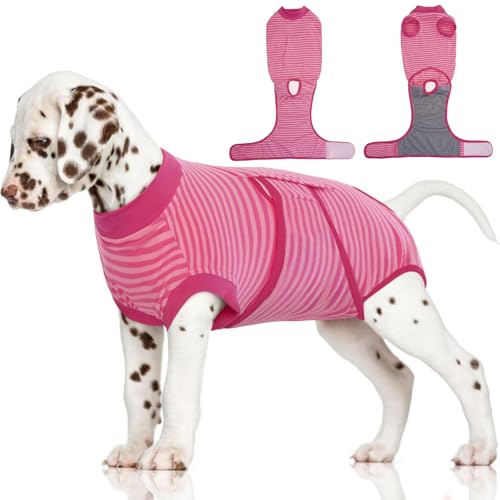
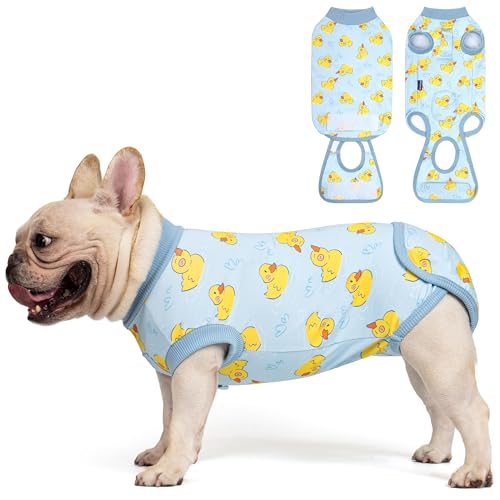
- Prevent licking with an Elizabethan collar (cone)
Second Week
- Gradually increase activity if approved
- Incision should be healing well (no redness or discharge)
- Suture removal if non-absorbable stitches were used
Long-Term Recovery
- Orthopedic surgeries require 8-12 weeks of limited activity
- Physical therapy and controlled exercise as directed
- Regular follow-up vet visits
Recognizing Complications
Most dogs recover uneventfully, but it's essential to know the warning signs of problems:
- Incision Issues: Excessive redness, swelling, discharge, or the incision opening up. If the incision smells bad or your dog is in severe pain, contact your vet immediately.
- Lethargy: Some sleepiness is normal for the first day, but if your dog is unresponsive or extremely weak, it's an emergency.
- Refusing Food/Water: Not eating for more than 24 hours after surgery warrants a call to your vet.
- Vomiting/Diarrhea: Can indicate medication side effects or other issues. Persistent vomiting requires veterinary attention.
When to Call the Emergency Vet: Difficulty breathing, pale gums, seizures, collapse, or any sudden severe change in behavior. Keep your vet's emergency number and the nearest 24-hour clinic number readily accessible.
Frequently Asked Questions
Still Have Questions?
Preparing for your dog's surgery is a team effort between you and your veterinarian. Don't hesitate to call your vet with any questions, no matter how small. For more information on related topics, explore our guides on finding the right vet, dental care, and hip dysplasia. Being proactive and informed is the best thing you can do for your dog's health and happiness.