The Essential Guide to Dog Poop Bags
Find the perfect dog poop bags for your needs. We cover everything from material types and sizes to eco-friendly options, helping you make a confident choice for you and your dog.
Every dog owner knows that picking up after your dog is a non-negotiable part of responsible pet ownership. It's not just about being a good neighbor—it's about public health, environmental protection, and setting a good example. But with so many options on the market, from standard plastic bags to eco-friendly, compostable, and scented versions, how do you choose the right dog waste bags for your furry friend?
This guide will walk you through everything you need to know. We'll explore the different types of bags available, key features to look for, and how to choose a bag that fits your lifestyle and values. By the end, you'll be equipped to select the perfect bag for your daily walks and adventures.
Why The Right Poop Bag Matters
Choosing the right dog poop bag is more than a trivial decision. The wrong bag can lead to embarrassing (and messy) failures, harm the environment, or simply be unpleasant to use. Here’s why making an informed choice is crucial:
- Functionality & Reliability: A good bag should be strong, leak-proof, and easy to tie. A bag that splits while you're carrying it is a nightmare scenario. Thicker, more durable bags provide peace of mind.
- Environmental Impact: Standard plastic bags can take hundreds of years to decompose in landfills. Choosing compostable or biodegradable bags can significantly reduce your environmental footprint.
- Comfort & Hygiene: Some bags are scented to help mask odors, while others have a textured grip for a better feel. These small features can make a big difference in the cleanup experience.
- Cost-Effectiveness: While buying in bulk can save money, the cheapest bags often compromise on quality. Finding a balance between cost and reliability is key.
Types of Dog Poop Bags
Dog poop bags come in a variety of materials and styles. Here’s a breakdown of the most common types to help you find the best fit for your needs.
Standard Plastic Bags
These are the most common and affordable option. Made from polyethylene, they are durable and offer good leak protection. However, they are not biodegradable and will persist in the environment for a very long time. Best for budget-conscious owners who prioritize function.
~$10–$15 for 300-400 countBiodegradable Bags
These bags are designed to break down faster than traditional plastic, typically in a landfill environment. However, the rate of degradation depends on specific conditions. They offer a good balance between cost and environmental responsibility.
~$15–$25 for 200-300 countCompostable Bags
Made from plant-based materials like cornstarch or vegetable oils, these bags break down into non-toxic components in a commercial composting facility. They are the most eco-friendly option available but may be more expensive and not suitable for home composting.
~$20–$35 for 100-200 countRecycled Plastic Bags
These bags are made from post-consumer recycled plastic waste. They function like standard plastic bags but have a lower environmental impact because they give new life to existing materials. A great middle-ground option.
~$12–$18 for 200-300 countHow to Choose the Right Bag
Selecting the best dog poop bag depends on several factors. Consider your priorities and your dog's specific needs.
Size Matters
For small to medium dogs, a standard 8" x 13" bag is usually sufficient. For larger breeds like Labradors or Great Danes, consider jumbo or extra-large bags (9" x 13" or larger) to ensure you have enough material to work with.
Thickness & Durability
Look for bags with a higher gauge (thickness). Bags are typically 8-15 microns thick. A thickness of 15 microns or more offers excellent leak-proof protection and reduces the risk of tearing.
Ease of Use
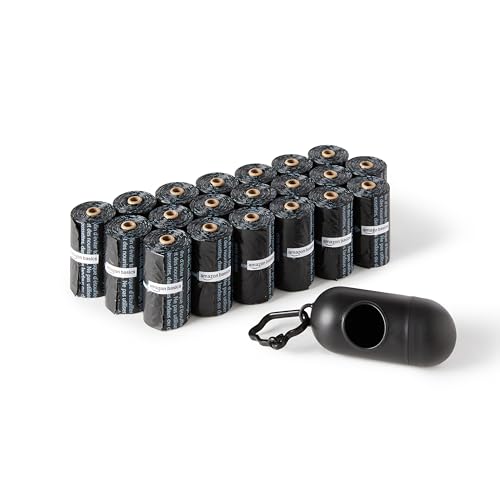
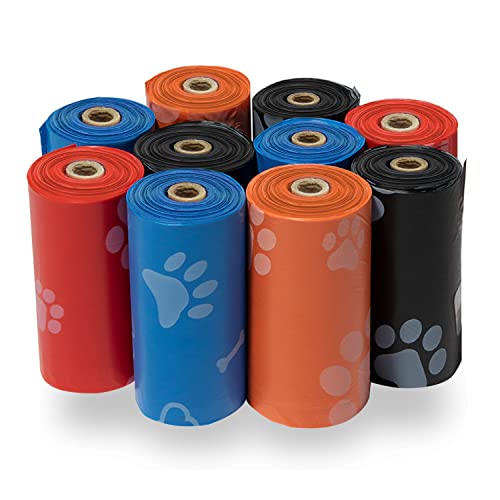
Consider bags that come on a roll with a dispensing system. Perforated rolls are easy to tear off, especially when you're in a hurry. Some bags feature a flap at the bottom to make tying a breeze.
Scent vs. Unscented
Scented bags (often with lavender or citrus) can help mask unpleasant odors. If you or your dog are sensitive to fragrances, opt for unscented bags. Many owners prefer unscented to avoid allergic reactions or strong chemical smells.
Eco-Friendly and Compostable Options
As environmental consciousness grows, so does the popularity of eco-friendly dog waste bags. Here’s what you need to know about them.
- Understanding Certifications: Look for bags that meet ASTM D6400 or EN 13432 standards. These certifications indicate that the bags are compostable in commercial facilities. Avoid vague claims like "eco-friendly" without proper certifications.
- Plant-Based Materials: Bags made from PLA (polylactic acid), a corn-based plastic, are a common compostable option. They are generally strong and have a lower carbon footprint than traditional plastic.
- Home Composting vs. Industrial Composting: Most certified compostable bags require the high heat and specific conditions of an industrial composting facility. They may not break down in a home compost pile. Check the packaging for specifics on disposal methods.
- Biodegradable vs. Compostable: A Key Distinction: Biodegradable simply means the bag will eventually break down, but the process can take years and may leave behind toxic residues. Compostable bags break down into non-toxic components (water, carbon dioxide, and biomass) within a specific timeframe.
Switching to an eco-friendly option is a simple yet powerful way to reduce your pet's environmental paw print. Many local pet stores and online retailers now offer these sustainable choices.
Handling and Disposal Best Practices
Proper handling and disposal of dog waste is just as important as the bag you choose. Here are some best practices to follow:
- Always carry more bags than you think you'll need: A good rule of thumb is 3-4 bags per walk. This ensures you're prepared for multiple deposits or unexpected messes.
- Wear gloves or use a barrier: While a quality bag provides a barrier, some people prefer to use a glove or a tissue as an extra layer of protection when picking up waste.
- Tie the bag securely: Make sure to tie the top of the bag in a knot to prevent any leaks or spills. This also contains the odor.
- Dispose of the bag in a designated bin: Always dispose of the tied bag in a public trash can, or take it home and put it in your outside bin. Never leave it on the ground or hang it from a tree.
Pro Tip: Keep a spare roll of bags in your car, your dog-walking jacket, and your everyday bag. You'll never be caught off guard!
Accessories That Make Cleanup Easier
Beyond the bags themselves, there are several accessories that can make the task of picking up after your dog more convenient and hygienic.
- Dispensers: These attach directly to your dog's leash and hold a roll of bags for easy, one-handed dispensing. They are a game-changer for busy walks.
- Carriers and Containers: A small, stylish container to hold your used bags until you find a disposal point. These are often odor-proof and clip onto your leash or bag.
- Gloves: Some owners prefer to use disposable gloves for an added layer of protection, especially if they have allergies or are concerned about hygiene.
- Wet Wipes: Keep a pack of unscented pet-safe wipes in your bag for cleaning up muddy paws or your own hands if needed.
These small additions can make a big difference in your overall walking experience, making it more pleasant and hassle-free.
Frequently Asked Questions
Ready to Choose Your Perfect Poop Bags?
We've covered the key aspects to consider when selecting dog poop bags, from material and thickness to environmental impact and special features. Whether you're looking for the most reliable option for your daily walks, the most eco-friendly choice, or a cost-effective bulk buy, there's a perfect bag out there for you. Remember, a good bag ensures a cleaner, more pleasant experience for everyone. Check out our recommended products below to find the best solution for you and your dog.