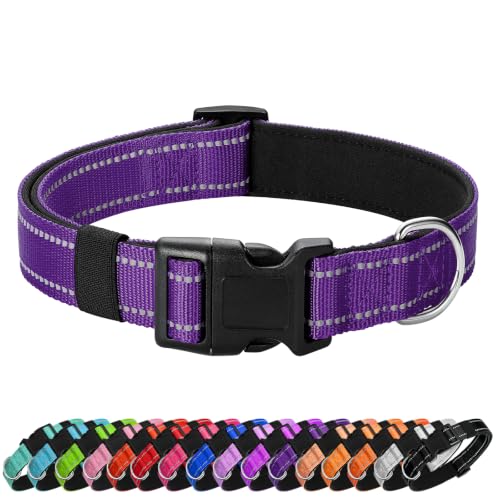
The Ultimate Guide to Dog Collars
From everyday comfort to specialized training, find the perfect collar for your dog's safety, style, and needs.
A dog collar is more than just a fashion accessory — it's an essential piece of safety equipment. It holds your dog's ID tags, provides a secure attachment point for the leash, and can even be a tool for training and communication. But with so many options on the market, choosing the right one can be overwhelming.
This guide will walk you through everything you need to know about dog collars: the different types available, how to measure for a perfect fit, safety considerations, and how to choose the right collar for your dog's specific needs and lifestyle. We'll also share our top picks for different categories to help you make an informed purchase.
Types of Dog Collars: Which One is Right for Your Dog?
Not all collars are created equal. The best choice depends on your dog's size, temperament, training level, and daily activities. Here’s a breakdown of the most common types.
Flat Collars (Buckle & Snap)
These are the classic, everyday collars. They come in nylon, leather, and biothane materials. They are perfect for holding ID tags and are generally comfortable for most dogs. Best for: Everyday use, puppies, and well-behaved dogs who don't pull.
- Pros: Simple, comfortable, affordable, wide variety of styles.
- Cons: Not suitable for heavy pullers; can slip over a dog's head if not fitted correctly.
Martingale Collars
Also known as "limited-slip" collars, these have a loop that tightens slightly when the dog pulls, preventing the collar from slipping off. This makes them an excellent choice for sighthounds like Greyhounds who have heads narrower than their necks.
- Pros: Prevents escape, humane (doesn't choke), good for training.
- Cons: Not a training tool for correction; should not be used as a choke chain.
Training Collars (Prong, Choke, & Electronic)
These collars are designed for specific training purposes. Choke chains and prong collars are aversive tools that can cause injury and are not recommended for the average pet owner. Electronic collars (e-collars) can be used for off-leash training but should only be used under the guidance of a professional trainer. Always prioritize positive reinforcement techniques.
Important: These collars should only be used by experienced trainers with proper instruction. Using them incorrectly can cause physical and psychological harm to your dog.
Head Collars & Gentle Leaders
These fit around the dog's snout and neck, giving you control over the dog's head and direction. They are highly effective for managing strong pullers without causing neck strain. However, they require proper acclimation training.
- Pros: Excellent for pullers, provides gentle steering.
- Cons: Needs acclimation; can be less comfortable if not fitted correctly; not for long-term everyday wear.
For a more comprehensive look at training tools and methods, check out our guide on effective dog training techniques and positive reinforcement.
How to Measure and Fit a Dog Collar Perfectly
A properly fitted collar is crucial for your dog's safety and comfort. A collar that's too tight can cause choking or skin irritation, while one that's too loose can slip off and lead to your dog getting lost.
Step-by-Step Measuring Guide
- 1. Use a flexible tape measure: Wrap it around the middle of your dog's neck, where the collar would naturally sit. Ensure it's snug but not tight, leaving just enough room for two fingers to slide comfortably between the tape and your dog's neck.
- 2. Add 2 inches (5 cm): This is a standard rule of thumb for a comfortable fit. This added length allows for proper adjustment and ensures the collar isn't constricting.
- 3. Check the fit: Place the collar on your dog. You should be able to slip two fingers (not more) between the collar and your dog's neck. The collar should be snug enough that it won't slip over the head, but loose enough that it doesn't cause discomfort or fur loss.
- 4. Test for security: Try to slip the collar over your dog's head. If it slips off easily, it's too loose and needs to be tightened.
Pro Tip: If you are purchasing a collar for a growing puppy, be prepared to check the fit frequently and replace it as they grow. You can also consider an adjustable collar that can accommodate a range of sizes.
Choosing the Right Material: Nylon, Leather, or Biothane?
The material of your dog's collar impacts its durability, comfort, and maintenance requirements. Here’s a comparison to help you decide:
| Material | Pros | Cons | Best For |
|---|---|---|---|
| Nylon | Affordable, lightweight, durable, available in countless colors and patterns, quick-drying. | Can cause "collar burn" on dogs with thin coats; may fray or accumulate odor over time. | Everyday use, active dogs, puppies. |
| Leather | Classic and stylish, very durable, softens and conforms to the dog's neck over time. | More expensive, can be damaged by water, requires conditioning to stay supple. | Adult dogs, formal occasions, dogs with sensitive skin. |
| Biothane | Waterproof, incredibly durable, easy to clean, odor-resistant, brightly colored. | Can feel stiffer than other materials, not as stylish or classic in appearance. | Active/outdoor dogs, dogs that love water, hunting and working dogs. |
| Rope | Lightweight, flexible, often stylish and bohemian-looking. | Can retain odors, may not be as durable for heavy pullers, can be difficult to clean. | Casual wear, small to medium-sized dogs who don't pull heavily. |
Safety Features and Specialized Collars
Beyond the basic types, there are safety-enhancing features to consider, especially if you have an active or adventurous dog.
Reflective & Light-Up Collars
Essential for low-light conditions. Reflective collars are woven with reflective material that catches headlights, making your dog visible to drivers. LED light-up collars are battery-operated and provide active illumination. These are great for evening walks and camping trips.
Breakaway Collars
Designed with a safety buckle that releases under pressure, these collars are crucial for dogs that are often left unattended, especially in crates or when playing with other dogs. They prevent the collar from getting snagged and causing choking or injury.
GPS Trackers & Smart Collars
These high-tech collars combine a standard collar with a GPS tracking device or activity monitor. They can help you locate a lost dog quickly, track their exercise levels, and even monitor their health data. For more on this, see our reviews on dog GPS trackers and activity monitors.
Remember: Your dog's collar is the foundation of their identification. Always ensure that your contact information on the ID tags is up-to-date. Consider a collar with a dedicated tag loop to prevent tags from jingling and irritating your dog.
Using Collars for Training: What You Need to Know
While a harness is often recommended for dogs that pull, a well-chosen collar can also play a role in training, especially when teaching proper leash manners. The key is to use the right tool for the job and to combine it with positive reinforcement techniques.
For example, a martingale collar can be a helpful tool for loose-leash walking training because it gives you gentle control without choking. A head halter can be a game-changer for strong pullers when used correctly with a training plan.
Always remember that training should be a positive experience for your dog. Instead of using the collar for corrections, use it as a communication tool. Pair the use of the collar with treats and praise to build a positive association. For more detailed training advice, check out our articles on positive reinforcement training and how to stop your dog from pulling on the leash.
How to Care for Your Dog's Collar
Regular cleaning of your dog's collar is important for hygiene and longevity.
- Nylon collars: Can be washed by hand with mild soap and warm water, or placed in the washing machine in a mesh laundry bag. Air dry.
- Leather collars: Wipe down with a damp cloth and use a leather conditioner periodically to prevent cracking. Do not soak in water.
- Biothane collars: Simply wipe clean with a damp cloth or hose it off.
Our Top Picks for the Best Dog Collars
Based on the criteria above, here are our top recommendations for different needs. These collars have been chosen for their quality, durability, safety, and value.
Best Overall: Classic Flat Collar
A high-quality nylon or leather flat collar with a sturdy buckle or snap is the best choice for most dogs. It’s versatile, comfortable, and reliable. Pair it with a personalized ID tag.
Why we like it: It gets the job done without fuss. Look for ones with reinforced stitching and durable hardware.
Best for Pullers: Front-Clip Harness
While not a collar, a front-clip harness is the most effective and humane solution for dogs that pull on the leash. It gently steers the dog to the side, discouraging pulling without causing neck injury. For a detailed comparison, see our guide to dog harnesses.
Why we like it: It's safe, effective, and works with positive training.
Best for Escape Artists: Martingale Collar
For dogs with narrow heads (like Greyhounds, Whippets, and Sighthounds), a martingale is a must-have. It provides security without the risk of choking.
Why we like it: It gives you peace of mind knowing your dog won't slip out of their collar on a walk.
Best for Night Walks: Reflective Collar
Safety is paramount. A brightly colored or reflective collar will make your dog visible to cars and cyclists during evening or early morning walks. Some even come with integrated LED lights.
Why we like it: It's a simple, often inexpensive upgrade that can save your dog's life.
For a wider selection of high-quality collars and other dog products, be sure to explore our recommendations below.
Frequently Asked Questions About Dog Collars
Still have questions? Check out our comprehensive dog training section for more tips on leash walking and behavior.