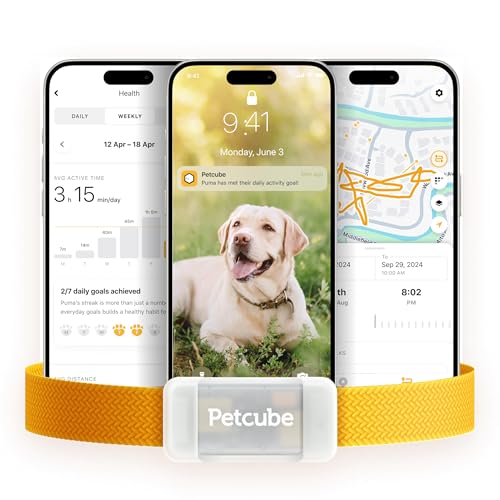
Dog Activity Monitor: The Ultimate Guide to Tracking Your Dog's Health
Discover how a dog activity monitor can transform your dog's health, from managing weight to detecting early illness. Your complete guide to choosing the right tracker for your best friend.
Your dog's health is a top priority, but it can be difficult to know if they are getting enough exercise, resting properly, or showing early signs of a health issue. A dog activity monitor provides objective data to help you make informed decisions about their care. Whether you're a concerned pet parent or an active owner, understanding these devices is the first step toward a healthier, happier dog.
What is a Dog Activity Monitor?
A dog activity monitor is a wearable device, typically attached to your dog's collar, that tracks their physical activity and rest patterns. Using advanced sensors like accelerometers and gyroscopes, it captures data on steps taken, distance traveled, calories burned, and sleep quality. This information is then synced to a smartphone app, giving you a clear picture of your dog's daily routine.
Think of it as a fitness tracker for your dog. It goes beyond simple observation, providing quantifiable data that can be used to adjust exercise routines, monitor recovery from injury, or simply ensure your dog is living their best, most active life.
Key Benefits for Your Dog's Health
Integrating a dog activity monitor into your care routine offers numerous advantages:
- Objective Weight Management: By tracking calories burned, you can precisely adjust your dog's food intake to help them lose weight safely or maintain an ideal body condition, preventing obesity-related issues like arthritis.
- Early Illness Detection: A sudden drop in activity or a significant increase in sleep can be an early indicator of pain, illness, or anxiety. Catching these changes early allows for prompt veterinary care.
- Ensuring Adequate Exercise: Different breeds have different needs. A monitor helps you verify that your dog is getting the right amount of activity for their breed, age, and energy level.
- Monitoring Recovery: After surgery or an injury, a monitor helps you strictly enforce rest periods and gradually increase activity as your dog heals, preventing re-injury.
- Peace of Mind: For dogs with separation anxiety, a monitor can show if they are resting calmly or pacing while you are away, providing valuable insight into their emotional state.
Did You Know? Studies show that over 50% of pet dogs are overweight or obese. Using a dog activity monitor is one of the most effective tools for preventing this, which can add years to your dog's life.
Essential Features to Look For
Not all dog activity monitors are created equal. When choosing one, consider these key features:
- Activity Tracking Accuracy: Look for devices with a proven track record of accurately distinguishing between different activities like walking, running, and playing.
- Battery Life: A longer battery life (a week or more) means less hassle. Consider how often you want to recharge the device.
- Durability & Waterproofing: Dogs play in all conditions. A waterproof and rugged device is essential for active dogs who love to swim or play in the rain.
- Companion App: The app is where you'll see all the data. Look for a user-friendly interface, clear graphs, and actionable insights, not just raw numbers.
- Size and Weight: The device must be lightweight and appropriately sized for your dog's neck to ensure comfort. A device that is too heavy can be a nuisance.
- GPS Tracking (Optional): If you have a dog that tends to escape or you enjoy off-leash adventures, a model with built-in GPS tracking is invaluable for safety.
- Heart Rate Monitoring (Advanced): Some high-end models can track heart rate, providing even deeper insights into your dog's fitness and stress levels.
Types of Activity Monitors
There are two main types of dog activity monitors on the market, each with its own strengths:
1. Dedicated Activity Monitors
These devices are designed specifically for tracking health and fitness metrics. They are typically lightweight, have a long battery life, and focus on data like steps, sleep, and calories. They are the best choice for owners whose primary goal is health and wellness monitoring.
2. Combination GPS & Activity Monitors
These devices are the ultimate multi-tool. They combine all the features of a dedicated activity monitor with real-time GPS tracking. This allows you to track your dog's location, set safe zones, and monitor their exercise simultaneously. They are ideal for dogs who are escape artists or for owners who love hiking and outdoor adventures.
Comparison: Which Type is Right for You?
To help you decide, here is a comparison of the two main types:
| Feature | Dedicated Activity Monitor | Combination GPS & Activity Monitor |
|---|---|---|
| Primary Focus | Health & Fitness Metrics | Safety (Location) + Health |
| Battery Life | Typically Longer (Up to 1-6 months) | Typically Shorter (Days to Weeks) |
| Size & Weight | Usually Lighter and More Compact | Slightly Bulkier due to GPS Module |
| Best For | Weight management, monitoring senior dogs, general wellness | Dogs that escape, off-leash adventures, hiking, travel |
| Price Tier | Entry-level to Mid-range | Mid-range to Premium |
If your main concern is your dog's health and activity levels, a dedicated monitor is a cost-effective and efficient choice. If safety and location tracking are equally important, a combination device is the better investment.
How to Use an Activity Monitor Effectively
Getting the device is just the first step. Here’s how to make the most of the data it provides:
- Establish a Baseline: For the first week, just let your dog wear the monitor without changing anything. This establishes their normal activity patterns, which you can use as a baseline for comparison.
- Set Realistic Goals: Based on your vet's advice and your dog's breed, set achievable daily activity goals. Gradually increase the intensity or duration of walks to meet these goals.
- Correlate Data with Behavior: Pay attention to how the data matches your dog's behavior. If the monitor says they were restless at night, did they seem tired the next day? This helps you understand the data's real-world meaning.
- Share with Your Vet: The data from the monitor is incredibly useful for your veterinarian. Bring the reports to your appointments, especially if you are concerned about weight, mobility, or changes in behavior.
- Adjust Routines: Use the data to make informed decisions. If your dog is not meeting their activity goal, add an extra play session. If they are sleeping poorly, consider if a more supportive bed or a change in evening routine could help.
Common Mistakes to Avoid
To get the most out of your dog's activity monitor, avoid these common pitfalls:
- Becoming Obsessed with Numbers: The data is a tool, not a judgment. Don't stress over a single low-activity day. Look at trends over time.
- Ignoring Your Dog's Cues: If your dog is limping or seems tired, rest is more important than hitting a step goal. The monitor is a guide, not a master.
- Not Adjusting for Breed and Age: A 10-year-old Pug and a 2-year-old Border Collie have vastly different needs. Ensure your goals are appropriate for your individual dog.
- Forgetting to Charge the Device: A monitor is only useful if it's on and tracking. Set a reminder to charge it regularly, just as you would your phone.
- Using it as a Substitute for Veterinary Care: A monitor can alert you to a potential problem, but it cannot diagnose it. Always consult your vet with any health concerns.
Pro Tip: Use the "share" feature in your monitor's app to give your dog sitter or dog walker access to the data. This ensures they can maintain your dog's routine and keep them safe while you're away.
Frequently Asked Questions
Ready to Take Charge of Your Dog's Health?
A dog activity monitor is more than just a gadget; it's a powerful tool for proactive pet care. By providing objective data, it empowers you to make better decisions about exercise, nutrition, and veterinary care. Whether you're managing your dog's weight, monitoring a senior pet, or simply want to ensure they're living their most active life, the right monitor can make all the difference. Explore our recommended products below to find the perfect fit for your furry friend.