Dog First Aid Kit: Be Ready to Save Your Dog
Essential supplies, emergency protocols, and expert advice to handle common injuries and sudden illnesses until you reach a veterinarian.
Why Every Dog Owner Needs a First Aid Kit
Accidents happen in seconds: a cut paw on a hike, a sudden allergic reaction, heat exhaustion during summer walks, or choking on a toy. Having a well-stocked dog first aid kit can mean the difference between a minor issue and a life-threatening emergency. Unlike human first aid, canine emergencies require specific tools (muzzle, digital thermometer, styptic powder) and knowledge. Being prepared reduces panic and allows you to provide immediate care before rushing to your vet or emergency clinic.
🐾 Did you know? According to the AVMA, 1 out of 3 pets will experience an emergency requiring first aid at some point. Yet only 20% of owners have a dedicated pet first aid kit. Don't be caught unprepared – building or buying a kit is an inexpensive investment in your dog's safety.
Whether you're a new puppy parent or have a senior dog with health conditions, a first aid kit tailored to your dog's needs is essential. Combine it with knowledge of dog body language to recognize pain and distress early.
Essential Dog First Aid Kit Supplies (Checklist)
A complete kit goes beyond a few bandages. Below is the gold-standard list – you can build your own or compare with pre-made kits.
- Gauze pads & rolls (2x2, 4x4) – for wound covering and pressure.
- Adhesive tape (vet wrap) – self-adherent, won't stick to fur.
- Antiseptic wipes (chlorhexidine or povidone-iodine) – clean wounds.
- Hydrogen peroxide 3% – ONLY use if vet instructs to induce vomiting.
- Digital thermometer (rectal) – normal dog temp: 101–102.5°F.
- Blunt-tipped scissors – cut bandages or fur around wound.
- Tweezers & tick remover – remove splinters, stingers, ticks.
- Disposable gloves (nitrile) – protect against bodily fluids.
- Instant cold pack – reduce swelling and pain.
- Saline solution – flush eyes or wounds.
- Styptic powder or cornstarch – stop nail bleeding.
- Muzzle (basket type) – even gentle dogs bite when in pain.
- Oral syringe (no needle) – give liquid medication or flush.
- Emergency blanket – prevent shock or hypothermia.
- Vet contact list + medical records – laminated card.
- Benadryl (diphenhydramine) – for allergic reactions (dosage: 1mg/lb, vet-approved).
Optional but recommended: dog-specific first aid manual, LED flashlight, wound closure strips, and a copy of your dog's vaccine history (especially rabies). For dogs on medication, include an extra dose in the kit.
Pre-Made Kits vs Build Your Own: Which Is Best?
You have two options: buy a ready-to-use dog first aid kit or assemble supplies individually. Both have pros and cons.
🏥 Pre-Made Kits
Convenient, portable, and often include a carrying case. Most contain vet-approved essentials. Brands like Adventure Medical Kits, RC Pet Products, and THRIVE offer excellent options. Prices range from $25 to $80 depending on size and included supplies.
$30–$70🛠 DIY Custom Kit
Fully personalized – you can choose higher quality items, add prescription meds, and save money by using human first aid supplies (where safe). Ideal for dogs with allergies or chronic conditions. Expect to spend $20–50 for components if bought separately.
$20–$50Our recommendation: start with a quality pre-made kit (so you don't miss hidden essentials) then supplement with dog-specific items like dog nail clippers and a copy of your vaccination record. Many owners also add a muzzle and a small bottle of dog-safe electrolyte solution.
How to Handle Common Canine Emergencies (Step-by-Step)
Knowing how to use your first aid kit is as important as having one. Here are quick protocols for frequent scenarios:
- Bleeding (cut pad, laceration): Apply direct pressure with sterile gauze for 5–10 minutes. If blood soaks through, add more gauze – don't remove the first layer. For severe bleeding, use a tourniquet only as a last resort above the wound and note the time.
- Choking: If your dog is conscious but pawing at mouth, open the jaw and sweep with fingers (carefully). For back blows: hold dog upside down (small dogs) or perform abdominal thrusts (modified Heimlich).
- Heatstroke: Move to cool area, apply cool (not cold) water to ears, paw pads, and groin. Offer small amounts of water. Do not overcool. Seek immediate vet care.
- Seizure: Clear area of objects, time the seizure, do not put hands near mouth. After seizure ends, keep dog calm and cool. Call vet if seizure lasts >2 minutes or multiple in a row.
- Poisoning (ingested toxin): Note what and how much. Call Pet Poison Helpline ($) or vet. Do not induce vomiting unless instructed – certain toxins (xylitol, batteries) cause more damage when vomited.
🐶 Pro tip: Take a pet first aid & CPR course (Red Cross offers online certification). Practice using your kit – know where everything is. Replace used or expired items immediately.
Incorporate these skills with general dog training commands like "drop it" and "stay" to safely examine your dog during emergencies. Also review dangerous human foods to prevent poisoning incidents.
Where to Store Your Dog First Aid Kit & Maintenance Schedule
A kit in a closet does no good when you're on a trail. Keep one kit at home and a smaller travel version in your car or dog walking bag.
- Home kit: Accessible location (not locked), cool and dry. Check expiration dates every 3 months.
- Travel/car kit: Water-resistant bag. Include extra supplies for longer trips: tweezers, tick key, saline, and a printed map of nearby emergency vets.
- Checklist (every 6 months): Replace used bandages, restock medications, verify that cold packs are still good, and recharge flashlight batteries.
Keep a laminated card with your vet's number, animal poison control (888-426-4435), and the nearest 24-hour animal hospital. Also include microchip number and your dog’s medication list.
First Aid Training & Digital Resources
Even the best kit is useless without knowledge. Invest 2–3 hours in learning proper techniques. Recommended resources:
- American Red Cross Pet First Aid app (free) – includes step-by-step videos and emergency hospital locator.
- Online certification courses (e.g., Pet First Aid 4U, ProPetHero).
- Download printable first aid checklist and keep inside your kit.
- Follow trusted veterinary accounts on social media for quick tips – but always verify with your own vet.
Many reputable breeders and rescue organizations require new owners to have a first aid kit. It's a sign of responsible pet parenthood, just like puppy vaccinations and parasite prevention.
Frequently Asked Questions About Dog First Aid Kits
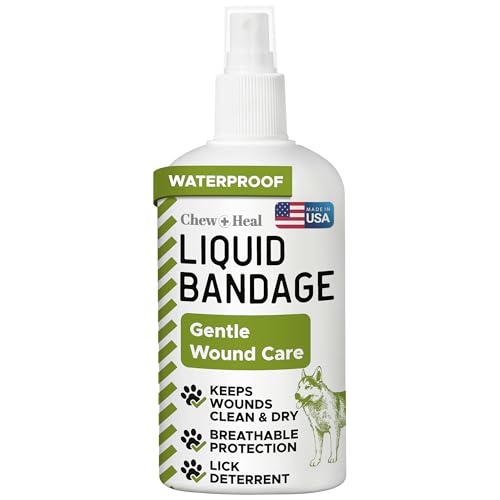
🐕 Ready to build or buy your dog first aid kit? Below you’ll find our hand-picked selection of top-rated dog first aid kits and individual supplies recommended by veterinarians and experienced pet owners. Each product has been evaluated for quality, completeness, and value. Click any product to check the latest price on Amazon – your purchase supports our free content at no extra cost to you.