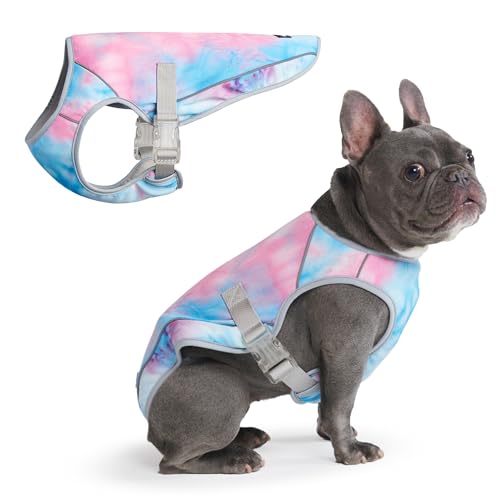
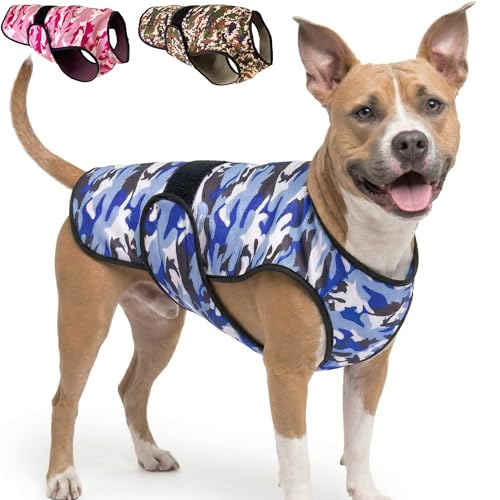
Dog Cooling Vest: The Complete Guide to Summer Heat Safety
Learn how cooling vests work, which type suits your dog best, and how to use them safely to prevent heatstroke during hot weather.
Summer heat is one of the most underestimated dangers for dogs. Unlike humans, dogs cannot sweat through their skin to cool down — they rely almost entirely on panting and a small amount of sweating through their paw pads. This makes them far more vulnerable to heat exhaustion and heatstroke, especially during walks, hikes, or outdoor play on hot days.
A dog cooling vest is one of the most practical tools available to help your dog stay comfortable and safe when temperatures rise. But not all cooling vests are created equal, and using one incorrectly can give you a false sense of security. This guide explains exactly how cooling vests work, what to look for, and how to use them as part of a broader heat-safety routine.
Why Dogs Overheat So Easily
Dogs have a normal body temperature of roughly 101°F to 102.5°F (38.3°C to 39.2°C). When that temperature rises above 104°F (40°C), they are in danger. Above 106°F (41°C), heatstroke can cause organ damage, brain swelling, and death.
Several factors make dogs particularly susceptible to overheating:
- Inefficient cooling system: Dogs cool primarily through panting, which exchanges heat via the respiratory tract. This is far less effective than sweating over a large body surface.
- Fur coats: While a dog's coat does provide some insulation against heat, it also traps warmth. Double-coated breeds like Huskies and Golden Retrievers can struggle in high humidity.
- Flat-faced anatomy: Brachycephalic breeds (Bulldogs, Pugs, Boston Terriers) have narrowed airways that make panting much less efficient. They overheat faster than any other group.
- Body size and weight: Overweight dogs and large breeds generate more body heat and have more mass to cool down.
- Age: Puppies and senior dogs have less efficient thermoregulation. Senior dogs may also have underlying heart or lung conditions that worsen heat stress.
- Activity level: Exercise generates heat. A game of fetch in the sun can raise a dog's temperature dangerously within minutes.
Heatstroke Warning Signs: Excessive panting, thick drooling, bright red gums, glassy eyes, staggering, vomiting, diarrhea, and collapse. If you see these signs, move your dog to a cool area, apply cool (not ice-cold) water to the belly, paws, and groin, and contact your vet immediately. Heatstroke is a medical emergency.
How Dog Cooling Vests Work
A cooling vest is a wearable garment designed to lower your dog's core body temperature. There are three main cooling mechanisms used in modern vests:
1. Evaporative Cooling
This is the most common and affordable technology. The vest is made from a highly absorbent fabric that you soak in water. Once the excess water is wrung out, the vest is placed on your dog. As the water evaporates, it absorbs heat from your dog's body — the same principle that makes you feel cool when you step out of a pool on a breezy day.
Evaporative vests work best in dry, windy conditions. In high humidity, evaporation slows down dramatically, and the vest becomes much less effective.
2. Phase-Change Material (PCM) Cooling
PCM vests contain gel packs or built-in inserts filled with a material that changes from solid to liquid at a specific temperature. These vests are activated by refrigerating or freezing the inserts, then placing them into the vest. As the material absorbs heat, it changes phase and keeps the dog's body at a stable, cooler temperature for a longer period.
PCM vests are generally more expensive than evaporative models but work in any climate, including humid conditions. They are a good option for dogs who need consistent cooling during extended outdoor time.
3. Hybrid Cooling
Some premium vests combine evaporative fabric with gel inserts or reflective layers. These offer the best of both worlds — the lightweight, breathable feel of an evaporative vest with the sustained cooling power of a gel pack. These are typically the highest-end option and are popular among working dogs, hikers, and dogs with medical conditions that make heat tolerance a serious concern.
Quick Tip: No cooling vest can replace common sense. If it's too hot for you to be outside comfortably, it's too hot for your dog. Cooling vests extend safe outdoor time — they do not make extreme heat safe.
Types of Dog Cooling Vests
Cooling vests come in several designs, each suited to different dogs and activities. Understanding the differences helps you pick the right one for your situation.
Evaporative Soak Vests
Soak in water, wring out, and wear. Lightweight and affordable. Best for dry climates, backyard play, and short walks. Requires re-wetting every 30–60 minutes. Most popular and widely available option.
Budget-FriendlyGel Pack Vests
Use reusable gel inserts that are frozen or refrigerated before use. Provide consistent cooling independent of humidity. Heavier than evaporative vests. Ideal for humid climates and dogs who need longer cooling periods.
Mid-RangePhase-Change Material (PCM) Vests
Contain advanced inserts that maintain a steady temperature for hours. No water or freezing required in some models. The most effective option for extreme heat and extended outdoor activity. Premium investment.
PremiumHybrid Cooling Vests
Combine evaporative fabric with gel or PCM inserts. Offer flexible cooling for varying conditions. Often include reflective linings and UV protection. The most versatile choice for active dogs and changing weather.
Top-TierCooling Bandanas & Collars
Smaller cooling accessories that wrap around the neck. Less coverage than a full vest but easier to wear for dogs who dislike body garments. Good for short outings and quick cool-downs. Often used as a supplement to a vest.
Entry-LevelCooling Mats & Beds
Not wearable, but often used alongside a vest. Gel or water-filled mats provide a cool surface for resting. Ideal for crates, cars, and indoor spaces without air conditioning. A complementary product rather than a replacement.
Mid-TierHow to Choose the Right Cooling Vest
With so many options available, the right choice depends on your dog, your climate, and how you plan to use the vest. Here are the key factors to consider:
Climate and Humidity
If you live in a dry, arid climate, an evaporative vest will work extremely well and is the most cost-effective choice. If you live in a humid region, evaporative cooling becomes far less effective — look for a gel pack, PCM, or hybrid vest instead.
Activity Type and Duration
For short walks and backyard time, an evaporative vest is usually sufficient. For hiking, camping, or long outdoor events, a PCM or hybrid vest provides more sustained cooling. Working dogs and dogs with brachycephalic anatomy benefit most from premium cooling technology.
Your Dog's Size and Shape
Cooling vests come in sizes from toy breeds to giant breeds. Deep-chested dogs (like Greyhounds and Dobermans) may need adjustable straps for a secure fit. Flat-faced breeds may need a vest with a lower neckline to avoid restricting breathing. Always check the sizing chart before buying.
Coat Type
Dogs with thick double coats benefit from cooling vests that sit close to the body without compressing the fur too much. Dogs with very short coats may need a vest with a soft inner lining to prevent chafing. Hairless breeds can wear almost any vest, but may need a lightweight, breathable design.
Ease of Use
Evaporative vests require access to water and a place to wring them out. Gel and PCM vests require a freezer or refrigerator. Consider your daily routine — if you are frequently on the go, a PCM vest that stays cool for hours may be more practical than a vest you need to re-soak repeatedly.
Value Tiers Explained: Entry-level vests are simple, lightweight, and best for occasional use. Mid-range vests offer better materials and longer cooling. Premium and top-tier vests use advanced cooling technology, superior fit, and durable construction for frequent or intense use.
Getting the Fit Right
A cooling vest only works if it fits properly. A vest that is too loose will slide around, cause chafing, and fail to make good contact with your dog's body. A vest that is too tight will restrict movement and breathing — which is especially dangerous for dogs already struggling with heat.
To measure your dog for a cooling vest:
- Chest girth: Measure the widest part of your dog's chest, just behind the front legs. This is the most important measurement. Keep the tape snug but not tight.
- Back length: Measure from the base of the neck (where the collar sits) to the base of the tail. This determines the length of the vest.
- Neck circumference: Measure around the neck where the collar normally sits. Some vests have adjustable neck openings; others do not.
- Weight: Use your dog's weight as a secondary reference, but always prioritize girth and length measurements over weight ranges.
Once the vest arrives, do a test fit indoors before using it outside. Check that:
- You can fit two fingers between the vest and your dog's body at the chest.
- Your dog can walk, sit, lie down, and turn without restriction.
- The vest does not rub against the armpits, belly, or neck.
- The straps are secure and do not loosen during movement.
- Your dog can pant freely without the vest pressing on the throat.
Using a Cooling Vest Safely
Cooling vests are a tool, not a miracle solution. Used correctly, they can significantly reduce your dog's risk of overheating. Used incorrectly, they can cause skin problems, hypothermia, or a false sense of security.
Before You Go Out
- Soak or activate the vest according to the manufacturer's instructions.
- Wring out evaporative vests thoroughly — a dripping vest is uncomfortable and heavy.
- Check the weather forecast. If the heat index is dangerously high, skip the outing altogether.
- Plan your route with shade and water access in mind.
During Use
- Re-wet evaporative vests every 30–60 minutes, or sooner if they feel dry.
- Monitor your dog constantly for signs of overheating — panting that doesn't slow down, reluctance to move, or excessive drooling.
- Offer water frequently. Cooling vests do not replace hydration.
- Take breaks in the shade. The vest works best when your dog is not generating excessive body heat from exercise.
After Use
- Remove the vest as soon as you are back in a cool environment.
- Dry your dog thoroughly, especially under the vest, to prevent skin irritation or fungal infections.
- Clean the vest according to the manufacturer's instructions. Most evaporative vests are machine washable; gel and PCM inserts usually need hand washing.
- Store the vest in a dry, cool place. Do not leave gel packs in direct sunlight.
Important: Never leave a cooling vest on your dog unattended. A wet vest can become heavy and cause chafing, and a dog who becomes too cold can develop hypothermia. Always supervise.
Cooling Vests vs Other Cooling Methods
Cooling vests are one part of a broader heat-management strategy. Here is how they compare to other common cooling products:
| Method | How It Works | Best For | Limitations |
|---|---|---|---|
| Cooling Vest | Evaporative or gel cooling worn on the body | Walks, hikes, outdoor events | Requires re-wetting or freezing; not for unsupervised use |
| Cooling Bandana | Small evaporative or gel wrap around the neck | Short outings, quick cool-downs | Less body coverage; limited cooling |
| Cooling Mat | Gel or water-filled mat for resting on | Indoor crates, car seats, shade breaks | Not wearable; requires the dog to lie down |
| Water Play | Swimming, sprinklers, kiddie pools | Backyard play, active dogs | Requires water access; some dogs dislike water |
| Shade + Hydration | Rest in shade and drink cool water | All situations | Does not actively cool; passive only |
For many owners, the best approach is a combination: a cooling vest for active time, a cooling mat for rest breaks, and a collapsible water bottle for hydration. If you plan to travel with your dog in the car, a dog car seat or carrier with good ventilation plus a cooling mat can make summer travel much safer.
For dogs who struggle with anxiety during thunderstorms or car rides — common summer stressors — a calming product or anxiety wrap may also help. And if your dog is prone to skin irritation under the vest, consider a dog dryer to ensure they are completely dry after outdoor time.
Common Mistakes to Avoid
Even well-intentioned owners make mistakes when using cooling vests. Here are the most common ones:
- Using a vest as an excuse to exercise in extreme heat. A cooling vest helps, but it does not make 100°F weather safe for vigorous activity. Adjust your schedule to early morning or late evening instead.
- Leaving the vest on too long. Cooling vests should be worn during activity, not all day. Remove the vest once your dog is resting in a cool place.
- Not re-wetting evaporative vests. An evaporative vest stops cooling once it dries out. Check it every 30–60 minutes and re-soak as needed.
- Using ice-cold water on an overheated dog. If your dog is already showing signs of heatstroke, do not plunge them into ice water. Use cool — not cold — water and seek veterinary help immediately. Ice-cold water can constrict blood vessels and worsen the situation.
- Ignoring the humidity. Evaporative vests are much less effective in humid conditions. In high humidity, choose a gel or PCM vest instead.
- Buying the wrong size. A loose vest can chafe and slide; a tight vest can restrict breathing. Measure carefully and check the sizing chart.
- Forgetting about the paws. A vest cools the core, but paws can still burn on hot pavement. Use paw protection or walk on grass and shade during peak heat.
- Overlooking the risk for flat-faced breeds. Brachycephalic dogs need extra caution. Even with a cooling vest, they should avoid strenuous activity in the heat.
Frequently Asked Questions
Final Thoughts
A dog cooling vest is a valuable addition to your summer safety toolkit. It helps your dog stay comfortable during walks, hikes, and outdoor events — and more importantly, it reduces the risk of heatstroke. But it works best when combined with smart decisions: walking during cooler hours, providing shade and water, and knowing the signs of overheating.
If you are looking for a reliable cooling vest, our recommended products below are a great starting point. Choose the type that matches your climate and your dog's activity level, measure carefully, and always supervise. Your dog depends on you to keep them safe in the heat — a good cooling vest is one of the simplest ways to do exactly that.