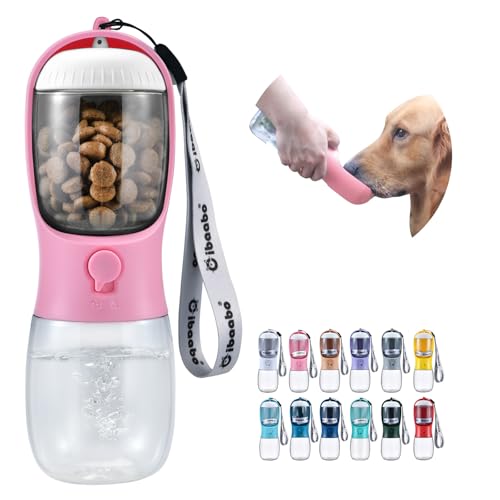
Dog Water Bottle: The Complete Guide to Portable Hydration
Keep your dog safely hydrated on every walk, hike, and road trip. Learn how to choose the right portable dog water bottle, what features matter most, and how to use it correctly.
Hydration is one of the most overlooked aspects of dog care, especially when you are away from home. A dog can overheat, become lethargic, or suffer serious health consequences within a surprisingly short time without adequate water. Whether you are taking a quick neighborhood stroll, a long hike, or a road trip, having a reliable dog water bottle on hand ensures your dog stays hydrated and comfortable.
This guide explains everything you need to know about portable dog water bottles — the different types available, the features that actually matter, how to use them safely, and how to keep them clean. By the end, you will know exactly which style suits your dog's needs and your lifestyle, so you can make a confident purchase decision.
Why Your Dog Needs a Portable Water Bottle
Many owners assume their dog will drink enough at home and that a short walk does not require water. In reality, dogs lose water rapidly through panting, especially in warm weather or during vigorous activity. By the time a dog shows obvious signs of dehydration — heavy panting, dry gums, lethargy, or loss of skin elasticity — the situation is already concerning.
A dedicated portable dog water bottle solves several problems at once. It gives you a clean, controlled way to offer water without sharing your own bottle, it prevents your dog from drinking from puddles or stagnant water that may contain bacteria or parasites, and it makes hydration convenient enough that you actually do it consistently.
If your dog is overweight or on a weight management plan, proper hydration is even more important because water supports metabolism and helps the body process nutrients efficiently. Similarly, senior dogs and dogs with arthritis benefit from frequent small drinks during gentle exercise, since dehydration can worsen joint discomfort and stiffness.
Signs of Dehydration in Dogs:
• Dry or tacky gums
• Loss of skin elasticity (skin does not snap back when gently pinched)
• Sunken eyes
• Excessive panting or lethargy
• Reduced urine output
If you notice these signs, offer water immediately and move your dog to a cool, shaded area. If symptoms persist, contact your veterinarian — see our guide on when to visit the vet.
Types of Dog Water Bottles
Not all portable dog water bottles are built the same. The right choice depends on how you plan to use it, the size of your dog, and how much convenience you want. Below are the main styles you will encounter, each suited to different situations.
Squeeze Bottle with Built-In Trough
The most popular design. You squeeze the bottle and water flows into an attached trough or cup, letting your dog drink directly. Release the pressure and unused water flows back into the bottle. Compact, hygienic, and easy to use one-handed.
entry-level to mid-rangeFlip-Top Travel Bottle
A wide-mouth bottle with a flip-up silicone lid that doubles as a small bowl. Simple and durable, often cheaper than squeeze designs. Best for short walks and casual outings where you do not need to control the flow of water.
budget-friendlyInsulated Stainless Steel Bottle
Double-wall vacuum insulation keeps water cool for hours, which is a major advantage in hot climates. Heavier than plastic but far more durable and resistant to bacteria. Ideal for long hikes and summer adventures.
premiumBottle and Bowl Combo
A single unit that combines a water reservoir with a collapsible or detachable bowl. Some models include a separate compartment for kibble or dog treats. Great for full-day trips and travel where you need both food and water.
mid-range to premiumCollapsible Silicone Bottle
Space-saving design that collapses when empty. Lightweight and easy to pack, making it a favorite for backpacking and travel. The trade-off is that silicone can retain odors if not cleaned thoroughly and may feel less sturdy than rigid bottles.
mid-rangeWide-Mouth Dispenser Bottle
Designed for larger dogs, with a broad opening that allows fast, unrestricted drinking. Often holds more water than standard bottles. Best for big breeds on long outings where refills are not easy to find.
mid-range to high-endKey Features to Look For
When comparing dog water bottles, focus on the features that affect usability, safety, and durability. These are the details that separate a bottle you will use every day from one that sits in a cupboard.
- Leak-proof seal: The single most important feature. A bottle that leaks will soak your bag, your car seat, and your dog. Look for silicone gaskets and locking mechanisms, and read reviews specifically mentioning leaks.
- One-handed operation: You often need one hand for the leash. A bottle you can open, squeeze, and close with a single hand is far more practical than one requiring two.
- Water return system: Squeeze bottles that channel unused water back into the reservoir prevent waste and keep the trough clean. Without this, leftover water spills or must be discarded.
- Wide mouth opening: Makes filling easier, allows ice cubes to fit, and makes cleaning far more thorough. Narrow-neck bottles are difficult to scrub properly.
- Carry loop or clip: A loop that attaches to your belt, backpack, or leash frees your hands and keeps the bottle accessible. Some models include a carabiner.
- Capacity: Match capacity to your dog's size and outing length. Small dogs need less water, while large breeds on long hikes may need a bottle that holds a meaningful volume. Consider whether you want to carry one large bottle or two smaller ones.
- Bite-resistant materials: If your dog tends to chew, choose a bottle with a metal or reinforced nozzle rather than soft plastic that can be punctured.
- Dishwasher-safe parts: Not essential, but it makes routine cleaning much easier and encourages you to clean more often.
Practical Tip: If you walk your dog regularly with a professional dog walker or a dog walking service, ask whether they carry water. Many do not, so providing your own bottle ensures your dog drinks consistently even when you are not there.
Materials & Safety
The material of your dog water bottle affects durability, taste, and hygiene. Here is how the common options compare.
| Material | Durability | Bacteria Resistance | Weight | Best For |
|---|---|---|---|---|
| Stainless Steel | Excellent | High | Heavier | Long hikes, hot weather, chewers |
| BPA-Free Plastic | Good | Moderate | Light | Short walks, small dogs, budget buyers |
| Silicone (Collapsible) | Moderate | Moderate | Very Light | Travel, backpacking, space-saving |
| Tritan / Copolyester | Very Good | Good | Light | Everyday use, clear visibility of water level |
Regardless of material, always confirm the product is BPA-free and food-grade. Avoid bottles with a strong chemical smell, as this can indicate low-quality plastics that may leach into the water. If your dog is sensitive to tastes or has a sensitive stomach, stainless steel is often the safest choice because it does not retain flavors or odors.
How to Use a Dog Water Bottle Correctly
Using a portable water bottle seems straightforward, but a few habits make a big difference in your dog's comfort and safety.
- Offer water before you leave home: Let your dog drink normally before the walk so they start hydrated. Do not force water, but make it available.
- Offer small amounts frequently: Rather than one large drink halfway through, offer a few laps every 15-20 minutes. This is gentler on the stomach and prevents gulping, which can lead to bloat in deep-chested breeds.
- Hold the bottle at a comfortable height: Position the trough so your dog can drink without stretching or crouching awkwardly. Let them drink at their own pace.
- Do not let your dog drink from the bottle spout directly: The trough exists for a reason. Drinking from the spout transfers saliva into the reservoir and can make the water unpalatable later.
- Discard or return unused water: If your bottle does not have a return system, pour out leftover water rather than letting it sit. Warm, stagnant water is a breeding ground for bacteria.
- Watch for signs your dog has had enough: Some dogs will drink excessively if offered, especially if they are excited. Let them take a few laps, then pause and offer more later.
- Never force water: If your dog refuses to drink, do not push it. Offer again later. Forced drinking can cause choking or aspiration.
Hot Weather Warning: In summer, water in a plastic bottle can heat up quickly and become unappealing. Insulated bottles or offering water more frequently helps. Never leave a dog in a hot car with only a bottle — heatstroke can develop rapidly. See our winter care guide for cold-weather hydration considerations as well, since dogs can become dehydrated in winter too.
Cleaning & Maintenance
A dog water bottle that is not cleaned regularly becomes a source of bacteria, mold, and illness. The trough and nozzle are especially prone to buildup because they stay moist and come into contact with saliva.
- Daily rinse: After every outing, empty the bottle and rinse all parts with warm water. This removes saliva and prevents odors from developing.
- Weekly deep clean: Disassemble the bottle fully — cap, trough, gasket, and reservoir. Wash with warm water and mild dish soap using a bottle brush. Pay attention to the threads and the gasket, where grime hides.
- Monthly disinfection: Soak parts in a diluted white vinegar solution or use a pet-safe disinfectant. Rinse extremely thoroughly afterward, as residual vinegar or cleaner can discourage drinking.
- Air dry completely: Mold thrives in sealed, damp environments. Let all parts air dry separately before reassembling. Do not store the bottle closed while wet.
- Replace worn parts: Gaskets and silicone troughs degrade over time. If you notice cracks, discoloration, or a persistent smell, replace the bottle or the affected parts.
- Do not share between dogs without cleaning: If you have multiple dogs, clean the bottle between uses or carry separate bottles to avoid transferring germs.
If your dog has a compromised immune system, is recovering from illness, or is on medication, be especially diligent about cleaning. A routine veterinary visit is also a good time to ask whether your dog has any condition that affects hydration needs.
Choosing the Right Bottle for Your Dog
Use the following considerations to narrow down your options. There is no single best dog water bottle — the right one depends on your dog and your routine.
By Dog Size
- Toy and small breeds: A lightweight bottle with a narrow trough works well. Capacity matters less because small dogs drink less, but the trough should be shallow enough for a small muzzle.
- Medium breeds: The most versatile category. A standard squeeze bottle with a medium trough fits most needs.
- Large and giant breeds: Look for a wide-mouth dispenser or a high-capacity bottle. A narrow trough will frustrate a large dog and slow down drinking.
By Activity
- Short neighborhood walks: A compact flip-top or small squeeze bottle is plenty. Prioritize lightness and a carry loop.
- Long hikes and day trips: Choose a higher-capacity insulated bottle. Consider a combo that also holds dry dog food or treats.
- Travel and road trips: A leak-proof bottle with a secure lid is essential. A collapsible bottle saves space in luggage.
- Hot climates: Insulated stainless steel keeps water cooler longer and is worth the extra weight.
If you are also looking at other outdoor gear for your dog, you may find our guides on dog waste bags, dog carriers, and dog first aid kits useful for building a complete walking and travel kit. For dogs who join you on longer adventures, a doggy backpack can carry their own bottle and supplies.
Ready to Keep Your Dog Hydrated?
Explore our recommended dog water bottles and hydration gear in the products section below. Every bottle is selected for durability, safety, and real-world usability.
Common Mistakes to Avoid
Even owners who buy a good bottle sometimes run into problems. These are the most common pitfalls and how to avoid them.
- Buying a bottle that leaks. Always read reviews specifically about leakage. A bottle that leaks in your bag is a bottle you will stop using.
- Choosing capacity over practicality. A huge bottle that is heavy and awkward will not get carried. Match capacity to your actual outing length.
- Neglecting the trough. The trough is the part that touches your dog's mouth and holds water. If it is shallow, hard to clean, or poorly designed, the whole bottle suffers.
- Letting water sit for days. Stale water grows bacteria. Empty and rinse after every use, even if the bottle is not visibly dirty.
- Using human bottles as a shortcut. As noted earlier, human bottles are not designed for dogs and encourage germ transfer. A dedicated dog bottle is safer and easier for your dog to use.
- Forgetting water on hot days. Heat exhaustion can develop quickly. Carry a bottle even on short walks in summer.
- Ignoring your dog's preferences. Some dogs dislike drinking from silicone or narrow troughs. If your dog refuses the bottle, try a different style rather than assuming they are not thirsty.
If your dog consistently avoids drinking from a bottle, it is worth mentioning to your vet at your next wellness exam. In rare cases, reluctance to drink can be a sign of dental pain, nausea, or another underlying issue.
Frequently Asked Questions
The Bottom Line
A portable dog water bottle is a small investment that pays off every time you leave the house. It keeps your dog hydrated, prevents them from drinking unsafe water, and makes outdoor time more comfortable and safe. Focus on a leak-proof design, a trough your dog can actually drink from, and a material that is easy to clean. Whether you choose an entry-level squeeze bottle or a premium insulated model, the best bottle is the one you carry consistently. Your dog's health depends on it — and they cannot ask for water themselves.