The Ultimate Guide to Hiring a Dog Walker
Professional dog walking keeps your dog healthy, happy, and well-exercised. Learn how to choose the right walker, understand costs, and ensure your dog gets the best care while you're away.
Whether you work long hours, have a busy schedule, or simply want to ensure your dog gets adequate daily exercise, hiring a professional dog walker can be a game-changer. A good dog walker does more than just take your dog for a stroll — they provide structured exercise, mental stimulation, and companionship, all of which are vital for your dog's well-being. This guide walks you through everything you need to know about finding, hiring, and working with a dog walker.
Why Hire a Professional Dog Walker?
Many dog owners underestimate the importance of regular, structured exercise. While letting your dog out in the backyard is convenient, it rarely provides the physical and mental stimulation they need. A professional dog walker ensures your dog gets consistent, purposeful exercise, which can prevent a host of behavioral and health issues.
Did you know? Dogs that don't receive adequate exercise are more prone to obesity, joint problems, and behavioral issues like excessive barking or destructive chewing. A professional walker provides the structured activity that keeps these problems at bay.
For busy professionals or families, a dog walker fills the gap between your dog's needs and your schedule. They also provide peace of mind — knowing your dog is being cared for and is not alone for extended periods. If you are considering this, you might also want to explore how to hire a dog walker for more detailed steps.
Key Benefits for Your Dog
A professional dog walker offers benefits that go beyond just burning off energy. Here are some of the most impactful advantages:
- Physical health: Regular walks maintain a healthy weight, build muscle tone, and promote cardiovascular health. This is especially important for breeds that require high levels of activity.
- Mental stimulation: New routes, smells, and sights provide essential mental enrichment. It's like reading the news for your dog — it keeps their mind sharp.
- Socialization: Many walkers handle multiple dogs, providing opportunities for safe, supervised socialization. This can improve your dog's behavior around other animals.
- Toilet routine: A consistent walking schedule helps regulate your dog's digestive system and reduces accidents in the home.
- Behavioral balance: A well-exercised dog is calmer, less anxious, and less likely to engage in destructive behaviors.
If your dog has specific needs, such as joint issues, a professional walker can adjust the walk to be low-impact. For senior dogs or those with arthritis, check our guide on dogs with arthritis to understand how walking can be adapted.
How Much Does a Dog Walker Cost?
The cost of a professional dog walker varies based on location, duration, and whether you choose a group or private walk. Here are typical rates in the United States as of 2026:
Group Walk
per 30-minute walk
(2-4 dogs per walker)
Private Walk
per 30-minute walk
(1-on-1 attention)
Extended Walk
per 60-minute walk
For high-energy breeds
Monthly Package
(5 days/week, 30-min walks)
Many walkers offer discounts for recurring bookings. It's also common to pay extra for holidays, last-minute bookings, or walking multiple dogs from the same household. When comparing prices, consider the walker's experience, insurance, and certifications — the cheapest option is not always the best.
How to Choose the Right Dog Walker
Choosing the right dog walker is a critical decision. This person will have access to your home and be responsible for your dog's safety. Follow these steps to find a trustworthy professional:
- Seek recommendations: Ask your veterinarian, local pet stores, or fellow dog owners for referrals. Online platforms like Rover or Wag also provide reviews and background checks.
- Interview potential walkers: Treat it like a job interview. Ask about their experience, training, and how they handle emergencies. This is also a good time to discuss your dog's specific needs.
- Verify insurance and bonding: A professional walker should have liability insurance and be bonded. This protects you and your dog in case of an accident or incident.
- Check references: Don't hesitate to ask for references from current or past clients. A reputable walker will be happy to provide them.
- Schedule a meet and greet: Introduce the walker to your dog in your home. Observe their interaction — your dog should be comfortable and relaxed. This step is crucial to ensure compatibility.
- Review the contract: Understand the cancellation policy, payment schedule, and any additional fees. Ensure all terms are clear before signing.
Pro Tip: Use the first few walks as a trial period. Observe the walker's punctuality, how they handle your dog, and if your dog seems happy afterward. Trust your instincts — if something feels off, it probably is.
If you want to know what to look for in terms of red flags, our guide on red flags in dog professionals can be insightful, as many principles apply to walkers as well.
Questions to Ask Before Hiring
Coming prepared with the right questions will help you make an informed decision. Here are the essential questions to ask any potential dog walker:
- How long is the walk? Confirm the actual walking time (usually 30-60 minutes). Some walkers include travel time to and from the park in that window.
- What is the walker-to-dog ratio? For group walks, a 1:4 ratio is typical. Ensure the walker can manage the number of dogs safely.
- What happens in bad weather? Will they still walk? Do they have indoor alternatives? It's important to know their policy on extreme heat or cold.
- How do you handle emergencies? Ask about their first-aid training, plan for injuries, and how they will contact you or your vet.
- Do you provide GPS tracking or walk reports? Many services offer apps with GPS tracking, photos, and notes about your dog's behavior and bowel movements.
- What is your cancellation policy? Understand the notice period required and any fees for last-minute cancellations.
- Are you bonded and insured? This is non-negotiable for peace of mind.
For more questions to vet any pet care professional, see our questions to ask a dog breeder — many of the trust-building questions apply here too.
What to Expect from a Professional
Once you've hired a walker, here's what you can expect from a standard professional dog-walking service:
- Punctuality: A professional arrives within the scheduled time window. They understand that dogs thrive on routine.
- Pre-walk check: They will check the weather, ensure your dog has a proper collar or harness, and ask about any health changes since the last walk.
- Hydration breaks: A good walker carries water and a collapsible bowl, especially on warm days.
- Safety: They avoid hazards like broken glass, aggressive dogs, or extreme weather. They also ensure your dog doesn't eat anything dangerous on the street.
- Post-walk care: They will wipe dirty paws, provide fresh water, and ensure your dog is settled before they leave. Some may also send a brief report card with photos.
- Communication: They will inform you of any concerns or unusual behavior, such as limping or excessive panting, that may require a vet visit.
If your dog has any medical conditions, always inform the walker. They should also know the location of your dog first aid kit in case of minor injuries.
Tips for a Successful Partnership
Building a strong relationship with your dog walker ensures long-term success. Here are some tips to foster a positive experience:
- Be clear about your expectations: Communicate your dog's energy level, walking style preferences, and any training cues you use (e.g., "heel" or "sit").
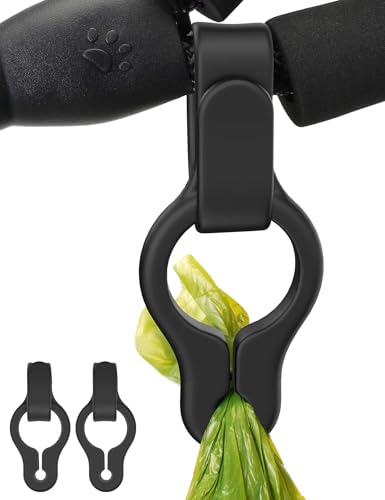
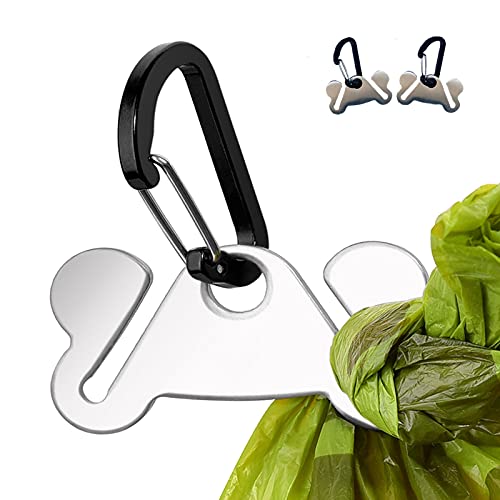
- Provide necessary supplies: Ensure the walker has access to poop bags, treats (if allowed), and a secure leash and harness. A reliable dog waste bag supply is essential.
- Establish a backup contact: In case of emergency, have a neighbor or nearby friend who can assist if you are unreachable.
- Keep a consistent schedule: Dogs love routine. Try to keep walking times as consistent as possible, even on weekends.
- Give feedback: Let the walker know what works and what doesn't. If your dog seems excessively tired or energetic after a walk, discuss adjusting the route or duration.
- Show appreciation: A small tip around the holidays or a simple thank-you note can go a long way in building a positive relationship.
Remember: Your dog walker is a partner in your dog's care. Treat them with respect, and they will go the extra mile to ensure your dog's happiness and safety.
If you are also considering dog boarding or dog sitting for longer absences, many walkers offer these services as well, making them a one-stop shop for pet care.