Dog Waste Bags: The Complete Buying Guide
Don't let choosing poop bags be a headache. We break down materials, sizes, scents, and eco-impact so you can pick the perfect bag for your dog — and the planet.
Dog waste bags are one of those essential items that every dog owner needs — but most of us don't think about until we're standing in the aisle, overwhelmed by choices. Should you get biodegradable, compostable, or standard plastic? Scented or unscented? Extra-large or regular? This guide breaks down everything you need to know so you can make an informed choice that fits your lifestyle, your dog, and your values.
Bag Materials & Eco-Impact
The material of your dog waste bag determines not only how it handles the job, but also how it impacts the environment. Here's what you need to know about the three main types.
Standard Plastic (Polyethylene)
Most common and cheapest option. Strong and reliable, but they take hundreds of years to decompose in landfills. If you choose plastic, look for bags made with recycled content to reduce your carbon footprint.
$0.02–$0.05 per bagBiodegradable
Made from plant-based materials or petroleum with additives that help them break down faster under specific conditions. However, many require industrial composting facilities to degrade properly, and some leave behind microplastics.
$0.05–$0.12 per bagCompostable
The gold standard for eco-conscious owners. Made from renewable resources like cornstarch. They break down completely into water, CO2, and biomass within 180 days in commercial composting. Look for ASTM D6400 or EN 13432 certification.
$0.10–$0.20 per bagSize & Thickness Matters
Choosing the right size and thickness prevents messy accidents and ensures you get the best value for your money.
- Standard (7–8″ x 11–13″): Suitable for most dogs under 50 lbs. A good all-purpose size that fits most dispensers.
- Extra-Large (9″+ x 13″+): Essential for large and giant breeds. Provides extra coverage and reduces the risk of tearing during cleanup.
- Thickness: Measured in microns (μm). Standard bags are 12-15μm. Heavy-duty bags are 18-22μm for extra tear resistance. If you have a dog with large or loose stools, opt for thicker bags.
Scented vs Unscented
Fragrance can make a big difference in your walking experience, but it's not for everyone.
- Scented Bags: Typically infused with lavender, vanilla, or citrus to mask unpleasant odors. Great for long walks or if you're sensitive to smells. However, some dogs and owners may find artificial fragrances irritating.
- Unscented Bags: The purest option. No added chemicals, making them ideal for dogs with allergies, sensitive noses, or if you simply prefer a neutral product. They don't mask odors, but they also don't add any extra scent.
Quick Comparison Table
| Feature | Standard Plastic | Biodegradable | Compostable |
|---|---|---|---|
| Material | Petroleum-based | Plant + petroleum mix | Plant-based (cornstarch) |
| Decomposition Time | 100+ years | 1-5 years (in ideal conditions) | 180 days (commercial compost) |
| Certification | None | ASTM D6954 (may vary) | ASTM D6400 / EN 13432 |
| Cost per Bag | $0.02–$0.05 | $0.05–$0.12 | $0.10–$0.20 |
| Best For | Budget-conscious owners | Eco-conscious with local industrial compost | Serious eco-warriors |
Top Bag Types Explained
Not all dog waste bags are created equal. Here are the most common types you'll encounter.
- Standard Roll Bags: The most common and affordable. They come in rolls of 15-30 bags and fit most standard dispensers. Best for daily walks.
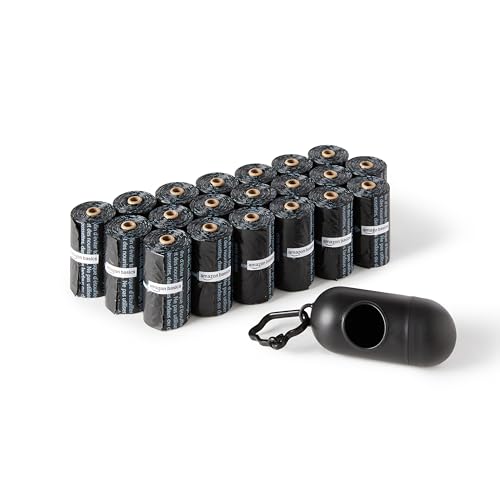
- Dispenser Bags: Compact rolls that fit inside a dispenser. Often perforated for easy tearing. Perfect for attaching to your leash or belt.
- Flat Bags: Not rolled, but folded flat. Usually more expensive but can be more durable. Great for keeping in your car or bag.
- Biodegradable Flushable Bags: A niche option. Claim to be flushable, but experts advise against flushing any pet waste due to water treatment limitations. Better to compost or throw away.
- Scissor Dispenser Bags: Bags designed for use with a scissor-type dispenser that cuts the bag for you. Convenient but often more expensive.
Holders & Dispensers
Having the right holder or dispenser makes grabbing a bag quick and easy — even when your dog is pulling or it's raining.
- Leash Dispensers: Small, lightweight containers that clip directly onto your leash. Most hold one roll (15-30 bags) and are the most popular choice for daily walks.
- Belt Dispensers: Clip onto your waistband or belt. Great if you prefer to keep your hands free or have multiple dogs.
- Pocket-Sized Holders: Compact containers that fit in your pocket or bag. Often made of fabric or soft silicone. Good for short trips.
- Glow-in-the-Dark Dispensers: Helpful for early morning or evening walks. Usually made of bright plastic with reflective elements.
- Environmental Note: Choose a dispenser made from recycled or sustainable materials to further reduce your environmental impact.
How Many to Buy & Where to Store
Running out of bags mid-walk is a nightmare. Here's how to plan your stock.
- Daily Usage: Most dogs poop 2-3 times a day. Always carry at least 3-4 bags per walk, especially if you're going on a longer hike or walk.
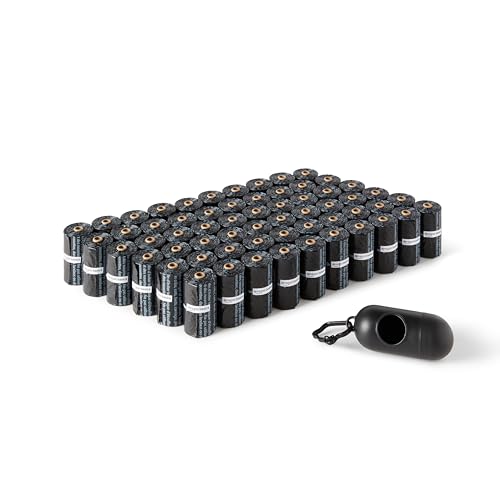
- Bulk Buying: A 15-roll pack (approx. 150-300 bags) typically lasts 1-2 months. Buying in bulk (500+ bags) saves money and reduces packaging waste.
- Storage: Keep bags in a cool, dry place away from direct sunlight to prevent degradation. Many owners keep a spare roll in their car, bag, and by the front door.
- Check Expiration: Even biodegradable bags have a shelf life. Check the packaging for a "use by" date to ensure they remain tear-resistant.
Pro Tip: If you're transitioning to compostable bags, make sure you have access to a commercial composting facility. Most home compost piles don't reach the high temperatures needed to break them down properly. Check with your local waste management service first.
Frequently Asked Questions
Ready to Choose Your Bags?
Now that you understand the differences between materials, sizes, and scents, you can confidently pick the right dog waste bags for your needs. Whether you prioritize budget, eco-friendliness, or convenience, there's a perfect option out there. Browse our recommended products below to find the best value and quality. And remember: the most eco-friendly bag is the one you actually use — so pick something you'll enjoy carrying on every walk.