Complete Dog Care Guide: Nutrition, Health, Training & More
Everything you need to raise a happy, healthy, and well-behaved dog. From puppyhood to senior years, master every aspect of responsible dog ownership.
Welcoming a dog into your life brings immense joy, but it also comes with the responsibility of providing proper care every single day. Whether you are a new owner or have shared your life with dogs for years, this comprehensive guide covers all pillars of dog care – from balanced nutrition and preventive health to positive training and understanding canine behavior. By following these evidence-based recommendations, you can ensure your furry companion thrives physically and mentally.
🐕 Essential Dog Nutrition & Feeding
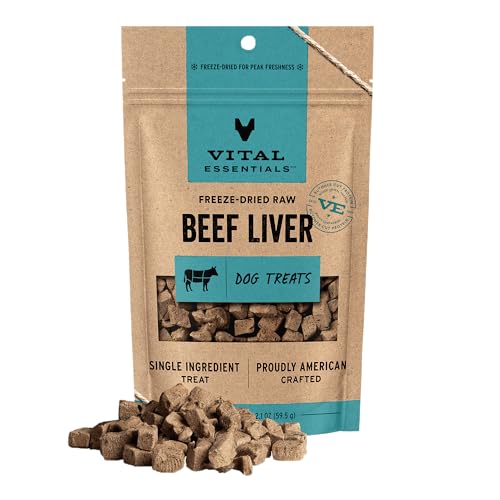
Proper nutrition is the foundation of your dog's health. The right diet supports energy levels, coat quality, immune function, and longevity. When selecting food, always look for AAFCO-approved complete-and-balanced formulas that match your dog’s life stage (puppy, adult, senior). High-quality animal protein (e.g., chicken, beef, lamb) should be the first ingredient.
Puppy Nutrition
Puppies need higher protein, fat, and DHA for brain development. Feed a specially formulated puppy food 3–4 times daily until 6 months. Learn about best puppy food options and follow a structured feeding schedule to prevent obesity.
Adult Dog Diet
Adult maintenance diets should match activity level. Active dogs may need higher calories; less active dogs require controlled portions. Explore complete dog food guide to decode ingredient labels and avoid fillers. Consider raw diet benefits and risks with vet guidance.
Senior Dog Nutrition
Senior dogs (7+ years) often need lower calories, joint supplements (glucosamine), and easily digestible protein. Read our senior dog diet guide and essential dog supplements to support aging joints and cognitive function.
⚡ Exercise & Mental Stimulation Needs
Regular exercise prevents obesity, reduces destructive behaviors, and strengthens your bond. Different breeds have different requirements: working and herding dogs need 1–2 hours of vigorous activity, while toy breeds may thrive on 30–45 minutes of play and walks. Learn more about breed-specific exercise needs.
- Daily walks: At least 30 minutes structured walking provides physical and sensory enrichment.
- Interactive play: Fetch, tug, and flirt poles burn energy and satisfy predatory instincts.
- Mental workouts: Puzzle toys, nose work, and training sessions tire dogs faster than physical exercise. See mental stimulation ideas.
- Seasonal adjustments: Follow summer safety tips and winter protection to keep your dog safe during extreme weather.
🛁 Grooming & Hygiene Essentials
Regular grooming is not just about looks – it prevents skin infections, detects lumps early, and keeps your dog comfortable. A consistent routine improves coat health and reduces shedding. Consult our complete grooming guide for breed-specific advice.
Brushing & Bathing
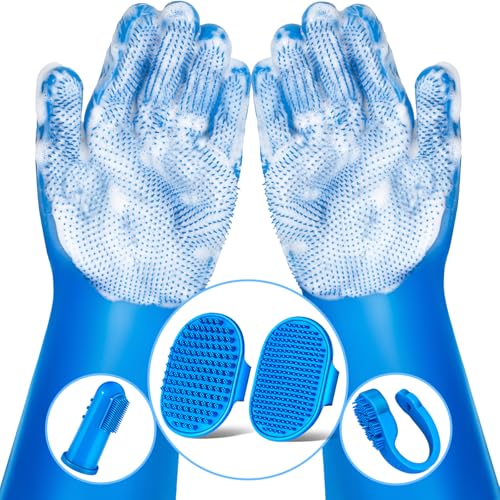
Brush short coats weekly, long/double coats daily during shedding season. Bathe every 2–3 months using dog-specific shampoo – overbathing strips natural oils. Learn how to bathe properly and choose the right best dog shampoo.
Nail & Ear Care
Trim nails every 2–4 weeks to avoid pain and joint issues. Clean ears weekly with vet-approved solution to prevent infections. Get tools like nail clippers and follow our ear cleaning guide.
Dental Hygiene
Dental disease is the most common health problem in adult dogs. Brush daily with enzymatic dog toothpaste and provide dental chews. Read dog dental care at home and consider professional cleanings.
🏥 Preventive Health & Vet Care
Prevention is always cheaper and more effective than treating advanced disease. Annual wellness exams, core vaccinations, and year-round parasite control are non-negotiable for responsible owners.
- Vaccinations: Rabies, distemper, parvovirus, and adenovirus are core. Follow the complete dog vaccination schedule.
- Parasite prevention: Fleas, ticks, heartworms, and intestinal parasites can cause severe illness. Use monthly preventives – read parasite prevention guide and heartworm prevention tips.
- Weight management: Over 50% of dogs are overweight. Use our weight management strategies and learn about joint health support for active seniors.
- Common conditions: Recognize signs of arthritis, allergies, and skin problems early to improve outcomes.
🎓 Positive Training & Behavior Basics
Training builds communication, trust, and safety. Use positive reinforcement (treats, praise, play) to teach desired behaviors. Avoid punishment, which increases fear and aggression. For step-by-step guides, explore dog training section.
- Essential commands: Sit, Stay, Come, Down, and Heel make daily life safer.
- Behavior problem solutions: Stop excessive barking, jumping, biting, destructive chewing, and digging with humane methods.
- Advanced training: For those interested in off-leash reliability, agility, or therapy dog work, start with solid fundamentals.
🧠 Decoding Dog Behavior
Many behavior problems stem from miscommunication or unmet needs. Learning to read canine body language prevents bites and reduces stress. Check out how to read dog body language and how dogs communicate.
If your dog shows aggression, severe anxiety, or destructive patterns, consider professional help. Our guides on managing dog aggression, signs of anxiety, and when to see a behaviorist can help. Calming products like anxiety wraps and pheromone diffusers may assist mild cases.
⚠️ Home Safety & Toxic Hazards
Every dog owner must know which common items are dangerous. Foods like chocolate, grapes, onions, and xylitol (artificial sweetener) can be fatal. Household chemicals, certain plants, and human medications pose serious risks. Review dangerous toxic foods for dogs and keep emergency numbers handy.
Invest in safety gear: a first aid kit, car harness, GPS tracker, and muzzle (for vet visits if needed) are wise purchases.