Dog Dental Cleaning: Complete Guide to Canine Oral Health
Discover proven techniques to clean your dog's teeth, recognize early signs of dental disease, and choose the best products for a lifetime of healthy smiles.
Periodontal disease is the most common clinical condition in adult dogs, affecting over 80% of pets by age three. Without proper dog dental cleaning, bacteria builds up under the gumline, leading to painful infections, tooth loss, and even damage to the heart, liver, and kidneys. The good news: most dental problems are entirely preventable with consistent home care and routine professional cleanings.
Whether you're a new puppy owner or caring for a senior dog, this guide walks you through everything you need to know — from daily dental care techniques to selecting the right toothbrush and toothpaste, understanding professional cleaning tiers, and recognizing when to see a veterinarian. By the end, you'll feel confident to start or improve your dog's oral hygiene routine.
🐾 Why Dental Health Is Critical for Dogs
Neglecting your dog's teeth doesn't just cause bad breath — it triggers a cascade of health issues. Plaque hardens into tartar within 48 hours, pushing gums away from teeth and creating pockets where bacteria thrive. These bacteria can enter the bloodstream and affect major organs.
- Pain & Infection: Diseased gums and loose teeth cause chronic pain, making eating difficult.
- Organ Damage: Oral bacteria can seed to the heart (endocarditis), liver, and kidneys.
- Shortened Lifespan: Studies show dogs with advanced dental disease live up to 2 years less.
- Behavior Changes: Irritability, withdrawal, or aggression due to oral pain.
Did you know?
By age 3, 80% of dogs show signs of periodontal disease. Daily brushing can reduce dental disease by up to 70% compared to dogs that never get their teeth brushed.
Prevention-First TierInvesting in dental care products is far more efficient over the long run than extractions and deep cleanings later. A simple daily routine takes only 2 minutes and adds years to your dog's life.
🚨 Recognize Early Signs of Dental Disease
Most dogs hide oral pain. Watch for these warning signals and schedule a veterinary dental exam if you notice any:
👃 Bad Breath
Persistent foul odor is the earliest sign of bacterial overgrowth and gum infection.
🟡 Yellow/Brown Tartar
Visible buildup on teeth, especially along the gumline.
🩸 Red or Bleeding Gums
Healthy gums are pink; redness or bleeding indicates gingivitis.
🍽️ Difficulty Eating
Dropping food, chewing on one side, or reluctance to eat crunchy kibble.
🐾 Pawing at Mouth
A sign of oral discomfort or loose teeth.
🦷 Loose or Missing Teeth
Advanced periodontitis leads to tooth loss and jawbone damage.
🪥 Step-by-Step: How to Clean Your Dog's Teeth at Home
Consistent home care is the cornerstone of oral health. Follow these proven steps to make teeth cleaning stress-free for both you and your dog. For puppies, start early using positive reinforcement – read our puppy training tips for building cooperation.
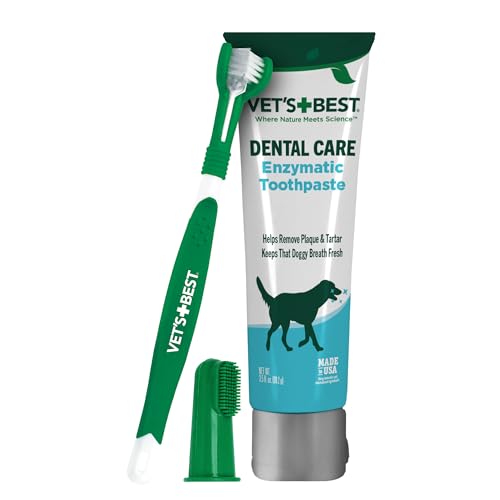
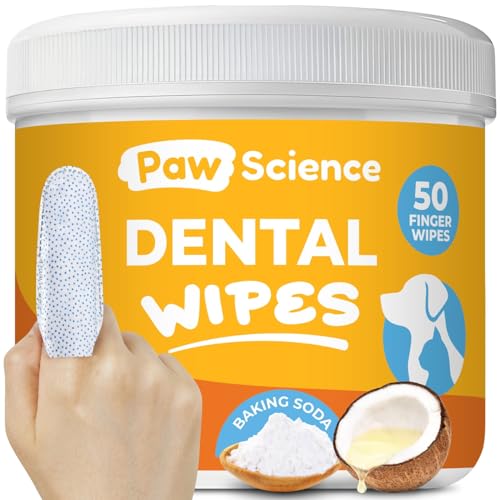
- Gather supplies: Dog-specific enzymatic toothpaste (never human), soft-bristled toothbrush or finger brush, dental wipes as alternative, and high-value treats.
- Desensitize your dog: Let them lick toothpaste from your finger. Gradually touch teeth and gums with your finger over several days.
- Introduce the brush: Apply toothpaste, lift the lip, and brush outer tooth surfaces using small circular motions. Focus on the gumline where plaque accumulates.
- Start slow: Brush just a few teeth the first sessions, always praising and rewarding. Increase coverage each day.
- Target the canines and molars: These accumulate the most tartar. For dogs resistant to brushing, use dental treats and water additives as supplementary aids.
- Establish a routine: Brush at the same time daily (ideally evening). Consistency makes it a habit.
🏥 Professional Dog Dental Cleaning: What to Expect
Even with excellent home care, most dogs need a veterinary dental cleaning every 12–18 months. Professional cleaning involves anesthesia, scaling above and below the gumline, polishing, and full mouth X-rays. Here's a breakdown of typical components and market tiers:
| Procedure Component | Description | Market Tier |
|---|---|---|
| Pre-anesthetic bloodwork | Ensures liver/kidney function safe for anesthesia | Essential Tier |
| Anesthesia & monitoring | Gas anesthesia with vital sign monitoring | Essential Tier |
| Scaling & polishing | Removal of plaque/tartar from all tooth surfaces | Mid-Tier |
| Dental X-rays | Reveals disease below gumline (abscesses, bone loss) | Premium Tier |
| Tooth extractions | Per tooth if severely diseased | High-End Tier |
Professional cleaning packages range from entry-level basic scaling and polishing to premium and high-end options that include digital X-rays, advanced monitoring, and complex extractions. Many pet insurance plans cover dental cleanings when paired with a wellness add-on. Schedule a dental exam with your vet to assess your dog's current oral health status and recommended tier of care.
🛒 Best Dog Dental Care Products
Choosing the right products makes daily cleaning easier and more effective. Below are popular product categories and their typical market positioning to expect when shopping for quality items.
Enzymatic Toothpaste
Dog-safe formulas with enzymes to break down plaque. No rinsing needed. Essential Tier
Dual-headed Toothbrush
Soft bristles angled to reach all surfaces. Finger brushes for sensitive dogs. Essential Tier
Dental Wipes
Pre-moistened wipes for dogs that reject brushes; great for small breeds. Mid-Tier
Water Additives
Added to drinking water to reduce bacteria and freshen breath. Mid-Tier
VOHC-Approved Chews
Dental chews that reduce plaque & tartar (look for Veterinary Oral Health Council seal). Mid-Tier
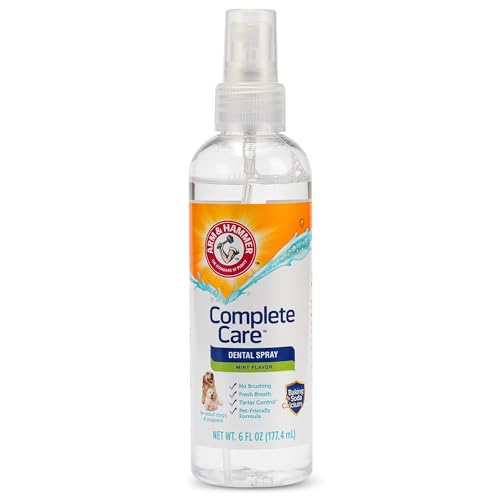
Dental Sprays/Gels
Easy no-brush option, sprayed directly onto teeth. Essential Tier
Remember: Check our product recommendations section below for specific top-rated items vetted by our team. Combining brushing, dental chews, and annual vet checks yields the best outcomes.
📅 Optimal Dental Care Schedule by Age
Puppies (2–12 months)
- Start gentle finger brushing 2–3x/week
- Use only puppy-safe toothpaste
- Introduce dental toys & chews
- First veterinary oral exam by 6 months
Adult Dogs (1–7 years)
- Brush daily (gold standard)
- Dental chews or water additives as supplement
- Professional cleaning every 12–18 months
- Monitor for bad breath/tartar
Senior Dogs (7+ years)
- Brush daily, but gentle on sensitive gums
- Annual bloodwork before anesthesia for cleanings
- More frequent vet dental exams (every 6 months)
- Soft diet if missing teeth; use dental supplements if needed
❌ Common Dog Dental Care Mistakes
- Using human toothpaste: Contains xylitol, fluoride, and detergents toxic to dogs. Always use canine enzymatic paste.
- Only relying on dental chews: Chews reduce tartar by a moderate percentage but cannot replace brushing, which removes plaque biofilm effectively.
- Brushing only the front teeth: Molars and canines collect the most tartar. Lift the lip and reach back teeth.
- Skipping vet dental exams: Hidden disease under the gumline requires X-rays and professional scaling.
- Waiting for obvious symptoms: By the time a dog shows pain or stops eating, periodontal disease is advanced. Prevention starts early.
- Using old toothbrushes: Replace brush every 3 months or when bristles fray to avoid bacterial buildup.
❓ Frequently Asked Questions
Implement a daily brushing routine using dog-safe products, supplement with dental chews, and schedule a veterinary dental exam every year. The effort you put into dog dental cleaning will reward you with a healthier, happier companion and fewer vet visits over their lifetime.