Dog Vitamins & Supplements: The Complete Guide
Everything you need to know about dog vitamins and supplements — which ones actually work, which are a waste of money, and how to choose safe, effective products for your dog's specific health needs.
Walk into any pet store and you will find shelves overflowing with dog vitamins, supplements, powders, chews, and oils — all promising to improve your dog's health, energy, coat, joints, digestion, and lifespan. The global pet supplement market has exploded in recent years, and it can be overwhelming to figure out what your dog actually needs versus what is just clever marketing.
The truth is that some supplements are genuinely beneficial and backed by solid veterinary research, while others are unnecessary for most dogs or even potentially harmful. This guide will help you separate fact from fiction so you can make informed decisions about your dog's health and supplement routine. Whether you are looking to support a senior dog with joint issues, boost your puppy's immune system, or simply ensure your adult dog is getting complete nutrition, the information here will guide you toward the right choices.
Why Dog Vitamins and Supplements Matter
Dogs have specific nutritional requirements that differ significantly from humans. They need a precise balance of proteins, fats, carbohydrates, vitamins, minerals, and water to thrive. While a high-quality commercial dog food that meets AAFCO (Association of American Feed Control Officials) standards should provide complete and balanced nutrition for most healthy dogs, there are situations where a dog's diet may fall short or where targeted supplementation can provide meaningful health benefits.
Nutritional gaps can occur for several reasons. Dogs on homemade diets may not receive the right balance of vitamins and minerals unless the recipes are formulated by a veterinary nutritionist. Senior dogs may have reduced absorption of certain nutrients. Dogs with medical conditions like kidney disease, liver disease, or gastrointestinal disorders may have increased nutritional needs or difficulty absorbing nutrients from food. Additionally, some dogs simply have higher requirements for specific nutrients due to genetics, breed predispositions, or lifestyle factors.
Understanding the role of specific vitamins and minerals in your dog's body helps you make informed decisions. For example, calcium and phosphorus are critical for bone health, but an imbalance can cause serious skeletal problems in growing puppies. Vitamin E and omega-3 fatty acids support skin and coat health and have anti-inflammatory properties. B vitamins support energy metabolism and nervous system function. Glucosamine and chondroitin, while not technically vitamins, are popular supplements that support joint cartilage health and are especially beneficial for dogs with arthritis or those predisposed to joint issues.
Key Point: Supplements are designed to supplement — not replace — a complete and balanced diet. No amount of vitamins can compensate for poor-quality food or an underlying medical condition. Always address the foundation first.
Does Your Dog Actually Need Supplements?
This is the most important question to answer before spending money on any supplement. The reality is that many healthy dogs eating a high-quality commercial diet do not need additional vitamins or supplements. Their nutritional needs are already being met by their food, and adding more can be unnecessary or even harmful.
However, there are specific situations where supplementation is clearly beneficial or even essential. The following categories of dogs are most likely to benefit from targeted supplementation:
- Dogs on homemade or raw diets: Unless the diet was formulated by a veterinary nutritionist, it is likely deficient in one or more essential nutrients. Common gaps include calcium, phosphorus, zinc, vitamin D, and B vitamins. Dogs on raw diets especially need careful supplementation to avoid serious nutritional deficiencies.
- Senior dogs: As dogs age, their ability to absorb and utilize nutrients declines. They often benefit from joint support supplements, omega-3 fatty acids for cognitive function, and sometimes B vitamins for energy and nervous system health. Senior dogs with reduced appetite may also benefit from soft or specially formulated foods combined with supplements.
- Puppies and growing dogs: Large breed puppies have very specific calcium and phosphorus requirements to prevent developmental orthopedic diseases. They should receive puppy-specific food and only supplements recommended by a veterinarian.
- Pregnant and nursing dogs: These dogs have significantly increased nutritional demands. They need higher calories and specific nutrient support to support fetal development and milk production.
- Dogs with medical conditions: Dogs with kidney disease, liver disease, heart disease, cancer, inflammatory bowel disease, or pancreatitis often have altered nutritional needs and may require specific supplements as part of their treatment plan.
- Dogs with skin or coat problems: Dogs with dull coats, excessive shedding, dry skin, or allergies often benefit from omega-3 fatty acids, vitamin E, and zinc supplementation. Some may also need a specialized diet alongside supplements.
- Dogs with joint issues: Large breeds, senior dogs, and dogs with confirmed arthritis or hip dysplasia often benefit from glucosamine, chondroitin, MSM, and omega-3 supplements. These are among the most well-researched supplements in veterinary medicine.
- Active and working dogs: Dogs who participate in agility, herding, sledding, or other intense activities have higher energy and nutrient demands. They may benefit from additional omega-3s, antioxidants, and joint support.
Before You Buy: The single most important step before starting any supplement is a conversation with your veterinarian. They can assess your dog's individual needs, review their diet, check for underlying health conditions, and recommend specific products or dosages. Self-prescribing supplements based on internet research alone can lead to wasted money or, in some cases, harm to your dog.
Types of Dog Vitamins and Supplements
Dog supplements come in many forms, each with specific purposes and target health areas. Understanding the major categories helps you focus your research and purchasing decisions on what your dog actually needs.
Multivitamins & Mineral Formulas
Broad-spectrum products containing a range of vitamins and minerals. Best for dogs on homemade diets or those with confirmed nutritional gaps. Quality varies widely — look for products formulated by veterinary nutritionists and third-party tested.
Entry-level to premiumJoint Health Supplements
Contain glucosamine, chondroitin, MSM, green-lipped mussel, and sometimes hyaluronic acid. Support cartilage health, reduce inflammation, and improve mobility. Especially beneficial for large breeds, seniors, and dogs with arthritis.
Mid-range to premiumOmega-3 Fatty Acids
Fish oil, krill oil, and algal oil are rich in EPA and DHA. Support skin and coat health, reduce inflammation, benefit heart and kidney function, and support cognitive health in senior dogs. Among the most research-backed supplements.
Mid-range to top-tierProbiotics & Digestive Enzymes
Support gut health, improve nutrient absorption, and strengthen the immune system. Beneficial for dogs with digestive issues, after antibiotic treatment, or during periods of stress. Look for products with guaranteed live cultures and CFU counts.
Mid-rangeSkin & Coat Supplements
Often combine omega-3s, vitamin E, biotin, and zinc. Address dry skin, excessive shedding, dull coat, and some allergy symptoms. Best results when combined with a high-quality diet that addresses underlying issues.
Budget-friendly to premiumCalming & Anxiety Supplements
Contain ingredients like L-theanine, chamomile, valerian root, melatonin, and colostrum. Support dogs with situational anxiety or stress. For severe anxiety, combine with behavior modification and veterinary guidance.
Mid-rangeDental Health Supplements
Plaque-reducing powders, water additives, and dental chews that help control tartar and bad breath. Best used alongside regular brushing with a dog toothbrush and professional cleanings.
Entry-level to mid-rangeHeart & Organ Support
Contain taurine, L-carnitine, CoQ10, and omega-3s. Often recommended for dogs with heart conditions or breeds predisposed to cardiac issues. Should only be used under veterinary supervision.
Premium to luxuryJoint Health Supplements: The Most Important Category
Joint disease is one of the most common and debilitating conditions affecting dogs, especially larger breeds and seniors. Osteoarthritis affects an estimated 20% of adult dogs and up to 80% of dogs over age 8. The pain and mobility loss associated with joint disease significantly impact quality of life, and treatment can be expensive. Joint supplements are therefore among the most valuable and widely used supplements in veterinary medicine.
The key ingredients in joint supplements work through different mechanisms. Glucosamine and chondroitin provide building blocks for cartilage repair and help maintain joint cushioning. MSM (methylsulfonylmethane) is an organic sulfur compound with anti-inflammatory properties. Green-lipped mussel contains glycosaminoglycans and omega-3s that support joint health and reduce inflammation. Hyaluronic acid helps lubricate joints and improve shock absorption.
What the Research Shows
Glucosamine and chondroitin are among the most studied supplements in veterinary medicine. While research results are mixed — partly because study designs, dosages, and product quality vary widely — many veterinarians report clinical improvement in dogs receiving these supplements, particularly when started early in the disease process. Omega-3 fatty acids have stronger evidence for reducing joint inflammation and pain.
The key to effective joint supplementation is starting early and being consistent. Supplements are not pain medications — they will not provide immediate relief. Instead, they support joint health over time, potentially slowing disease progression and reducing the need for stronger medications. For dogs with significant pain, joint supplements work best alongside veterinary-prescribed pain management, weight management, and appropriate exercise.
Weight Management Matters Most: If your dog is overweight, the single most effective thing you can do for their joints is help them achieve a healthy weight. Every extra pound puts additional stress on joints. Combine joint supplements with a weight management plan and appropriate low-impact exercise for the best results.
Choosing a Joint Supplement
- Look for therapeutic dosages: Many products contain token amounts of active ingredients. Research suggests effective daily doses of glucosamine are around 15-20 mg per pound of body weight, and chondroitin around 10-15 mg per pound. Check labels carefully.
- Choose combination formulas: Products containing glucosamine, chondroitin, MSM, and omega-3s tend to be more effective than single-ingredient products because they address multiple aspects of joint health.
- Consider green-lipped mussel: This New Zealand shellfish contains a unique combination of glycosaminoglycans, omega-3s, and antioxidants that support joint health. Some studies show it is as effective as glucosamine and chondroitin.
- Check for third-party testing: The supplement industry is loosely regulated. Choose brands that voluntarily submit to third-party testing for purity, potency, and safety.
- Start with a loading phase: Many veterinarians recommend doubling the maintenance dose for the first 4-6 weeks to build up levels in the body, then reducing to the maintenance dose.
Skin, Coat, and Allergy Support Supplements
Skin problems are among the most common reasons dog owners seek veterinary care. From dry, flaky skin and excessive shedding to hot spots, allergies, and chronic itching, skin issues cause significant discomfort and can be frustrating to manage. While underlying causes like allergies, parasites, or hormonal imbalances require veterinary diagnosis and treatment, certain supplements can support skin health and reduce symptoms.
Omega-3 fatty acids are the cornerstone of skin and coat supplementation. EPA and DHA, found in fish oil and krill oil, have anti-inflammatory properties that can reduce itching and inflammation associated with allergies and other skin conditions. They also support the skin's natural moisture barrier and promote a shiny, healthy coat. Many dogs show visible improvement in coat condition within 3-6 weeks of starting omega-3 supplementation.
Vitamin E is another important nutrient for skin health. It works as an antioxidant, protecting skin cells from damage and supporting the immune system. Zinc supports skin healing and is often deficient in dogs with certain skin conditions. Biotin, a B vitamin, supports keratin production for healthy skin, coat, and nails. Some dogs with skin issues benefit from a specialized diet alongside supplementation.
Signs Your Dog May Benefit from Skin Supplements
- Dull, dry, or brittle coat
- Excessive shedding beyond normal seasonal changes
- Dry, flaky, or scaly skin
- Chronic itching or scratching
- Redness or inflammation of the skin
- Recurring hot spots or skin infections
- Slow wound healing
- Brittle or cracked paw pads
Key Ingredients to Look For
- Fish oil (EPA/DHA): 200-400 mg combined EPA/DHA per 10 lbs body weight daily
- Vitamin E: 50-100 IU per 10 lbs body weight daily
- Zinc: 1-2 mg per lb body weight daily (do not exceed without veterinary guidance)
- Biotin: 100-500 mcg per 10 lbs body weight daily
- Krill oil: Alternative to fish oil with better absorption in some dogs
- Flaxseed oil: Plant-based omega-3 source, though less efficiently converted by dogs than animal sources
Digestive and Immune Health Supplements
The gut is the command center for your dog's overall health. A healthy digestive system properly absorbs nutrients, maintains a strong immune barrier against pathogens, and supports overall vitality. When the gut microbiome is out of balance — due to illness, antibiotics, stress, or poor diet — dogs can experience diarrhea, constipation, gas, bloating, and weakened immunity.
Probiotics introduce beneficial bacteria to the gut, helping restore and maintain a healthy microbial balance. They are particularly beneficial after antibiotic treatment (which kills both harmful and beneficial bacteria), during periods of stress like travel or boarding, and for dogs with chronic digestive issues. Look for products with multiple strains of bacteria, guaranteed live cultures, and high CFU (colony-forming unit) counts — typically 1 to 10 billion CFU daily for dogs.
Prebiotics are non-digestible fibers that feed beneficial gut bacteria. Ingredients like inulin, FOS (fructooligosaccharides), and psyllium husk are common prebiotics. Many high-quality probiotic supplements include prebiotics as well — these are called synbiotics. Digestive enzymes help break down food so nutrients can be absorbed more efficiently. Dogs with exocrine pancreatic insufficiency (EPI) or other conditions that impair digestion may need prescription-strength enzymes.
Probiotic Tip: Always introduce probiotics gradually over several days to avoid digestive upset. Start with a quarter of the recommended dose and increase slowly. Store probiotics according to label instructions — many require refrigeration to maintain potency. Check expiration dates and avoid products close to expiry.
Other Immune-Supporting Supplements
- Colostrum: The first milk produced by mammals, rich in immunoglobulins, growth factors, and antimicrobial compounds. Supports immune function and gut health.
- Beta-glucans: Found in yeast cell walls and medicinal mushrooms, these compounds stimulate immune cells and help the body fight infections.
- Medicinal mushrooms: Reishi, shiitake, maitake, and turkey tail support immune function and have adaptogenic properties that help the body cope with stress.
- Vitamin C: An antioxidant that supports immune function. Dogs synthesize their own vitamin C, but supplementation may benefit dogs under stress or with certain health conditions.
- Vitamin D: Important for immune function and calcium regulation. Deficiency is common in dogs and may contribute to various health problems. Test before supplementing.
Multivitamins and Daily Nutrition Support
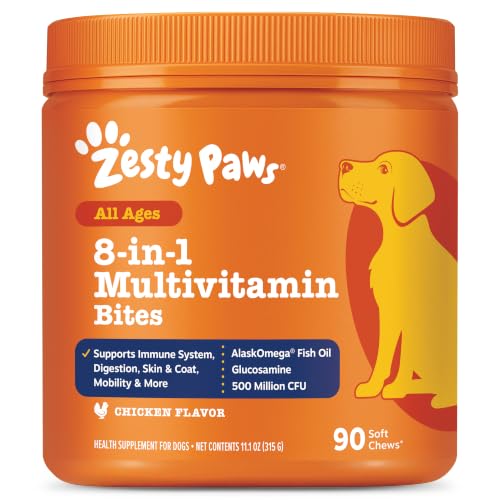
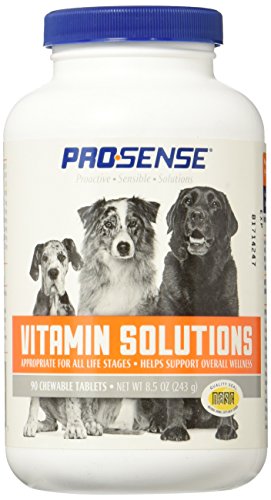
Multivitamins for dogs are broad-spectrum supplements designed to fill nutritional gaps and provide a range of vitamins and minerals in a single product. They are most beneficial for dogs on homemade diets that may not be complete and balanced, dogs with increased nutritional demands, and dogs recovering from illness. For healthy dogs eating high-quality commercial food, multivitamins are generally unnecessary and can even be harmful if they lead to excessive intake of certain nutrients.
The risk of over-supplementation is real and should not be underestimated. Fat-soluble vitamins (A, D, E, K) are stored in the body and can accumulate to toxic levels. Excessive calcium can cause skeletal problems in growing puppies. Too much zinc can interfere with copper absorption and cause anemia. Too much vitamin D can cause kidney damage. This is why a "more is better" approach to vitamins is dangerous — more can definitely be worse.
Important: Never give your dog a multivitamin if they are already eating a complete and balanced commercial diet unless your veterinarian specifically recommends it. The risk of nutrient toxicity or imbalance usually outweighs any potential benefit. If you feed a homemade diet, work with a veterinary nutritionist to formulate a balanced recipe rather than relying on a generic multivitamin to fill gaps.
What to Look for in a Dog Multivitamin
- AAFCO compliance: The product should meet AAFCO nutrient profiles for your dog's life stage, or clearly state it is a supplement (not a complete food).
- Veterinary formulation: Products formulated by board-certified veterinary nutritionists are more likely to have appropriate nutrient levels and ratios.
- Third-party testing: Independent testing ensures the product contains what the label claims and is free from contaminants.
- Appropriate for life stage: Puppy, adult, and senior dogs have different nutritional needs. Choose a product designed for your dog's age group.
- Avoid unnecessary ingredients: Look for products without artificial colors, flavors, preservatives, or excessive fillers.
- Check the calcium and phosphorus levels: These minerals must be in the correct ratio, especially for growing puppies. An imbalance can cause serious skeletal problems.
How to Choose Safe and Effective Dog Supplements
The supplement industry is not as tightly regulated as the pharmaceutical industry. In the United States, dog supplements fall under the same regulatory category as human dietary supplements, which means they can be sold without pre-market approval for safety or effectiveness. This makes it essential for consumers to do their homework and choose products from reputable manufacturers.
Here are the key factors to evaluate when choosing any dog supplement:
- Research the manufacturer: Choose brands with established reputations, transparent manufacturing practices, and a history of quality control. Brands that employ veterinary nutritionists and conduct their own research are generally more trustworthy.
- Look for third-party testing: Independent testing by organizations like the National Animal Supplement Council (NASC) or consumer labs provides assurance that the product contains what it claims and is free from contaminants like heavy metals, bacteria, and pesticides.
- Check the ingredient list carefully: Look for specific, named ingredients rather than vague terms like "proprietary blend." Avoid products with artificial colors, flavors, or preservatives. Be wary of excessive fillers like cellulose, silica, or magnesium stearate in large amounts.
- Verify the dosage: Many supplements contain effective ingredients but in doses too low to provide benefits. Research the clinically effective dosage for the condition you are addressing and ensure the product provides it.
- Consider the form: Supplements come in powders, capsules, tablets, soft chews, liquids, and oils. Choose a form your dog will actually consume. Palatability matters — a great supplement that your dog refuses to eat is worthless.
- Check expiration dates and storage requirements: Some supplements, especially probiotics and omega-3 oils, lose potency over time or when exposed to heat and light. Choose products with sufficient shelf life and follow storage instructions.
- Ask for the Certificate of Analysis (CoA): Reputable manufacturers can provide a CoA from a third-party lab showing the product's potency and purity. If a company won't provide this, be suspicious.
- Look for NASC seal: The National Animal Supplement Council seal indicates the product meets quality standards for labeling, manufacturing, and adverse event reporting.
| Quality Indicator | What to Look For | Red Flags |
|---|---|---|
| Manufacturer reputation | Established brand, transparent practices, veterinary involvement | Unknown brand, no contact info, no website |
| Third-party testing | NASC seal, CoA available, independent lab results | No testing mentioned, refusal to provide CoA |
| Ingredient list | Specific ingredients, clear quantities, minimal fillers | Proprietary blends, artificial colors, vague terms |
| Dosage | Clinically effective doses, clear feeding instructions | Underdosed active ingredients, vague serving sizes |
| Form and palatability | Easy to administer, dogs accept it willingly | Difficult to hide, dogs refuse to eat it |
| Expiration and storage | Clear expiration date, proper storage guidance | No date, vague storage instructions |
Risks of Supplementation and When to Avoid
While the right supplements can provide real benefits, the wrong ones — or the wrong dosages — can cause harm. Understanding the risks helps you make safer choices and know when to avoid supplementation altogether.
Potential Risks of Dog Supplements
- Nutrient toxicity: Fat-soluble vitamins (A, D, E, K) accumulate in the body and can reach toxic levels. Excessive vitamin D causes kidney damage; too much vitamin A can cause bone abnormalities and liver damage.
- Nutrient interactions: High doses of one nutrient can interfere with the absorption or utilization of another. For example, excess zinc interferes with copper absorption, and excess calcium interferes with phosphorus and zinc absorption.
- Gastrointestinal upset: Some supplements, especially those with certain fillers or high doses of certain ingredients, can cause vomiting, diarrhea, or loss of appetite.
- Allergic reactions: Dogs can be allergic to ingredients in supplements just as they can to food ingredients. Watch for signs of allergic reaction like itching, hives, swelling, or difficulty breathing.
- Contamination: Poorly manufactured supplements may contain heavy metals, bacteria, pesticides, or other contaminants. Third-party testing reduces this risk.
- Masking underlying conditions: Relying on supplements to treat symptoms without addressing the underlying cause can delay proper veterinary diagnosis and treatment.
- Drug interactions: Supplements can interact with prescription medications, either reducing their effectiveness or increasing the risk of side effects. Always tell your veterinarian about all supplements your dog is taking.
When You Should NOT Give Supplements
- Healthy dogs on complete and balanced commercial diets: If your dog is healthy and eating a high-quality food that meets AAFCO standards, they likely do not need supplements unless your veterinarian recommends them for a specific reason.
- Without veterinary guidance: Never start a supplement based on internet research alone. Your veterinarian can assess your dog's individual needs, check for interactions with medications, and recommend appropriate dosages.
- As a substitute for veterinary care: Supplements are not treatments for medical conditions. If your dog has a health problem, see a veterinarian for proper diagnosis and treatment first.
- When the supplement contains toxic ingredients: Some supplements, especially those marketed for humans, contain ingredients that are toxic to dogs. Xylitol, for example, is extremely dangerous for dogs and is found in some human supplements and chewable vitamins.
- During pregnancy or nursing: Unless specifically formulated and recommended by a veterinarian for pregnant or nursing dogs, supplements can harm developing puppies or pass into milk and affect newborns.
- For growing puppies: Puppies have very specific nutritional needs. Unbalanced supplementation, especially of calcium and phosphorus, can cause serious skeletal problems. Puppies should receive puppy food and only supplements recommended by a veterinarian.
Emergency Warning: If you suspect your dog has ingested a toxic dose of any vitamin or supplement, contact your veterinarian or a pet poison control hotline immediately. Signs of vitamin toxicity include vomiting, diarrhea, lethargy, loss of appetite, increased thirst and urination, tremors, seizures, and collapse. Do not wait for symptoms to worsen — early treatment is critical.
Frequently Asked Questions About Dog Vitamins
The Bottom Line on Dog Vitamins
Supplements can play a valuable role in supporting your dog's health when used appropriately. The key is to match the supplement to your dog's specific needs, choose high-quality products from reputable manufacturers, and always work with your veterinarian to ensure safety and effectiveness. For most healthy dogs eating a complete and balanced diet, the best investment is not a shelf full of supplements but rather high-quality food, regular exercise, appropriate veterinary care, and plenty of love and attention.
If you have specific concerns about your dog's health — whether joint issues, skin problems, digestive troubles, or anything else — start with a veterinary visit for proper diagnosis. Your vet can recommend targeted supplements that address the root cause of the problem rather than just masking symptoms. And remember, supplements work best as part of a comprehensive approach that includes proper nutrition, weight management, exercise, and regular veterinary care.