Dog Vaccinations: Essential Protection for Your Canine Companion
Complete guide to core vaccines, puppy schedules, adult boosters, costs, and safety – everything you need to make informed decisions about your dog's immunization.
Vaccinations are one of the most effective ways to protect your dog from severe, often fatal infectious diseases. Yet many owners are confused about which vaccines are necessary, how often they're needed, and what the real risks and benefits are. This guide provides the evidence-based answers you need to work with your veterinarian and keep your dog protected for life.
Core vs. Non‑Core Vaccines: What Your Dog Really Needs
Veterinarians categorize vaccines based on every dog's risk of exposure and disease severity. Understanding the difference helps you avoid over‑vaccination while ensuring essential protection.
✅ Core Vaccines (Recommended for all dogs)
- Rabies: Legally required in most regions. Fatal to dogs and transmissible to humans. First dose at 12–16 weeks, booster at 1 year, then every 1–3 years depending on local law.
- Distemper (CDV): Highly contagious, often fatal. Causes respiratory, GI, and neurological symptoms. Part of DHPP combination.
- Canine Parvovirus (CPV): Extremely hardy virus causing severe bloody diarrhea, vomiting, dehydration. Puppies are most vulnerable. Part of DHPP.
- Canine Adenovirus (CAV-2): Protects against infectious hepatitis and respiratory disease. Part of DHPP.
- Parainfluenza: One cause of kennel cough. Included in DHPP.
🟡 Non‑Core Vaccines (Based on lifestyle/risk)
- Bordetella bronchiseptica: Primary cause of kennel cough. Recommended for dogs that board, go to daycare, groomers, or dog parks.
- Leptospirosis: Bacterial disease from wildlife urine. Risk increases for dogs who hike, swim, or live near wooded/rural areas.
- Lyme disease: Transmitted by deer ticks. Recommended in endemic regions (Northeast, Midwest, West Coast).
- Canine Influenza (H3N8/H3N2): Highly contagious respiratory virus. Outbreak risk in social settings.
- Rattlesnake vaccine: Regional – for dogs at high risk of snake encounters.
Puppy Vaccination Schedule: First Year Protection
Puppies receive maternal antibodies from their mother's milk, but these antibodies decline between 6–16 weeks of age. The vaccine series ensures protection as maternal immunity fades. All core vaccines are typically given in a combination shot (DHPP).
| Puppy Age | Recommended Vaccines | Notes |
|---|---|---|
| 6–8 weeks | DHPP (Distemper, Hepatitis, Parvovirus, Parainfluenza) | First dose; maternal antibodies may interfere. |
| 10–12 weeks | DHPP (booster) | Second dose; immune response strengthens. |
| 14–16 weeks | DHPP (final puppy dose) + Rabies | Rabies required by law; final DHPP sets foundation. |
| 12–16 weeks (optional) | Leptospirosis, Lyme, Bordetella (as needed) | Depending on lifestyle/risk assessment. |
| 1 year (12 months) | DHPP + Rabies booster | First annual booster; then DHPP every 3 years, Rabies per law. |
🐾 Socialization vs. Safety: Puppies need socialization before full vaccination. Enroll in puppy socialization classes that require proof of first vaccines and use sanitized surfaces. Avoid dog parks and high-traffic areas until 1-2 weeks after the 16‑week booster. Check our complete puppy guide for balanced early life care.
Adult & Senior Dog Boosters: Maintaining Immunity
After the initial puppy series and one‑year booster, vaccination intervals extend. Current veterinary guidelines (AAHA) recommend DHPP boosters every 3 years for adult dogs. Rabies schedule depends on local law (1‑year or 3‑year vaccine). Non‑core vaccines are given based on continued risk assessment.
- Healthy adult dogs (1–7 years): Triennial DHPP, rabies as required. Annual wellness exam to reassess non‑core needs.
- Senior dogs (7+ years): Vaccination decisions should consider current health status. Most seniors still benefit from core vaccines if they have been regularly vaccinated. Titer testing can help determine if a booster is needed.
- Boarding, daycare, travel: Many facilities require bordetella every 6–12 months and possibly canine influenza. Plan ahead before scheduling services.
Vaccine Side Effects: What's Normal & When to Worry
Serious vaccine reactions are rare, but mild side effects occur in a small percentage of dogs. Knowing what to expect helps you respond appropriately.
Common mild reactions (24–48 hrs):
- Lethargy or sleepiness
- Mild fever (103°F or less)
- Slight decrease in appetite
- Tenderness or small lump at injection site
These typically resolve without treatment. Encourage rest and hydration.
Severe allergic reactions (immediate to few hours):
- Facial swelling (lips, eyelids, ears)
- Hives (raised welts on skin)
- Vomiting or diarrhea
- Difficulty breathing
- Collapse
Seek emergency vet care immediately. Pre‑vaccination antihistamines may be given for at‑risk dogs.
How Much Do Dog Vaccinations Cost? (Realistic Pricing)
Vaccination costs vary by region, clinic type (private vs. low‑cost clinics), and whether you combine with an exam. Below are typical U.S. prices as of 2026:
- Puppy initial series (3 DHPP visits + rabies): $75–$150 (exam fees may add $40–$60/visit if not using vaccine clinics)
- Annual adult core vaccines (DHPP + rabies if due): $50–$100 (including vet exam)
- Rabies vaccine only: $15–$35 (1‑year); $25–$50 (3‑year)
- Bordetella (kennel cough): $20–$45 (intranasal or injectable)
- Leptospirosis vaccine: $20–$40 per dose (requires booster 2‑4 weeks later initially)
- Lyme vaccine: $30–$50 per dose (initial 2‑dose series, then annual)
- Low‑cost vaccine clinics (e.g., Tractor Supply, Petco, shelter events): $10–$25 per vaccine, no exam fee
Many owners save money by using wellness plans or pet insurance that covers preventive care. Check with local animal shelters – they often offer affordable community clinics.
Herd Immunity & Why Community Protection Matters
When enough dogs in a community are vaccinated, diseases cannot spread easily, protecting those who cannot be vaccinated (puppies too young, immunocompromised dogs, or those with vaccine allergies). For example, parvovirus is extremely contagious – vaccination rates below 70% lead to outbreaks. By vaccinating your dog, you contribute to the safety of every dog in your neighborhood. Responsible dog owners also ensure their parasite prevention and general health are up to date.
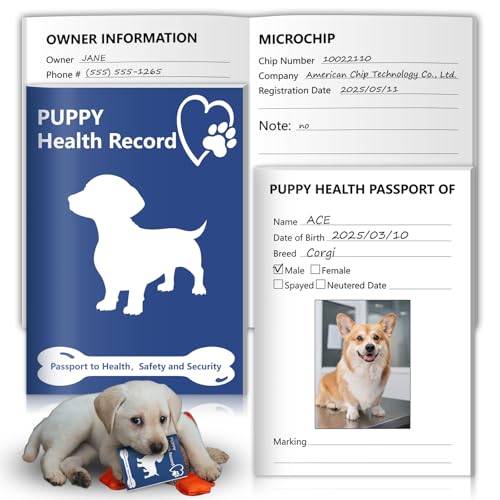
💡 Smart owner checklist: Keep a vaccination record signed by your vet. Many boarding, daycare, and training facilities require proof. If you adopt or buy a puppy from a reputable breeder, ask for initial vaccination records and schedule remaining boosters immediately. Always rely on veterinary advice tailored to your dog's breed, lifestyle, and local disease prevalence.