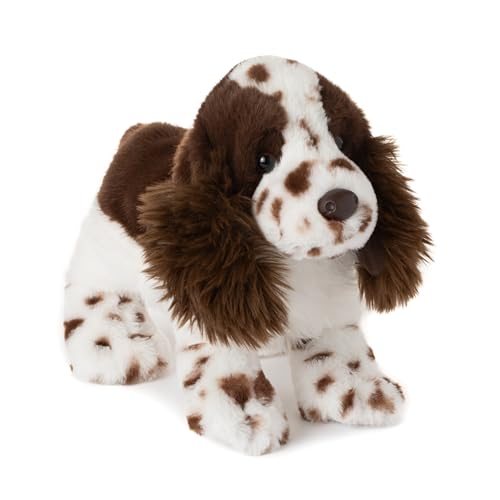
Spaniel Breeds: A Complete Guide to These Loving Companion Dogs
Spaniels are among the most affectionate, versatile, and family-friendly dog breeds in the world. From the gentle Cavalier King Charles Spaniel to the energetic English Springer Spaniel, this guide will help you understand the unique traits, care requirements, and temperaments of the most popular spaniel breeds so you can choose the perfect companion for your lifestyle.
What Makes a Spaniel a Spaniel?
Spaniels are a group of gundog breeds that originated in Europe, primarily in Spain and England, hence the name derived from the Old French word "espaignol" meaning Spanish. Historically, these dogs were bred to flush game birds from thick brush and retrieve them for hunters. This working heritage has left spaniels with several defining characteristics that remain strong today.
What truly sets spaniels apart is their temperament. They are famously affectionate, eager to please, and highly social dogs that form deep bonds with their families. Unlike some working breeds that are aloof or independent, spaniels thrive on human companionship and can suffer from separation anxiety if left alone for long periods. They are also highly trainable, intelligent, and generally good with children and other pets when properly socialized.
Physically, spaniels are characterized by their medium-sized builds, long floppy ears, and often feathered coats. Their expressive eyes and gentle expressions have made them popular companions and show dogs. The breed group includes both field-bred lines (bred for hunting, often with more energy and less exaggerated features) and show-bred lines (bred for conformation, with more profuse coats and calmer temperaments). Understanding which line a puppy comes from is crucial when selecting a spaniel, as the energy levels and care requirements can differ significantly.
Did You Know?
Spaniels are generally classified into two main groups: land spaniels (like the Cocker and Springer) and water spaniels (like the American Water Spaniel). Land spaniels are the most common and include the breeds most people think of when they hear "spaniel."
Most Popular Spaniel Breeds
The spaniel family includes several distinct breeds, each with its own personality, appearance, and care requirements. Below are the most well-known spaniel breeds, along with their key traits and recommended tier for families and individuals.
Cavalier King Charles Spaniel
The quintessential companion spaniel
The Cavalier is the smallest and most laid-back of the popular spaniels. They were bred purely for companionship and are happiest sitting on a lap or following their owner from room to room. Despite their gentle nature, they retain a playful spark and enjoy short bursts of activity. They are excellent with children, the elderly, and other pets, making them a top choice for first-time dog owners and apartment dwellers. Their silky, medium-length coat requires regular brushing, and their large, round eyes and sweet expression have made them one of the most beloved toy breeds in the world.
- Toy group
- Gentle & affectionate
- Low exercise
- Great with kids
English Cocker Spaniel
The merry, energetic gundog
The English Cocker is a medium-sized spaniel known for its boundless enthusiasm and "merry" disposition. They are highly active, intelligent, and thrive when given a job to do, whether that is retrieving a ball, participating in dog sports, or simply hiking with their family. They are affectionate and loyal but can be prone to selective hearing if not trained consistently. Their coat is silky and requires regular grooming, particularly around the ears and feet. They are a wonderful match for active families who enjoy outdoor adventures.
- Sporting group
- Energetic & merry
- High exercise
- Highly trainable
English Springer Spaniel
The versatile all-around athlete
The English Springer Spaniel is the largest of the common spaniels and arguably the most versatile. Field-bred Springers are tireless workers with immense stamina, while show-bred lines are slightly calmer but still require plenty of exercise. They excel in obedience, agility, and field trials. They are deeply devoted to their families and are known for their friendly, eager-to-please nature. Springers are excellent with children and other dogs, but their high energy means they are best suited to homes with a yard or owners committed to daily vigorous exercise.
- Sporting group
- Intelligent & driven
- Very high exercise
- Excellent family pet
American Cocker Spaniel
The glamorous show-stopper
The American Cocker Spaniel is distinct from its English cousin, featuring a rounder head, shorter muzzle, and a much more profuse, glamorous coat. They are sweet, playful, and affectionate, making them wonderful family pets. However, their heavy coat requires significant grooming commitment—daily brushing is often necessary to prevent matting. They are generally good with children and other pets, though they can be sensitive to rough handling. The American Cocker is a great choice for owners who are willing to invest time in coat care and moderate daily exercise.
- Sporting group
- Sweet & playful
- Moderate exercise
- High grooming needs
Welsh Springer Spaniel
The ancient, loyal worker
The Welsh Springer Spaniel is one of the oldest spaniel breeds, recognizable by its rich red and white coat. They are active, affectionate, and devoted dogs that form strong bonds with their families. They are slightly more reserved with strangers than other spaniels but are friendly once introduced. Welshies are intelligent and trainable, though they can have a stubborn streak. They require regular exercise and grooming. They are an excellent choice for active families who want a loyal and energetic companion with a bit of a unique edge.
- Sporting group
- Devoted & active
- High exercise
- Reserved with strangers
Sussex Spaniel
The calm, golden-coated charmer
The Sussex Spaniel is a rare breed with a distinctive golden-liver coat and a calm, melancholic expression. Unlike most spaniels, they are known for being vocal—they "speak" to their owners with a characteristic howl or bay. They are affectionate and loyal but are generally lower energy than other spaniels, making them suitable for less active households. They are friendly with children and other pets but can be stubborn during training. Their long, low-set bodies and heavy build require careful weight management.
- Sporting group
- Calm & vocal
- Moderate exercise
- Rare breed
Spaniel Breed Comparison Table
This table provides a quick reference to compare the most popular spaniel breeds across key characteristics. Use this to narrow down which breed best matches your lifestyle.
| Breed | Size | Exercise Needs | Grooming Needs | Temperament | Best For |
|---|---|---|---|---|---|
| Cavalier King Charles Spaniel | Small | Low-Moderate | Moderate | Gentle, affectionate, adaptable | Apartments, seniors, first-time owners |
| English Cocker Spaniel | Medium | High | Moderate-High | Merry, eager, energetic | Active families, outdoor enthusiasts |
| English Springer Spaniel | Medium | Very High | Moderate-High | Intelligent, driven, loyal | Very active families, sport homes |
| American Cocker Spaniel | Small-Medium | Moderate | High | Sweet, playful, sensitive | Families, owners with grooming time |
| Welsh Springer Spaniel | Medium | High | Moderate | Devoted, active, reserved | Active families, experienced owners |
| Sussex Spaniel | Medium | Moderate | Moderate | Calm, vocal, loyal | Quiet households, breed enthusiasts |
Exercise & Activity Needs
Exercise is a critical consideration when choosing a spaniel, as the needs vary dramatically between breeds and even between lines within the same breed. A field-bred English Springer Spaniel is a canine athlete that can run for hours, while a Cavalier King Charles Spaniel is content with a short walk and a play session in the living room.
Understanding the exercise requirements of your chosen spaniel is essential for their physical and mental health. Under-exercised spaniels can become destructive, vocal, and anxious. Over-exercised toy spaniels, particularly puppies with developing joints, can suffer long-term damage.
Exercise Guidelines by Breed
- Cavalier King Charles Spaniel: 30-60 minutes of daily activity. This can be split into a couple of short walks and indoor play. They enjoy scent games and gentle training sessions.
- English Cocker Spaniel: 1-2 hours of daily vigorous exercise. They thrive with fetching games, swimming, hiking, and participation in dog sports like agility or flyball.
- English Springer Spaniel: 2+ hours of daily high-intensity exercise for field lines; 1-1.5 hours for show lines. They need both physical and mental challenges to stay happy.
- American Cocker Spaniel: 45-90 minutes of daily exercise. They enjoy walks, play sessions, and interactive toys. Be mindful of their coat in hot weather.
- Welsh Springer Spaniel: 1-1.5 hours of daily exercise. They love exploring and should be allowed to sniff and investigate their environment during walks.
- Sussex Spaniel: 45-60 minutes of daily exercise. They are not as intense as other spaniels but still need regular activity to prevent weight gain.
Pro Tip: Mental stimulation is just as important as physical exercise. Spaniels are intelligent dogs that need to use their brains. A 15-minute training session or a puzzle toy can tire them out as much as a long walk. Consider enrolling in a training class or trying scent work, which taps into their natural instincts.
Grooming & Coat Care
All spaniels have long, floppy ears and feathered coats to some degree, which means grooming is a non-negotiable part of ownership. Neglecting grooming can lead to painful matting, skin infections, and ear problems. The level of grooming required depends on the breed and coat type.
Most spaniels need brushing several times per week to remove loose hair and prevent tangles. Professional grooming is recommended every 6-8 weeks for breeds with heavier coats. Regular ear cleaning is essential for all spaniels, as their folded ears trap moisture and create a perfect environment for bacteria and yeast to grow.
Grooming Requirements by Breed
- Cavalier King Charles Spaniel: Brush 3-4 times per week with a slicker brush and metal comb. Bathe every 3-4 weeks. Pay special attention to the ears and the feathering on the legs and tail. Professional grooming every 8-12 weeks for trimming.
- English Cocker Spaniel: Brush 3-4 times per week. Their coat is silky and can mat easily behind the ears and under the legs. Professional grooming every 6-8 weeks is recommended to maintain coat shape and health. Check ears weekly.
- English Springer Spaniel: Brush 2-3 times per week. Their coat is denser and can be trimmed to a field cut for easier maintenance. Professional grooming every 8-10 weeks. Ears must be checked and cleaned weekly.
- American Cocker Spaniel: Brush daily to prevent severe matting, especially in the chest, legs, and ear feathering. Professional grooming every 4-6 weeks is essential. Their coat is the most demanding of all spaniel breeds.
- Welsh Springer Spaniel: Brush 2-3 times per week. Their coat is less profuse than the English Springer but still requires regular attention. Professional grooming every 8-10 weeks. Clean ears weekly.
- Sussex Spaniel: Brush 2-3 times per week. Their golden-liver coat is thick and can mat if neglected. Professional grooming every 8-10 weeks. Regular ear cleaning is important.
For all spaniels, regular nail trimming every 2-4 weeks, dental care, and paw pad checks should be part of the grooming routine. Investing in quality grooming tools—a slicker brush, metal comb, and ear cleaner—is essential. You can find recommended grooming products in our dog brush guide and dog shampoo guide.
Health Concerns & Prevention
Spaniels are generally robust dogs, but like all breeds, they have specific health predispositions that potential owners should be aware of. Responsible breeding practices and regular veterinary care can significantly reduce the risk of many of these conditions.
Common Health Issues in Spaniels
- Ear infections: The most common health issue across all spaniel breeds. Their long, floppy ears trap moisture and prevent proper airflow, creating an ideal environment for bacteria and yeast. Weekly ear cleaning and prompt treatment of any redness, odor, or discharge are essential.
- Mitral valve disease (MVD): A serious heart condition particularly prevalent in Cavalier King Charles Spaniels. Responsible breeders screen their breeding dogs for MVD, and regular veterinary checkups can catch early signs. Our guide on signs of dog heart disease provides more information.
- Hip dysplasia: A genetic condition affecting the hip joints, seen in English Springer Spaniels and other larger spaniels. Breeders should provide hip clearance certificates for breeding dogs. Maintaining a healthy weight and providing appropriate exercise reduces the risk.
- Progressive retinal atrophy (PRA): A degenerative eye disease that can lead to blindness, seen in Cocker Spaniels and other breeds. Genetic testing is available for responsible breeders.
- Syringomyelia: A neurological condition particularly associated with Cavalier King Charles Spaniels, caused by a malformation at the base of the skull. Reputable breeders screen for this condition.
- Allergies and skin problems: Spaniels can be prone to skin allergies, often manifesting as itching, redness, and recurrent ear infections. Our guide on treating dog allergies naturally offers helpful strategies.
Health Screening Matters: When choosing a spaniel puppy, always ask the breeder for proof of health screenings for the parents. For Cavaliers, this should include cardiac and neurological clearances. For Springers and Cockers, hip and eye clearances are important. Reputable breeders will be transparent and happy to share this information. For more guidance, see our article on genetic testing for dog breeds.
How to Choose the Right Spaniel for Your Lifestyle
With so many wonderful spaniel breeds to choose from, the right choice depends on your living situation, activity level, and the amount of time you can dedicate to grooming and training. Here are the key factors to consider:
- Activity level: Be honest about how much exercise you can provide. If you are a couch potato, a Cavalier or Sussex Spaniel is a better match than a field-bred Springer. If you are a marathon runner or hiker, a Springer or Cocker will be thrilled to join you.
- Grooming commitment: All spaniels need grooming, but the American Cocker Spaniel requires the most time. If you cannot commit to daily brushing, consider a breed with a more manageable coat or budget for regular professional grooming.
- Living space: Smaller spaniels like the Cavalier can adapt well to apartment living, provided they get enough walks. Larger spaniels like the English Springer will be happier with a yard, though they can adapt to apartment life with sufficient exercise.
- Family situation: All spaniels are generally good with children, but the gentle Cavalier is often the best choice for families with very young children. The larger spaniels, while friendly, may inadvertently knock over toddlers with their enthusiasm.
- Training experience: Spaniels are generally eager to please and trainable, making them suitable for first-time owners. However, field-bred lines can be more challenging and may require more experienced handling. If you are a first-time owner, consider a show-bred or companion-bred puppy.
- Time alone: Spaniels are prone to separation anxiety. If you work long hours and your dog will be alone for more than 6-8 hours daily, consider whether a spaniel is the right choice, or plan for a dog walker or daycare.
For a broader overview of finding the right dog for your family, see our guide on how to choose a puppy from a breeder.
Finding a Reputable Spaniel Breeder
Once you have decided on a breed, the most important decision you will make is selecting a breeder. A reputable breeder is not just someone who sells puppies—they are a knowledgeable guardian of the breed who prioritizes health, temperament, and responsible placement.
What to Look for in a Spaniel Breeder
- Health clearances: The breeder should provide proof that both parents have been screened for breed-specific health conditions. For Cavaliers, this includes cardiac and neurological evaluations. For Cockers and Springers, hip and eye clearances are essential.
- Breeding experience and knowledge: A good breeder is deeply knowledgeable about the breed, its history, and its needs. They should be able to answer all your questions and ask you thoughtful questions about your lifestyle.
- Health guarantee: A reputable breeder offers a written health guarantee that covers genetic conditions. Be sure to read the fine print and understand what is covered and for how long. Our article on health guarantees for puppies explains what to look for.
- Proper socialization: Puppies should be raised in a clean, stimulating environment with plenty of human interaction. Ask to see where the puppies are raised and meet the mother (and father, if possible).
- Contract: A good breeder will provide a written contract that outlines your responsibilities, their responsibilities, and what happens if you can no longer care for the dog. They will always be willing to take the dog back.
- No puppy mills or backyard breeders: Avoid breeders who sell multiple litters simultaneously, won't let you visit their facility, or seem more interested in your payment than in your suitability as a home. Read our article on red flags of a bad breeder to learn how to identify warning signs.
Finding the right breeder takes time and patience. It is worth the effort to avoid the heartbreak and expense of a poorly bred puppy. Start by contacting breed clubs and asking for breeder referrals. Our guide on how to find a reputable dog breeder provides a step-by-step approach.
Frequently Asked Questions
Ready to Find Your Spaniel?
Choosing a spaniel is a commitment to a loving, energetic, and devoted companion. Take the time to research the breeds, meet adult dogs of your chosen breed, and speak with multiple breeders before making a decision. The right spaniel will bring years of joy, laughter, and companionship to your life. If you are still exploring other breeds, our guide on dog breeds can help you compare spaniels with other types of dogs. For those interested in the smaller side of the spaniel family, you might also enjoy our article on small dog breeds.