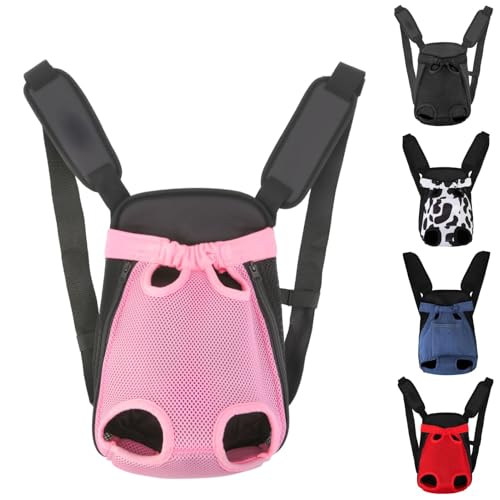
Doggy Backpack for Dogs: The Complete Guide
Everything you need to know about choosing, fitting, and using a doggy backpack for your dog — from saddlebag-style hiking packs to carrier backpacks for travel and outdoor adventures.
If you love hiking, traveling, or simply spending long days outdoors with your dog, a doggy backpack for dogs can transform your adventures. These wearable packs allow your dog to carry their own water, treats, waste bags, and first aid supplies — lightening your load while giving your dog a sense of purpose and accomplishment.
But not all dog backpacks are created equal. The wrong pack can cause chafing, restrict movement, or even injure your dog's spine. The right one distributes weight evenly, allows full range of motion, and stays comfortable for hours on the trail. This guide will walk you through everything you need to know — from understanding the different types of doggy backpacks for dogs to fitting one properly and training your dog to wear it happily.
What Is a Doggy Backpack?
A doggy backpack is a wearable saddlebag-style pack designed to fit over your dog's back and shoulders. It typically consists of two saddlebags positioned on either side of the dog's torso, connected by straps that go around the chest and belly. The packs are secured with adjustable straps and buckles, similar to how a dog harness fits.
The term "doggy backpack" can refer to two distinct products. First, it can mean a backpack worn by the dog to carry supplies — these are commonly called saddlebags, dog packs, or dog hiking backpacks. Second, it can refer to a backpack worn by the owner to carry the dog — these are carrier backpacks, often used for small dogs, senior dogs, or dogs who tire easily on long outings.
Both types serve different purposes. Saddlebag-style packs are ideal for active, healthy dogs who can safely carry weight. Carrier backpacks are better for small breeds, older dogs, or situations where your dog needs to be transported comfortably — similar to how a dog carrier or dog stroller works, but worn on your back.
Benefits of Dog Backpacks
Dog backpacks offer more than just convenience for the owner. They provide real physical and psychological benefits for your dog when used correctly:
- Mental stimulation and sense of purpose: Dogs who were bred to work — like working breeds — often thrive when given a job. Carrying a backpack gives them a sense of purpose and responsibility, which can reduce anxiety and destructive behavior.
- Physical exercise and conditioning: Carrying a properly weighted backpack adds resistance to walks and hikes, building muscle and endurance. It's a form of canine strength training that's especially beneficial for active breeds.
- Energy expenditure: A dog carrying a backpack burns more calories than one walking without weight. This is helpful for dogs who need more exercise but have limited time or physical capability for longer outings. It also supports healthy weight management.
- Convenience for the owner: Your dog can carry their own water, bowl, treats, waste bags, and even a dog first aid kit. This reduces what you need to carry, making long hikes more enjoyable.
- Improved leash manners: Many dogs walk more calmly and attentively when wearing a backpack. The gentle pressure and added weight can have a grounding effect, similar to how anxiety wraps work for nervous dogs.
- Bonding opportunity: Training your dog to wear and use a backpack is a collaborative activity that builds trust and communication between you and your dog.
Did You Know?
Many search and rescue dogs, therapy dogs, and service dogs wear backpacks as part of their working gear. The backpack not only carries supplies but also signals to the dog that they are "on duty," helping them focus and perform better.
Types of Dog Backpacks
There are several distinct types of dog backpacks, each designed for different activities and dog sizes. Understanding the differences will help you choose the right one for your needs:
Saddlebag Backpack
The most common type. Two saddlebags sit on either side of your dog's torso, connected by a harness-style strap system. Ideal for hiking, walking, and everyday adventures. Available in entry-level to premium tiers depending on materials, padding, and adjustability.
Entry-level to premiumCarrier Backpack
Worn by the owner to carry the dog. Typically used for small breeds, puppies, senior dogs, or injured dogs. Features a secure compartment with ventilation and sometimes a window or mesh panel. Good for travel, public transit, and situations where your dog can't walk.
Mid-range to luxuryHarness Backpack Combo
A hybrid design that functions as both a walking harness and a backpack. The saddlebags are removable, so you can use the harness alone for everyday walks or attach the packs for hikes. Versatile and convenient for multi-purpose use.
Mid-tier to high-endDaypack / Trail Pack
Designed specifically for long hikes and backpacking trips. Features larger capacity, more attachment points, and often includes a handle for lifting your dog over obstacles. Prioritizes weight distribution and durability over everyday convenience.
Premium to luxuryCooling Backpack
Integrated with cooling gel packs or breathable mesh to help regulate your dog's body temperature during hot weather. Especially useful for summer activities and brachycephalic breeds who overheat easily.
Mid-range to premiumReflective / Visibility Pack
Features reflective strips, bright colors, or LED lights for visibility during early morning or evening walks. Safety-focused design for urban environments and low-light conditions. Often pairs well with a dog collar or dog leash with reflective elements.
Budget-friendly to mid-tierQuick Comparison: Saddlebag vs Carrier Backpack
| Feature | Saddlebag Backpack | Carrier Backpack |
|---|---|---|
| Worn by | Dog | Owner |
| Best for | Active, healthy dogs | Small, senior, or tired dogs |
| Weight capacity | 10-15% of dog's body weight | Dog's full body weight |
| Ideal activity | Hiking, walking, trail running | Travel, errands, public transit |
| Training required | Yes — gradual introduction | Minimal — most dogs adapt quickly |
| Typical tier | Entry-level to luxury | Mid-range to luxury |
How to Choose the Right Backpack for Your Dog
Choosing the right doggy backpack requires careful consideration of your dog's size, breed, health, and the activities you plan to do together. Here are the key factors to evaluate:
1. Measure Your Dog Properly
Before shopping, take accurate measurements. You'll need three key numbers:
- Girth: Measure the widest part of your dog's chest, just behind the front legs. This determines the strap size.
- Back length: Measure from the base of the neck (where the collar sits) to the base of the tail. This determines the pack size.
- Weight: Knowing your dog's weight helps determine how much they can safely carry.
2. Consider Your Dog's Breed and Body Type
- Deep-chested breeds (like Greyhounds and Boxers) need packs with longer chest straps to prevent slipping.
- Broad-chested breeds (like Bulldogs) need wider straps and more adjustability.
- Long-backed breeds (like Dachshunds) need shorter packs that don't put pressure on the spine.
- Small breeds may do better with a carrier backpack rather than a saddlebag.
- Brachycephalic breeds (flat-faced dogs) should use lightweight, breathable packs and avoid heavy loads, especially in warm weather.
3. Evaluate Materials and Construction
- Exterior material: Look for durable, water-resistant fabrics like ripstop nylon or Cordura. Cheaper packs may use thin polyester that tears easily.
- Padding: Padded chest and belly panels prevent chafing. Memory foam or fleece lining adds comfort for longer wear.
- Straps and buckles: Wide, adjustable straps distribute weight better than thin ones. Metal buckles last longer than plastic, but quality plastic is lighter.
- Ventilation: Mesh panels or breathable fabrics help prevent overheating, especially in warm climates.
- Attachment points: D-rings, loops, and pockets for dog water bottles, waste bags, and other accessories.
Pro Tip: Look for a backpack with a built-in handle on top. This is invaluable for helping your dog over obstacles, lifting them into the car, or providing extra support on steep terrain. It's also useful for senior dogs who need a little assistance.
4. Match the Backpack to Your Activity
- Casual walks: A lightweight, simple saddlebag with minimal capacity is sufficient. Focus on comfort and ease of use.
- Day hikes: Look for a pack with moderate capacity, good weight distribution, and a handle for lifting. Water resistance is a plus.
- Backpacking trips: Choose a premium pack with large capacity, durable construction, and multiple attachment points. Your dog will carry more weight, so fit and comfort are critical.
- Travel: A carrier backpack is usually more practical. Look for one with good ventilation, a secure closure, and comfortable shoulder straps for you.
- Urban environments: A reflective or brightly colored pack with good visibility features is important for safety. Consider one that pairs well with a dog GPS tracker if your dog tends to wander.
Proper Fitting & Sizing
A properly fitted backpack is essential for your dog's comfort and safety. An ill-fitting pack can cause chafing, restrict movement, or even lead to injury. Here's how to ensure a correct fit:
- Start with the chest strap: The chest strap should sit high on the chest, above the breastbone, not across the throat. It should be snug enough that you can fit two fingers underneath, but not so tight that it restricts breathing.
- Adjust the belly strap: The belly strap should sit behind the ribcage, not directly on the ribs. It should be snug but not tight. If the pack slides around when your dog walks, the belly strap is too loose.
- Check the saddlebag position: The bags should sit on the sides of your dog's torso, roughly in the middle of their back. They should not hang too low (which can cause bouncing) or sit too high (which can interfere with shoulder movement).
- Test range of motion: With the pack on, have your dog walk, trot, and climb stairs. They should be able to move freely without the pack shifting or restricting their legs. If the pack rubs against their front legs, it's too far forward.
- Check for pressure points: Run your fingers under all straps and along the edges of the pack. Look for areas where the pack might rub or dig into your dog's skin. Padding should be sufficient to prevent chafing.
- Adjust as needed: Most quality packs have multiple adjustment points. Take the time to fine-tune the fit. A good fit should stay in place during activity without being so tight that it causes discomfort.
Fit Check Reminder:
Always check your dog's skin after removing the backpack, especially after long or strenuous activities. Look for red spots, rubbed fur, or irritation. If you see any signs of chafing, the pack needs adjustment — or your dog may need a different size or style.
How Much Weight Can Dogs Safely Carry?
Weight capacity is one of the most misunderstood aspects of dog backpacks. Many owners overload their dogs because they don't understand the physical limits. Here's what you need to know:
- 10-15% of body weight is the general guideline. A healthy, fit adult dog can typically carry up to 15% of their body weight in a backpack. For a 50-pound dog, that's up to 7.5 pounds. For a 20-pound dog, that's up to 3 pounds.
- Start lighter than you think. Begin with 5% of your dog's body weight and gradually increase over several weeks. This allows your dog's muscles and joints to adapt without risk of injury.
- Less is more for small dogs. Small breeds under 20 pounds should carry no more than 10% of their body weight — and some may do better with an empty pack or no pack at all.
- Puppies should not carry weight. Growing bones and joints are vulnerable to damage from excess load. Wait until your dog is fully grown (usually 12-18 months, depending on breed) before adding weight to their pack. This is especially important for large and giant breeds whose growth plates close later.
- Senior dogs need reduced loads. Dogs over 7 years (or 5 for giant breeds) may have arthritis or joint issues. Even if they enjoy carrying a pack, reduce the weight significantly and monitor for signs of discomfort. Consider a senior dog joint supplement or arthritis management plan if your dog shows signs of stiffness.
- Balance matters as much as weight. Distribute weight evenly between the two saddlebags. An unbalanced load causes your dog to lean to one side, straining their spine and muscles.
Weight Distribution Tip: Place heavier items (like water bottles) at the bottom and toward the front of the saddlebags, closer to your dog's shoulders. This positions the weight over the strongest part of your dog's body and reduces strain on the back.
Training Your Dog to Wear a Backpack
Most dogs adapt to wearing a backpack quickly, but rushing the process can create a negative association that's hard to undo. Follow this gradual training plan to ensure a positive experience:
- Introduction (Days 1-3): Let your dog sniff and investigate the empty backpack. Place it on the floor near their food bowl or bed. Reward calm, curious behavior with treats and praise. Never force your dog to interact with the pack.
- Short wear sessions (Days 4-7): Place the empty pack on your dog's back for just a few seconds. Buckle it loosely, give treats, then remove it. Repeat several times a day. Gradually increase wear time to a minute or two.
- Indoor wear (Week 2): Once your dog is comfortable wearing the empty pack, leave it on during indoor activities — meals, playtime, or relaxing. Keep sessions short (5-10 minutes) and always reward calm behavior.
- Adding weight (Week 3): Start adding small amounts of weight — a few ounces at a time. Use lightweight items like a small water bottle or a few treats. Walk around the house or yard with the weighted pack. Watch for signs of discomfort and adjust as needed.
- Outdoor walks (Week 4): Take short walks around the neighborhood with the weighted pack. Start with 10-15 minutes and gradually increase duration. Keep the weight light at first.
- Full adventures (Week 5+): Once your dog is comfortable walking with a weighted pack, you're ready for longer adventures. Gradually increase weight and distance over time. Always monitor your dog for signs of fatigue or discomfort.
Throughout training, use positive reinforcement techniques. Treats, praise, and play are your best tools. If your dog shows signs of stress — tucked tail, ears back, refusing to move, or trying to remove the pack — slow down and go back to the previous step. For dogs with anxiety issues, you may need to work with a professional trainer or behaviorist. You can also explore calming products or pheromone diffusers to help your dog relax during the introduction phase.
Safety Tips & Precautions
Using a dog backpack safely requires attention to your dog's comfort and the environment. Keep these safety guidelines in mind:
- Never leave a backpack on an unsupervised dog. Straps can get caught on objects, leading to choking or injury. Always remove the pack when you're not actively using it.
- Check the fit regularly. Dogs can lose or gain weight, and fur thickness changes with seasons. Re-check the fit every few weeks to ensure it's still comfortable.
- Avoid extreme weather. In hot weather, reduce or eliminate backpack use to prevent overheating. Brachycephalic breeds are especially vulnerable. In cold weather, ensure the pack doesn't trap moisture against your dog's skin. Read more about winter protection for dogs.
- Watch for signs of fatigue. If your dog is lagging behind, panting excessively, or trying to lie down, it's time to stop and rest — or remove the pack. Never push your dog beyond their limits.
- Inspect the pack regularly. Check for torn seams, frayed straps, or broken buckles. A damaged pack can fail during a hike, leaving your dog's gear scattered on the trail.
- Use reflective gear in low light. If you walk during early morning or evening hours, choose a backpack with reflective elements or add clip-on lights. This is especially important if you walk near roads.
- Keep identification on your dog. Even with a backpack, your dog should wear a dog tag or GPS tracker in case they get loose. This is non-negotiable for outdoor adventures.
When to See a Vet:
If your dog develops limping, stiffness, or reluctance to move after wearing a backpack, stop using it and consult your veterinarian. These signs could indicate muscle strain, joint pain, or an underlying condition that needs attention. Your vet can also advise on whether backpack use is appropriate for your dog's specific health situation.
Frequently Asked Questions
Final Thoughts
A doggy backpack for dogs is more than just a piece of gear — it's an opportunity to deepen your bond with your dog while exploring the world together. Whether you choose a saddlebag for hiking adventures or a carrier backpack for travel convenience, the key is to prioritize your dog's comfort and safety above all else. Start slowly, train with positive reinforcement, and always monitor your dog for signs of discomfort. With the right backpack and proper training, your dog can become a happy, willing trail companion who carries their own supplies with pride. For more ways to enhance your dog's life, explore our guides on dog products, dog training, and dog care.