Dog Tracker Guide: GPS, Smart Collars & Real-Time Tracking
Everything you need to know about dog trackers — how they work, which type suits your dog, and how to choose the right device to keep your canine companion safe and always findable.
Losing a dog is one of the most stressful experiences a pet owner can face. Whether your dog is a skilled escape artist, a curious hiker, or simply prone to wandering, a dog tracker gives you the ability to know exactly where they are at any moment. Modern tracking technology has evolved far beyond simple identification tags — today's devices combine GPS, cellular, Bluetooth, and activity monitoring into compact units that attach to your dog's collar.
This guide breaks down every type of dog tracker available, what features actually matter, and how to match a device to your dog's size, temperament, and lifestyle. By the end, you'll understand how to choose a tracker that provides real peace of mind rather than just another gadget. If you're also building out your dog's safety and travel gear, our dog safety guide and travel essentials checklist cover the complementary equipment worth considering.
How Dog Trackers Work
Understanding the technology behind dog trackers helps you evaluate which type will actually work in your area and for your dog's habits. There are three core technologies used in consumer dog tracking devices, and many products combine two or more of them.
GPS Tracking
GPS (Global Positioning System) trackers receive signals from satellites to calculate their precise location. The device then transmits that location to your smartphone through a cellular network or radio frequency. GPS accuracy is typically within a few meters outdoors, though it degrades in dense urban areas, heavy tree cover, or inside buildings.
GPS trackers require a clear view of the sky to function well. They are the best choice for dogs who roam large areas, hike off-leash, or live in rural environments. Most GPS trackers require a subscription for the cellular data plan that sends location updates to your phone.
Bluetooth Tracking
Bluetooth trackers work by communicating with your smartphone within a limited range — usually around 100 to 400 feet depending on obstacles. They are lightweight, inexpensive, and require no subscription. However, they only help if your dog is within Bluetooth range, which limits their usefulness for escape-prone dogs.
Some Bluetooth trackers use a crowdsourced network where other users' phones can detect your tracker's signal and relay its location anonymously. This extends the effective range in populated areas but is unreliable in remote locations.
Radio Frequency (RF) Tracking
RF trackers use a handheld transmitter and a receiver on the dog's collar. They do not rely on cellular networks, so they work in areas with no cell coverage. Range varies from a few hundred meters to several miles depending on the model.
The main drawback is that you must actively use the handheld unit to locate your dog — there is no automatic map view or smartphone alert. RF trackers are popular among hunters and owners in remote areas, and they never incur subscription fees.
Quick Tip: If your dog stays in a fenced yard and rarely escapes, a Bluetooth tracker may be sufficient. If your dog hikes off-leash or has a history of bolting, invest in a GPS tracker with a live map and geofencing alerts.
Types of Dog Trackers
Dog trackers come in several form factors, each designed for different use cases. Below are the main categories you'll encounter when shopping, along with guidance on which dogs they suit best.
GPS Collar Trackers
Dedicated devices that attach to your dog's existing collar or come built into a complete collar. They offer real-time location tracking, escape alerts, and often activity monitoring. Best for dogs who spend time off-leash or in large open areas.
PremiumSmart Collars
Combine GPS tracking with health and activity monitoring, training features, and sometimes virtual fencing. These are all-in-one devices for owners who want comprehensive data about their dog's daily life. Best for health-conscious owners and active dogs.
LuxuryBluetooth Tag Trackers
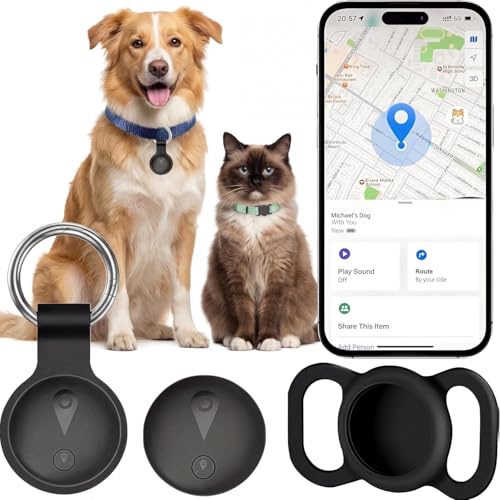
Small, lightweight tags that attach to any collar and work within Bluetooth range. No subscription required. Best for indoor use, apartment dogs, and as a backup to a GPS tracker. Not suitable for dogs who roam far.
Budget-FriendlyRadio Frequency Trackers
Handheld receiver plus collar transmitter. No cell service or subscription needed. Works in remote areas. Best for hunting dogs, rural properties, and owners who want a no-fee solution with reliable range.
Mid-RangeActivity Monitors
Focus on tracking daily activity, sleep, and calories rather than location. Some include limited GPS. Best for owners managing their dog's weight, recovery from surgery, or overall wellness. Often pair well with mobility support routines.
Mid-PricedMicrochips & ID Tags
Not electronic trackers, but essential identification. A microchip is implanted by a vet and scanned by shelters. ID tags provide visible contact information. These are the baseline — a tracker supplements, never replaces, them. See our dog tags guide for options.
Entry-LevelImportant: No tracker replaces proper identification. Always keep a microchip registered with current contact information and an ID tag on your dog's collar. If your dog is found by a neighbor or shelter, a visible tag is still the fastest way home. A tracker is your backup for when your dog is truly lost or out of sight.
Key Features to Compare
Not all trackers are created equal. When comparing models, focus on the features that directly affect whether the device will work for your dog and your lifestyle. The table below summarizes the most important considerations.
| Feature | Why It Matters | Best For |
|---|---|---|
| Real-Time Tracking | Shows your dog's current location on a map with frequent updates. Critical during an active search. | Escape-prone dogs, off-leash hiking |
| Geofencing | Alerts you when your dog leaves a designated safe zone. Lets you act before your dog gets far. | Fenced yards, rural properties |
| Battery Life | Longer battery means less charging and more reliability. Ranges from a few days to several weeks. | All users; especially frequent travelers |
| Water Resistance | Dogs swim, play in rain, and roll in mud. A water-resistant device survives real life. | Water-loving breeds, outdoor dogs |
| Weight & Size | Heavy trackers strain small dogs' necks. Lightweight designs are essential for toy breeds. | Small and toy breeds |
| Subscription Cost | GPS trackers need cellular data. Monthly fees add up over the life of the device. | Budget-conscious owners |
| Activity Monitoring | Tracks steps, sleep, and calories. Useful for weight management and health trends. | Senior dogs, weight management |
| Training Features | Tone, vibration, or recall cues. Some devices integrate with training routines. | Owners working on recall |
Battery Life Realities
Battery life claims on packaging are often based on ideal conditions. In practice, frequent location updates, weak cellular signal, and cold weather all drain batteries faster. A tracker advertised as lasting two weeks may need charging every few days if you use live tracking heavily.
Look for devices with a low-battery alert so you're never caught off guard. If your dog wears the tracker daily, consider a model with a magnetic charging cable or charging clip that's easy to use. Some owners keep a spare tracker or a backup power bank for travel. Our travel accessories guide covers power solutions for trips.
Choosing the Right Tracker
The best dog tracker for your neighbor may be completely wrong for your dog. Use the following decision framework to narrow your options based on your dog's size, behavior, and your environment.
Match the Tracker to Your Dog's Size
- Toy breeds (under 10 lbs): Prioritize lightweight Bluetooth tags or compact GPS units under 1 ounce. Heavy devices can cause neck strain and discomfort. Consider a harness-mounted tracker instead of a collar-mounted one to distribute weight.
- Small breeds (10-25 lbs): Most GPS trackers work well if properly sized. Look for adjustable straps and a low-profile design. Activity monitors are also a good fit for this size range.
- Medium breeds (25-50 lbs): Nearly all trackers are suitable. You can prioritize features like battery life and geofencing over weight.
- Large and giant breeds (50+ lbs): Weight is rarely a concern. Choose based on range, durability, and subscription value. Rugged models built for outdoor use are ideal.
Match the Tracker to Your Dog's Behavior
- The escape artist: Needs real-time GPS with geofencing and instant alerts. Battery life matters less than live tracking reliability. Pair with a secure dog fence or containment system.
- The hiking companion: Needs a rugged, water-resistant GPS tracker with long battery life. Offline maps and no-subscription RF trackers are worth considering for remote trails.
- The homebody: A Bluetooth tag or simple activity monitor may be sufficient. If your dog rarely leaves a secure yard, a full GPS subscription may be unnecessary.
- The senior dog: Activity monitoring becomes more valuable than long-range tracking. Track sleep, movement, and routine changes that may indicate health issues. See our mobility guide for supporting aging dogs.
- The anxious dog: Pair a tracker with calming strategies. Our guides on separation anxiety and calming products can help reduce the behavior that leads to escapes.
Consider Your Environment: Cellular coverage varies widely. Before buying a GPS tracker, check the coverage map of the network it uses in your area. If you live in a remote region with spotty service, an RF tracker or a GPS device with satellite communication may be more reliable.
Setup & Everyday Use
Getting a tracker is only half the battle — using it consistently is what keeps your dog safe. Follow these steps to integrate a tracker into your daily routine.
- Charge fully before first use. Most trackers arrive partially charged. Read the manual to understand the charging method and indicator lights. Set a recurring reminder to charge based on your usage pattern.
- Attach securely to the collar. Follow the manufacturer's instructions for mounting. Check the attachment weekly for wear or loosening. A tracker that falls off is useless. Consider a collar designed specifically for the tracker if the fit is awkward.
- Download the companion app. Create your account, pair the device, and explore the interface before you need it in an emergency. Practice finding the live tracking view and setting up notifications.
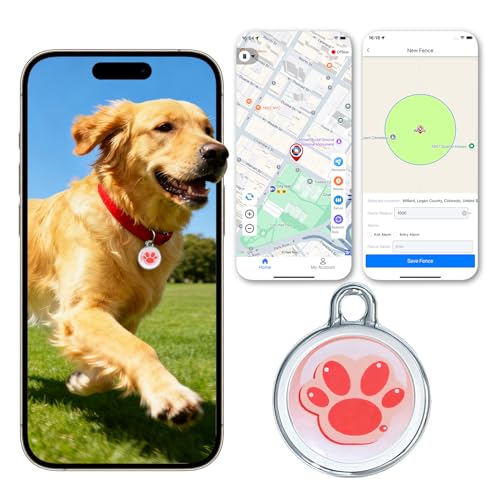
- Set up geofences. Define your safe zones — your home, yard, and any regular locations like a dog sitter's house. Test the alerts by walking your dog out of the zone on a leash to confirm they work.
- Customize alerts. Enable low-battery notifications, escape alerts, and activity goal reminders. Adjust sensitivity so you're not overwhelmed with notifications but never miss a critical one.
- Do a test run. Have a family member take your dog for a walk while you watch the tracker. Confirm the location updates smoothly and the map is accurate in your neighborhood.
- Establish a charging routine. Charge the tracker at the same time each week, or whenever your dog is resting. Keep a spare charging cable in your car or travel bag.
- Review activity data weekly. If your tracker monitors activity, check trends. A sudden drop in activity can signal illness or injury. Share this data with your vet during checkups — see our vet visit guide.
Pro Tip: If you have multiple dogs, label each tracker and its charging cable. Trackers look identical after a few months, and mixing them up means inaccurate data and confusion during an emergency. Use colored tape or a label maker.
Using a Tracker for Training
Beyond location, many dog trackers include features that support training. When used correctly, a tracker becomes a tool for reinforcing good behavior rather than just a safety net.
Recall Training with Trackers
Some trackers include a tone or vibration feature you can trigger from your phone. You can pair the tone with high-value treats to build a positive association, then use the tone as a recall cue in gradually increasing distances. This works best alongside a structured clicker training or positive reinforcement program. Never use the vibration as punishment — it should signal something good is coming.
Activity Goals and Weight Management
If your dog needs to lose weight, an activity monitor provides objective data on daily movement. Set gradual goals and track progress over weeks. Pair increased activity with appropriate nutrition — our dog nutrition guide and weight management guide cover the dietary side. For dogs with joint concerns, see our joint supplement guide and green-lipped mussel guide.
Virtual Fencing and Boundary Training
Some smart collars offer virtual fencing — you define a boundary in the app, and the collar alerts your dog with a tone or vibration as they approach it. This requires careful training to avoid confusion and stress. Virtual fences are a supplement to, not a replacement for, a physical fence or containment system. Introduce the boundary gradually with positive reinforcement and never rely solely on the collar to contain a determined dog.
Training Reminder: A tracker is not a substitute for training. A dog who has never learned recall will not suddenly obey because they're wearing a device. Use the tracker to reinforce training you've already done, and combine it with consistent, reward-based methods. Our behavior modification guide and when to see a behaviorist articles can help if your dog has serious escape or roaming issues.
Safety & Privacy Considerations
Using a tracker involves some practical and privacy considerations that are easy to overlook. Address these before and after purchase to get the most from your device.
- Device security: Choose a tracker with encrypted data transmission and a secure account login. Use a strong, unique password for the companion app. Enable two-factor authentication if available.
- Data privacy: Understand what data the company collects and how it's used. Reputable brands publish clear privacy policies. Avoid trackers that sell location data to third parties or require excessive personal information.
- Collar safety: A tracker should attach with a breakaway or quick-release mechanism in case the collar snags on something. Never use a tracker on a choke chain or prong collar. For everyday safety, see our dog collars guide and harness guide.
- Backup identification: A tracker can fail, run out of battery, or lose signal. Always keep a microchip and an ID tag with current contact info. Our dog tags guide covers tag options and best practices.
- Battery failure plan: Know what you'll do if the tracker dies while your dog is out. Keep a recent photo of your dog on your phone, know your local shelter's phone number, and have a first aid kit ready in case your dog returns injured.
- Weather and water: Check your tracker's water resistance rating before letting your dog swim. If your dog loves water, consider a dog life jacket with a tracker attachment point.
Frequently Asked Questions
Final Thoughts
A dog tracker is one of the most practical safety investments you can make for a dog who spends time outdoors, travels with you, or has a tendency to wander. Choose a device that matches your dog's size, your environment, and your budget — and remember that no technology replaces consistent training, proper identification, and a secure home. For more ways to keep your dog safe and healthy, explore our dog safety guide, preventive health care guide, and dog supplies essentials.