Dog Supplies Essentials: The Complete Guide to Must-Have Gear
Everything you need to build the perfect supply kit for your dog — from daily essentials and safety gear to grooming tools and travel accessories.
Bringing a dog into your home means more than just love and attention — it means having the right supplies to meet their daily needs, keep them safe, and support their health and happiness. With thousands of pet products on the market, it's easy to feel overwhelmed or waste money on items your dog doesn't actually need.
This guide cuts through the noise and focuses on what truly matters. Whether you are preparing for a new puppy arrival or upgrading your current setup, these essentials form the foundation of responsible dog ownership.
Daily Essentials for Every Dog
These are the non-negotiable items every dog owner needs from day one. Without them, you cannot safely care for your dog or meet their basic needs.
Collars & ID Tags
A properly fitted collar with current ID tags is your dog's ticket home if they ever get lost. Choose a collar that fits snugly — you should be able to slide two fingers underneath. For daily wear, a simple buckle or martingale collar works well. ID tags should include your phone number and ideally a second contact.
Essential — entry-level to premium optionsLeashes
A standard 4-6 foot leash gives you the best control for training and everyday walks. Leashes come in nylon, leather, and rope materials. For strong pullers, pair a leash with a front-clip harness rather than relying on a collar alone. Retractable leashes are best avoided for training and reactive dogs.
Essential — mid-range to premium recommendedFood & Water Bowls
Stainless steel or ceramic bowls are the best choices — they're durable, easy to clean, and don't harbor bacteria like plastic can. Choose bowls with a non-slip base to prevent sliding during enthusiastic eating. Elevated bowls can help larger dogs and those with joint issues.
Essential — budget-friendly to premiumWaste Bags
Picking up after your dog is both a legal requirement and a courtesy to your community. Keep waste bags stocked in your leash bag, car, and pockets. Biodegradable options are increasingly available for eco-conscious owners. A leash dispenser makes them easy to grab on every walk.
Essential — affordable consumableFirst-Aid Kit
A dog-specific first-aid kit is one of those supplies you hope never to use but must have ready. Include gauze, bandages, antiseptic, a thermometer, tick removal tools, and styptic powder. Keep your vet's number and a pet poison control hotline saved in your phone.
Essential — mid-range kit covers most needsQuality Dog Food
Nutrition is the foundation of health. Choose a food that meets AAFCO standards and matches your dog's life stage. Whether you prefer dry dog food, wet dog food, or a raw diet, the key is consistency and quality ingredients. Our dog nutrition guide breaks down how to evaluate labels.
Essential — entry-level to premium optionsPro Tip: When buying bowls and collars, always size up for growing puppies. A collar that fits a 10-pound puppy may become dangerously tight within weeks. Adjustable collars and bowls with removable risers offer the best flexibility.
Walking & Outdoor Gear
Your daily walk routine depends on having the right gear. The essentials go beyond a leash and collar — comfort, control, and safety all matter.
Harnesses vs. Collars
For dogs who pull, a harness is often the kinder and more effective choice. Front-clip harnesses gently redirect forward motion and discourage pulling without putting pressure on the throat. Back-clip harnesses work well for dogs who already walk politely. Collars remain useful for ID tags and short outings, but for long walks and training, a harness is generally preferred.
Weather-Specific Gear
Depending on your climate, your dog may need additional protection:
- Winter: Sweaters and insulated coats for short-haired breeds. Dog shoes or paw balm protect against salt and ice. A waterproof mat by the door catches mud and snow.
- Summer: A dog pool or life jacket for water-loving dogs. Paw protection against hot pavement is essential. Consider a cooling mat for indoor relief.
- Rain: A lightweight raincoat keeps your dog dry and reduces that wet-dog smell. Towel-dry paws after every walk.
Paw Protection
Paw pads are tough but not invincible. Hot pavement, ice, salt, and rough terrain can cause painful cracks and burns. Paw protection comes in several forms — wax-based balms, rubber booties, and breathable booties for extreme conditions. If your dog's paws are red, cracked, or they keep licking them, see our guide on paw licking.
Feeding Supplies
Beyond the bowl itself, a few smart feeding accessories make mealtime easier and support your dog's health.
Food Storage
Keeping kibble fresh matters. A dog food container with an airtight seal protects against moisture, pests, and staleness. Store food in its original bag inside the container — the bag's material helps preserve freshness and has the lot number in case of a recall.
Slow Feeders & Puzzle Bowls
Dogs who gulp their food are at risk for bloat and vomiting. Slow feeder bowls and puzzle toys force your dog to eat more slowly and provide mental stimulation at the same time. This is especially helpful for mental stimulation and for dogs who eat too fast.
Automatic Feeders
An automatic dog feeder is a lifesaver for busy owners or dogs who need meals at consistent times. Programmable models dispense precise portions at set intervals. Pair with a water fountain or dog water bottle for travel.
Feeding Tip: Transitioning to a new food? Do it gradually over 7-10 days, mixing increasing amounts of the new food with the old. This prevents digestive upset and helps your dog adjust to the new taste and texture.
Treats & Training Rewards
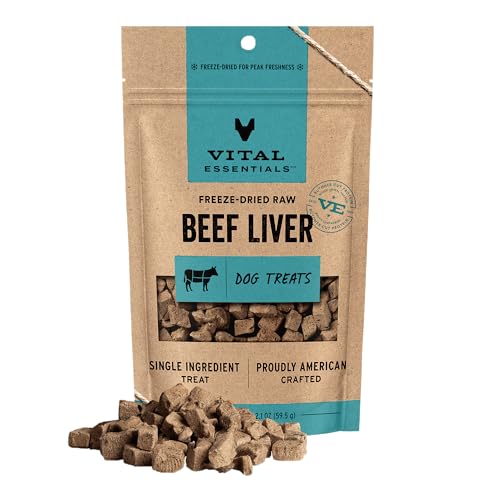
Every dog owner needs a supply of dog treats on hand. Use high-value treats for training new behaviors, and lower-value treats for maintenance. For training-specific rewards, see our guide to dog training treats. If your dog has a sensitive stomach, look for limited-ingredient treats.
Beds, Crates & Comfort
Dogs sleep 12-14 hours a day. A comfortable, safe resting place is not a luxury — it's a necessity for their physical recovery and mental well-being.
Choosing the Right Bed
Dog beds come in many styles — bolster beds for dogs who like to curl, flat mats for sprawlers, and orthopedic memory foam beds for senior dogs or those with joint issues. Washable covers are essential. For dogs with mobility issues, consider a dog ramp or dog steps to help them reach their favorite spot.
Crates and Kennels
A crate is one of the most valuable training tools you can buy. It provides a safe space for your dog, aids in potty training, and keeps them secure during travel or emergencies. For large breeds, see our guide to dog kennels for large dogs. Crate size should allow your dog to stand, turn around, and lie down comfortably.
Puppy-Specific Comfort
If you have a puppy, dog pads and puppy pads help manage accidents during housetraining. A dog potty setup gives them a designated spot. Many owners find a pad holder prevents shifting and makes cleanup easier.
Comfort Tip: Place your dog's bed in a quiet area where they can retreat when they want to rest undisturbed. Avoid placing it near high-traffic areas or noisy appliances. A tired, well-rested dog is a well-behaved dog.
Grooming Tools
Regular grooming is about health, not vanity. It allows you to detect lumps, skin problems, and parasites early while keeping your dog comfortable and clean.
Brushes & Combs
The right brush depends on your dog's coat. Short coats need a rubber curry or bristle brush. Double coats need an undercoat rake. Long coats need a slicker brush and metal comb. Curly coats need a pin brush and detangling spray. Brush according to coat type to prevent mats and distribute natural oils.
Essential — budget-friendly to premium optionsNail Clippers
Overgrown nails cause pain, gait changes, and joint stress. Nail clippers come in scissor style, guillotine style, and plier style. For black nails where the quick is hard to see, consider clippers with a sensor or clippers with a magnifying glass and light. Our nail trimming guide walks you through the process safely.
Essential — mid-range to premium recommendedShampoo & Bathing Supplies
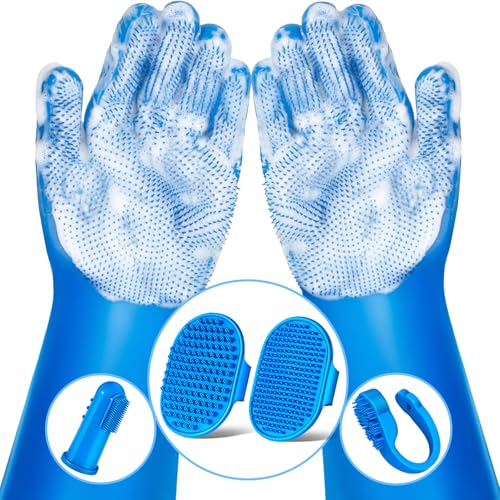
Use a dog-specific shampoo — human shampoo has the wrong pH and can irritate skin. For dogs with skin issues, medicated options like chlorhexidine and ketoconazole shampoo may be needed. A dog bath setup or a non-slip mat in your tub makes bathing safer and easier.
Essential — entry-level to premiumDental Care Tools
Dental disease is the most common health problem in adult dogs. A dog toothbrush and enzyme toothpaste are essential. Finger brushes work well for beginners. For professional-level cleaning, see dog dental cleaning options. Daily brushing prevents tartar buildup and systemic health issues.
Essential — affordable to premiumToys & Enrichment
Toys are not just for play — they provide mental stimulation, prevent boredom, and redirect destructive behaviors. A well-stocked toy box should include variety.
- Chew toys: Chew toys satisfy natural chewing instincts and help clean teeth. Choose size-appropriate, durable options. Supervise new chews until you know your dog's chewing style.
- Interactive toys: Interactive dog toys dispense treats or respond to play, keeping your dog engaged and mentally tired. Great for dogs who need mental stimulation.
- Puzzle toys: Puzzle toys challenge your dog to solve problems for rewards. Start with easy puzzles and increase difficulty. These are excellent for high-energy breeds who need a job.
- Fetch toys: Fetch toys like balls and frisbees provide exercise and bonding. Choose durable materials that won't break apart and become a choking hazard.
- Tug toys: Tug toys offer interactive play and are great for burning energy. Teach a "drop it" cue so play stays controlled and fun.
- Comfort toys: For dogs with separation anxiety, toys for separation anxiety like treat-dispensing puzzles or comforting plush toys can help.
Safety & Travel Supplies
Whether you're driving across town or hiking a mountain trail, safety gear protects your dog and gives you peace of mind.
Car Safety
An unrestrained dog in a car is a danger to themselves and everyone inside. Use a dog car harness or dog seat belt that attaches to your car's seat belt system. A dog car seat works well for small breeds. A dog carrier keeps smaller dogs secure and comfortable during travel.
Identification & Tracking
Microchipping is essential, but a GPS tracker or dog tracker provides real-time location if your dog escapes. ID tags on the collar provide immediate identification for anyone who finds your dog. Update your contact information whenever it changes.
Outdoor & Adventure Gear
For active owners, a dog life jacket is essential for water activities. Dog shoes protect paws on hot or rough terrain. A dog stroller helps senior or injured dogs join the family on outings. See our travel essentials guide for more.
Safety Note: Always secure your dog in the car, even for short trips. A 60-pound dog in a 35 mph crash can exert the force of a 2,700-pound object — enough to injure passengers and fatally injure the dog.
Puppy-Specific Supplies
Bringing home a puppy requires a few extra supplies to handle training, teething, and cleanup. Our dog supplies checklist covers everything, but here are the highlights.
- Potty training pads: Dog pads and puppy pads contain accidents during housetraining. Place them in a designated spot and gradually move them toward the door.
- Enzymatic cleaner: Puppy accidents leave behind odor that attracts repeat marking. A dog stain remover with enzymes breaks down the odor at its source.
- Teething toys: Puppies chew to relieve teething pain. Provide appropriate chew toys and redirect them away from furniture and hands.
- Crate training supplies: A properly sized crate plus a crate mat makes the crate inviting. See our guide on crying in the crate for training help.
- Puppy food: Puppy food is formulated with the extra protein, fat, and nutrients growing dogs need. Do not feed adult food to puppies.
Common Buying Mistakes to Avoid
Every year, dog owners waste money on supplies that don't work, don't fit, or aren't safe. Here's what to avoid:
- Buying everything at once. Start with the essentials and add items as you learn your dog's preferences and needs. Your dog may love a certain toy and ignore another entirely.
- Choosing size based on breed, not actual measurements. A "medium" harness means something different in every brand. Always measure your dog and check the manufacturer's size chart.
- Skipping the crate because it "seems mean." A crate is not a cage — it's a safe den that aids training and prevents destructive behavior. Introduced correctly, most dogs love their crate.
- Buying cheap toys that fall apart. Ingested toy parts cause expensive and dangerous intestinal blockages. Invest in durable, size-appropriate toys and inspect them regularly.
- Ignoring dental supplies. Dental disease affects over 80% of dogs by age three. A toothbrush and toothpaste cost far less than professional dental cleanings and extractions.
- Buying human shampoo for dogs. Human products disrupt the skin barrier and can cause itching and infections. Always use dog-specific shampoo.
- Forgetting about ID. A collar and tags are the fastest way to reunite with a lost dog. Microchips are essential backup but require a scanner that not everyone has.
Frequently Asked Questions
Build Your Kit Gradually
You don't need everything on day one. Start with the daily essentials — collar, leash, food, bowls, bed, and first-aid kit. Add grooming tools, toys, and safety gear as your dog settles in and you learn their preferences. The best supply kit is one that fits your dog's unique needs, your lifestyle, and your budget. Every item should serve a purpose and improve your dog's quality of life.